The Best HydraFacial Treatment in Delhi: Everything You Need to Know
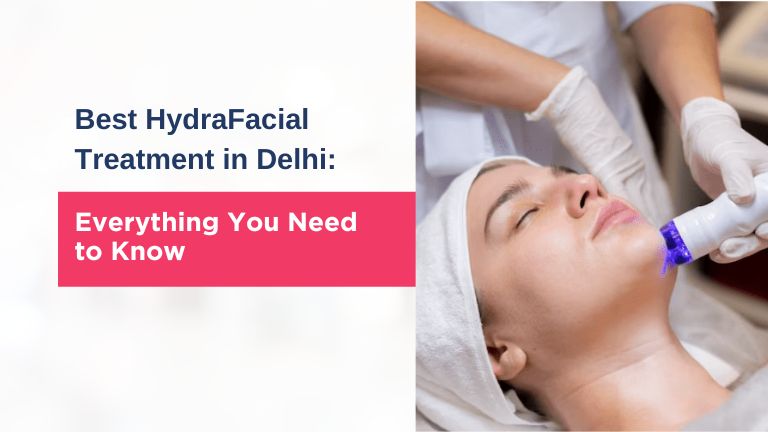
Hydra facial Treatment

Tired of dull, tired-looking skin? At our clinic, we specialize in HydraFacial treatments in Delhi designed to deeply cleanse, exfoliate, and rejuvenate your skin. Enjoy smoother, brighter skin with this non-invasive solution loved by thousands of our clients in Delhi. With proven results and personalized care, your skin’s glow is just one session away. Book your appointment today and let us help you shine!

What Is HydraFacial Treatment?

HydraFacial is a non-invasive skincare treatment that cleanses, exfoliates, and hydrates your skin using advanced vortex technology. It works by gently removing impurities while delivering nourishing serums for a radiant glow.

Types of HydraFacial Treatments:

  • Signature HydraFacial
  • Deluxe HydraFacial
  • Platinum HydraFacial

Ideal for men and women of all ages, it suits various skin types and concerns. The procedure takes about 30–45 minutes, offering a quick and effective solution for busy lifestyles. With a high success rate in Delhi, HydraFacial is trusted by countless clients for achieving healthier, brighter skin effortlessly.

HydraFacial Cost in Delhi

The average cost of a single HydraFacial session in Delhi ranges between ₹3,000 to ₹8,000, depending on the clinic and type of treatment. Here’s a quick cost breakdown based on session type:

HydraFacial Type Cost (₹)
Signature HydraFacial 3,000 – 5,000
Deluxe HydraFacial 5,000 – 7,000
Platinum HydraFacial 7,000 – 8,000

Factors Affecting the Cost:

  • Clinic’s location and reputation
  • Type of HydraFacial chosen
  • Number of sessions required
  • Additional skincare add-ons

HydraFacial is a cosmetic procedure and is typically not covered by insurance. Always consult your clinic for a detailed cost estimate tailored to your needs.

Benefits of HydraFacial Treatment

HydraFacial offers instant results with no downtime, though maintenance sessions are recommended for long-term benefits. It’s a versatile solution suitable for all skin types.

  • Deeply cleanses and exfoliates skin
  • Reduces fine lines and wrinkles
  • Improves skin texture and tone
  • Unclogs and minimizes pores
  • Hydrates for a radiant glow
  • Targets acne and blackheads
  • Non-invasive with no recovery time

How Does HydraFacial Treatment Work?

HydraFacial is essential for maintaining healthy, glowing skin through deep cleansing, hydration, and nourishment. It’s ideal for both men and women, especially those with dull skin, acne, uneven tone, or fine lines. Individuals with sensitive skin or certain medical conditions like rosacea can also benefit from its gentle approach.

This treatment uses advanced vortex technology to cleanse pores, exfoliate dead skin, and deliver hydrating serums.

Procedure Steps:

  • Cleansing and exfoliation
  • Gentle acid peel application
  • Pore extraction with suction
  • Hydration with nourishing serums
  • Final layer of protection

Results are visible immediately after one session and improve with regular treatments. HydraFacial can also be combined with other procedures like chemical peels or LED therapy for enhanced effects. It’s a quick, 30–45 minute process that fits seamlessly into any skincare routine.

What Happens in HydraFacial Treatment?

HydraFacial is a straightforward, non-invasive procedure that rejuvenates your skin in just 30–45 minutes. It involves simple steps to ensure optimal results before, during, and after the session.

Before Treatment

  • Cleanse your face, removing all makeup.
  • Avoid sun exposure for 24 hours prior.
  • Disclose any allergies or skin conditions.
  • Stop using retinoids or exfoliants 48 hours before.
  • Consult with your specialist for personalized advice.

During Treatment

  • Deep cleansing and exfoliation of the skin.
  • Gentle chemical peel application for resurfacing.
  • Suction-based extraction of clogged pores.
  • Infusion of hydrating and antioxidant serums.
  • Relaxing and pain-free process throughout.

After Treatment

  • Slight redness may fade within hours.
  • Avoid heavy makeup for at least 24 hours.
  • Stay hydrated and apply sunscreen regularly.
  • Use gentle skincare products post-treatment.
  • Results improve with continued sessions.

Side Effects of HydraFacial Treatment and Recovery Time

HydraFacial is generally safe with minimal risk of side effects. Most people experience no downtime and can resume their regular activities immediately. However, mild redness or slight sensitivity may occur, especially for individuals with sensitive skin.

Recovery Timeline

  • Immediately after treatment: Mild redness or tightness, which fades within a few hours.
  • 24-48 hours post-treatment: Skin feels hydrated and appears radiant.
  • 3-5 days: Results continue to improve as the skin’s texture and tone enhance.

HydraFacial is a non-invasive procedure, so recovery is quick. The results typically last 4–6 weeks, depending on your skin type and skincare routine. To maintain long-term benefits, regular sessions are recommended.

Safety & Risks

HydraFacial is safe for most people, but some may experience mild irritation or a rash, particularly if they have sensitive skin or allergies to certain ingredients. Always inform your technician about any known skin sensitivities or allergies before treatment. Though rare, side effects like swelling or breakouts may occur but usually resolve quickly

Clinic Eximus Offers More Under HydraFacial Treatment

At Clinic Eximus, we provide personalized HydraFacial treatments tailored to your specific skin concerns. Unlike other facials, HydraFacial combines deep cleansing, exfoliation, and hydration for long-lasting glow with no downtime.

Yes, HydraFacial can be used on other areas like the neck, décolletage, and hands. Here’s a breakdown:

Area Available Treatment
Face Signature, Deluxe, Platinum HydraFacial
Neck & Décolletage HydraFacial for Hydration
Hands Anti-aging HydraFacial

This treatment is highly effective for skin issues like acne, fine lines, uneven tone, and dry skin. HydraFacial has been trusted for over 20 years in skincare, offering noticeable improvements in just one session.


FAQs about HydraFacial Treatment

Here are some frequently asked questions to clear up any confusion about HydraFacial treatments:

  1. Are there any new techniques in this treatment?
    Yes, HydraFacial technology is continually evolving. New serum formulas and customizable treatments are regularly added for targeted skin concerns.
  2. What’s a common myth about HydraFacial?
    A common myth is that HydraFacial is just a regular facial. Unlike traditional facials, it combines deep exfoliation, extractions, and hydration using advanced vortex technology.
  3. What happens if the treatment doesn’t work?
    HydraFacial is effective for most skin types. If you don’t see the expected results, it may be due to individual skin conditions, and additional sessions or personalized treatments may be recommended.
  4. How does age affect the results of treatment?
    Age can influence the skin’s response. Older skin may require more frequent treatments to maintain its youthful glow, while younger skin shows faster results.
  5. Is this a painful procedure?
    No, HydraFacial is virtually painless and relaxing. You may feel a slight tingling sensation, but it’s not uncomfortable.
  6. Can I continue my normal activities after this procedure?
    Absolutely! HydraFacial has no downtime, so you can go about your day right after treatment.
  7. What is the best HydraFacial treatment near me?
    For the best HydraFacial experience in Delhi, Clinic Eximus is highly recommended for its expert professionals and personalized care.
 

Guide to Stem Cell Treatment, Cost, Side Effects

Stem Cell Treatment


Best Stem Cell Treatment in Delhi
Struggling with chronic pain or degenerative conditions? At Clinic Eximus, we provide advanced stem cell therapy in Delhi  designed to rejuvenate and heal. Our expert team has successfully completed procedures, offering lasting relief and improved quality of life. Experience personalized care and cutting-edge solutions at our state-of-the-art clinic. Book your appointment today for a consultation

 What Is Stem Cell Treatment?
Stem cell treatment is a regenerative therapy that uses the body’s stem cells to repair damaged tissues and promote healing. It works by harnessing the cells’ ability to differentiate and regenerate

Types of Stem Cell Therapy:

  • Autologous Stem Cells
  • Allogeneic Stem Cells

This treatment is suitable for individuals aged 25–65, regardless of gender. The average procedure takes 2–4 hours, and the success rate of stem cell  in Delhi is approximately 85–90% for specific conditions.

Stem Cell Treatment Cost in Delhi
The average cost of stem cell treatment in Delhi ranges from ₹2,50,000 to ₹7,00,000, depending on the condition and procedure complexity.

Factors Affecting Cost:

  • Type of stem cells used
  • Number of sessions required
  • Hospital/clinic infrastructure
  • Doctor’s expertise and experience
  • Diagnostic tests and follow-ups

Cost Table for Popular Procedures:

Condition Cost per Session (₹)
Orthopedic Conditions 2,50,000 – 4,00,000
Neurological Disorders 3,00,000 – 5,50,000
Cosmetic Treatments 1,50,000 – 3,50,000

Insurance Coverage: Stem cell treatment is generally not covered by insurance unless part of clinical trials.

 Benefits of Stem Cell Treatment
Stem cell treatment offers long-lasting relief and promotes healing naturally.

  • Reduces pain and inflammation
  • Repairs damaged tissues effectively
  • Improves joint mobility and strength
  • Minimally invasive, safe procedure
  • Boosts recovery from injuries
  • Enhances overall quality of life

How Does Stem Cell Treatment Work?
Stem cell therapy rejuvenates damaged tissues by replacing dysfunctional cells. Ideal for men and women aged 25–65 with conditions like arthritis, sports injuries, or degenerative diseases.

How It Works:

  • Extracts stem cells from bone marrow or fat
  • Processes and purifies for therapy
  • Injects cells into affected areas
  • Stimulates regeneration of tissues
  • Offers gradual improvement in months

Procedure Involves:

  • Initial consultation and diagnosis
  • Extracting stem cells (15-30 minutes)
  • Lab preparation (few hours)
  • Precise injection into tissues
  • Monitoring and post-care instructions

Results typically appear in 3–6 months. Can be combined with physiotherapy for better outcomes.

What Happens in Stem Cell Treatment?
Stem cell treatment involves pre-planning, the procedure itself, and post-procedure care to ensure effectiveness and safety.


Before Treatment

  • Medical history and physical assessment
  • Imaging tests to identify issues
  • Discuss treatment goals in detail
  • Provide guidelines for preparation
  • Stop specific medications if needed

During Treatment

  • Local anesthesia administered for comfort
  • Stem cell extraction procedure begins
  • Cells processed for quality assurance
  • Injected at precise problem sites
  • Monitored for immediate reactions

After Treatment

  • Rest advised for a few days
  • Avoid heavy physical activities
  • Attend follow-up appointments
  • Gradual improvement observed
  • Continue physiotherapy if required

 Side Effects of Stem Cell Treatment and Recovery Time
Stem cell treatment is generally safe, with minimal side effects. Common side effects include mild swelling, redness, or discomfort at the injection site, which typically resolves within 2–5 days. In rare cases, infection, bleeding, or allergic reactions may occur, depending on the procedure.

Recovery Timeline:

  • Day 1–3: Initial soreness and swelling.
  • Week 1–2: Begin resuming light activities.
  • Month 1–3: Noticeable improvements in symptoms.
  • Month 6–12: Peak benefits achieved.

The results of stem cell treatment can last from 1 to 5 years, depending on the condition and patient lifestyle. The treatment is considered safe when performed by qualified professionals. While allergic reactions are rare, discuss potential risks with your doctor beforehand.

Clinic Eximus Offers More Under Stem Cell Treatment
At Clinic Eximus, stem cell treatment stands out due to personalized care and innovative technology, ensuring effective and long-lasting results.

Additional Applications:

Area Problem Treated
Skin Wrinkles, scars, pigmentation
Hair Hair loss, thinning
Joints Arthritis, cartilage damage
Neurology Stroke recovery, nerve repair

This treatment works best for chronic conditions and degenerative disorders. Clinic Eximus has been successfully offering stem cell therapy for skin and hair rejuvenation for over10 years.

 FAQs About Stem Cell Treatment
Stem cell treatment is an innovative solution for various medical and cosmetic conditions. Below are answers to some common and unique questions patients often ask:

  1. Are there any new techniques in this treatment?
    Yes, advancements like exosome therapy and 3D bioprinting are emerging, offering more precise and efficient stem cell applications.
  2. Does stem cell treatment work instantly, or is it a myth?
    It’s a myth that results are instant. The treatment works gradually, with noticeable improvements in 3–6 months.
  3. What happens if the treatment doesn’t work?
    If results are not as expected, alternative therapies or repeat sessions may be recommended. Consult with your doctor for personalized advice.
  4. How does age affect the results of treatment?
    Younger individuals generally respond better due to healthier stem cells, but older patients can still benefit depending on their health condition.
  5. Is this a painful procedure?
    The procedure is minimally invasive and typically performed under local anesthesia, ensuring minimal discomfort.
  6. Can I continue my normal activities after this procedure?
    Most patients resume light activities within 1–2 days, with full recovery depending on the treatment area.
  7. What is the best stem cell treatment near me?
    Clinic Eximus in Delhi is renowned for advanced stem cell therapies, offering personalized care and excellent success rates.


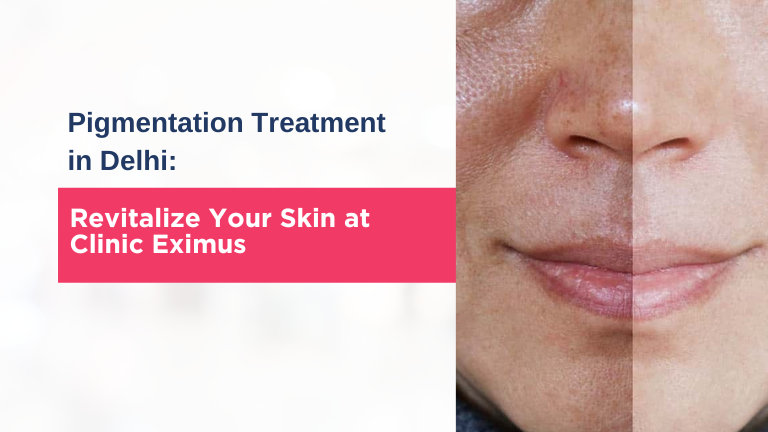
Pigmentation Treatment in Delhi: Revitalize Your Skin at Clinic Eximus

Pigmentation treatment in delhi

Are you struggling with uneven skin tone, dark spots, or pigmentation issues? If so, you’re not alone. Pigmentation concerns, such as sunspots, melasma, and post-inflammatory hyperpigmentation, affect many people. Thankfully, effective pigmentation treatment in Delhi is available, and Clinic Eximus is here to offer advanced solutions that can help you restore smooth, even-toned skin.

What Is Pigmentation and What Causes It?

Pigmentation refers to the coloring of the skin, which is primarily determined by the amount of melanin, the pigment that gives skin its color. When melanin production is excessive or uneven, it leads to pigmentation issues. Common types of pigmentation include:

  • Sunspots (Age Spots): Caused by prolonged sun exposure, leading to dark spots on areas like the face, hands, and shoulders.
  • Melasma: A hormonal pigmentation condition that typically occurs during pregnancy or due to birth control pills.
  • Post-inflammatory Hyperpigmentation: Dark spots or patches left behind after acne, burns, or injuries heal.

Why Choose Clinic Eximus for Pigmentation Treatment in Delhi?

At Clinic Eximus, we specialize in advanced dermatological treatments tailored to target pigmentation and provide long-lasting results. Our expert team, led by certified dermatologists, uses the latest technology and scientifically proven techniques to help you achieve clear, radiant skin.

Here’s why Clinic Eximus is the go-to choice for pigmentation treatment in Delhi:

1. Personalized Consultation

Each individual’s skin is unique, and so are their pigmentation concerns. At Clinic Eximus, we start by offering a personalized consultation to understand your skin type, the cause of your pigmentation, and your aesthetic goals. Our dermatologists will recommend the most suitable treatment plan tailored to your needs.

2. Advanced Treatment Options

We provide a range of treatments for pigmentation, including:

  • Laser Treatment: Lasers like Q-Switched Nd:YAG and Fractional CO2 lasers effectively target pigmentation by breaking down excess melanin, promoting smoother skin.
  • Chemical Peels: A non-invasive option that uses specially formulated acids to exfoliate the skin, reduce dark spots, and improve overall skin texture.
  • Microneedling: Using tiny needles to stimulate collagen production, microneedling helps to reduce pigmentation and even out skin tone.
  • Skin Lightening Facials: Special facials designed to reduce pigmentation and brighten the skin.

3. State-of-the-Art Technology

We use the latest, FDA-approved equipment that ensures safe and effective treatments. Our advanced technology allows us to provide non-invasive and minimally painful solutions for pigmentation, with minimal downtime.

4. Experienced Dermatologists

Our team consists of experienced dermatologists who are experts in treating various pigmentation conditions. With their in-depth knowledge and experience, they provide personalized care and the best outcomes for every patient.

5. Safe and Comfortable Environment

Clinic Eximus is committed to providing a comfortable and safe environment for all our patients. Our clinic adheres to the highest standards of hygiene and safety, ensuring that each treatment is carried out with precision and care.

How Much Does Pigmentation Treatment Cost in Delhi?

The cost of pigmentation treatment in Delhi varies based on several factors. Typically, the pricing depends on the type of treatment, the area being treated, and the number of sessions required. Here’s a brief overview of the key factors influencing the cost:

  • Treatment Type: Laser, chemical peel, or microneedling
  • Area Treated: Small or large areas
  • Severity of Pigmentation: Mild, moderate, or severe
  • Clinic Reputation: Experienced dermatologists and advanced equipment
  • Number of Sessions: More sessions may increase the cost
Treatment Cost per Session (INR)
Laser Treatment ₹5,000 – ₹15,000
Chemical Peels ₹3,000 – ₹8,000
Microneedling ₹4,000 – ₹12,000

Is Pigmentation Treatment Covered by Insurance?

In most cases, pigmentation treatment is considered a cosmetic procedure and is not covered by insurance. However, it’s always a good idea to check with your insurer, as some policies might cover treatments if the pigmentation is linked to an underlying medical condition.


Benefits of Pigmentation Treatment in Delhi at Clinic Eximus

  • Even Skin Tone: Say goodbye to dark spots and uneven pigmentation, and enjoy a smoother, more radiant complexion.
  • Non-Invasive Solutions: Our treatments are non-invasive, so you can get back to your daily routine with minimal disruption.
  • Long-Term Results: With the right treatment plan, pigmentation can be effectively reduced, and you can enjoy clear skin for months.
  • Boosted Confidence: Achieving an even skin tone can significantly improve your confidence, making you feel more comfortable in your own skin.

Aftercare Tips for Pigmentation Treatment in Delhi

After undergoing pigmentation treatment in Delhi at Clinic Eximus, follow these aftercare tips for optimal results:

  • Apply Sunscreen: Protect your skin from UV rays, which can trigger further pigmentation.
  • Stay Hydrated: Drink plenty of water to keep your skin healthy and glowing.
  • Avoid Harsh Products: Avoid using harsh skincare products or exfoliants immediately after treatment to allow your skin to heal.

Book Your Consultation Today

If you’re ready to say goodbye to pigmentation and restore your skin’s natural beauty, Clinic Eximus is here to help. Book your consultation with our expert dermatologists today and take the first step towards clear, glowing skin!


Lip Lightening Treatment in Delhi: Effective Solutions at Clinic Eximus

Lip Lightening Treatment in Delhi:

Are you troubled by dark or pigmented lips? Whether it’s caused by smoking, sun exposure, dehydration, or other factors, dark lips can affect your confidence. If you’re searching for effective Lip Lightening Treatment in Delhi, look no further than Clinic Eximus, the trusted name in advanced skin care solutions.

At Clinic Eximus, we combine modern dermatological techniques with personalized care to help you achieve naturally lighter, softer, and healthier lips. Let’s explore what makes us the go-to choice for treatment for dark lips in Delhi.

What Causes Dark Lips?

Understanding the root cause of lip pigmentation is crucial for effective treatment. Common factors include:

  • Lifestyle Habits: Smoking, excessive caffeine intake, and poor hydration.
  • Sun Exposure: Harmful UV rays can darken lip pigmentation.
  • Medical Conditions: Allergies, vitamin deficiencies, or hormonal imbalances.
  • Cosmetic Products: Prolonged use of low-quality lip products containing harsh chemicals.

If any of these factors resonate with you, it’s time to consider professional Dark Lips Treatment in Delhi to restore your lips’ natural beauty.

Lip Lightening Treatments Offered at Clinic Eximus

At Clinic Eximus, we offer a range of cutting-edge treatments tailored to suit individual needs. Here’s what sets us apart:

1. Chemical Peels for Lip Lightening

Our specialized chemical peels gently exfoliate the lip skin, removing pigmented layers and promoting the growth of fresh, lighter skin.

  • Safe and minimally invasive.
  • Customizable for varying levels of pigmentation.

2. Laser Lip Lightening

Using advanced laser technology, this treatment targets deep pigmentation and stimulates collagen production.

  • Long-lasting results.
  • Ideal for stubborn pigmentation caused by smoking or hormonal changes.

3. Lip Hydration Therapy

Dry and cracked lips can appear darker. Our hydration therapy restores moisture and improves lip texture for a plump and radiant appearance.

  • Perfect for dehydrated lips.
  • Non-invasive and relaxing.

4. Topical Lightening Creams

Clinically recommended creams with safe ingredients help maintain lightened lips post-treatment.

How Much Does Lip Lightening Treatment Cost in Delhi?

The Lip Lightening Treatment cost in Delhi typically ranges from ₹3,000 to ₹10,000 per session. The final cost depends on various factors, including:

  • Type of Treatment: Chemical peels, laser therapy, or topical creams.
  • Severity of Pigmentation: Deeper pigmentation may require additional sessions.
  • Clinic Location: Premium clinics in prime areas may charge more.
  • Technology Used: Advanced laser treatments tend to cost higher.
  • Dermatologist Expertise: Skilled specialists may charge a premium.

Approximate Cost Table

Treatment Type Cost Per Session (₹)
Chemical Peels 3,000 – 5,000
Laser Lip Lightening 7,000 – 10,000
Hydration Therapy 2,000 – 4,000

Is Lip Lightening Treatment Covered by Insurance?

Unfortunately, lip lightening treatment is considered a cosmetic procedure and is not covered by health insurance plans. However, some clinics may offer EMI options or packages for affordability.

For exact pricing and tailored recommendations, schedule a consultation at Clinic Eximus today!

Why Choose Clinic Eximus for Lips Lightening Treatment in Delhi?

With so many options available, why is Clinic Eximus the best choice for Lip Lightening Treatment in Delhi?

  1. Expert Dermatologists: Our team includes experienced skin specialists who customize treatments for optimal results.
  2. Advanced Technology: We use state-of-the-art equipment for precision and safety.
  3. Personalized Care: Each treatment plan is tailored to your unique skin type and pigmentation concerns.
  4. Affordable Pricing: Premium care doesn’t have to break the bank. Wondering how much does skin treatment cost? We provide transparent pricing with no hidden charges.
  5. Convenient Location: Easily accessible from all parts of Delhi.

What to Expect During Your Lip Lightening Session

  1. Consultation: Our dermatologist evaluates your lips, discusses concerns, and recommends the best treatment for dark lips in Delhi.
  2. Treatment: Depending on your needs, the chosen procedure will be performed in a safe, sterile environment.
  3. Aftercare: Post-treatment guidelines will be provided to ensure long-lasting results.

Frequently Asked Questions (FAQs)

1. Is lip lightening treatment safe?

Yes, all treatments at Clinic Eximus are dermatologically tested and performed under expert supervision, ensuring safety and efficacy.

2. How many sessions will I need?

The number of sessions depends on the severity of pigmentation. Typically, patients see results after 2-4 sessions.

3. Are the results permanent?

With proper aftercare and lifestyle modifications, results can be long-lasting. Regular maintenance may be recommended for some individuals.

4. Can I undergo treatment if I have sensitive skin?

Absolutely! Our treatments are customized to suit all skin types, including sensitive skin.

Book Your Lip Lightening Treatment Today!

Transform the appearance of your lips with expert care at Clinic Eximus. Say goodbye to pigmentation and hello to healthy, radiant lips.

Call us now or visit our clinic in Delhi to schedule your consultation. Your journey to flawless lips begins here!

Exosomes Treatment for Skin in Noida – Revolutionizing Skin Care

Are you looking for the latest breakthrough in skin rejuvenation? Exosome treatment for skin is an innovative and effective therapy that has taken the aesthetic industry by storm. At Clinic Eximus, located in Noida, we are proud to offer this cutting-edge solution to help you achieve youthful, glowing skin.

What Are Exosomes?

Exosomes in dermatology are tiny extracellular vesicles that play a crucial role in cellular communication. They are naturally secreted by cells and contain proteins, lipids, and RNA that help repair and regenerate tissue. In the realm of skin care, exosomes have shown promising results for skin rejuvenation, boosting collagen production, and improving skin texture and tone.

Unlike traditional treatments that only target the surface layers of the skin, exosome treatment for face works at a cellular level to accelerate skin healing and regeneration. By introducing exosomes directly into the skin, this treatment stimulates the body’s natural repair mechanisms and enhances skin health.

Benefits of Exosomes Treatment for Skin

  1. Boosts Collagen Production: Collagen is essential for maintaining skin elasticity and firmness. Exosome treatment for skin triggers the production of collagen, reducing fine lines and wrinkles, and promoting a smoother, more youthful complexion.
  2. Improves Skin Texture and Tone: If you have uneven skin tone or texture, exosome treatment for face can help balance and refine your skin, giving it a more even appearance.
  3. Reduces Pigmentation: Exosomes can effectively lighten dark spots, hyperpigmentation, and age spots by promoting healthy skin cell turnover.
  4. Repairs Damaged Skin: Whether your skin is suffering from acne scars, sun damage, or other skin conditions, exosome treatment for face accelerates the healing process and restores the skin’s natural vitality.
  5. Non-invasive and Safe: One of the most attractive aspects of exosome treatment for skin is that it is non-invasive, with minimal downtime. This makes it an excellent option for people with busy lifestyles who want to rejuvenate their skin without undergoing surgery.

Why Choose Clinic Eximus for Exosome Treatment in Noida?

At Clinic Eximus, we specialize in providing advanced skin care treatments that are tailored to meet the unique needs of each individual. Our experienced dermatologists and skin care experts use the latest technology and high-quality exosome products to deliver outstanding results.

  1. Expert Consultation: Before starting the treatment, we offer a comprehensive consultation to understand your skin concerns and goals. Our experts will guide you through the treatment options and ensure that exosome therapy is the best choice for your skin.
  2. Personalized Treatment Plans: No two skin types are the same, which is why we provide personalized treatment plans that cater specifically to your skin’s needs.
  3. State-of-the-Art Facility: Our clinic is equipped with the latest technology, ensuring that your exosome treatment for face is safe, effective, and comfortable.
  4. Proven Results: At Clinic Eximus, we have seen fantastic results with exosome treatment, with clients reporting smoother, brighter, and more youthful skin after just a few sessions.

What to Expect During Exosome Treatment

Exosome treatment for skin is quick, comfortable, and requires minimal downtime. The process typically involves:

  1. Consultation: Your dermatologist will assess your skin and discuss your concerns.
  2. Exosome Application: The exosomes are gently applied to the targeted areas using micro-needling or direct injection.
  3. Recovery: Most patients experience minimal redness or swelling, which fades within a few hours.

How Much Does Exosomes Treatment for Skin Cost in Noida?

The cost of exosome treatment for skin in Noida can vary depending on several factors. Typically, the price for a single session can range from ₹15,000 to ₹25,000. However, this is dependent on:

  • Treatment Area: Larger or more complex areas may cost more.
  • Number of Sessions: Multiple sessions can lower the per-session cost.
  • Clinic Expertise: Experienced dermatologists may charge higher fees.
  • Technology Used: Advanced equipment may increase treatment costs.

Here’s a general breakdown:

Treatment Area Cost per Session
Full Face ₹18,000 – ₹25,000
Eyes & Under Eyes ₹15,000 – ₹18,000
Neck & Décolletage ₹20,000 – ₹22,000

Is Exosome Treatment Covered in Insurance?

Currently, exosome treatment for skin is generally not covered by health insurance plans, as it is considered a cosmetic procedure. However, it’s always a good idea to check with your insurance provider for any potential coverage.

Who is an Ideal Candidate for Exosome Treatment?

Exosome therapy is suitable for anyone looking to improve their skin’s health, texture, and appearance. It’s particularly beneficial for individuals dealing with:

  • Fine lines and wrinkles
  • Sun damage
  • Hyperpigmentation
  • Acne scars
  • Uneven skin tone

Related Treatment: Exosomes for Hair Restoration
If you’ve already explored the benefits of Exosomes treatment for skin, you’ll be excited to know that Exosomes therapy works wonders for hair restoration too! Just like it rejuvenates the skin by delivering powerful growth factors, Exosomes for hair stimulate hair follicles, promoting natural growth and strengthening existing hair. Interested in learning how Exosomes can enhance your hair health? Check out our detailed guide on Exosomes Treatment for Hair in Noida to discover how this innovative therapy can help you achieve thicker, healthier hair.

How Much Does Skin Treatment Cost?

At Clinic Eximus, we understand that cost is an important consideration for our patients. The cost of skin treatment in Noida can vary depending on the type of treatment and the area being treated. If you are specifically interested in exosome treatment for face, the cost will depend on the number of sessions and the targeted areas.

For an accurate quote, we recommend scheduling a consultation to discuss your needs and get a personalized treatment plan.

Exosomes Treatment for Face Cost

The exosomes treatment for face cost may vary based on the complexity of the treatment and the technology used. We offer affordable pricing options and will provide a transparent breakdown of the costs during your consultation. The results, however, are worth the investment as you’ll notice a significant improvement in your skin’s texture, tone, and overall health.

Schedule Your Consultation at Clinic Eximus Today

Are you ready to experience the transformative benefits of exosome treatment for skin in Noida? At Clinic Eximus, we are committed to helping you achieve your skin goals with safe, effective, and innovative treatments. Book a consultation today and take the first step towards rejuvenating your skin.

Contact us at Clinic Eximus to learn more about how exosome treatment for face can enhance your skin’s health and appearance.

Does HydraFacial Brighten Skin? Benefits and Results Explained

hydra facial treatment

HydraFacial is a popular skincare treatment that many love for its effectiveness. This innovative procedure combines cleansing, exfoliation, and hydration, providing a refreshing experience for the skin. People often wonder, does HydraFacial brighten skin? The treatment aims to enhance your complexion, making it a sought-after option for those looking to achieve a radiant glow. Additionally, it offers other benefits, such as improved texture and hydration. Understanding what HydraFacial does to your skin can help you determine if it’s the right choice for your skincare needs. Let’s explore the details and answer your questions about this exciting treatment.

What Is HydraFacial?

HydraFacial is a popular facial treatment loved by many. This treatment involves a multi-step process that cleanses, exfoliates, and hydrates your skin. The treatment starts with cleansing to remove dirt and oil, followed by gentle exfoliation. Next, it includes extraction to clear out clogged pores. Finally, a hydrating serum is infused into the skin, leaving it plump and glowing. Many people choose HydraFacial for its immediate results and minimal downtime. Key benefits include improved skin tone, reduced fine lines, and enhanced hydration, making it a go-to choice for glowing skin.

Read More :- Hydrafacial Treatment: Advantages And Disadvantages

How Does HydraFacial Work on Your Skin?

During a HydraFacial treatment, your skin undergoes a revitalizing process. The combination of exfoliation and hydration helps to remove dead skin cells. As a result, your skin appears brighter and smoother. The treatment effectively addresses common concerns like dullness and uneven texture. It also aids in the treatment of wrinkles and acne.


The ingredients used in HydraFacial are essential for achieving these results. The serum typically contains antioxidants, peptides, and hyaluronic acid. These ingredients work together to nourish the skin and improve its overall appearance. The gentle yet effective process makes HydraFacial suitable for various skin types.

Does HydraFacial Brighten Skin?

Yes, HydraFacial has the ability to brighten skin effectively by removing compounds that make skin appear darker than its natural tone. This treatment works by deeply cleansing and exfoliating the skin, removing impurities and dead skin cells. By clearing away these compounds, HydraFacial reveals a more radiant complexion.

Additionally, HydraFacial helps to even out skin tone, reducing the appearance of dark spots, freckles, and hyperpigmentation. Many clients notice an immediate brightening effect after treatment. However, it’s essential to understand that while HydraFacial provides visible results, its effects can be temporary. Regular treatments can help maintain a brighter, more uniform complexion.

Effects on Pigmentation and Acne

HydraFacial can be effective for pigmentation removal. This treatment helps lighten dark spots and even skin tone through exfoliation and deep cleansing. It removes impurities that contribute to uneven pigmentation, making the skin look brighter.

When it comes to acne, HydraFacial benefits. It can help remove acne by unclogging pores and reducing inflammation. Moreover, regular treatments may improve the appearance of acne scars over time. After just a few sessions, a number of customers report noticeable changes. Before and after images often show significant changes in skin texture and clarity, showcasing HydraFacial’s effectiveness.

Read More :- Hydrafacial Step By Step Guide 

Is HydraFacial Bad for Your Skin?

Addressing common concerns, many wonder, “Does HydraFacial have side effects?” No, generally, HydraFacial is safe for most skin types. However, some individuals may experience mild redness or irritation immediately after treatment. These effects typically resolve quickly.

Certain skin types, like those with severe eczema or active rosacea, may react poorly to the treatment. It’s essential to consult a dermatologist before undergoing HydraFacial, especially if you have sensitive skin. This ensures that you receive a treatment tailored to your skin’s unique needs.

Conclusion

In summary, HydraFacial offers numerous benefits for brightening skin. The treatment effectively removes impurities and enhances overall complexion. Its ability to target pigmentation, acne, and dullness makes it a popular choice among skincare enthusiasts.

For those considering this treatment, it’s crucial to consult a top dermatologist in Delhi at Eximus Clinic for personalized advice. They can help tailor the treatment to your specific needs, ensuring optimal results for your skin. Don’t hesitate to take the first step toward radiant skin!


FAQs About HydraFacial & Brighten Skin

Many people have questions about HydraFacial treatments. Here are some common queries answered:


What does HydraFacial do to your face?
HydraFacial cleanses, exfoliates, and hydrates your skin. It helps improve your complexion and reduces dullness.


Is HydraFacial suitable for all skin types?
Yes, HydraFacial is safe for all skin types. It’s gentle enough for sensitive skin and effective for oily or acne-prone skin.


How often should you get a HydraFacial treatment?
For best results, consider getting a HydraFacial every 4-6 weeks. Regular treatments help maintain skin health and brightness.


How much does HydraFacial cost on average?
The average cost of a HydraFacial ranges from ₹1500 to ₹3000 per session. However, depending on the provider and location, prices may change.


Does any other treatment brighten skin more effectively?
While HydraFacial is effective, other treatments exist. Options include chemical peels or laser therapy for more intense results. Always consult a dermatologist for personalized recommendations.


Guide to Skin Whitening Treatment, Cost, Side Effects

Skin Whitening

Skin whitening treatment refers to a range of cosmetic procedures aimed at lightening the skin tone and reducing pigmentation. These treatments are designed to address common skin concerns such as dark patches, uneven skin tone, and melasma. In recent years, the demand for skin whitening treatments in Delhi has surged significantly, driven by societal beauty standards that often emphasize fairness and a flawless complexion.


With advancements in dermatological technology, people now have access to various effective options, from topical creams to advanced laser therapies. As a result, skin brightening treatment has become a popular choice for individuals seeking a brighter, more uniform skin tone. This trend reflects a broader cultural desire for enhanced beauty and self-confidence in today’s society.


Skin Whitening Treatments: Basics

Skin lightening treatment in Delhi refers to a variety of cosmetic procedures aimed at achieving a lighter skin tone and minimizing pigmentation. The primary goals of these treatments include promoting an even skin tone and reducing dark spots, hyperpigmentation, and other discolorations. By targeting these concerns, individuals can enhance their overall complexion and boost their self-confidence.


Key terms associated with this topic include skin lightening and skin bleaching. While skin lightening typically involves  pigmentation treatment help in  reducing pigmentation to achieve a brighter look, skin bleaching usually refers to a more aggressive approach aimed at significantly altering the skin color. Both methods aim to help individuals achieve their desired skin appearance.


A crucial factor in determining skin color is melanin, a natural pigment produced by melanocytes in the skin. Melanin comes in various forms, influencing the hue and tone of our skin. Higher melanin levels result in darker skin tones, while lower levels lead to lighter skin. Skin whitening treatments work by inhibiting melanin production or by breaking down existing melanin, leading to a lighter and more uniform complexion.


Today, there are numerous treatments available for skin whitening treatment , including topical creams, chemical peels, laser therapies, microdermabrasion, and skin whitening injections. Each treatment varies in its approach, effectiveness, and potential side effects, providing individuals with multiple options to achieve their desired skin tone.


Types of Skin Whitening Treatments

When it comes to achieving a lighter complexion, there are various skin whitening treatments available. Each method has unique characteristics, benefits, and potential side effects. Let’s explore some of the most common treatments.

Chemical Peels

Chemical peels are a popular option for lightening skin treatment. They involve applying a special solution to the skin, which exfoliates the outer layers and promotes new skin cell growth. There are three main types of chemical peels:


  • Superficial Peels: These use mild acids like glycolic acid to treat minor discoloration and are suitable for all skin types. They require no downtime, making them an attractive option for many.
  • Medium-Depth Peels: These use stronger acids, such as trichloroacetic acid, to address more pronounced issues like sun damage or uneven skin tone. A few days of recovery may be needed due to redness or flakiness.
  • Deep Peels: These involve potent agents like phenol and are used for severe skin conditions, such as deep wrinkles. They require significant downtime and can have more intense side effects, including bruising.


While chemical peels can provide noticeable results, it’s important to consult a dermatologist to determine the best type for your skin.

Laser Therapy

Laser skin lightening treatment is a modern approach to achieving a fairer complexion. This method uses concentrated light beams to target and break down melanin in the skin. There are several types of lasers used in this treatment:


  • Fractional Lasers: These create tiny injuries in the skin, prompting the body’s natural healing process and promoting collagen production. They help reduce dark spots and improve skin texture.
  • Q-Switched Lasers: Known for their ability to release high-energy light pulses, these lasers are effective for treating severe hyperpigmentation and melasma, often requiring multiple sessions for optimal results.
  • IPL Lasers (Intense Pulsed Light): These use a broad spectrum of light to target melanin and are commonly used for sun damage and various types of hyperpigmentation.


Laser therapy can effectively diminish dark spots and improve skin tone. However, it’s essential to follow pre- and post-treatment instructions to minimize the risk of side effects, such as redness or swelling.

Skin Whitening Injections

Skin whitening injections are another effective option for achieving a lighter complexion. These injections typically contain a blend of vitamins and other compounds that inhibit melanin production. The process usually begins with a consultation, where the dermatologist customizes the treatment based on individual skin type and concerns.


Initial treatments may be administered several times a week, then tapering to weekly sessions. Visible results often appear within six to eight weeks. While skin whitening injections can provide significant benefits, they may also lead to side effects, such as bruising or swelling at the injection site.

Carbon Peels

Carbon peels offer a non-invasive method for achieving clearer skin. During this procedure, a thin layer of carbon is applied to the skin. A laser is then used to target the carbon particles, which absorb light and help exfoliate dead skin cells. This treatment provides multiple benefits, including improved skin tone, reduced pigmentation, and enhanced collagen production.


One of the main advantages of carbon peels is their minimal downtime, making them convenient for those with busy lifestyles. However, mild side effects like redness or a tingling sensation may occur, which usually subside quickly.

Microdermabrasion

Microdermabrasion is a gentle, non-invasive procedure that exfoliates the outer layer of skin to improve texture and tone. This treatment actively reduces melanin production and helps achieve a brighter complexion. There are two primary types of microdermabrasion:


  • Crystal Microdermabrasion: This technique uses tiny crystals to remove dead skin cells and promote cell turnover.
  • Diamond Microdermabrasion: This method employs a diamond-tipped wand for a more controlled exfoliation.


Microdermabrasion is effective for addressing various skin concerns, including hyperpigmentation and fine lines. The procedure is relatively quick and requires little to no downtime. While side effects may include slight redness or swelling, they typically resolve within a few hours.


Cost of Skin Whitening Treatments

Understanding the cost of skin whitening treatments is essential for anyone considering these options. Treatment costs can vary significantly based on several factors, including the type of treatment, the clinic’s location, and the reputation of the provider.


Several key factors influence the overall cost of skin whitening treatments:


  • Type of Treatment: Different treatments have varying price points. For instance, laser treatments are generally more expensive than topical creams or chemical peels due to the technology and expertise required.
  • Location: The geographical location of the clinic can also impact costs. Clinics in metropolitan areas often charge higher prices compared to those in smaller towns or rural areas.
  • Clinic Reputation: The experience and reputation of the clinic or dermatologist can influence pricing. Established clinics with a proven track record may charge more for their services, reflecting their expertise and the quality of care provided.

Breakdown of Costs by Treatment Type

Here’s a detailed breakdown of costs for different skin whitening treatments:


Treatment Type Cost Range (INR)
Topical Treatments 200 to 2,000
Chemical Peels 1,500 to 10,000+ per session
Laser Treatments 10,000 to 50,000+ per session
Injections 5,000 to 20,000+ per session


This table provides a quick reference for those looking to explore various whitening skin treatments. Always consult with a qualified dermatologist to discuss your options and get a clearer understanding of what to expect in terms of cost and results.


Effects of Skin Whitening Treatments

The effects of skin whitening treatments can vary significantly based on the type of treatment chosen. Understanding these effects can help individuals make informed decisions regarding their skin care.

Quick Results

One of the most appealing aspects of skin whitening treatments is their ability to deliver quick results. Many procedures, like chemical peels and laser therapy, can show visible improvements in just a few sessions. This convenience makes these treatments attractive for individuals seeking rapid enhancements in their skin tone without the lengthy commitment often associated with traditional skincare products.

Effectiveness

The effectiveness of skin whitening treatments varies among different methods. For instance, laser treatments are often considered the most effective for significant pigmentation issues and uneven skin tones. On the other hand, topical treatments may take longer to show results and can be less effective for deeper skin concerns. Understanding these effectiveness levels is crucial in choosing the right treatment for your specific needs.

Addressing Skin Issues

Skin whitening treatments can address various specific skin concerns, such as:


  • Acne Scars: Many treatments, including laser therapy and chemical peels, can reduce the appearance of acne scars, promoting a smoother complexion.
  • Dark Patches: Treatments effectively lighten hyperpigmented areas, helping to achieve a more uniform skin tone.
  • Uneven Skin Tone: Many procedures target overall skin tone, leading to a more consistent appearance.


These targeted effects make skin whitening treatments appealing for those looking to resolve specific skin issues.

Recovery Process

The recovery process after skin whitening treatments depends on the chosen method. For example:


  • Chemical Peels: Superficial peels typically require little to no downtime, while medium and deep peels may need several days for redness and peeling to subside.
  • Laser Treatments: Recovery can vary from a few days to a couple of weeks, depending on the treatment’s intensity. Post-treatment care, such as moisturizing and sun protection, is vital to ensure optimal healing.


Patients should follow their dermatologist’s aftercare instructions closely to minimize any potential side effects and promote healing.

Psychological Impact

Beyond the physical effects, skin whitening treatments can have a significant psychological impact. Many individuals report a boost in confidence and self-image following successful treatments. The improvement in skin tone can enhance feelings of attractiveness and self-worth, fostering a positive relationship with one’s appearance. This boost in confidence can influence various aspects of life, from personal relationships to professional opportunities.


Side Effects and Risks Skin Whitening Treatment

While skin whitening treatments can offer significant benefits, they are not without potential side effects and risks. Understanding these can help individuals make informed decisions about their skincare options.

Common Side Effects 

Different treatment types come with their own set of common side effects:

  • Chemical Peels: Patients may experience redness, peeling, and mild irritation. Superficial peels typically have minimal downtime, while medium and deep peels may cause more pronounced effects.
  • Laser Therapy: Common side effects include swelling, redness, and discomfort at the treatment site. In some cases, patients may also experience changes in skin pigmentation, especially with deeper skin laser lightening treatments.
  • Skin Whitening Injections: Possible side effects include swelling at the injection site, allergic reactions, and changes in skin texture.
  • Carbon Peels: While minimally invasive, some individuals might experience slight redness and a tingling sensation post-treatment.
  • Microdermabrasion: Common side effects can include temporary redness and sensitivity, though these typically subside quickly.

Given the varied side effects associated with each type of treatment, consulting a qualified dermatologist before proceeding is crucial. They can provide personalized advice and recommendations based on individual skin types and concerns.

Long-Term Effects

It is also important to consider the potential long-term effects of whitening skin treatments. While many people achieve their desired results, prolonged use of certain treatments may lead to skin thinning, increased sensitivity, or even dependency on these procedures for maintaining skin tone. Therefore, maintaining realistic expectations and regular consultations with a dermatologist is vital.

Natural Alternatives to Skin Whitening Treatments

For those seeking a gentler approach, there are several natural alternatives to skin whitening treatments that can be effective with fewer side effects. Here are some notable natural ingredients:

  • Vitamin C: Known for its brightening properties, Vitamin C can help improve skin tone and reduce pigmentation. It is found in many serums and creams and is effective as a natural lightening skin treatment.
  • Kojic Acid: Derived from fungi, kojic acid inhibits melanin production, making it a popular ingredient in skin whitening therapy. It is often used in creams and serums aimed at evening out skin tone.
  • Turmeric: This vibrant spice contains curcumin, which is known for its anti-inflammatory and skin-lightening properties. Turmeric can be used in masks or taken as a supplement to help improve overall skin tone.

Effectiveness and Side Effects

While these natural ingredients can be effective, their results may not be as rapid or pronounced as those achieved through traditional treatments like whitening laser treatments for skin. Additionally, natural options typically have fewer side effects, making them suitable for a broader range of skin types. However, they do require patience and consistency to see significant improvements.

Conclusion

In recent years, the popularity of skin whitening treatments has surged, reflecting society’s ongoing pursuit of an even skin tone and a flawless appearance. With a variety of options available, from chemical peels to skin laser lightening treatments, individuals have more choices than ever before. However, the journey to achieving your desired skin tone must be approached with caution and awareness.

It is essential to make informed decisions about these treatments. Each option comes with its unique benefits and risks, and understanding these can significantly impact your experience and results. Consulting with qualified professionals can provide personalized advice tailored to your skin type and specific concerns, ensuring that you choose the best path forward.

If you’re considering skin whitening treatments, book an appointment with Clinic Eximus in Delhi, the best dermatology center, to receive expert guidance and tailored treatment plans for your skincare journey.


FAQs about Skin Whitening Treatment

  1. Is laser treatment good for skin whitening?
    Yes, laser treatment is an effective option for achieving fairer skin, especially Q-switched laser therapy, which is one of the best treatments available.
  2. How long does laser skin whitening last?
    The results of laser skin whitening can last from 6-9 months to a few years, depending on individual skin types and maintenance care.
  3. What is the cost of laser skin whitening in Delhi?
    The cost of laser skin lightening in Delhi typically ranges between INR 4,000 to INR 30,000, depending on the specific treatment and clinic.
  4. What is the best treatment for whitening skin?
    The most effective treatments for skin whitening include CO2 laser and Q-switched laser, both of which provide significant results for individuals seeking a lighter complexion.


How to Remove Pigmentation from the Face Permanently?

Remove pigmentation

Pigmentation, the darkening of the skin due to excess melanin production, is a common skin concern that can affect anyone. While pigmentation is usually harmless, it can be a source of frustration for those seeking clear, even-toned skin. If you’re looking to remove pigmentation from your face permanently, this guide will provide you with effective strategies and treatments to achieve lasting results.

How Facial Pigmentation Form?

Facial pigmentation can manifest in various forms, including:

  • Melasma: Often triggered by hormonal changes, melasma appears as dark, irregular patches on the face, particularly on the cheeks, forehead, and upper lip.
  • Post-Inflammatory Hyperpigmentation (PIH): This occurs after an injury or inflammation, such as acne, leaving dark spots where the skin has healed.
  • Sunspots (Solar Lentigines): These are flat, brown spots caused by prolonged sun exposure, typically appearing on areas frequently exposed to the sun.

Causes of Facial Pigmentation

Understanding the causes of pigmentation is essential for effective treatment:

  • Sun Exposure: Ultraviolet (UV) rays from the sun can trigger an increase in melanin production, leading to sunspots and worsening existing pigmentation.
  • • Hormonal Changes: Melasma may result from hormonal changes, particularly during pregnancy or when taking birth control tablets.
  • Skin Injuries: Acne, cuts, or burns can cause PIH as the skin heals and produces excess melanin in the affected areas.
  • Genetics: Some people are more prone to pigmentation due to genetic factors.

Permanent Solutions for Removing Pigmentation

Achieving permanent removal of facial pigmentation requires a combination of professional treatments, home care, and lifestyle changes. Here are some of the most effective methods:

1. Laser Treatments

Laser therapy is one of the most effective ways to remove pigmentation permanently. Different types of lasers target and break down the excess melanin in the skin:

  • Fractional Lasers: These lasers treat only a fraction of the skin at a time, promoting new skin growth and reducing pigmentation with minimal downtime.
  • Q-Switched Laser: This laser is effective for treating deeper pigmentation like melasma by shattering the pigment particles, which are then naturally removed by the body.
  • IPL (Intense Pulsed Light) Therapy: Though not a laser, IPL uses light energy to target pigmented areas, reducing their appearance over time.

2. Chemical Peels

Chemical peels involve applying a solution to the skin that exfoliates the outer layers, revealing fresher, lighter skin beneath. Different types of peels can be used based on the severity of pigmentation:

  • Glycolic Acid Peels: These are effective for mild pigmentation and work by removing the outer layer of the skin.
  • TCA (Trichloroacetic Acid) Peels: These are stronger peels that penetrate deeper into the skin to treat more stubborn pigmentation.

3. Topical Treatments

Topical creams and serums can be used to gradually lighten pigmentation:

  • Hydroquinone: This is a powerful skin-lightening agent that reduces melanin production and fades dark spots. It should be used under the guidance of a dermatologist.
  • Retinoids: Retinoids promote cell turnover and can help lighten pigmentation over time. They are often used in conjunction with other treatments for best results.
  • Vitamin C: A potent antioxidant, Vitamin C can inhibit melanin production and brighten the skin, making it effective for treating pigmentation.

4. Microneedling

Microneedling involves using fine needles to create micro-injuries in the skin, stimulating collagen production and helping to break down pigmentation. This treatment can be combined with other therapies like topical serums for enhanced results.

5. Cryotherapy

Cryotherapy involves freezing the pigmented areas with liquid nitrogen, causing the pigmented skin cells to die and eventually slough off. This treatment is particularly effective for sunspots.

6. Professional Skincare Products

Incorporating professional-grade skincare products into your daily routine can help maintain results and prevent new pigmentation from forming:

  • Broad-Spectrum Sunscreen: Daily use of a broad-spectrum sunscreen with SPF 30 or higher is crucial to protect against UV rays and prevent pigmentation from worsening.
  • Exfoliants: Regular exfoliation with products containing AHAs (Alpha Hydroxy Acids) or BHAs (Beta Hydroxy Acids) can help remove dead skin cells and improve the effectiveness of other treatments.

Preventing Pigmentation Recurrence

Achieving permanent results requires ongoing maintenance and preventative care:

  • Sun Protection: Consistent use of sunscreen, wide-brimmed hats, and sunglasses is essential to protect your skin from UV rays.
  • Healthy Lifestyle: A balanced diet, adequate hydration, and avoiding triggers like excessive sun exposure or picking at the skin can help maintain even skin tone.
  • Regular Skin Check-Ups: Regular visits to your dermatologist can help monitor your skin’s condition and address any new pigmentation issues early.

Conclusion

Removing pigmentation from the face permanently is achievable with the right combination of professional treatments, home care, and preventative measures. By understanding the causes and taking proactive steps, you can enjoy clear, even-toned skin. If you’re struggling with pigmentation, consult with a dermatologist to determine the best treatment plan tailored to your specific needs. Our clinic offers a range of advanced treatments designed to help you achieve lasting results and regain your confidence.


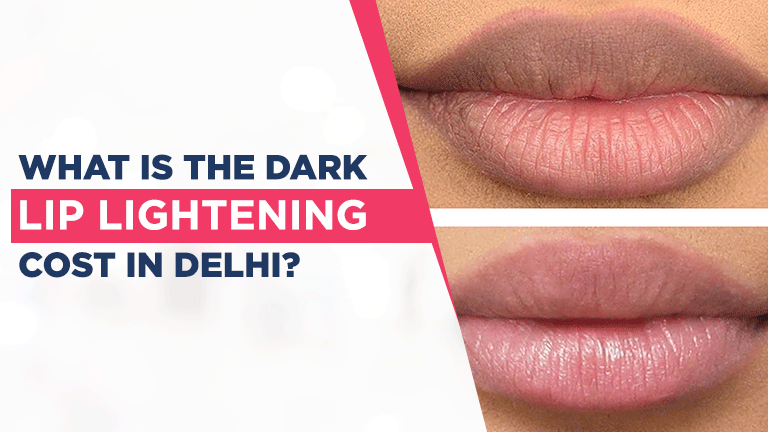
What is the Dark Lip Lightening Cost in Delhi?

Dark lips Treatment

Many people in Delhi are looking for dark lip lightening treatments. This is because they want to improve the appearance of their lips. One big question they often have is about the cost. The dark lip lightening price can vary a lot. People want to know the exact cost of dark lip lightening and if there are any affordable dark lip lightening options available. This blog will help answer these questions and give a clear idea of the dark lip lightening treatment cost in Delhi.

Factors Affecting Dark Lip Lightening Costs

Here are four major factors that directly affect the cost of dark lip lightening treatment in Delhi –

Type of Treatment:

Different types of treatments for dark lips come with different price tags. Natural remedies, like home-based treatments, are generally cheaper. However, they may take longer to show results. On the other hand, medical treatments such as laser therapy and chemical peels are more expensive but deliver quicker and more noticeable results.

Clinic or Doctor Expertise:

The cost can also depend on the expertise of the clinic or dermatologist in Delhi. Clinics with a strong reputation and experienced professionals often charge higher fees. They may offer advanced techniques and better results, which can justify the higher cost.

Location and Clinic Facilities:

Where the clinic is located can impact the price. Clinics situated in upscale or high-end areas of Delhi usually have higher prices due to their location and luxurious facilities. In contrast, clinics located in less commercial or suburban areas might offer more affordable options without compromising on quality.

Number of Sessions Required:

The total cost can increase if multiple sessions are needed for effective dark lip lightening. Each session adds to the overall expense. The need for several treatments to achieve the best results means that the final cost could be higher than initially expected.

Dark Lip Lightening Treatment Costs in Delhi: Treatment Types

The average dark lip lightening treatment costs between INR 3500 and INR 15000, depending on the target area size, treatment types, and number of sessions. 

Simple Table of Dark Lip Lightening Treatment Cost in Delhi:

Treatment Cost
Laser Treatment ₹15,000 to ₹30,000 per session
Chemical Peels ₹5,000 to ₹10,000 per session
Over-the-Counter Creams/Serums ₹500 to ₹2,000
Prescription Creams ₹3,000 to ₹6,000
At-Home Kits ₹1,000 to ₹3,000

Laser Treatment:

Laser treatment for dark lips is a popular option. The cost of laser treatment in Delhi usually ranges from ₹15,000 to ₹30,000 per session. Factors affecting the price include the type of laser used, the number of sessions needed, and the clinic’s location and reputation. Advanced laser technology and experienced staff often come with a higher price tag.

Chemical Peels:

Chemical peels are another option for lightening dark lips. The cost per session generally falls between ₹5,000 and ₹10,000. Additional expenses might include follow-up care and any special products needed to help with healing. Some clinics may offer packages that reduce the cost per session if multiple treatments are required.

Topical Creams or Serums:

Topical creams and serums can be used to lighten dark lips. Over-the-counter options usually cost between ₹500 and ₹2,000. Prescription creams, while more costly, typically range from ₹3,000 to ₹6,000. Prescription creams often offer stronger ingredients and potentially better results. It’s important to choose the right product based on your specific needs and budget.

At-Home Kits vs. Professional Treatments:

At-home kits for dark lip lightening are often more affordable, with prices ranging from ₹1,000 to ₹3,000. They are convenient and can be used at your own pace. However, their effectiveness might be limited compared to professional treatments. Professional treatments, such as those done in a clinic, generally cost more but provide quicker and more noticeable results.

Additional Costs to Consider for Lip Lightening Treatment

Here are the additional or miscellaneous costs everyone should keep in mind while going for lip lightening treatment in Delhi.

Consultation Fees:

Many clinics charge separately for the initial consultation. This fee can range from ₹1,000 to ₹3,000. The consultation helps determine the best treatment plan and gives a clear idea of the overall cost.

Post-Treatment Care:

After your dark lip lightening treatment, you may need additional care. This could include follow-up visits or special products to help with healing. The costs for post-treatment care can vary, typically ranging from ₹2,000 to ₹5,000 depending on the type of care required.

Maintenance Treatments:

To maintain the results of your dark lip lightening treatment, you might need ongoing treatments or touch-ups. These maintenance sessions can add to your overall cost. Expect to pay around ₹5,000 to ₹10,000 per session for touch-ups or regular maintenance treatments.

Affordable Options for Dark Lip Lightening in Delhi

Although the cost of lip lightening procedures in Delhi may seem reasonable to some, many of you may wish for even more affordable choices. Thus, these three methods will help you assess and schedule dermatologists or clinics. 

Clinics or Dermatologists Offering Affordable Packages:

In Delhi, several clinics and dermatologists offer affordable packages for dark lip lightening. These packages often include multiple treatment sessions at a reduced rate, which can make the overall cost more manageable. Clinics like Eximus Clinic are known for their budget-friendly options without compromising on quality. They provide effective treatments at competitive prices, making them a great choice for those looking for value.

Comparison of Low-Cost Clinics vs Premium Services:

When comparing low-cost clinics to premium services, there are a few things to consider. Low-cost clinics may offer basic treatments at a more affordable price, but they might not have the latest technology or highly experienced staff. Premium clinics, on the other hand, typically offer advanced treatments and higher-quality care, but at a higher cost. While premium services can provide faster and more noticeable results, it’s important to balance the cost with the level of care you receive.

Discounts, Promotions, or Financing Options Available:

Many clinics in Delhi offer various discounts, promotions, and financing options to help make treatments more affordable. Discounts can often be found during special promotions or seasonal offers. Additionally, some clinics provide financing options or payment plans, allowing you to spread out the cost of treatment over time. These options can significantly ease the financial burden and make it easier to access the dark lip lightening treatments you need. Always inquire about any current offers or flexible payment plans to find the best deal.

Tips for Selecting the Best Clinic in Delhi for Lip Treatment

  1. Verify the dermatologist’s qualifications and certifications.
  2. Check if the clinic meets hygiene and safety standards.
  3. Read patient reviews to gauge satisfaction and results.
  4. Research the clinic’s overall reputation and success rates.
  5. Ask about the treatment options available for your needs.
  6. Inquire about the total cost, including any additional fees.
  7. Find out what post-treatment care and follow-up are provided.

Conclusion

The cost of dark lip lightening can change based on your treatment choice and personal needs. Different treatments have different prices, and your overall cost will depend on what you choose. For the best results and exact pricing, it’s a good idea to talk to a professional. They can give you personalized advice and help you find the best option for you.

Ready to brighten your smile? At Eximus Clinic, we offer expert dark lip lightening treatments tailored just for you. Contact us today to schedule your consultation and discover how we can help you achieve the look you desire. Call now or visit our website to learn more!


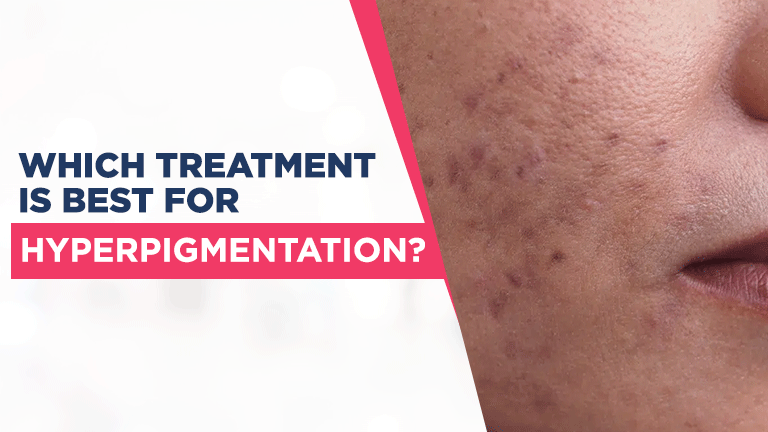
Which Treatment is Best for Hyperpigmentation?

A common skin condition called hyperpigmentation is defined by the darkening of specific skin areas as a result of an overabundance of melanin, the pigment that gives skin its color. This condition can affect people of all skin types and can appear on various parts of the body, including the face, hands, and other areas frequently exposed to the sun. 

Understanding the various treatment options for hyperpigmentation is crucial for effectively managing the condition and achieving clearer, more even-toned skin. Treatment effectiveness can vary based on the type and cause of hyperpigmentation, as well as individual skin type and tone. With a range of available treatments, from topical creams to advanced dermatological procedures, knowing the most suitable options helps in making informed decisions and setting realistic expectations. 

Types of Hyperpigmentation

Hyperpigmentation can manifest in several distinct forms, each with unique characteristics and underlying causes:

Post-inflammatory Hyperpigmentation (PIH):

Post-inflammatory hyperpigmentation (PIH) occurs when the skin darkens following an injury or inflammation, such as acne, eczema, or a burn. The affected area produces more melanin as it heals, leading to darker patches that can persist for months or even years.

Melasma:

Melasma is characterized by larger, darker patches typically found on the face. It is often triggered by hormonal changes, such as those occurring during pregnancy (often referred to as “the mask of pregnancy”) or with the use of oral contraceptives. Sun exposure can exacerbate melasma, making it more challenging to treat.

Sunspots (Solar Lentigines):

Sunspots, also known as solar lentigines or liver spots, are small, darkened patches that develop on areas frequently exposed to the sun, like the face, hands, shoulders, and arms. They are most common in older adults and are caused by prolonged ultraviolet (UV) radiation exposure.

Age Spots:

Age spots, often overlapping with sunspots, appear as flat, dark areas on the skin. They typically occur in individuals over 50 and result from the cumulative effects of sun exposure over time. Unlike sunspots, age spots are directly related to the aging process.

Causes and Risk Factors in Hyperpigmentation

Hyperpigmentation can result from various factors, with some people being more predisposed due to their skin type or genetic makeup:

Sun Exposure:

One of the most significant contributors to hyperpigmentation is sun exposure. UV rays stimulate the production of melanin as a protective response, leading to darkened areas over time. Consistent use of sunscreen can help mitigate this risk.

Hormonal Changes:

Hormonal fluctuations, particularly during pregnancy, menopause, or with the use of certain medications like birth control pills, can lead to hyperpigmentation. These hormonal changes can stimulate an increase in melanin production, causing conditions like melasma.

Skin Injuries and Inflammation:

Any injury or inflammation, such as cuts, burns, acne, or eczema, can trigger an overproduction of melanin in the healing process, resulting in post-inflammatory hyperpigmentation. This type is common in individuals with darker skin tones, who naturally have more active melanocytes.

Genetic Predisposition:

Genetics play a crucial role in determining how susceptible an individual is to hyperpigmentation. People with a family history of hyperpigmentation disorders are more likely to develop similar conditions, especially when exposed to the same environmental triggers.

Topical Treatments

Topical treatments are a popular and accessible option for managing hyperpigmentation. These treatments can be divided into over-the-counter (OTC) and prescription options, each offering various active ingredients and benefits.

Over-the-counter (OTC) Options

OTC treatments for hyperpigmentation often contain ingredients that help lighten dark spots and even out skin tone. Here are some common and effective ingredients:

Vitamin C: 

Known for its antioxidant properties, vitamin C helps reduce melanin production and brightens the skin. It also protects against UV damage, making it a valuable addition to any skincare routine.

  • Benefits: Brightens skin, reduces dark spots, protects against UV damage.
  • Limitations: Can be unstable in some formulations, may cause irritation in sensitive skin.

Retinoids: 

Derived from vitamin A, retinoids increase cell turnover, promoting the shedding of pigmented skin cells and the growth of new, evenly pigmented skin.

  • Benefits: Promotes cell turnover, reduces fine lines and wrinkles, improves skin texture.
  • Limitations: Can cause dryness and irritation, especially in the initial stages of use.

Niacinamide: 

Also known as vitamin B3, niacinamide inhibits the transfer of melanin to skin cells, helping to prevent and reduce the appearance of dark spots.

  • Benefits: Reduces dark spots, improves skin barrier function, reduces inflammation.
  • Limitations: Generally well-tolerated, but results can take time to appear.

Licorice Extract: 

Contains glabridin, which helps to inhibit melanin production and reduce pigmentation. It also has anti-inflammatory properties.

  • Benefits: Reduces pigmentation, soothes inflammation.
  • Limitations: Results may take longer to appear compared to stronger treatments.

Prescription Options

For more stubborn or severe cases of hyperpigmentation, dermatologists may prescribe stronger treatments. These options typically have higher concentrations of active ingredients and require medical supervision.

Hydroquinone: 

A potent skin lightener that inhibits tyrosinase, an enzyme crucial for melanin production. It’s considered one of the most effective treatments for hyperpigmentation.

  • Benefits: Highly effective at reducing dark spots, works relatively quickly.
  • Potential Side Effects: Can cause irritation, redness, and, with prolonged use, a potential risk of ochronosis (a bluish-black discoloration).

Tretinoin: 

A powerful retinoid that promotes cell turnover and helps fade hyperpigmentation by accelerating the removal of pigmented cells.

  • Benefits: Effective for acne treatment as well, improves skin texture, reduces fine lines.
  • Potential Side Effects: Can cause dryness, peeling, redness, and increased sensitivity to the sun.

Azelaic Acid:

Naturally found in grains, azelaic acid helps to reduce inflammation and hyperpigmentation. It also has antibacterial properties, making it useful for acne-prone skin.

  • Benefits: Reduces pigmentation and inflammation, well-tolerated by most skin types.
  • Potential Side Effects: Mild irritation, dryness, and itching.

Corticosteroids: 

Often combined with other treatments like hydroquinone, corticosteroids help to reduce inflammation and can enhance the effectiveness of other depigmenting agents.

  • Benefits: Reduces inflammation, enhances the effectiveness of other treatments.
  • Potential Side Effects: Long-term use can lead to thinning skin, increased risk of skin infections, and other side effects.

Topical treatments offer a range of options for addressing hyperpigmentation, from mild OTC products to potent prescription medications. Understanding the benefits and limitations of each can help in selecting the most appropriate treatment for individual needs and skin types.

Professional Treatments

For those seeking more immediate and pronounced results, professional treatments for hyperpigmentation are available. 

Chemical Peels

Chemical peels involve applying a chemical solution to exfoliate the skin. There are three types: superficial, medium, and deep peels. Superficial peels use mild acids for gentle exfoliation, with minimal downtime. Medium peels use stronger acids, suitable for moderate hyperpigmentation, requiring a recovery period of a week or more. Deep peels employ potent acids for severe cases and demand an extended recovery period. These peels work by exfoliating the top skin layers, promoting new skin growth, and results can range from mild redness for superficial peels to significant peeling for deep peels.

Laser Therapy

Laser therapy utilizes concentrated light beams to target and break down pigmented cells. Fractional lasers target small areas of the skin, promoting collagen production with minimal downtime. Q-switched lasers break down melanin without damaging surrounding tissue, making them effective for treating dark spots. Lasers work by breaking down melanin and stimulating collagen production, offering precise targeting and improved skin texture. The recovery period varies, ranging from a few days to a couple of weeks, depending on the laser type.

Microdermabrasion and Dermabrasion

Microdermabrasion involves gentle exfoliation using a handheld device with fine crystals or a diamond tip, suitable for all skin types with minimal downtime. Dermabrasion is a more intensive procedure using a rotating instrument to remove deeper skin layers, typically recommended for severe cases and lighter skin tones to minimize scarring risks. Microdermabrasion results in smoother skin with minimal recovery, while dermabrasion offers significant improvement in severe hyperpigmentation but requires a longer recovery period with redness and swelling lasting several weeks.

Microneedling

Microneedling uses fine needles to create micro-injuries in the skin, stimulating collagen production and enhancing the absorption of topical treatments. This process effectively treats various types of hyperpigmentation, especially when combined with serums like vitamin C or hyaluronic acid. Post-treatment care includes avoiding sun exposure, using gentle skincare products, and keeping the skin hydrated. Redness and mild swelling are common immediately after treatment, typically subsiding within a few days, resulting in improved skin texture and reduced pigmentation.

Natural and Alternative Treatments

Home remedies for hyperpigmentation often involve natural ingredients that are believed to lighten dark spots and even out skin tone. Popular ingredients include aloe vera, turmeric, and apple cider vinegar. 


  • Aloe vera contains aloin, a natural depigmenting compound that can lighten skin. 
  • Turmeric has anti-inflammatory and antioxidant properties, which can help reduce hyperpigmentation. 
  • Apple cider vinegar contains acetic acid, which may lighten pigmentation. 

However, while some evidence supports the efficacy of these ingredients, their results can be inconsistent, and safety considerations are important. It is crucial to perform patch tests before use to avoid irritation or allergic reactions.

Ayurvedic and Traditional Medicine

Ayurvedic and traditional medicine practices offer various treatments for hyperpigmentation using natural herbs and remedies. Common practices include the use of herbs like manjistha (Rubia cordifolia), neem, and sandalwood. These herbs are often applied as pastes or oils to the skin to reduce pigmentation. 

Scientific support for these treatments varies; while some studies suggest their efficacy, comprehensive clinical evidence is often limited. Safety profiles of these treatments are generally good, especially when used in their natural forms. 

However, as with all treatments, it is essential to consult with a healthcare professional before starting any new regimen to ensure it is safe and appropriate for individual skin types and conditions.

Preventive Measures to Take in Hyperpigmentation

  1. Apply sunscreen with SPF 30 or higher daily to protect against both UVA and UVB rays.
  2. Reapply every two hours, especially after swimming or sweating.
  3. Avoid direct sun exposure during peak hours (10 a.m. to 4 p.m.) to minimize UV exposure.
  4. Use hats, sunglasses, and long-sleeved clothing to shield skin from the sun.
  5. Incorporate products with vitamin C, niacinamide, and retinoids to help reduce and prevent pigmentation.
  6. Use gentle exfoliants to remove dead skin cells and promote even skin renewal.
  7. Maintain skin hydration with a good moisturizer to support overall skin health and barrier function.

Conclusion:

In short, topical therapies like creams, serums, and lotions are the most common treatment for hyperpigmentation. However, when combined with professional treatments like chemical peels, laser therapy, microdermabrasion, and microneedling, you can achieve faster and more pronounced results.


These treatments offer a range of options to address different types and severities of hyperpigmentation. Topical treatments provide accessible and targeted solutions, while professional interventions can enhance and accelerate skin improvement. Natural and alternative remedies can also complement these approaches, but it should be used with caution and awareness of their varying effectiveness.


Finally, for expert guidance and advanced treatments to tackle hyperpigmentation, visit Eximus Clinic. Our team of specialists will help you achieve clearer, more radiant skin with personalized care and advanced solutions. Book your appointment now!