Are Rhinoplasty Results Permanent?

Are Rhinoplasty Results Permanent?
Rhinoplasty is a transformative surgical procedure aimed at reshaping the nose to improve its appearance and function. People seek nose job, commonly referred to as a nose job, for a variety of reasons, including congenital deformity correction, Rhinoplasty treatment in delhi , and facial harmony enhancement, regardless of whether they are driven by medical or aesthetic goals.

One of the foremost concerns potential patients have is the permanence of rhinoplasty results. Understanding the longevity of these results is crucial for setting realistic expectations and making informed decisions about undergoing the procedure. This article explores whether rhinoplasty results are permanent, exploring the factors that influence the outcome and how long-lasting changes can be achieved.

Definition of Rhinoplasty Procedure:

Rhinoplasty is a surgical procedure designed to alter the shape, size, and structure of the nose shaping . This operation can address both aesthetic and functional concerns, helping individuals achieve a nose that complements their facial features or improves their breathing. Rhinoplasty can involve modifications to the bone, cartilage, skin, or all three, depending on the desired outcome.

Different Types of Rhinoplasty

  • Cosmetic Rhinoplasty:
      • Focuses on enhancing the appearance of the nose.
      • Common goals include reshaping the nasal tip, reducing the size of the nose, straightening a crooked nose, and removing bumps or humps.
      • Patients seek this type of rhinoplasty to achieve better facial symmetry and boost self-confidence.
  • Functional Rhinoplasty:
      • Aims to improve nasal function and breathing.
      • Addresses issues such as a deviated septum, nasal valve collapse, or other structural problems that hinder airflow.
      • Often combined with cosmetic rhinoplasty to achieve both functional and aesthetic benefits.
  • Reconstructive Rhinoplasty:
    • Focuses on restoring the nose’s structure and appearance after trauma or injury, or to correct congenital deformities.
    • Can involve complex procedures to rebuild nasal tissues using grafts from other parts of the body.
    • Essential for patients who have suffered significant nasal damage or who were born with nasal abnormalities.

Factors Influencing Rhinoplasty Results

Understanding the factors influencing them helps patients make informed decisions and prepare for their transformative journey toward a more functional and aesthetically pleasing nose.

Surgical Technique and Expertise

The success of a rhinoplasty procedure heavily depends on the surgical technique and the expertise of the surgeon. Choosing a skilled and experienced surgeon is crucial because they bring a deep understanding of nasal anatomy and aesthetics, ensuring the procedure is tailored to the patient’s unique facial features and goals. 

An experienced surgeon can effectively plan the surgery, execute it with precision, and manage postoperative care to optimize the outcomes. Different techniques, such as open rhinoplasty, which involves an external incision for better visibility, or closed rhinoplasty, with incisions made within the nostrils for no visible scars and a shorter recovery period, can significantly impact the final results. The choice of technique depends on the specific modifications needed and the surgeon’s proficiency with those methods.

Healing Process

The healing process after rhinoplasty is a critical factor that influences the final results. Initially, patients can expect significant swelling and bruising around the nose and eyes, which is normal and typically peaks within the first few days post-surgery. This initial swelling and bruising gradually subside over the following weeks. 

However, long-term healing continues for several months, with subtle changes in the nose’s shape and definition occurring as residual swelling diminishes and tissues settle. Full refinement of the nose can take up to a year or more, highlighting the importance of patience and adherence to postoperative care instructions.

Patient’s Skin Type and Thickness

The patient’s skin type and thickness play a significant role in the outcome of rhinoplasty. Thick skin can mask fine details and result in a less defined nasal appearance, while thin skin may reveal even minor imperfections. 

Additionally, patients with oily or acne-prone skin may face challenges such as scarring or prolonged swelling post-surgery. The surgeon must consider these factors when planning the procedure and managing postoperative care to achieve the best possible results for each patient’s unique skin characteristics.

Age and Overall Health

A patient’s age and overall health are essential factors in the healing process and the longevity of rhinoplasty results. Younger patients generally experience faster and more efficient healing, while older patients may have a slower recovery. 

Good overall health, including a non-smoking status, adequate nutrition, and the absence of chronic conditions, supports better healing and helps maintain the surgical results over time. Healthy lifestyle choices and adherence to postoperative care instructions are vital for ensuring a smooth recovery and long-lasting outcomes from rhinoplasty.


​​Longevity of Rhinoplasty Results

So, are the results of rhinoplasty permanent? The answer is – “Rhinoplasty results are generally permanent, but the nose will continue to change slightly due to aging and other factors over time.”

Immediate vs. Long-term Results

Immediately after surgery, patients can expect significant swelling and bruising, which can obscure the final results. Over the first few weeks, these symptoms gradually subside, revealing a more defined nasal shape. However, it is essential to understand that the nose will continue to refine over several months. Subtle changes in contour and definition can occur for up to a year or more post-surgery, as residual swelling diminishes and tissues settle into their new positions.

Permanence of Structural Changes

The structural modifications made during rhinoplasty are intended to be permanent. The alterations to the bone, cartilage, and tissue are durable and designed to provide a lasting improvement in nasal appearance and function. However, the final outcome can still be influenced by factors such as the patient’s skin type, overall health, and adherence to postoperative care instructions. It is essential to follow the surgeon’s guidelines to ensure the longevity of the surgical results.

Natural Aging Process

As with all parts of the body, the nose is subject to the natural aging process, which can affect the surgical results over time. Aging can lead to changes in skin elasticity, bone density, and cartilage structure, potentially altering the nose’s appearance. These changes are gradual and typically subtle, but they underscore the importance of maintaining realistic expectations about the long-term permanence of rhinoplasty results.

Potential Need for Revision Surgery Over Time

While most rhinoplasty procedures provide long-lasting results, some patients may require revision surgery due to various reasons. Changes caused by the natural aging process, trauma or injury to the nose, or dissatisfaction with the initial results may necessitate a secondary procedure. Revision rhinoplasty is more complex and requires careful consideration and a skilled surgeon to address the unique challenges presented by previously altered nasal structures.

Rhinoplasty Surgery Cost 

The cost of rhinoplasty surgery in Delhi typically varies between ₹50,000 and ₹2,00,000. Several factors contribute to the overall expense, including the procedure’s complexity, the surgeon’s expertise, and clinic fees.

When assessing potential costs, it’s important to consider the surgeon’s fees, which usually range from ₹30,000 to ₹1,50,000 based on their qualifications and reputation. Choosing an experienced surgeon is crucial for achieving optimal results and minimizing risks.

Many clinics also provide financing options, making it easier to manage the cost. Make sure to discuss these options during your consultation to find a plan that suits your budget while ensuring high-quality care.

Factors That Can Affect Long-term Results

Factors that affect how long the results will last –

Lifestyle and Habits

Lifestyle and habits play a crucial role in the longevity of rhinoplasty results. Smoking, for instance, can impede healing by reducing blood flow to the tissues, leading to complications and potentially compromising the final outcome. Sun exposure can also adversely affect the results, as excessive UV radiation can cause skin damage and contribute to changes in skin texture and color around the nose. 

Additionally, maintaining a healthy lifestyle, including proper nutrition, adequate hydration, and regular exercise, supports overall well-being and helps preserve the aesthetic results of rhinoplasty over time. Adopting good skincare practices and protecting the nose from environmental factors are essential for maintaining the surgical outcomes.

Injuries and Trauma

Post-surgery, the nose is vulnerable to injuries and trauma, which can significantly alter the results of rhinoplasty. Accidents, sports injuries, or any impact to the nose can disrupt the structural changes made during the procedure, leading to deformities or functional issues. Patients must be cautious and protect their noses from potential harm, especially in the months following surgery when the tissues are still healing. 

Even years after the procedure, a significant impact can necessitate further surgical intervention to correct any damage and restore the desired appearance and function of the nose.

Revision Rhinoplasty

In some cases, patients may require revision rhinoplasty to address issues that arise after the initial surgery. Revision surgery might be necessary due to dissatisfaction with the primary rhinoplasty’s aesthetic results, unforeseen complications, or changes resulting from the natural aging process. 

Revision nose job surgery is typically more complex than the initial procedure because it involves working with altered anatomy and scar tissue. Choosing a highly experienced surgeon who specializes in revision rhinoplasty is crucial to achieving the best possible outcomes and addressing any concerns that have developed since the original surgery.

Enhancing and Maintaining Results

Here’re few after care tips, and considerations when rhinoplasty is done –

Post-operative Care

Proper post-operative care is essential for achieving optimal rhinoplasty results and ensuring a smooth recovery. Following the surgeon’s instructions diligently can significantly impact the healing process and the final outcome. This includes keeping the head elevated to reduce swelling, avoiding strenuous activities, and taking prescribed medications to manage pain and prevent infections. 

Regular follow-up appointments with the surgeon are crucial to monitor progress and address any concerns promptly. Adhering to these guidelines not only facilitates optimal healing but also helps maintain the long-term results of the surgery.

Skincare and Sun Protection

Skincare and sun protection are vital for preserving the results of rhinoplasty. Incorporating a gentle skincare routine helps keep the skin around the nose healthy and free from irritation. Using sunscreen with a high SPF is particularly important, as UV exposure can damage the skin and affect surgical outcomes. 

Sun protection prevents hyperpigmentation and maintains an even skin tone, ensuring the nose remains aesthetically pleasing. Additionally, moisturizing the skin and using products recommended by the surgeon can enhance skin health and contribute to the overall longevity of the rhinoplasty results.

Healthy Lifestyle Choices

Adopting healthy lifestyle choices plays a significant role in enhancing and maintaining rhinoplasty results. A balanced diet rich in vitamins and minerals supports tissue repair and overall health. Staying hydrated helps maintain skin elasticity and a youthful appearance. Regular exercise promotes good circulation, which aids in the healing process and overall well-being. 

Avoiding smoking and limiting alcohol consumption are also crucial, as these habits can negatively impact healing and skin health. By maintaining a healthy lifestyle, patients can enjoy the full benefits of their rhinoplasty and ensure their results remain long-lasting and satisfactory.


Conclusion

In summary, rhinoplasty can provide long-lasting and transformative results, but several factors influence the permanence of these outcomes. The skill and experience of the surgeon, the healing process, skin type, and overall health all play critical roles in achieving and maintaining the desired results. Understanding the impact of lifestyle choices, injuries, and the natural aging process can help patients take proactive steps to enhance and preserve their rhinoplasty results.

While rhinoplasty results are generally permanent, minor changes over time are normal due to aging and other factors. It is crucial for patients to follow post-operative care instructions, maintain a healthy lifestyle, and protect their skin to ensure the best possible outcome. For personalized advice and to address specific concerns about rhinoplasty, consulting with a qualified and experienced surgeon is highly recommended. They can provide tailored guidance and help set realistic expectations to achieve and maintain the optimal results of your rhinoplasty.
Rhinoplasty Questions to Ask Your Surgeon

Rhinoplasty Questions

Rhinoplasty, commonly referred to as a “nose job,” is a surgical procedure aimed at reshaping the nose to enhance its appearance or improve its function. Whether it’s for cosmetic reasons, such as correcting a bump or refining the tip, or for medical purposes, like resolving breathing issues, rhinoplasty is a significant decision that requires careful consideration.

Before undergoing rhinoplasty surgery treatment in Delhi , it’s crucial to be well-informed about the procedure, its risks, and its outcomes. Asking the right questions can help you set realistic expectations, ensure your safety, and increase your satisfaction with the results. This guide will walk you through 15 important questions to ask your surgeon to make an informed decision and achieve the best possible outcome.

What is Your Experience With Rhinoplasty?

Asking about a surgeon’s experience with rhinoplasty ensure you are in capable hands. Experience directly impacts the outcome of the surgery, affecting both aesthetic results and functional improvements. When evaluating their experience, inquire about the number of procedures they’ve performed and their specialization in rhinoplasty. For example, a surgeon who has completed over 8,000 rhinoplasties in the last 10 years demonstrates a high level of expertise and familiarity with various techniques and challenges, which can significantly enhance the likelihood of a successful result.

Am I a Good Candidate For Rhinoplasty?

Asking if you’re a good candidate for rhinoplasty ensures that the procedure aligns with your goals and health status. A suitable candidate typically has realistic expectations, is in good overall health, is over 18 years old, and has specific concerns about the nose that can be addressed through surgery. It’s important to disclose any existing medical conditions, such as chronic nasal issues or severe allergies, as these can affect the outcome. Candidates should also avoid surgery if they have unrealistic expectations or are still growing, as ongoing changes in facial structure may impact the results. Ensuring that you meet these criteria helps maximize the chances of a successful and satisfactory outcome.


What Technique Will You Use?

Asking, “What technique will you use?” is important for understanding how the surgeon plans to approach your rhinoplasty and how it might impact your results. The choice between open and closed rhinoplasty techniques depends on your specific case and desired outcomes. Open rhinoplasty involves an incision across the columella (the tissue between the nostrils) and provides a broader view of the nasal structures, making it suitable for more complex corrections. Closed rhinoplasty, with all incisions inside the nostrils, is less invasive and generally results in less visible scarring. The surgeon will select the technique based on factors such as the complexity of your nasal issues and your anatomical considerations to ensure the best possible outcome.

What Can I Expect During Recovery?

Asking this question helps to prepare yourself for the post-surgical period and to ensure a smooth healing process. Recovery from rhinoplasty typically involves a few key stages. Initially, you can expect swelling, bruising, and some discomfort, which are common and manageable with prescribed medications. You’ll need to wear a nasal splint and possibly have packing inside your nose for a few days. Most patients can return to light activities within a week, but should avoid strenuous exercise and heavy lifting for several weeks. It’s crucial to follow the surgeon’s post-operative care instructions, including attending follow-up appointments, to monitor healing and address any concerns. 

How Long Until I See Final Results?

Asking such a question helps set realistic expectations about the outcome of your rhinoplasty. While initial results may be visible within a few weeks, the final results of rhinoplasty can take several months to fully materialize. Swelling and bruising will subside over time, but subtle changes in the nasal shape may continue to evolve for up to a year. The majority of swelling usually resolves within the first few months, but complete refinement of the nasal contours may not be apparent until the healing process is fully complete.

What Are the Risks of Rhinoplasty Surgery?

Asking “What are the risks of rhinoplasty surgery?” is crucial for understanding potential complications and making an informed decision. Rhinoplasty, like any surgical procedure, carries risks, including infection, bleeding, and adverse reactions to anesthesia. Other risks specific to rhinoplasty include nasal obstruction, asymmetry, or dissatisfaction with the cosmetic results. Some patients may experience prolonged swelling or scarring. While these risks are relatively rare and can often be managed or mitigated, it’s important to discuss them with your surgeon. 

Can You Show Before-And-After Photos?

Asking this questions helps in assessing the surgeon’s skill and the potential outcomes of your rhinoplasty. Reviewing these photos provides insight into the surgeon’s experience and the results they have achieved with previous patients. It helps you gauge their ability to deliver results that align with your aesthetic goals. Look for photos of patients with similar concerns or nasal features to yours for a more relevant comparison. These images also help set realistic expectations and ensure you are comfortable with the surgeon’s style and approach before proceeding with the surgery.

What Type of Rhinoplasty is Best For Me?

Asking “What type of rhinoplasty is best for me?” is essential for understanding how the procedure will be tailored to meet your specific needs and goals. The choice of rhinoplasty type—open or closed, and whether it’s structural, functional, or cosmetic—depends on various factors, including your nasal anatomy, desired outcomes, and any functional issues you may have. Open rhinoplasty offers more visibility for complex cases, while closed rhinoplasty is less invasive and generally results in less scarring. Your surgeon will evaluate your unique case and recommend the most suitable technique to achieve the best results, ensuring that both cosmetic and functional needs are addressed effectively.

What is The Revision Rate For This Procedure?

This question helps you understand the likelihood of needing additional surgery after your initial procedure. The revision rate refers to the percentage of patients who require a secondary surgery to address issues or achieve the desired results. While many patients are satisfied with their initial rhinoplasty, some may experience complications or dissatisfaction that necessitate revision surgery. A lower revision rate generally indicates a higher success rate with initial procedures. Discussing this with your surgeon helps you understand the potential for additional interventions and ensures you are prepared for any possible outcomes.

What Is The Expected Recovery Time for Rhinoplasty Surgery?

This question helps to plan your post-surgical activities and manage expectations. Typically, initial recovery involves swelling and bruising, which can last for about 1-2 weeks. Most patients can return to light daily activities within a week, but it’s advisable to avoid strenuous exercise and heavy lifting for several weeks. Complete healing, where the final results become apparent, can take several months to a year. Understanding these timeframes helps you prepare for time off work, follow the appropriate care instructions, and ensure a smooth recovery process.

What Factors Can Affect Healing?

Asking such question is important to understanding how various elements can influence your recovery and the final results of your rhinoplasty. Several factors can impact healing, including your overall health, age, and adherence to post-operative care instructions. Smoking and certain medications can also hinder the healing process and increase the risk of complications. Additionally, following the surgeon’s advice on activity restrictions, managing swelling, and attending follow-up appointments plays a significant role in achieving optimal results. Being aware of these factors helps you take proactive steps to support a smooth and effective recovery.

What is The Total Cost of Rhinoplasty Surgery?

This question helps you in budgeting and financial planning. The total cost typically includes the surgeon’s fees, anesthesia, facility charges, and any post-operative care or follow-up visits. On an average, the cost of rhinoplasty surgery in India range from Rs 75000 to 120,000. It’s important to clarify whether the quoted price covers all aspects of the procedure or if there are additional expenses. Insurance coverage for cosmetic procedures can vary, so discussing payment options and potential financing plans with the surgeon’s office is also beneficial. 

What Should I Do To Prepare For Surgery?

Answer of this question will ensure a smooth and successful rhinoplasty procedure. Preparation typically involves several steps, such as undergoing pre-operative assessments and tests to confirm your suitability for surgery. You may need to adjust or stop certain medications, avoid smoking, and follow specific dietary guidelines. Additionally, arranging for transportation and post-surgery care, and ensuring you have a comfortable recovery environment, are important. Following the surgeon’s pre-operative instructions closely helps minimize risks and supports a better overall outcome.

What Are Your Recommendations for Post-Surgery Care?

To ensure a smooth recovery and achieve the best results from your rhinoplasty, this question is important. Post-surgery care typically includes managing swelling and bruising with prescribed medications and cold compresses, keeping your head elevated, and avoiding activities that could impact your nose, such as vigorous exercise or heavy lifting. You may also need to follow specific instructions for cleaning and caring for your nasal splint or any surgical dressings. Adhering to these recommendations and attending follow-up appointments are crucial for monitoring your healing progress and addressing any issues promptly.

Will I Need Any Additional Procedures?

Asking “Will I need any additional procedures?” is important to understand if further interventions might be required to achieve your desired outcome. Depending on your initial results and goals, additional procedures could include minor touch-ups or revisions to refine the nasal appearance or function. The need for further procedures often depends on the complexity of your case and your surgeon’s assessment. Discussing this with your surgeon helps you prepare for any potential future steps and ensures you have a clear understanding of the complete treatment plan and expected outcomes.

Conclusion

Navigating the decision to undergo rhinoplasty requires thorough research and clear communication with your surgeon. By asking the right questions, such as those outlined in this article, you can gain a deeper understanding of the procedure, set realistic expectations, and ensure that your surgeon’s expertise aligns with your goals. From assessing their experience and the techniques they use to understanding the recovery process and potential costs, each question plays a crucial role in preparing you for a successful outcome. Taking the time to address these questions not only empowers you to make informed decisions but also helps pave the way for a smoother, more satisfying rhinoplasty experience.

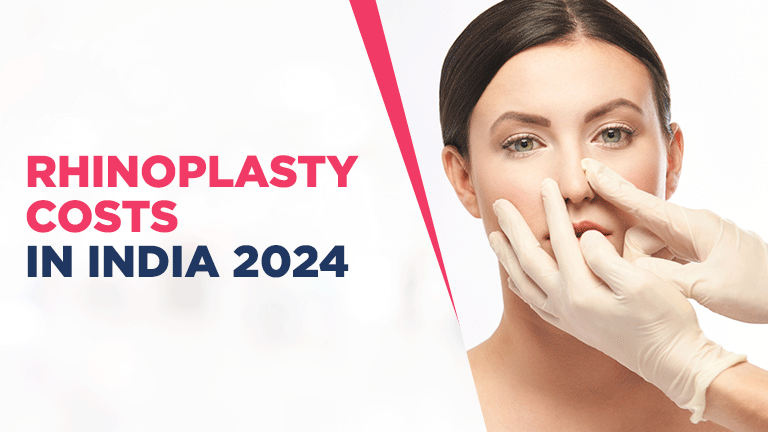
Nose Job | Rhinoplasty Costs in India 2024: Everything You Need to Know

Rhinoplasty Cost

With the increasing popularity of aesthetic surgeries, many individuals in India are considering rhinoplasty treatment in Delhi to achieve their desired look. However, one of the most crucial aspects to consider before undergoing this transformative procedure is the cost. 

In this comprehensive guide, we will delve into the various factors that influence the cost of rhinoplasty in India in 2024, providing you with a clear picture of what to expect. Whether you’re looking for a minor adjustment or a complete nasal reconstruction, this article will equip you with the knowledge needed to navigate the costs associated with rhinoplasty.

Average Rhinoplasty Cost in India

Rhinoplasty, also known as nose jobs or nose reshaping, is a popular cosmetic procedure in India. In 2024, the average cost of rhinoplasty in India ranges between ₹40,000 to ₹2,50,000. Several factors influence the cost of rhinoplasty, including: 

  1. Surgeon’s Expertise and Reputation: Highly experienced and renowned surgeons often charge higher fees due to their advanced skills and proven track records of successful surgeries.
  2. Clinic or Hospital Location: The cost of rhinoplasty can vary significantly based on the geographical location of the clinic. Urban centers like Mumbai, Delhi, and Bangalore tend to have higher costs compared to smaller cities and towns.
  3. Complexity of the Procedure: The nature and extent of the surgical intervention required can impact the cost. Complex procedures involving extensive reshaping or reconstruction will be more expensive than minor adjustments.
  4. Type of Anesthesia Used: The choice between local and general anesthesia also affects the overall cost. General anesthesia typically incurs higher fees due to the need for an anesthesiologist and additional monitoring.
  5. Post-operative Care and Follow-ups: Comprehensive post-operative care, including follow-up consultations and potential revisions, contribute to the total cost. High-quality care ensures better outcomes and fewer complications.

Also Read : Is Rhinoplasty Safe for Diabetic Patients?

Rhinoplasty Cost Breakdown

1. Pre-surgery Costs

Before the actual surgery, there are several essential expenses that patients must consider:

  • Consultation Fees: The initial consultation with the surgeon, where your goals and the procedure details are discussed, usually incurs a fee. This can range from ₹1,000 to ₹5,000 depending on the surgeon’s expertise and location.
  • Diagnostic Tests: Pre-surgery diagnostic tests such as blood tests, imaging (X-rays or CT scans), and other required medical evaluations can cost between ₹3,000 to ₹10,000.
  • Medication and Preparation Costs: Pre-surgery medications, including antibiotics and any necessary pre-operative preparations, can add an additional ₹1,000 to ₹3,000 to the total cost.

2. Surgery Cost

The primary expenses of the rhinoplasty procedure itself include:

  • Surgeon’s Fee: The surgeon’s fee is a significant part of the total cost and can vary widely based on the surgeon’s experience, reputation, and the complexity of the procedure. This fee generally ranges from ₹50,000 to ₹1,50,000.
  • Anesthesia Fee: The type of anesthesia used (local or general) affects the cost. Anesthesia fees typically range from ₹10,000 to ₹30,000.
  • Operation Theatre Charges: The use of the operation theatre and its facilities contributes to the overall expense. These charges can range from ₹20,000 to ₹50,000.

3. Day Care or Hospital Stay Charges

Post-surgery care is crucial for a successful recovery and involves several costs:

  • Hospital Room Charges: Depending on the type of room chosen (general ward, semi-private, or private room), the charges can vary. Typically, room charges range from ₹5,000 to ₹20,000 per day.
  • Post-surgery Care: This includes follow-up visits, removal of stitches, and any additional treatments required for a smooth recovery, costing around ₹5,000 to ₹15,000.
  • Additional Medical Expenses: Any extra medications, dressings, or special care requirements during the hospital stay may add another ₹2,000 to ₹5,000.

Total Estimated Cost of Rhinoplasty Surgery

When combining all the aforementioned costs, the total estimated cost of rhinoplasty surgery in India can range from ₹70,000 to ₹2,50,000. This estimate includes pre-surgery consultations and tests, the actual surgical procedure, and post-surgery care.

However, potential variations in the total cost can occur due to factors such as the surgeon’s expertise, the complexity of the surgery, the type of anesthesia used, and the location of the clinic or hospital. Patients are encouraged to discuss all potential costs with their surgeon during the initial consultation to ensure they have a clear understanding of the financial commitment involved.

Different Types of Nose Surgery (Rhinoplasty) Cost in India

If you’re contemplating nose surgery in India, it’s essential to grasp the cost structure for various procedures to plan your budget efficiently. Below, we provide an estimated range of average, minimum, and maximum costs for the most common types of nose surgeries performed in the country:

Cost of Different Types of Nose Surgery in India

Type of TreatmentAverage CostMinimum CostMaximum Cost
Septoplasty₹45,500₹35,500₹60,500
Fess Surgery₹55,500₹45,500₹70,500
Rhinoseptoplasty₹137,000₹70,500₹250,000
Turbinate Reduction Surgery₹55,000₹40,500₹65,000
Nose Fracture Management₹125,000₹40,500₹250,000
Nasal Polypectomy₹55,500₹45,500₹75,000


Cost Breakdown for Rhinoplasty in Major Cities of India

If you’re planning to undergo rhinoplasty in India, it’s important to understand the cost variations across different cities to make a well-informed decision. Here, we break down the average cost range for rhinoplasty in major cities of India:

Rhinoplasty Cost in Major Cities of India

CityCost Range (INR)
Delhi₹35,000 – ₹1,50,000
Bangalore₹40,000 – ₹2,00,000
Mumbai₹30,000 – ₹1,70,000
Gurgaon₹40,000 – ₹2,00,000
Chennai₹75,000 – ₹2,00,000
Hyderabad₹30,000 – ₹2,00,000
Pune₹35,000 – ₹1,50,000

By understanding the cost variations for different types of nose surgeries and the price differences across various cities, you can better plan your rhinoplasty procedure in India, ensuring you get the best value for your investment.

How to Minimize Rhinoplasty Cost in India? 

1. Research and Compare Prices

To find the best deal for your rhinoplasty, it’s crucial to research and compare prices between different clinics. Here are some tips:

  • Consult Multiple Clinics: Schedule consultations with several clinics to get a range of quotes.
  • Check Online Reviews: Look at patient reviews and testimonials to gauge the quality and cost-effectiveness of various clinics.
  • Ask for Detailed Estimates: Ensure each clinic provides a comprehensive breakdown of all costs involved.

2. Choose a Reputable Surgeon

Selecting a qualified and experienced surgeon is vital for a successful rhinoplasty. Here’s why:

  • Expertise Reduces Risk: An experienced surgeon minimizes the risk of complications, potentially saving you from costly revisions.
  • Long-term Satisfaction: A skilled surgeon ensures better aesthetic results, reducing the need for future corrections.
  • Professional Advice: Reputable surgeons provide thorough pre- and post-operative care, which is crucial for a smooth recovery.

3. Consider Alternative Locations

Opting for clinics in smaller cities or towns can lead to significant cost savings:

  • Lower Overheads: Clinics in smaller cities generally have lower operational costs, which can translate to lower surgery fees.
  • Comparable Quality: Many smaller cities have highly qualified surgeons offering excellent care at reduced prices.
  • Travel Costs: Factor in travel and accommodation costs when considering clinics outside major urban centers.

4. Discuss Financing Options

Explore available financing options and payment plans to make the procedure more affordable:

  • Installment Plans: Many clinics offer payment plans that allow you to spread the cost over several months.
  • Medical Loans: Specialized medical loans are available to cover cosmetic surgery expenses.
  • Credit Options: Some clinics accept credit card payments, providing additional flexibility in managing expenses.

5. Opt for Local Anesthesia

Choosing local anesthesia can be more cost-effective than general anesthesia:

  • Lower Fees: Local anesthesia generally incurs lower costs compared to general anesthesia.
  • Faster Recovery: Patients typically recover more quickly from local anesthesia, potentially reducing post-operative care costs.
  • Fewer Risks: Local anesthesia reduces the risk of complications, leading to lower overall expenses.

6. Combine Procedures

Combining rhinoplasty with other cosmetic procedures can offer cost advantages:

  • Shared Costs: Combining procedures can reduce the overall cost by sharing anesthesia, facility, and surgeon fees.
  • Comprehensive Results: Undergoing multiple procedures at once can enhance overall aesthetic results, minimizing the need for future surgeries.
  • Single Recovery Period: Combining procedures means only one recovery period, reducing time off work and associated costs.

7. Follow Pre and Post-Operative Instructions

Adhering to medical advice can prevent complications and additional costs:

  • Pre-operative Care: Following pre-surgery guidelines can optimize your health, reducing the risk of complications during surgery.
  • Post-operative Care: Strictly following post-surgery care instructions ensures a smooth recovery and minimizes the likelihood of costly medical issues.
  • Regular Check-ups: Attend all scheduled follow-up appointments to monitor your progress and address any concerns promptly.

Does Rhinoplasty Have Insurance Coverage?

When considering rhinoplasty, it’s essential to understand whether your health insurance can help cover the costs. Here’s a detailed look at the insurance policies and coverage for rhinoplasty in India:

Health insurance typically covers medically necessary procedures rather than purely cosmetic surgeries. Rhinoplasty, if performed for medical reasons such as correcting a deviated septum, repairing nasal fractures, or resolving breathing issues, may be covered by insurance. However, cosmetic rhinoplasty, which is performed solely for aesthetic purposes, is generally not covered by health insurance policies.

Types of Rhinoplasty Procedures Covered by Insurance

Insurance coverage for rhinoplasty depends on the underlying reason for the surgery. Here are some scenarios where insurance may provide coverage:

  • Functional Rhinoplasty: If the procedure is necessary to correct functional issues such as breathing difficulties, obstructed nasal passages, or congenital defects, it is more likely to be covered by insurance.
  • Reconstructive Rhinoplasty: This includes surgeries to repair damage caused by trauma, accidents, or medical conditions. Insurance companies often cover these types of procedures.
  • Septoplasty: While technically a separate procedure, septoplasty to correct a deviated septum is frequently covered and can be performed in conjunction with rhinoplasty.

Steps to Claim Insurance for Rhinoplasty

To ensure your rhinoplasty procedure is covered by insurance, follow these steps:

  1. Consult with Your Surgeon: Discuss the medical necessity of your rhinoplasty with your surgeon. Obtain a detailed medical report and recommendation from your surgeon, specifying the functional or reconstructive need for the surgery.
  2. Check Your Insurance Policy: Review your health insurance policy to understand the specific coverage details. Contact your insurance provider to confirm whether your policy covers the type of rhinoplasty you need.
  3. Pre-authorization: Many insurance companies require pre-authorization for surgeries. Submit your surgeon’s report and any additional required documentation to your insurance provider to obtain pre-authorization.
  4. Document Everything: Keep thorough records of all consultations, diagnostic tests, and medical reports. This documentation will be crucial when filing your insurance claim.
  5. Submit the Claim: After the surgery, submit a detailed claim to your insurance company, including all medical reports, pre-authorization documents, and invoices. Ensure all forms are correctly filled out and all required documentation is attached.
  6. Follow Up: Stay in contact with your insurance provider to monitor the status of your claim. Provide any additional information they may request promptly to avoid delays in processing your claim.

By understanding your insurance coverage and following these steps, you can navigate the process of claiming insurance for medically necessary rhinoplasty procedures, potentially reducing your out-of-pocket expenses.

Conclusion

Planning for rhinoplasty in India requires careful consideration of various factors influencing the cost. By researching and comparing prices, choosing a reputable surgeon, considering alternative locations, discussing financing options, opting for local anesthesia, combining procedures, and following pre- and post-operative instructions, you can effectively manage and minimize the cost of your rhinoplasty. Making informed decisions will ensure you achieve the best possible results within your budget.


Is Rhinoplasty Safe for Diabetic Patients?

Rhinoplasty, commonly known as a nose job, continues to be one of the most sought-after cosmetic procedures worldwide. For diabetic individuals intrigued by the possibility of enhancing their facial appearance through rhinoplasty, the question of safety naturally arises. 

Is rhinoplasty safe for diabetic patients? The answer is YES, Rhinoplasty is safe for diabetic patients if performed under an experienced plastic surgeon. 

However, it’s crucial to go deeper into the nuances to ensure a safe and successful experience. Addressing safety concerns is paramount, especially for diabetic individuals considering surgery, as managing diabetes adds layers of consideration to any medical procedure.

Relationship in Diabetes and Surgical Risks

Diabetes, a condition characterized by high blood sugar levels, requires careful consideration in surgical settings due to its potential impacts on healing and recovery. For diabetic patients considering rhinoplasty (nose job surgery), it’s crucial to understand how diabetes can affect surgical outcomes. Diabetes can potentially increase the risk of complications such as delayed wound healing, infection, and fluctuating blood sugar levels during and after surgery.

Specific risks associated with rhinoplasty for diabetic patients include:

  • Delayed Wound Healing: High blood sugar levels can impair the body’s ability to heal wounds effectively, prolonging recovery times post-surgery.
  • Infection: Diabetics are more prone to infections, which can complicate recovery and affect surgical outcomes.
  • Anesthesia Management: Diabetes can influence how anesthesia affects the body, requiring careful monitoring and adjustment by medical professionals.

Understanding these risks allows diabetic individuals to prepare adequately and work closely with healthcare providers to mitigate potential complications.

Preparing for Rhinoplasty with Diabetes

Preparing for rhinoplasty involves meticulous planning, especially for individuals managing diabetes. Prior to undergoing surgery, several key steps can help ensure a safe and successful outcome:

Importance of Pre-operative Assessments and Consultations

Before scheduling rhinoplasty, it’s essential for diabetic patients to undergo thorough pre-operative assessments. These assessments include:

  • Comprehensive Medical History: Providing detailed information about diabetes management, current medications, and any existing complications.
  • Physical Examination: Assessing overall health, including cardiovascular and renal function, which can be affected by diabetes.

Consultations with both an endocrinologist and a plastic surgeon are crucial. An endocrinologist can help optimize diabetes management pre-surgery, ensuring blood sugar levels are stable and well-controlled.

Guidelines for Managing Diabetes Medications and Blood Sugar Levels

Managing diabetes medications and blood sugar levels before surgery is critical for minimizing risks and optimizing healing. Guidelines include:

  • Medication Adjustments: Working with healthcare providers to adjust diabetes medications as needed before surgery to achieve stable blood sugar levels.
  • Monitoring: Regular monitoring of blood glucose levels in the days leading up to surgery and on the day of the procedure.
  • Hydration and Nutrition: Ensuring adequate hydration and maintaining a balanced diet to support overall health and recovery.

By adhering to these guidelines and maintaining open communication with healthcare providers, diabetic patients can enhance their readiness for rhinoplasty and reduce the likelihood of complications.

Anesthesia Considerations for Diabetic Patients During Rhinoplasty

During rhinoplasty, anesthesia management is crucial, especially for diabetic patients. Specific considerations include:

  • Blood Sugar Monitoring: Continuous monitoring of blood glucose levels throughout the procedure to ensure stability.
  • Anesthesia Type: Selection of appropriate anesthesia type based on diabetes management and overall health status.
  • Careful Monitoring: Vigilant monitoring of vital signs and blood sugar levels by an experienced anesthesia team to prevent complications.

Discussing anesthesia options and potential risks with both your plastic surgeon and anesthesiologist beforehand ensures that appropriate measures are in place for a safe surgical experience.

Post-operative Care Tips to Promote Healing and Minimize Complications

After rhinoplasty, diabetic patients require attentive post-operative care to support healing and reduce the risk of complications:

  • Monitoring Blood Sugar Levels: Regular monitoring of blood glucose levels to detect any fluctuations promptly.
  • Wound Care: Proper wound care instructions to prevent infections, including keeping incision sites clean and dry.
  • Medication Management: Strict adherence to post-operative medication schedules, including pain management and diabetes medications.
  • Follow-up Appointments: Scheduling follow-up appointments with both the plastic surgeon and endocrinologist to monitor recovery and diabetes control.

Choosing the Right Surgeon for Rhinoplasty (Nose Job Surgery)

Selecting a qualified and experienced plastic surgeon is paramount for diabetic patients considering rhinoplasty (nose reshaping surgery). Key considerations include:

  • Expertise in Handling Diabetes: Experience in managing surgical procedures for diabetic patients, understanding the unique challenges and considerations.
  • Board Certification: Ensuring the surgeon is certified by recognized boards, indicating they meet high standards of training and expertise.
  • Patient Safety Record: Reviewing the surgeon’s track record of safety and success in performing rhinoplasty procedures.

A skilled surgeon not only enhances surgical outcomes but also provides comprehensive care tailored to the needs of diabetic patients, ensuring safety and comfort throughout the process.

Questions to Ask During Consultations to Ensure Safety and Comfort

During consultations with potential surgeons, diabetic patients should ask pertinent questions to assess their suitability:

  • Experience with Diabetic Patients: Inquiring about the surgeon’s experience in performing rhinoplasty on diabetic patients and their approach to managing diabetes-related concerns.
  • Surgical Plan and Expectations: Discussing the surgical plan, including anesthesia options, post-operative care, and expected outcomes specific to diabetic patients.
  • Complication Management: Understanding how the surgeon manages potential complications related to diabetes during and after rhinoplasty.

By asking these questions and discussing their concerns openly, diabetic patients can make informed decisions and feel confident in their choice of surgeon for rhinoplasty.

Setting Realistic Expectations for Rhinoplasty Surgery in Diabetes

Managing expectations is crucial for diabetic patients considering rhinoplasty. While rhinoplasty can enhance facial appearance, it’s essential to understand the following:

  • Potential Limitations: Diabetes may affect healing processes and surgical outcomes, potentially influencing final cosmetic results.
  • Communication with Surgeon: Clear communication with the surgeon about desired outcomes and realistic expectations given individual health considerations.

By aligning expectations with the potential impacts of diabetes, patients can approach rhinoplasty with a realistic perspective.

Recovery Timeline and Tips for Diabetic Patients

Recovery from rhinoplasty involves a structured timeline and specific considerations for diabetic patients:

  • Initial Recovery Period: Expect initial discomfort, swelling, and bruising, which typically subside within the first week.
  • Monitoring Blood Sugar Levels: Continuously monitoring blood glucose levels to ensure they remain stable during the recovery phase.
  • Follow Post-operative Instructions: Adhering strictly to post-operative care instructions provided by the surgeon, including medication schedules and wound care.
  • Consultation with Endocrinologist: Scheduling follow-up appointments with an endocrinologist to manage diabetes medications and overall health during recovery.

Rhinoplasty Surgery Cost in Delhi 

The Nose Job surgery cost in Delhi can vary depending on several factors, including the surgeon’s expertise, the complexity of the procedure, the clinic’s location, and the specific goals of the patient. Generally, the Rhinoplasty surgery cost in Delhi ranges from ₹15,000 to ₹2,00,000 or more.

Factors Affecting Rhinoplasty Surgery Cost:

  • Surgeon’s Experience and Reputation: Highly experienced and reputable surgeons may charge higher fees.
  • Procedure Complexity: The extent of surgical corrections required, such as reshaping the nasal tip or correcting breathing issues, can influence costs.
  • Clinic Facilities: The quality of facilities and amenities provided by the clinic can impact pricing.
  • Additional Costs: Anesthesia fees, hospital or surgical facility fees, post-operative medications, and follow-up appointments may add to the total cost.

Conclusion

In conclusion, rhinoplasty can be a safe and effective procedure for diabetic patients seeking to enhance their facial appearance. By addressing specific safety considerations, such as managing blood sugar levels and selecting a qualified surgeon experienced in handling diabetic patients, individuals can minimize risks and optimize surgical outcomes.

It’s crucial for diabetic patients considering rhinoplasty to seek personalized advice from healthcare providers. Consulting with both a plastic surgeon and an endocrinologist allows for thorough pre-operative assessments and tailored care plans that prioritize health and safety.

At Eximus Clinic, we understand the unique needs of diabetic patients undergoing rhinoplasty. Our team of experienced plastic surgeons and dedicated healthcare professionals is committed to providing safe, compassionate, and personalized care. We offer comprehensive consultations, customized treatment plans, and ongoing support to ensure the best possible outcomes for every patient.

Whether you’re exploring rhinoplasty for cosmetic enhancement or functional improvement, trust Eximus Clinic for expert care that prioritizes your health and aesthetic goals. 


Hydrafacial Treatment: Advantages And Disadvantages

Hydrafacial is a cutting-edge, non-invasive facial treatment that has gained immense popularity in recent years for its ability to deliver instant, noticeable results. Hydrafacial Treatment in Delhi offers a comprehensive solution to various skin concerns. Unlike traditional facials that can leave your skin irritated and red, Hydrafacial is designed to be gentle on the skin while providing deep cleansing and nourishment.

The treatment has become a favorite among skincare enthusiasts and celebrities alike due to its immediate effectiveness and the glowing results it delivers. It is praised for its versatility and adaptability to different skin types and conditions, making it a go-to option for anyone looking to improve their complexion. 

What is Hydrafacial?

Hydrafacial is a multi-step facial treatment that uses a patented technology to cleanse, exfoliate, extract, hydrate, and protect the skin. This non-invasive procedure is designed to improve overall skin health and address various skin concerns, making it a versatile and effective option for many individuals.

The Hydrafacial treatment involves a series of steps, each targeting a specific aspect of skin care. The procedure is typically performed using a specialized Hydrafacial device that delivers serums and performs various actions through a unique Vortex-Fusion technology. This technology allows for efficient and effective treatment without causing discomfort or irritation.

Steps Involved in the Hydrafacial Treatment Procedure

Here is a five step process that Hydrafacial treatment follows –

  • Cleansing: The first step involves thoroughly cleansing the skin to remove surface impurities and makeup. A gentle cleansing solution is applied, and the Hydrafacial device is used to deeply clean the pores and prepare the skin for the subsequent steps.
  • Exfoliation: Next, a gentle exfoliating solution is applied to the skin. This step removes dead skin cells and reveals a fresh, smooth layer of skin underneath. The Hydrafacial device uses a combination of physical exfoliation and chemical exfoliation with mild acids to achieve optimal results.
  • Extraction: The extraction phase involves removing debris and impurities from the pores using a painless suction mechanism. Unlike traditional manual extractions, the Hydrafacial device performs this step gently and effectively, minimizing the risk of irritation or damage to the skin.
  • Hydration: After the extraction, the skin is infused with hydrating serums containing hyaluronic acid, peptides, and other nourishing ingredients. This step replenishes the skin’s moisture levels, leaving it plump, hydrated, and radiant.
  • Antioxidant Protection: The final step involves the application of antioxidants and peptides to protect the skin from environmental damage and free radicals. These ingredients help to improve the skin’s overall health and enhance its natural glow.

Each step of the Hydrafacial treatment is designed to work synergistically, providing comprehensive care and addressing multiple skin concerns simultaneously. The result is a rejuvenated, glowing complexion with improved texture, tone, and clarity.

Advantages of Hydrafacial Treatment:

Because Hydrafacial treatments can address a wide range of skin concerns, they have become a popular option for people looking for comprehensive skincare solutions.

Improves Skin Hydration

One of the primary benefits of Hydrafacial is its ability to deeply moisturize the skin. The hydrating serums used in the treatment contain hyaluronic acid and other nourishing ingredients that penetrate deeply, ensuring the skin remains plump, hydrated, and radiant.

Brightens Complexion

Hydrafacial is highly effective in brightening the skin and improving its overall complexion. The specialized serums target hyperpigmentation, dark spots, and uneven skin tone. With potent brightening agents, the treatment helps fade pigmentation and promotes a more luminous and even complexion.

Anti-Aging Benefits

The Hydrafacial treatment is known for its anti-aging benefits. By incorporating ingredients that boost collagen and elastin production, it helps reduce the appearance of fine lines and wrinkles. The result is a smoother, firmer, and more youthful-looking skin.

Suitable for All Skin Types

One of the standout features of Hydrafacial is its adaptability to different skin tones and types. Whether you have oily, dry, sensitive, or combination skin, the treatment can be customized to suit your specific needs, making it a versatile option for everyone.

Non-Invasive and Painless

Hydrafacial is a non-invasive and painless procedure. Unlike traditional facials that can cause discomfort, redness, or irritation, Hydrafacial is gentle on the skin. It does not involve any manual extractions or abrasive techniques, ensuring there is no downtime or recovery period.

Quick and Immediate Results

Another major advantage of Hydrafacial is the speed at which results are visible. Many patients notice an immediate improvement in their skin’s appearance after just one session. The treatment leaves the skin looking refreshed, rejuvenated, and glowing.

Customizable Treatment

Hydrafacial treatments are highly customizable, allowing for tailored serums and solutions to address specific skin concerns. Whether you are dealing with acne, hyperpigmentation, or aging skin, the treatment can be adjusted to target your particular issues effectively.

Helps Remove Tan

The multi-step facial treatment is effective in removing tan and rejuvenating sun-damaged skin. The exfoliation and hydration steps work together to eliminate dead skin cells and promote healthy, glowing skin, making it an excellent choice for those looking to restore their natural skin tone.

 If tanning and dull skin are your concerns, our advanced Hydra Facial Treatment in Delhi can help restore a clear, radiant complexion.

Disadvantages of Hydrafacial Treatment

Despite its many advantages, it’s important to consider these potential drawbacks when deciding whether Hydrafacial is the right treatment for you.

Not Suitable for Severe Skin Conditions

Hydrafacial, despite its versatility, has limitations when it comes to severe skin conditions. Individuals with significant acne, active rosacea flare-ups, or extensive skin damage may not be ideal candidates for this treatment. The procedure is gentle and non-invasive, which means it might not be powerful enough to address more serious skin issues effectively.

Potential for Mild Side Effects

Although Hydrafacial is known for its gentle approach, some individuals may experience mild side effects. The most common is slight redness or irritation immediately following the treatment. These side effects are usually minimal and resolve quickly, but they can be a concern for those with particularly sensitive skin.

Avoidance During Pregnancy and Breastfeeding

Women who are pregnant or breastfeeding should avoid Hydrafacial treatments. The presence of active ingredients such as salicylic and glycolic acids can be problematic during these times. These acids, while effective in skincare, are not recommended for use during pregnancy and lactation due to potential risks to the mother and baby.

Possible Adverse Reactions

Hydrafacial uses various active ingredients to achieve its results, including lactic acid, salicylic acid, and glycolic acid. Some individuals may have sensitivities or allergic reactions to these components. Adverse reactions can include heightened redness, irritation, or even breakouts, particularly if the skin is not accustomed to these ingredients.

Consulting with a dermatologist can help determine if this popular facial treatment aligns with your specific skin needs and conditions.

Who Should Avoid Hydrafacial?

Always consult with a dermatologist before undergoing Hydrafacial to ensure it’s safe for you. Here are few common reasons you should avoid taking Hydrafacial treatment –

  • Active Skin Infections or Flare-Ups: Bacterial, viral, or fungal skin infections, severe acne, eczema, or rosacea flare-ups
  • Pregnancy and Breastfeeding: Presence of salicylic and glycolic acids
  • Severe Skin Conditions: Cystic acne, uncontrolled rosacea, extensive skin damage
  • Recent Cosmetic Procedures: Wait after chemical peels, laser treatments, or fillers
  • Known Allergies or Sensitivities: Allergies to acids or other treatment ingredients
  • Compromised Skin Barrier: Severe sunburn, open wounds, or damaged skin

Common FAQs Around Hydrafacial Treatment

By going through the answers of these questions, you can improve your decision-making by learning more about other factors and insider curiosities. 

How long does a Hydrafacial last?

The results of a Hydrafacial typically last about 4-6 weeks. Regular treatments are recommended to maintain skin improvement.  

How much does Hydrafacial treatment cost?

The average Hydrafacial in Delhi cost starts at Rs 5000 and can go anywhere between Rs 25,000 and Rs 25,000 per session, depending on the treatment and clinic.

Is Hydrafacial painful?

No, Hydrafacials are generally painless. It involves gentle exfoliation, extraction, and hydration steps without causing discomfort.

Can Hydrafacial help with skin whitening?

Yes, Hydrafacial can improve skin tone and reduce hyperpigmentation with specialized brightening serums used during the treatment.

Who is a good candidate for Hydrafacial?

Hydrafacials are suitable for all skin types and ages. It benefits individuals looking to improve hydration, texture, and overall skin health.

Are there any side effects of Hydrafacial?

The most common side effects include mild redness or irritation, which typically resolve quickly. Individuals with sensitive skin or allergies to certain ingredients should consult a dermatologist before treatment.

Conclusion:

Hydrafacial treatments offer a versatile and effective solution for improving skin health and appearance. Here are the key points to remember:

  • Benefits of Hydrafacial
    • Provides deep hydration and moisturization
    • It brightens the complexion and reduces dark spots
    • Offers anti-aging benefits by reducing fine lines and wrinkles
    • Suitable for all skin types, with customizable options
    • Non-invasive, painless, and no downtime
    • Immediate results with a series of treatments for long-term benefits
  • Drawbacks of Hydrafacial
    • Temporary results that require regular maintenance treatments
    • Not suitable for severe skin conditions or during pregnancy and breastfeeding
    • Potential for mild side effects like temporary redness or irritation

While it may not be suitable for everyone, consulting with a skincare professional can help determine if Hydrafacial is the right treatment for your skincare needs and goals. 

Looking for Hydrafacial treatments? Visit the Eximus Clinic. We offer the best Hydrafacial in Delhi for smoother, hydrated, and glowing skin. Our treatments suit all skin types and concerns. Book your session today for a skincare solution that stands out.

How to Get Pink Glossy Lips Naturally at Home?

Who doesn’t dream of flaunting pink, glossy lips that look straight out of a beauty magazine? The secret isn’t expensive. Natural methods are your best friends for lip care. They’re gentle, effective, and free from harsh chemicals that can dry out and damage your delicate lips. Plus, with the growing trend towards clean beauty, more and more people are ditching synthetic products in favor of natural solutions.

So, if you’re ready to achieve those Insta-worthy lips without the nasty side effects, you’re in the right place. Here are some easy, natural hacks to get those pink, glossy lips at home!

Why Do Lips Get Pigmented and Need Proper Care? 

Lip care is more than just about having soft, kissable lips. It’s a crucial part of your overall facial appearance. Your lips are often one of the first things people notice, and healthy, well-cared-for lips can enhance your smile and boost your confidence.

But why do lips get pigmentation and need proper care? Several factors contribute to lip pigmentation, including excessive sun exposure, smoking, dehydration, and the use of harsh lip products. These factors can lead to darkening, dryness, and an uneven lip tone, making your lips look less vibrant.

The skin on your lips is much thinner and more delicate than the rest of your face. This makes it more susceptible to drying out and cracking, especially when exposed to harsh chemicals found in many commercial lip products. Natural remedies, on the other hand, are gentle and nourishing, providing the hydration and care your lips need without the risk of irritation or allergic reactions.

Natural Remadies for Pink Lips You Must Try at Home

Here are three natural remedies you should try at home to achieve pink, glossy lips without spending too much money on expensive products and creams –

Honey and Lemon Scrub: Best for Exfoliation & Lightening Lip Color

Ingredients needed:

  • Honey
  • Lemon
  • Sugar

Preparation Method and Application:

  1. Mix one teaspoon of honey with half a teaspoon of fresh lemon juice.
  2. Add a pinch of sugar to the mixture and stir until combined.
  3. Gently apply the scrub to your lips using your fingertips.
  4. Massage in circular motions for about a minute.
  5. Rinse off with lukewarm water and pat dry.

Also read :- Lip Lightening Treatment: Reasons, Effects & Cost

Benefits:

  • Exfoliation: The sugar granules help slough off dead skin cells, leaving your lips smooth and fresh.
  • Moisturization: Honey is a natural humectant, drawing moisture into the lips and keeping them hydrated.
  • Lightening of Lip Color: Lemon juice has natural bleaching properties that can help lighten dark lips and enhance their natural pink color.

Beetroot Lip Balm: Best for Natural Tinting & Glossy Finish

Ingredients needed:

  • Beetroot juice
  • Shea butter
  • Coconut oil

Preparation Method and Application:

  1. Extract juice from a small beetroot by blending it and straining the pulp.
  2. In a small bowl, mix one teaspoon of beetroot juice with one teaspoon of melted shea butter and one teaspoon of coconut oil.
  3. Stir well until all the ingredients are thoroughly combined.
  4. Pour the mixture into a small container and let it solidify in the refrigerator.
  5. Apply the balm to your lips as needed for a natural tint and glossy finish.

Benefits:

  • Natural Tinting: Beetroot juice gives your lips a natural reddish-pink hue.
  • Hydration: Shea butter and coconut oil are rich in fatty acids that deeply moisturize and nourish the lips.
  • Glossy Finish: The balm leaves your lips with a beautiful, glossy shine.

Rose Petal Lip Mask: Best for Nourishment and Pinkish Hue Enhancement

Ingredients needed:

  • Rose petals
  • Milk cream
  • Honey

Preparation Method and Application:

  1. Crush a handful of fresh rose petals to create a paste.
  2. Mix the rose petal paste with one tablespoon of milk cream and half a teaspoon of honey.
  3. Apply the mask generously to your lips.
  4. Leave it on for about 15 minutes.
  5. Rinse off with lukewarm water and pat dry.

Benefits:

  • Nourishment: Rose petals are rich in antioxidants and vitamins that nourish and rejuvenate the lips.
  • Softening: Milk cream provides deep hydration and softens the lips.
  • Pinkish Hue Enhancement: The natural pigments in rose petals can help enhance the pink color of your lips, making them look naturally vibrant.

These natural ingredients are easy to find and simple to use, making them perfect for maintaining beautiful, pink, and glossy lips right at home!

Daily Lip Care Routine for Pink Glassy Look 

Maintaining pink, glossy lips doesn’t have to be complicated. Follow this simple daily routine to keep your lips looking healthy and beautiful:

  1. Hydrate Inside and Out
    • Drink plenty of water throughout the day to keep your body hydrated, including your lips.
    • Use a hydrating lip balm with natural ingredients like shea butter or coconut oil to lock in moisture.
  2. Gentle Exfoliation
    • Exfoliate your lips gently once or twice a week to remove dead skin cells.
    • Use a homemade scrub like honey and sugar or a soft toothbrush in circular motions.
  3. Moisturize Regularly
    • Apply a nourishing lip balm or natural oils like almond or jojoba oil several times a day, especially before bed.
    • Keep lips protected with a balm containing SPF during the day to shield from sun damage.
  4. Avoid Harsh Products
    • Steer clear of lip products containing alcohol, artificial fragrances, or dyes that can dry out or irritate your lips.
    • Opt for natural and organic lip care products whenever possible to minimize exposure to chemicals.
  5. Healthy Diet and Lifestyle
    • Eat a balanced diet rich in vitamins and minerals, including foods like fruits, vegetables, and nuts that promote skin health.
    • Avoid smoking and limit coffee intake, as these can stain and dry out lips.
  6. Nighttime Care
    • Before bed, apply a thick layer of lip balm or a natural oil to replenish moisture overnight.
    • Consider using a hydrating lip mask once a week to deeply nourish and repair your lips while you sleep.

By following this daily lip care routine and adopting healthy habits, you can maintain soft, pink, and glossy lips naturally. Remember, consistency is key to achieving and preserving beautiful lip health!

Lifestyle Tips to Maintain Healthy Lips

Maintaining healthy lips goes beyond just skincare. Here are some lifestyle tips to keep your lips looking and feeling great:

  • Stay Hydrated: Drink plenty of water throughout the day to keep lips hydrated and plump.
  • Balanced Diet: Incorporate foods rich in vitamins A, C, E, and B-complex, as well as antioxidants, to support lip health.
  • Avoid Licking Lips: Saliva can dry out lips, so resist the urge to lick them frequently.
  • Limit Sun Exposure: Protect lips from UV damage by using a lip balm with SPF and wearing a hat when outdoors.
  • Quit Smoking: Smoking can darken lips and contribute to premature aging, so consider quitting for healthier lips.
  • Use a Humidifier: Especially in dry climates or during winter, a humidifier can help maintain moisture levels in the air and on your lips.
  • Gentle Lip Care: Avoid harsh lip scrubs and products with irritants that can damage delicate lip skin.
  • Nutritious Snacking: Snack on fruits like berries, which are rich in antioxidants, or nuts like almonds, which provide essential fatty acids for lip health.
  • Regular Exercise: Exercise improves circulation, which can contribute to healthier skin overall, including your lips.

Professional Treatment Care for Lip Lightening

Choosing the right professional treatment for dark lip  lightening depends on individual skin concerns and preferences. Here are few options popular – 

Laser Treatment: Laser treatment involves using targeted laser beams to break down melanin deposits responsible for dark pigmentation on the lips. This procedure offers precise results with minimal downtime, gradually promoting an even skin tone over multiple sessions. It’s important to consult a dermatologist to determine suitability based on your skin type and the severity of pigmentation.

Chemical Peels: This method entails applying a chemical solution to the lips to exfoliate the outer layer of skin, reducing pigmentation. It improves lip texture and tone while stimulating collagen production for a rejuvenated appearance. However, it may cause temporary redness or sensitivity, with visible results typically requiring a series of treatments.

Topical Creams and Serums: These products include over-the-counter or prescription-strength creams containing ingredients like hydroquinone, kojic acid, or vitamin C. They gradually lighten lip pigmentation with regular use and are often combined with sunscreen for enhanced protection. 

Microneedling: Microneedling uses tiny needles to create micro-injuries on the lips, promoting collagen production and facilitating the absorption of lightening agents. It enhances lip texture and reduces pigmentation with minimal discomfort and downtime. Multiple sessions are typically required for optimal results, and post-treatment skincare is crucial to maintaining efficacy.

Natural Extract Treatments: These treatments utilize natural extracts such as licorice, arbutin, or bearberry, known for their skin-lightening properties. They provide a gentle approach to lightening lips, are suitable for sensitive skin types, and are a complement to daily skincare routines. Effectiveness may vary, requiring consistent application over several weeks or months for visible results.

It is advisable to consult with a qualified dermatologist or skincare specialist in Delhi to ensure you receive personalised advice before any self-judged decision and achieve safe, effective results aligned with your lip care needs.

FAQs About Lip Care

Here are some common questions about lip care and natural remedies, addressing concerns about allergic reactions and effectiveness:

How effective are lip blush treatments in Delhi for enhancing lip color? 

Lip blush treatments in Delhi are popular for adding a subtle tint and definition to the lips. They use semi-permanent techniques to enhance lip color, providing a long-lasting result that looks natural and complements your skin tone.

What should I do if I have sensitive skin and worry about allergic reactions to lip lightening treatments in Delhi? 

If you have sensitive skin, it’s essential to choose gentle ingredients and perform a patch test before using any new product or treatment. Natural remedies like rose petal masks and lemon-honey scrubs are typically safer options, as they are less likely to cause allergic reactions compared to harsh chemicals.

Can natural lip care routines effectively lighten dark lips without side effects?

Yes, natural ingredients like lemon, honey, and rose petals can help lighten dark lips gradually and safely. These ingredients have natural bleaching properties and provide essential nutrients to promote healthy lip skin, reducing pigmentation over time without harmful side effects.

What is the process involved in a lip tint treatment in Delhi, and how long do the results typically last? 

A lip tint treatment in Delhi involves applying a semi-permanent pigment to enhance the natural color and shape of the lips. This procedure is tailored to individual preferences, offering a subtle enhancement that lasts for several months before needing a touch-up. It’s a popular choice for those seeking long-lasting, natural-looking results without the daily hassle of applying lipstick.

Conclusion

Achieving pink, glossy lips naturally not only enhances your appearance but also promotes overall lip health. Natural methods like honey and lemon scrubs, beetroot lip balms, and rose petal masks offer gentle yet effective solutions for exfoliation, hydration, and enhancing lip color without harsh chemicals.

We encourage you to incorporate these tips into your daily beauty routine to maintain soft, healthy lips. Whether you’re looking to lighten pigmentation or simply enhance your lip’s natural beauty, natural remedies provide a safe and sustainable approach.

At Eximus Clinic, we specialize in advanced treatments for lip lightening in Delhi, tailored to your unique skin needs. Our expert dermatologists and modern techniques ensure safe and effective results, helping you achieve the lips you’ve always desired.

We value your feedback and invite you to share your thoughts and experiences in the comments below. Let’s continue the conversation on achieving and maintaining beautiful lips naturally!

Contact Eximus Clinic today to learn more about our lip lightening treatments and schedule your consultation.


Lip Lightening Treatment: Reasons, Effects & Cost

The popularity of lip tint treatment in Delhi has seen a significant rise, driven by a growing interest in achieving even-toned and radiant lips. Many individuals seek these treatments not only for cosmetic enhancement but also to address concerns related to lip pigmentation. Understanding the reasons behind darkened lips, the effects of lip lightening treatment options, and the associated costs is crucial for anyone considering this transformative journey.

A person’s lifestyle choices, genetics, and exposure to the environment can all affect their lip pigmentation. As a result, personalised lip lightening treatments have emerged as effective solutions to help restore natural lip color and boost self-confidence.

What is Lip Pigmentation? Its Causes

Lip pigmentation refers to the natural color of the lips, which can vary from person to person due to various factors. Understanding what causes lip pigmentation involves exploring both external influences and internal factors:

What causes lip pigmentation?

Melanin, the pigment responsible for skin and hair color, also plays a crucial role in determining lip color. Higher concentrations of melanin result in darker lips, while lower concentrations result in lighter shades.

Some common external factors contributing to darker lips are:

  • Sun exposure: UV rays stimulate melanin production in the lips, leading to darker pigmentation over time.
  • Smoking: Tobacco contains chemicals that can darken lips through repeated exposure.
  • Cosmetics: Certain lip products containing chemicals or allergens may cause pigmentation changes, especially with prolonged use.

Other internal factors:

  • Genetics: Inherited genes can influence lip color and pigmentation levels.
  • Hormonal changes: Fluctuations in hormones, such as during pregnancy or puberty, can also affect lip pigmentation.

Lip Lightening treatment is one of the best professional solutions to help you overcome this pigmentation problem. 

Reasons to Consider Lip Lightening

Lip lightening treatments offer a range of benefits, making them a popular choice for individuals looking to enhance their lip appearance and address pigmentation concerns. Understanding these benefits can help determine if such treatments are suitable for you:

Benefits of lip lightening treatments:

  • Even-toned lips: Effective reduction of dark spots and pigmentation, resulting in a more uniform lip color.
  • Enhanced confidence: Improved self-esteem and confidence in one’s appearance.
  • Youthful appearance: Restoration of a natural, youthful lip color and texture.
  • Customized solutions: Tailored treatments that can be adjusted to meet individual skin tones and preferences.

Who can benefit the most from these treatments?

  • Individuals with hyperpigmentation: Those experiencing darker lip pigmentation due to sun exposure, smoking, or genetic factors.
  • People seeking cosmetic enhancement: Individuals looking to achieve a more balanced and aesthetically pleasing lip color.
  • Anyone with uneven lip tone: Those with uneven or discolored lips due to hormonal changes, aging, or environmental factors.

Considering these benefits and the specific concerns addressed by lip tint treatment in Delhi can guide individuals in making informed decisions about their skincare and cosmetic goals.

Different Methods of Lip Lightening

Lip lightening treatments utilize various techniques to reduce pigmentation and achieve a more even lip tone. Understanding the different methods available can help determine the most suitable approach for your needs:

Here are 4 different approach to getting lip lightening treatment in Delhi

Chemical peels: 

This method involves applying a chemical solution to the lips to exfoliate the outer layer of skin, promoting cell turnover and reducing pigmentation. Common ingredients include glycolic acid, salicylic acid, or trichloroacetic acid (TCA).

  • Pros: Effective for moderate pigmentation, minimal downtime.
  • Cons: Potential for skin irritation, requires multiple sessions for optimal results.

Laser treatments: 

Laser therapy targets melanin pigments in the lips, breaking them down to lighten dark spots and even out skin tone. Different types of lasers, such as Q-switched Nd
or fractional lasers, may be used depending on the severity of pigmentation.

  • Pros: Precise targeting of pigmentation, quicker results compared to topical treatments.
  • Cons: Risk of temporary redness or swelling, may require multiple sessions, higher cost.

Topical creams: 

Formulated with ingredients like hydroquinone, kojic acid, arbutin, or vitamin C, these creams are applied directly to the lips to inhibit melanin production and lighten dark spots over time.

  • Pros: Ease of use, gradual and consistent results.
  • Cons: Potential for skin sensitivity, requires regular application for sustained results.

Natural remedies: 

Home remedies like lemon juice, almond oil, or honey are often used to lighten lip pigmentation naturally. These methods are gentler but may require consistent application over time to see noticeable results.

  • Pros: Gentle on the skin, natural ingredients.
  • Cons: Slower results, effectiveness may vary depending on individual skin type and pigmentation severity.

Lip Lightening Treatment: Effects, and Timeline 

Lip blush treatment in Delhi can provide transformative results in reducing pigmentation and enhancing lip appearance. However, it’s essential to be aware of potential side effects and the expected timeline for seeing improvements:

Chemical peels:

Chemical peels can lead to temporary redness, irritation, and increased sensitivity to sunlight. In rare cases, allergic reactions or hyperpigmentation may occur. It is crucial to carefully apply chemical peels and follow up with proper post-treatment care to minimize these risks. Initial results from chemical peels may become visible within a few weeks, with optimal outcomes typically achieved after multiple sessions spaced several weeks apart. Results can be maintained for months with consistent skincare maintenance.

Laser treatments:

Laser treatments may cause temporary discomfort, redness, swelling, or even blistering immediately after treatment. Additionally, the skin may become more sensitive to sunlight. There is a risk of hyperpigmentation or hypopigmentation, particularly if proper aftercare and sun protection measures are not followed. Similar to chemical peels, initial improvements from laser treatments may be noticeable within a few weeks, with best results achieved after multiple sessions over several weeks. Results can be long-lasting with appropriate skincare practices.

Topical creams:

Topical creams, including natural remedies like those containing ingredients such as hydroquinone, kojic acid, or vitamin C, may cause mild irritation, dryness, or peeling, especially during the initial stages or with higher concentrations of active ingredients. There is a potential for sensitivity reactions or allergic responses to specific ingredients. Consistent use of topical creams is essential for maintaining results, with gradual improvement expected over weeks to months, depending on the severity of pigmentation. Continued application is necessary to sustain the lightening effects over time.

Factors Influencing Lip Lightening Treatment Cost in Delhi

The cost of Lip blush treatment in Delhi can vary based on several factors that influence pricing across different methods and geographical locations:

  • Treatment method: The chosen method, such as chemical peels, laser treatments, or topical creams, significantly impacts the overall cost. Invasive procedures like laser treatments generally cost more due to equipment and expertise required.
  • Number of sessions: Multiple treatment sessions may be necessary to achieve desired results, affecting the total cost.
  • Geographical location: Prices can vary widely depending on the clinic’s location and local market competitiveness.
  • Clinic reputation and expertise: Established clinics with experienced dermatologists or skincare specialists may charge higher fees for their services.

Average cost range based on different methods 

  • Chemical peels: In India, chemical peel treatments for lip lightening typically range from ₹3,000 to ₹10,000 per session, depending on the clinic and peel type used.
  • Laser treatments: Laser treatments for lip pigmentation in India generally range from ₹5,000 to ₹20,000 per session. Prices may vary based on the type of laser used and the expertise of the provider.
  • Topical creams: Topical creams, including over-the-counter and prescription options, can range from ₹500 to ₹3,000 or more, depending on the brand, concentration of active ingredients, and quantity provided.

It’s advisable to consult with a dermatologist or skincare specialist to discuss treatment costs, potential options, and expected results before proceeding with any procedure.

Final Thoughts:

Choosing the right lip lightening treatment in Delhi depends on individual skin type, desired results, budget, and tolerance for potential side effects. It’s important to consult with a qualified dermatologist or skincare specialist to assess your specific needs and develop a personalized treatment plan. 

Whether you opt for chemical peels, laser treatments, topical creams, or natural remedies, prioritizing safety, effectiveness, and long-term maintenance is key. Remember to follow post-treatment care instructions diligently to maximize results and minimize risks.