Rhinoplasty Surgery in Delhi: Everything You Need to Know

Rhinoplasty

Are you unhappy with the size or shape of your nose? Rhinoplasty surgery in Delhi, commonly known as nose job surgery, is a popular cosmetic procedure designed to enhance the appearance and functionality of your nose. Whether you’re looking to improve facial harmony or correct breathing issues, understanding the procedure, benefits, and costs involved is essential.

What is Rhinoplasty Surgery?

Rhinoplasty is a cosmetic surgical procedure aimed at reshaping the nose to enhance facial balance and improve nasal function. This surgery can address a variety of concerns, including:

  • Reshaping the Nose: Altering the size or contour for a more proportionate look.
  • Correcting a Deviated Septum: Improving breathing by straightening the nasal passages.
  • Adjusting the Nasal Tip or Bridge: Refining the nasal tip or bridge for a more attractive profile.
  • Nostril Adjustment: Narrowing or reshaping nostrils for better symmetry.

The Rhinoplasty Procedure

During rhinoplasty surgery in Delhi, the surgeon carefully makes incisions to access the underlying bones and cartilage. The procedure typically involves:

  • Reshaping the Nose: Adjusting the bone and cartilage to achieve the desired shape.
  • Cartilage Grafts: Using cartilage grafts to enhance the nose’s structure or improve breathing.
  • Incision Closure: Once the desired shape is achieved, the incisions are closed with stitches.

Recovery Process

After undergoing rhinoplasty, you can expect some swelling, bruising, and discomfort for the first few days. Here’s what to expect during the recovery phase:

  • Nasal Splint: A splint is placed on the nose to support the new shape during healing.
  • Swelling and Bruising: These are common and typically subside within two weeks.
  • Activity Restrictions: It’s recommended to avoid strenuous activities for at least four to six weeks to allow proper healing.
  • Final Results: While initial results are visible within a few weeks, the final shape of the nose becomes apparent after the swelling fully resolves, usually within six to twelve months.

Cost of Rhinoplasty Surgery in Delhi

The cost of rhinoplasty in Delhi can vary based on several factors, including:

  • Type of Rhinoplasty: Whether it’s cosmetic, functional, or reconstructive surgery.
  • Surgeon’s Expertise: The experience and reputation of the rhinoplasty surgeon.
  • Complexity of the Procedure: More complex surgeries typically cost more.
  • Location and Facility: Premium clinics with advanced technology may have higher fees.

In Delhi, rhinoplasty surgery costs typically range from ₹50,000 to ₹2,50,000, depending on the factors mentioned above. For a detailed breakdown, check out our comprehensive guide on the cost of rhinoplasty surgery in Delhi.

Benefits of Rhinoplasty Surgery

Opting for rhinoplasty surgery offers numerous benefits, including:

  • Enhanced Facial Harmony: Achieve better facial balance and symmetry.
  • Boosted Self-Confidence: Feel more comfortable and confident in your appearance.
  • Improved Nasal Functionality: Correct breathing issues caused by structural defects.
  • Customized Results: Tailored to your unique facial structure and aesthetic goals.

Choosing the Best Rhinoplasty Surgeon in Delhi

Choosing the right surgeon is crucial for achieving the best rhinoplasty results. Here’s what to look for:

  • Certification and Experience: Ensure the surgeon is certified by the Indian Medical Association or the Association of Plastic Surgeons of India.
  • Before-and-After Photos: Reviewing previous patients’ results can help set realistic expectations.
  • Patient Reviews and Testimonials: Positive feedback indicates high patient satisfaction.
  • Consultation Approach: The surgeon should provide a personalized approach and transparent communication.

Why Choose Clinic Eximus for Rhinoplasty Surgery in Delhi?

At Clinic Eximus, we take pride in offering advanced rhinoplasty solutions tailored to your needs. Our team of experienced plastic surgeons specializes in providing natural-looking results while maintaining nasal functionality. Here’s why we are the preferred choice:

  • Expert Surgeons: Highly skilled rhinoplasty specialists with years of experience.
  • Personalized Consultations: Customized treatment plans to achieve your desired look.
  • State-of-the-Art Facility: Equipped with the latest technology for safe and effective procedures.
  • Transparent Pricing: Detailed cost estimates with no hidden charges.

Ready to Transform Your Look?

If you’re considering rhinoplasty surgery, understanding the procedure, benefits, and costs involved is crucial. At Clinic Eximus, we are committed to delivering exceptional rhinoplasty results with the highest standards of care.

Book Your Consultation Today!
Contact Clinic Eximus today to schedule a consultation and learn more about rhinoplasty surgery in Delhi. Take the first step towards enhancing your facial harmony and boosting your confidence!

Enhancing Facial Harmony with Nose Job Surgery in Delhi

Rhinoplasty

Looking to enhance your facial harmony and reshape your nose? Explore the transformative wonders of rhinoplasty surgery at Clinic Eximus. As the leading destination for nose plastic surgery, we offer expert solutions to help you achieve your desired look. If you’re searching for the best rhinoplasty surgeon in Delhi, your journey to facial perfection begins here.

What is Rhinoplasty Surgery?

Rhinoplasty, commonly known as a nose job, is a cosmetic surgical procedure designed to enhance the appearance and functionality of the nose. At Clinic Eximus, we specialize in providing world-class rhinoplasty services in Delhi, helping you achieve facial harmony and boosting your self-confidence.

Key Benefits of Rhinoplasty Surgery:

  • Facial Proportion Enhancement: Achieve a balanced and harmonious facial profile.
  • Functional Improvements: Correct a deviated septum for better breathing.
  • Aesthetic Refinements: Reshape the nasal tip, bridge, or nostrils for a more appealing appearance.
  • Corrective Solutions: Address congenital defects or injuries for a natural look.

Nose Job Surgery: Transforming Aesthetics

Nose job surgery, or cosmetic rhinoplasty, is tailored to enhance the visual appeal of the nose. Our experienced surgeons utilize advanced techniques to customize each procedure according to individual goals, ensuring natural and satisfying results.

Popular Types of Rhinoplasty at Clinic Eximus:

  • Reduction Rhinoplasty: Refine a large or disproportionate nose for facial balance.
  • Augmentation Rhinoplasty: Enhance the structure of a small or flat nose.
  • Tip Rhinoplasty: Achieve a well-defined and refined nasal tip.
  • Ethnic Rhinoplasty: Maintain cultural features while enhancing overall aesthetics.

Cost of Rhinoplasty Surgery in Delhi: Overview and What to Expect

Rhinoplasty surgery, commonly known as a nose job, is a popular cosmetic procedure that can enhance facial harmony and improve nasal functionality. However, understanding the cost is crucial before making a decision. In Delhi, the cost of rhinoplasty surgery varies based on multiple factors, such as the type of procedure, surgeon’s expertise, and the complexity of the surgery.

What Influences the Cost of Rhinoplasty?

Several elements impact the overall cost of rhinoplasty, including:

  • Type of Rhinoplasty: Cosmetic enhancements, functional corrections, or reconstructive procedures.
  • Surgical Complexity: The extent of reshaping or correction needed.
  • Surgeon’s Expertise: Experience and reputation play a significant role in pricing.
  • Clinic and Technology: Advanced facilities and equipment may influence the cost.

Why Choose Clinic Eximus for Rhinoplasty in Delhi?

At Clinic Eximus, we are committed to delivering exceptional rhinoplasty results at transparent and competitive prices. Our approach includes:

  • Personalized Consultations: We understand your aesthetic goals and provide a customized treatment plan.
  • Transparent Pricing: Detailed cost breakdown with no hidden charges.
  • Expert Surgeons: Our team consists of highly skilled and experienced rhinoplasty specialists.

Want to Know More About Rhinoplasty Costs?

For a comprehensive breakdown, visit our detailed blog on the cost of rhinoplasty surgery in Delhi. It provides insights into pricing structures and helps you make an informed decision.

Ready to Transform Your Look?
Contact Clinic Eximus today to schedule a consultation and learn more about rhinoplasty costs in Delhi. Achieve your desired facial harmony with confidence and clarity!

Nose Plastic Surgery: Restoring Functionality and Beauty

Beyond cosmetic improvements, rhinoplasty also addresses functional concerns. At Clinic Eximus, our nose plastic surgery solutions are designed to improve both appearance and functionality.

Functional Benefits of Rhinoplasty Surgery:

  • Deviated Septum Correction: Improve breathing and nasal airflow.
  • Nasal Valve Repair: Enhance airflow and ease of breathing.
  • Trauma and Congenital Correction: Restore normal structure and function.
  • Sleep Apnea Relief: Alleviate symptoms linked to breathing issues.

How to Choose the Best Rhinoplasty Surgeon in Delhi

Selecting the right rhinoplasty surgeon is crucial for achieving the best possible outcome. At Clinic Eximus, we pride ourselves on offering personalized care and exceptional surgical expertise.

Why Choose Clinic Eximus for Rhinoplasty in Delhi?

  • Expert Surgeons: Highly experienced and skilled in advanced rhinoplasty techniques.
  • Patient-Centric Approach: We prioritize your goals and provide tailored solutions.
  • State-of-the-Art Facility: Equipped with modern technology for safe and effective procedures.
  • Satisfied Clients: Positive testimonials and impressive before-and-after results.

Conclusion:

Transform Your Look with Rhinoplasty at Clinic Eximus Rhinoplasty surgery is more than just a cosmetic procedure; it’s a gateway to enhanced facial harmony and renewed confidence. Whether you’re looking for aesthetic enhancements or functional corrections, Clinic Eximus is your trusted partner for rhinoplasty in Delhi. Ready to Transform Your Nose?
Contact Clinic Eximus today to schedule a consultation with the best rhinoplasty surgeon in Delhi. Embark on your journey to a more confident and harmonious appearance with our expert care and advanced surgical solutions.

What is the Success Rate of Rhinoplasty Surgery in India, Delhi?

Rhinoplasty success rate

Rhinoplasty, commonly known as nose surgery, is a popular procedure that reshapes or reconstructs the nose to enhance its appearance or improve breathing. People choose rhinoplasty for various reasons: some seek cosmetic changes to achieve facial harmony, while others turn to it for functional reasons, such as correcting breathing issues or repairing nasal trauma. 

As with any surgery, understanding the success rate of rhinoplasty surgery is important for anyone considering it. Factors like the surgeon’s expertise, patient health, and the complexity of the procedure play key roles in determining the nose surgery success rate. 

So, what exactly can you expect when it comes to successful outcomes?

Basics of Rhinoplasty Surgery

Rhinoplasty is a surgical procedure designed to alter the shape or structure of the nose, either for cosmetic enhancement or functional improvement. 

It falls into three main categories: cosmetic rhinoplasty, which focuses on aesthetic changes; functional rhinoplasty, aimed at improving breathing or correcting nasal blockages; and reconstructive rhinoplasty, often used to repair damage from injury or congenital conditions. 

The procedure typically involves reshaping the bone and cartilage to achieve the desired outcome. Whether you’re looking for a refined profile or better airflow, the primary goal of rhinoplasty can be either enhancing appearance or improving function – sometimes both.

Factors That Impact Rhinoplasty Success

The success of rhinoplasty is influenced by several key factors that can affect the success rate of rhinoplasty surgery and the nose surgery success rate. Here’s a look at what matters most:

  • Surgeon’s Expertise: A skilled, experienced surgeon is crucial to achieving the best possible outcome.
  • Patient’s Health and Lifestyle: General health, age, smoking habits, and overall wellness can all impact healing and results.
  • Expectations and Psychological Factors: Clear, realistic expectations lead to higher satisfaction with the results.
  • Complexity of the Case: Primary rhinoplasty tends to have a higher success rate than revision surgeries.
  • Post-Operative Care and Healing: Following aftercare instructions is essential for long-lasting, successful results.

What Does Success Mean in Rhinoplasty?

Success in rhinoplasty is measured in several ways, depending on individual goals and expectations.

  • Cosmetic Success: This means achieving the desired nose shape and appearance, aligning with the patient’s vision and facial harmony.
  • Functional Success: For many, success also means improved breathing and better nasal function, especially in cases of blocked airways or injury.
  • Patient Satisfaction: Ultimately, success is defined by how well the outcomes match the patient’s expectations. Clear communication with the surgeon beforehand is key to understanding what’s achievable and being satisfied with the results.

Success Rate of Rhinoplasty Surgery

The success rate of rhinoplasty surgery is generally quite high with around 85-90% for primary procedures. Most patients achieve the aesthetic and functional outcomes they desire. 

However, revision rhinoplasty addresses issues from a previous surgery and have a lower nose surgery success rate ranging from 50-70%. This drop in success is often due to the increased complexity of correcting prior work. 

Various studies highlight that while primary rhinoplasty delivers solid results for both cosmetic and functional improvements, revision surgeries are more challenging and may require more precise planning and execution.

Nose Job Risks, Complications, and Prevention 

Common complications that may arise after rhinoplasty include:

  1. Infection at the surgical site
  2. Scarring or irregular healing of the skin
  3. Breathing difficulties due to nasal passage changes
  4. Excessive swelling or bruising
  5. Asymmetry or uneven results

These factors can influence the success rate of rhinoplasty surgery and may result in the need for additional procedures to correct them. While rare, complications like these can affect the nose surgery outcome. Here are the preventive measures to minimize risk:

  • Choose a highly experienced and qualified surgeon
  • Follow all pre- and post-operative care instructions strictly
  • Avoid smoking or using tobacco, as it hinders healing
  • Keep follow-up appointments to monitor recovery progress

When to Consider Revision Rhinoplasty?

Sometimes, the results of a rhinoplasty may not meet your expectations, leading to the consideration of revision surgery. This is often necessary when the initial procedure doesn’t achieve the desired aesthetic or functional outcome. Common reasons for needing revision rhinoplasty include:

  • Asymmetry or an unnatural nose shape
  • Breathing problems that persist after surgery
  • Unexpected complications like scarring or deformities
  • Dissatisfaction with the overall appearance

While revision rhinoplasty can improve these issues, the success rate for revision rhinoplasty is generally lower than for primary surgeries. Success depends on factors like the complexity of the case and the surgeon’s expertise, but many patients see improved results with careful planning and realistic expectations.

How long does it take to see full results after rhinoplasty?

Full results from rhinoplasty are typically visible within 12 to 18 months as the swelling gradually subsides. While initial changes can be seen in a few weeks, it takes time for the nose to fully heal and settle into its final shape.

What are the risks of rhinoplasty?

Rhinoplasty carries some risks, such as infection, scarring, breathing difficulties, and the possibility of unsatisfactory cosmetic results. In rare cases, complications like asymmetry or nasal deformities may occur, requiring further treatment or revision surgery.

Can rhinoplasty correct breathing problems? 

Yes, rhinoplasty can improve breathing problems caused by structural issues like a deviated septum or nasal blockages. Functional rhinoplasty specifically addresses these concerns, enhancing airflow and overall nasal function alongside any cosmetic goals.

How much does rhinoplasty cost? 

The cost of rhinoplasty varies based on factors like the surgeon’s experience, location, and complexity of the procedure. While a higher price doesn’t guarantee success, choosing a skilled surgeon can significantly impact the success rate of rhinoplasty surgery and help achieve desired outcomes.

Rhinoplasty Surgery Next Steps

If you’re considering rhinoplasty, it’s important to approach it with clear, realistic expectations. While the success rate of rhinoplasty surgery is high for many, the outcome can vary depending on several factors like the skill of the surgeon and your own health. The decision to undergo nose surgery should never be rushed; it’s very important to thoroughly research, consult with experienced professionals, and weigh both cosmetic and functional goals. 

At Clinic Eximus, we specialize in providing personalized care and advanced techniques for rhinoplasty treatment in Delhi to ensure the best possible outcomes. Our team understands the delicate balance between form and function, ensuring that your rhinoplasty is both safe and effective. 

Ready to take the next step? Book your consultation with us today!

Rhinoplasty (Nose Job): Reasons, Procedure, and Recovery

Rhinoplasty, or a nose job, is a widely sought-after cosmetic procedure designed to alter the shape or size of the nose. People opt for this surgery for various reasons, including fixing breathing issues, correcting birth defects, or enhancing facial aesthetics. Knowing the reasons, procedure details, and recovery steps is essential if you’re planning to undergo rhinoplasty.

Reasons for Rhinoplasty Surgery

Rhinoplasty is a versatile surgical option and is performed for the following purposes:

  • Correcting birth defects or congenital abnormalities.
  • Enhancing appearance by reshaping or resizing the nose.
  • Improving breathing by addressing blockages like a deviated septum.
  • Fixing facial injuries, such as those caused by accidents or sports.
  • Restoring nasal function, often compromised due to illness, trauma, or cancer treatments.

Types of Rhinoplasty

Rhinoplasty procedures are classified into two main types:

  1. Cosmetic Rhinoplasty: Aimed at improving the nose’s appearance, such as its shape, size, or symmetry, for a more balanced facial profile.
  2. Functional Rhinoplasty: Focused on correcting structural problems that affect breathing, like enlarged turbinates or a deviated septum.

Who Is Eligible for Rhinoplasty?

To qualify for rhinoplasty, you should:

  • Be in good overall health.
  • Have realistic expectations about the results.
  • Be of the right age—typically 15-16 years for girls and 17+ for boys.
  • Discuss goals and risks with a qualified surgeon.

The nasal structure and desired outcome will also determine if this surgery is suitable for you.

What is Rhinoplasty Surgery Procedure 

A rhinoplasty surgery procedure involves several steps:

  1. Pre-surgery Evaluation: A complete health check, medical history review, and imaging tests are conducted.
  2. Anesthesia and Incision: Surgery is done under general or local anesthesia. The incision can be inside the nostrils (closed rhinoplasty) or on the columella (open rhinoplasty).
  3. Reshaping the Nose: Bone and cartilage are adjusted to achieve the desired shape. Sometimes, tissue is added or removed.
  4. Closure and Care: Incisions are stitched, and nasal splints or packs may be used to support the structure during healing. Post-surgery care is crucial, including follow-ups and medication.

Recovery After Rhinoplasty Surgery Treatment

Recovering from rhinoplasty requires patience and proper care:

  • First Few Days: Rest is essential, with cold compresses and head elevation to manage swelling.
  • Weeks After Surgery: Bruising and swelling subside gradually. Avoid strenuous activities and follow your doctor’s advice.
  • Final Results: While initial healing takes a few weeks, the nose’s final shape can take months to settle.

Regular follow-ups with your surgeon ensure smooth recovery and address concerns.

Cost of Rhinoplasty in Delhi

The cost of rhinoplasty surgery in Delhi can vary based on factors like the surgeon’s experience, hospital facilities, and the complexity of the procedure. Generally, the cost ranges between INR 43,000 and INR 1,50,000.

Frequently Asked Questions (FAQs)

What’s the ideal age for rhinoplasty?

The late teens or early twenties are ideal, as the nose is fully developed by then.

How long does rhinoplasty take?

It typically takes 1.5 to 3 hours, but complex cases may take longer.

Are there risks?

Rhinoplasty risks include infection, bleeding, and dissatisfaction with results. A skilled surgeon minimizes these risks.

Is rhinoplasty permanent?

Yes, the results are permanent, but aging can slightly alter the nose over time.

What’s the average cost of rhinoplasty in Delhi?

The price of rhinoplasty in india  between ₹43,000 and ₹1,50,000, depending on the procedure’s complexity and the surgeon’s expertise.

Is rhinoplasty covered by insurance in India?

Insurance may cover functional rhinoplasty (e.g., for breathing issues), but cosmetic rhinoplasty is usually not covered.

Conclusion

Rhinoplasty is a highly effective procedure with both cosmetic and functional benefits. Whether you want to enhance your appearance or resolve breathing issues, understanding the surgery and recovery is vital.

For expert care, consult with Dr. Prerna Taneja  at ClinicEximus, one of the best rhinoplasty centers in Delhi. With years of experience, Dr. Prerna Taneja ensures personalized care and excellent outcomes.

Contact us today at +919999653663 to schedule your consultation.

How much cost of  rhinoplasty in Delhi 2024?

rhinoplasty in Delhi 2024?

Are you wishing for a nose that perfectly suits your face and boosts your confidence? Rhinoplasty treatment in delhi is commonly known as nose reshaping surgery, might just be the solution. But the big question is: How much does rhinoplasty cost in Delhi in 2024?

In this guide, we’ll explain the factors affecting the cost, give you an idea of the price range, and share tips to make this dream affordable without compromising on quality.

What is the Average Cost of Rhinoplasty in India?

The price of rhinoplasty in india depends on the surgeon, location, and complexity of the procedure. On average, the price ranges from ₹15,000 to ₹2,00,000, with most surgeries costing about ₹85,000.

Breakdown of Rhinoplasty Costs

Rhinoplasty is not just about improving the look of your nose. It can also fix breathing issues and injuries. Here’s how the costs typically add up:

1. Pre-Surgery Costs

Before the surgery, you’ll need to pay for consultations, tests, and medications. These costs usually amount to around ₹7,000.

2. Surgery Costs

This is the major part of the expense. The price depends on the surgeon’s experience, the type of rhinoplasty (cosmetic or functional), and the hospital facilities. In India, surgery costs typically range from ₹75,000 to ₹1,20,000.

3. Post-Surgery Care

After surgery, you might need to stay in the hospital for a few days for monitoring. A 5-day hospital stay generally costs around ₹15,000, but this may vary based on your recovery.

Total Cost Estimate

Adding all these costs together, the total expense for rhinoplasty in India usually falls between ₹97,000 and ₹1,42,000, excluding post-operative medications or follow-ups.

What Affects the Cost of Rhinoplasty?

  1. Surgeon’s Expertise: Experienced surgeons charge more but ensure better results.
  2. Hospital Facilities: Premium clinics with advanced technology may cost more.
  3. Type of Surgery: Cosmetic rhinoplasty is often less expensive than functional procedures.
  4. Anesthesia: General anesthesia costs more than local anesthesia.

Cost of Different Nose Surgeries in India

Here’s an idea of the average costs for various types of nasal procedures:

Procedure Average Cost (₹) Minimum Cost (₹) Maximum Cost (₹)
Septoplasty 45,500 35,500 60,500
Rhinoseptoplasty 1,37,000 70,500 2,50,000
Nasal Polypectomy 55,500 45,500 75,000

Rhinoplasty Costs Across Major Indian Cities

Costs can vary depending on where you get the procedure done. Here’s a quick comparison:

City Cost Range (₹)
Delhi 15,000 – 1,50,000
Bangalore 40,000 – 2,00,000
Mumbai 30,000 – 1,70,000

Read More:- All About Rhinoplasty

How to Reduce Rhinoplasty Costs in India

Here are some practical tips to help you save:

  1. Compare Clinics: Check prices across different clinics, especially in cities like Delhi, which offer a good balance of quality and affordability.
  2. Choose the Right Surgeon: Pick an experienced and certified surgeon to avoid complications later.
  3. Look for Payment Plans: Many clinics offer EMI options to make the cost manageable.
  4. Combine Procedures: If you’re planning other cosmetic surgeries, combining them with rhinoplasty may save money.

Conclusion

Rhinoplasty is a life-changing procedure that can enhance your appearance and confidence. In India, the cost generally ranges from ₹15,000 to ₹2,00,000, depending on the surgeon, procedure type, and city.

While affordability is important, safety and quality should never be compromised. By understanding the cost breakdown and choosing the right surgeon, you can achieve your dream look with confidence.

7 Practical Tips to Speed Up Your Rhinoplasty Recovery

Undergoing rhinoplasty, or a “nose job,” is an exciting step toward achieving the look you’ve always desired. While the procedure itself is transformative, the recovery process plays a crucial role in ensuring optimal results. At Clinic Eximus, we believe that with the right guidance, you can navigate the recovery period with ease, comfort, and confidence. Here are seven practical tips to help you heal faster and get back to your routine sooner.

1. Follow Your Surgeon’s Instructions Rnoseeligiously

Your surgeon’s post-operative guidelines are not just suggestions—they’re essential steps tailored to your unique procedure. These instructions often include how to clean and care for your nose, when to take prescribed medications, and what activities to avoid.

For example, if your surgeon advises against wearing glasses or using certain skincare products, it’s crucial to follow their lead. Adhering to these instructions minimizes complications and ensures your nose heals as expected.

2. Prioritize Rest and Elevation

One of the simplest yet most effective recovery tips is to prioritize rest. After rhinoplasty, your body needs time to repair itself. Ensure you get plenty of sleep and take it easy for the first few weeks.

To reduce swelling, keep your head elevated, even while sleeping. Use an extra pillow or a wedge to prop yourself up at a 30 to 45-degree angle. This position encourages proper blood flow, reducing puffiness and speeding up the healing process.

3. Keep Your Nose Protected

Your nose will be sensitive during recovery, so taking extra care is key. Avoid bumping, touching, or applying unnecessary pressure to your nose.

  • Avoid glasses or sunglasses: If you need to wear them, ask your surgeon about alternatives, like taping them to your forehead.
  • Be mindful of sneezing: If you feel a sneeze coming on, try to sneeze through your mouth to avoid straining your nose.
  • Steer clear of crowded places: This minimizes the risk of accidental knocks or exposure to infections.

4. Eat a Nutrient-Rich Diet

Your body heals best when it’s fueled with the right nutrients. Focus on a diet packed with vitamins, minerals, and protein. These nutrients aid tissue repair and reduce inflammation. Some recovery-friendly foods include:

  • Vitamin C-rich fruits like oranges and strawberries to boost collagen production.
  • Protein sources like eggs, fish, and lean meats to support wound healing.
  • Leafy greens and colorful vegetables for their anti-inflammatory properties.

Avoid salty foods, as they can cause water retention and increase swelling. Staying hydrated is equally important, so drink plenty of water throughout the day.

5. Avoid Smoking and Alcohol

Smoking and alcohol can significantly slow your recovery. Nicotine constricts blood vessels, reducing oxygen flow to healing tissues, while alcohol can increase swelling and interfere with medications.

If you’re a smoker, consider this the perfect opportunity to quit. Not only will it speed up your rhinoplasty recovery, but it will also improve your overall health and skin quality.

6. Be Patient with Swelling and Bruising

It’s normal to feel a bit self-conscious about the swelling and bruising in the days following your surgery. But don’t worry—this is all part of the healing process. Most swelling subsides within a few weeks, although minor swelling can linger for several months.

To minimize swelling:

  • Use cold compresses as directed by your surgeon during the first 48 hours.
  • Stay hydrated and avoid salty or spicy foods.
  • Keep your head elevated to prevent fluid buildup.

Remember, patience is key. Trust the process, and know that the final results will be worth the wait.

7. Avoid Strenuous Activities and Sun Exposure

Physical exertion can increase blood flow and pressure, potentially causing complications like bleeding or prolonged swelling. Avoid strenuous workouts, heavy lifting, or bending over for at least four to six weeks.

Additionally, your nose will be more sensitive to the sun during recovery. Direct UV exposure can worsen swelling, cause discoloration, or even damage healing skin. Use a high-SPF sunscreen, wear a wide-brimmed hat, and stay in the shade whenever possible.

Bonus Tip: Be Kind to Yourself

Recovery is a journey, and it’s important to be gentle with yourself during this time. Feeling a mix of excitement, impatience, and even nervousness about the final results is entirely normal. Surround yourself with supportive friends and family, and don’t hesitate to reach out to your surgeon if you have concerns.

When to Contact Your Surgeon?

While mild swelling, bruising, and discomfort are normal, keep an eye out for signs of complications, such as:

  • Persistent pain that doesn’t improve with medication.
  • Excessive bleeding.
  • Fever or signs of infection, such as redness or unusual discharge.

If you notice any of these, contact your surgeon immediately.

Clinic Eximus: Best Clinic for Rhinoplasty Surgery

At Clinic Eximus, we prioritize your safety, comfort, and satisfaction. Our team of experienced surgeons uses advanced techniques to ensure precise results and a seamless recovery. Whether you’re considering rhinoplasty for cosmetic reasons or medical needs, we’re here to help you every step of the way.

Book your consultation today, and let’s make your dream transformation a reality.


Are Rhinoplasty Results Permanent?

Are Rhinoplasty Results Permanent?

Rhinoplasty is a transformative surgical procedure aimed at reshaping the nose to improve its appearance and function. People seek nose job, commonly referred to as a nose job, for a variety of reasons, including congenital deformity correction, Rhinoplasty treatment in delhi , and facial harmony enhancement, regardless of whether they are driven by medical or aesthetic goals.

One of the foremost concerns potential patients have is the permanence of rhinoplasty results. Understanding the longevity of these results is crucial for setting realistic expectations and making informed decisions about undergoing the procedure. This article explores whether rhinoplasty results are permanent, exploring the factors that influence the outcome and how long-lasting changes can be achieved.

Definition of Rhinoplasty Procedure:

Rhinoplasty is a surgical procedure designed to alter the shape, size, and structure of the nose shaping . This operation can address both aesthetic and functional concerns, helping individuals achieve a nose that complements their facial features or improves their breathing. Rhinoplasty can involve modifications to the bone, cartilage, skin, or all three, depending on the desired outcome.

Different Types of Rhinoplasty

  • Cosmetic Rhinoplasty:
      • Focuses on enhancing the appearance of the nose.
      • Common goals include reshaping the nasal tip, reducing the size of the nose, straightening a crooked nose, and removing bumps or humps.
      • Patients seek this type of rhinoplasty to achieve better facial symmetry and boost self-confidence.
  • Functional Rhinoplasty:
      • Aims to improve nasal function and breathing.
      • Addresses issues such as a deviated septum, nasal valve collapse, or other structural problems that hinder airflow.
      • Often combined with cosmetic rhinoplasty to achieve both functional and aesthetic benefits.
  • Reconstructive Rhinoplasty:
    • Focuses on restoring the nose’s structure and appearance after trauma or injury, or to correct congenital deformities.
    • Can involve complex procedures to rebuild nasal tissues using grafts from other parts of the body.
    • Essential for patients who have suffered significant nasal damage or who were born with nasal abnormalities.

Factors Influencing Rhinoplasty Results

Understanding the factors influencing them helps patients make informed decisions and prepare for their transformative journey toward a more functional and aesthetically pleasing nose.

Surgical Technique and Expertise

The success of a rhinoplasty procedure heavily depends on the surgical technique and the expertise of the surgeon. Choosing a skilled and experienced surgeon is crucial because they bring a deep understanding of nasal anatomy and aesthetics, ensuring the procedure is tailored to the patient’s unique facial features and goals. 

An experienced surgeon can effectively plan the surgery, execute it with precision, and manage postoperative care to optimize the outcomes. Different techniques, such as open rhinoplasty, which involves an external incision for better visibility, or closed rhinoplasty, with incisions made within the nostrils for no visible scars and a shorter recovery period, can significantly impact the final results. The choice of technique depends on the specific modifications needed and the surgeon’s proficiency with those methods.

Healing Process

The healing process after rhinoplasty is a critical factor that influences the final results. Initially, patients can expect significant swelling and bruising around the nose and eyes, which is normal and typically peaks within the first few days post-surgery. This initial swelling and bruising gradually subside over the following weeks. 

However, long-term healing continues for several months, with subtle changes in the nose’s shape and definition occurring as residual swelling diminishes and tissues settle. Full refinement of the nose can take up to a year or more, highlighting the importance of patience and adherence to postoperative care instructions.

Patient’s Skin Type and Thickness

The patient’s skin type and thickness play a significant role in the outcome of rhinoplasty. Thick skin can mask fine details and result in a less defined nasal appearance, while thin skin may reveal even minor imperfections. 

Additionally, patients with oily or acne-prone skin may face challenges such as scarring or prolonged swelling post-surgery. The surgeon must consider these factors when planning the procedure and managing postoperative care to achieve the best possible results for each patient’s unique skin characteristics.

Age and Overall Health

A patient’s age and overall health are essential factors in the healing process and the longevity of rhinoplasty results. Younger patients generally experience faster and more efficient healing, while older patients may have a slower recovery. 

Good overall health, including a non-smoking status, adequate nutrition, and the absence of chronic conditions, supports better healing and helps maintain the surgical results over time. Healthy lifestyle choices and adherence to postoperative care instructions are vital for ensuring a smooth recovery and long-lasting outcomes from rhinoplasty.


​​Longevity of Rhinoplasty Results

So, are the results of rhinoplasty permanent? The answer is – “Rhinoplasty results are generally permanent, but the nose will continue to change slightly due to aging and other factors over time.”

Immediate vs. Long-term Results

Immediately after surgery, patients can expect significant swelling and bruising, which can obscure the final results. Over the first few weeks, these symptoms gradually subside, revealing a more defined nasal shape. However, it is essential to understand that the nose will continue to refine over several months. Subtle changes in contour and definition can occur for up to a year or more post-surgery, as residual swelling diminishes and tissues settle into their new positions.

Permanence of Structural Changes

The structural modifications made during rhinoplasty are intended to be permanent. The alterations to the bone, cartilage, and tissue are durable and designed to provide a lasting improvement in nasal appearance and function. However, the final outcome can still be influenced by factors such as the patient’s skin type, overall health, and adherence to postoperative care instructions. It is essential to follow the surgeon’s guidelines to ensure the longevity of the surgical results.

Natural Aging Process

As with all parts of the body, the nose is subject to the natural aging process, which can affect the surgical results over time. Aging can lead to changes in skin elasticity, bone density, and cartilage structure, potentially altering the nose’s appearance. These changes are gradual and typically subtle, but they underscore the importance of maintaining realistic expectations about the long-term permanence of rhinoplasty results.

Potential Need for Revision Surgery Over Time

While most rhinoplasty procedures provide long-lasting results, some patients may require revision surgery due to various reasons. Changes caused by the natural aging process, trauma or injury to the nose, or dissatisfaction with the initial results may necessitate a secondary procedure. Revision rhinoplasty is more complex and requires careful consideration and a skilled surgeon to address the unique challenges presented by previously altered nasal structures.

Rhinoplasty Surgery Cost 

The cost of rhinoplasty surgery in Delhi typically varies between ₹50,000 and ₹2,00,000. Several factors contribute to the overall expense, including the procedure’s complexity, the surgeon’s expertise, and clinic fees.

When assessing potential costs, it’s important to consider the surgeon’s fees, which usually range from ₹30,000 to ₹1,50,000 based on their qualifications and reputation. Choosing an experienced surgeon is crucial for achieving optimal results and minimizing risks.

Many clinics also provide financing options, making it easier to manage the cost. Make sure to discuss these options during your consultation to find a plan that suits your budget while ensuring high-quality care.

Factors That Can Affect Long-term Results

Factors that affect how long the results will last –

Lifestyle and Habits

Lifestyle and habits play a crucial role in the longevity of rhinoplasty results. Smoking, for instance, can impede healing by reducing blood flow to the tissues, leading to complications and potentially compromising the final outcome. Sun exposure can also adversely affect the results, as excessive UV radiation can cause skin damage and contribute to changes in skin texture and color around the nose. 

Additionally, maintaining a healthy lifestyle, including proper nutrition, adequate hydration, and regular exercise, supports overall well-being and helps preserve the aesthetic results of rhinoplasty over time. Adopting good skincare practices and protecting the nose from environmental factors are essential for maintaining the surgical outcomes.

Injuries and Trauma

Post-surgery, the nose is vulnerable to injuries and trauma, which can significantly alter the results of rhinoplasty. Accidents, sports injuries, or any impact to the nose can disrupt the structural changes made during the procedure, leading to deformities or functional issues. Patients must be cautious and protect their noses from potential harm, especially in the months following surgery when the tissues are still healing. 

Even years after the procedure, a significant impact can necessitate further surgical intervention to correct any damage and restore the desired appearance and function of the nose.

Revision Rhinoplasty

In some cases, patients may require revision rhinoplasty to address issues that arise after the initial surgery. Revision surgery might be necessary due to dissatisfaction with the primary rhinoplasty’s aesthetic results, unforeseen complications, or changes resulting from the natural aging process. 

Revision nose job surgery is typically more complex than the initial procedure because it involves working with altered anatomy and scar tissue. Choosing a highly experienced surgeon who specializes in revision rhinoplasty is crucial to achieving the best possible outcomes and addressing any concerns that have developed since the original surgery.

Enhancing and Maintaining Results

Here’re few after care tips, and considerations when rhinoplasty is done –

Post-operative Care

Proper post-operative care is essential for achieving optimal rhinoplasty results and ensuring a smooth recovery. Following the surgeon’s instructions diligently can significantly impact the healing process and the final outcome. This includes keeping the head elevated to reduce swelling, avoiding strenuous activities, and taking prescribed medications to manage pain and prevent infections. 

Regular follow-up appointments with the surgeon are crucial to monitor progress and address any concerns promptly. Adhering to these guidelines not only facilitates optimal healing but also helps maintain the long-term results of the surgery.

Skincare and Sun Protection

Skincare and sun protection are vital for preserving the results of rhinoplasty. Incorporating a gentle skincare routine helps keep the skin around the nose healthy and free from irritation. Using sunscreen with a high SPF is particularly important, as UV exposure can damage the skin and affect surgical outcomes. 

Sun protection prevents hyperpigmentation and maintains an even skin tone, ensuring the nose remains aesthetically pleasing. Additionally, moisturizing the skin and using products recommended by the surgeon can enhance skin health and contribute to the overall longevity of the rhinoplasty results.

Healthy Lifestyle Choices

Adopting healthy lifestyle choices plays a significant role in enhancing and maintaining rhinoplasty results. A balanced diet rich in vitamins and minerals supports tissue repair and overall health. Staying hydrated helps maintain skin elasticity and a youthful appearance. Regular exercise promotes good circulation, which aids in the healing process and overall well-being. 

Avoiding smoking and limiting alcohol consumption are also crucial, as these habits can negatively impact healing and skin health. By maintaining a healthy lifestyle, patients can enjoy the full benefits of their rhinoplasty and ensure their results remain long-lasting and satisfactory.


Conclusion

In summary, rhinoplasty can provide long-lasting and transformative results, but several factors influence the permanence of these outcomes. The skill and experience of the surgeon, the healing process, skin type, and overall health all play critical roles in achieving and maintaining the desired results. Understanding the impact of lifestyle choices, injuries, and the natural aging process can help patients take proactive steps to enhance and preserve their rhinoplasty results.

While rhinoplasty results are generally permanent, minor changes over time are normal due to aging and other factors. It is crucial for patients to follow post-operative care instructions, maintain a healthy lifestyle, and protect their skin to ensure the best possible outcome. For personalized advice and to address specific concerns about rhinoplasty, consulting with a qualified and experienced surgeon is highly recommended. They can provide tailored guidance and help set realistic expectations to achieve and maintain the optimal results of your rhinoplasty.


Rhinoplasty Questions to Ask Your Surgeon

Rhinoplasty Questions

Rhinoplasty, commonly referred to as a “nose job,” is a surgical procedure aimed at reshaping the nose to enhance its appearance or improve its function. Whether it’s for cosmetic reasons, such as correcting a bump or refining the tip, or for medical purposes, like resolving breathing issues, rhinoplasty is a significant decision that requires careful consideration.

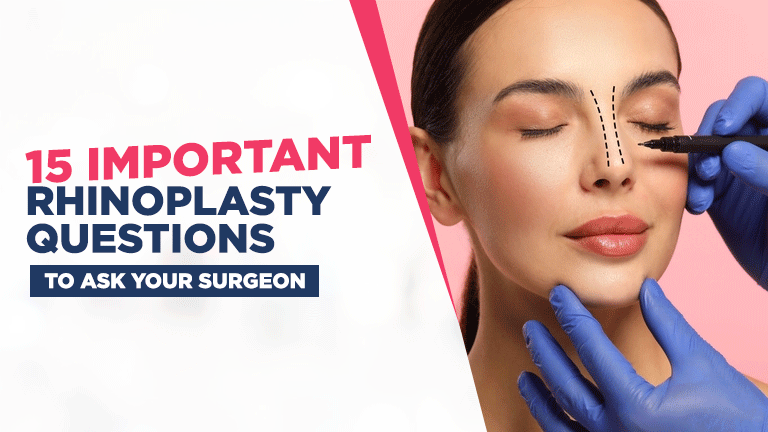
Before undergoing rhinoplasty surgery treatment in Delhi , it’s crucial to be well-informed about the procedure, its risks, and its outcomes. Asking the right questions can help you set realistic expectations, ensure your safety, and increase your satisfaction with the results. This guide will walk you through 15 important questions to ask your surgeon to make an informed decision and achieve the best possible outcome.

What is Your Experience With Rhinoplasty?

Asking about a surgeon’s experience with rhinoplasty ensure you are in capable hands. Experience directly impacts the outcome of the surgery, affecting both aesthetic results and functional improvements. When evaluating their experience, inquire about the number of procedures they’ve performed and their specialization in rhinoplasty. For example, a surgeon who has completed over 8,000 rhinoplasties in the last 10 years demonstrates a high level of expertise and familiarity with various techniques and challenges, which can significantly enhance the likelihood of a successful result.

Am I a Good Candidate For Rhinoplasty?

Asking if you’re a good candidate for rhinoplasty ensures that the procedure aligns with your goals and health status. A suitable candidate typically has realistic expectations, is in good overall health, is over 18 years old, and has specific concerns about the nose that can be addressed through surgery. It’s important to disclose any existing medical conditions, such as chronic nasal issues or severe allergies, as these can affect the outcome. Candidates should also avoid surgery if they have unrealistic expectations or are still growing, as ongoing changes in facial structure may impact the results. Ensuring that you meet these criteria helps maximize the chances of a successful and satisfactory outcome.


What Technique Will You Use?

Asking, “What technique will you use?” is important for understanding how the surgeon plans to approach your rhinoplasty and how it might impact your results. The choice between open and closed rhinoplasty techniques depends on your specific case and desired outcomes. Open rhinoplasty involves an incision across the columella (the tissue between the nostrils) and provides a broader view of the nasal structures, making it suitable for more complex corrections. Closed rhinoplasty, with all incisions inside the nostrils, is less invasive and generally results in less visible scarring. The surgeon will select the technique based on factors such as the complexity of your nasal issues and your anatomical considerations to ensure the best possible outcome.

What Can I Expect During Recovery?

Asking this question helps to prepare yourself for the post-surgical period and to ensure a smooth healing process. Recovery from rhinoplasty typically involves a few key stages. Initially, you can expect swelling, bruising, and some discomfort, which are common and manageable with prescribed medications. You’ll need to wear a nasal splint and possibly have packing inside your nose for a few days. Most patients can return to light activities within a week, but should avoid strenuous exercise and heavy lifting for several weeks. It’s crucial to follow the surgeon’s post-operative care instructions, including attending follow-up appointments, to monitor healing and address any concerns. 

How Long Until I See Final Results?

Asking such a question helps set realistic expectations about the outcome of your rhinoplasty. While initial results may be visible within a few weeks, the final results of rhinoplasty can take several months to fully materialize. Swelling and bruising will subside over time, but subtle changes in the nasal shape may continue to evolve for up to a year. The majority of swelling usually resolves within the first few months, but complete refinement of the nasal contours may not be apparent until the healing process is fully complete.

What Are the Risks of Rhinoplasty Surgery?

Asking “What are the risks of rhinoplasty surgery?” is crucial for understanding potential complications and making an informed decision. Rhinoplasty, like any surgical procedure, carries risks, including infection, bleeding, and adverse reactions to anesthesia. Other risks specific to rhinoplasty include nasal obstruction, asymmetry, or dissatisfaction with the cosmetic results. Some patients may experience prolonged swelling or scarring. While these risks are relatively rare and can often be managed or mitigated, it’s important to discuss them with your surgeon. 

Can You Show Before-And-After Photos?

Asking this questions helps in assessing the surgeon’s skill and the potential outcomes of your rhinoplasty. Reviewing these photos provides insight into the surgeon’s experience and the results they have achieved with previous patients. It helps you gauge their ability to deliver results that align with your aesthetic goals. Look for photos of patients with similar concerns or nasal features to yours for a more relevant comparison. These images also help set realistic expectations and ensure you are comfortable with the surgeon’s style and approach before proceeding with the surgery.

What Type of Rhinoplasty is Best For Me?

Asking “What type of rhinoplasty is best for me?” is essential for understanding how the procedure will be tailored to meet your specific needs and goals. The choice of rhinoplasty type—open or closed, and whether it’s structural, functional, or cosmetic—depends on various factors, including your nasal anatomy, desired outcomes, and any functional issues you may have. Open rhinoplasty offers more visibility for complex cases, while closed rhinoplasty is less invasive and generally results in less scarring. Your surgeon will evaluate your unique case and recommend the most suitable technique to achieve the best results, ensuring that both cosmetic and functional needs are addressed effectively.

What is The Revision Rate For This Procedure?

This question helps you understand the likelihood of needing additional surgery after your initial procedure. The revision rate refers to the percentage of patients who require a secondary surgery to address issues or achieve the desired results. While many patients are satisfied with their initial rhinoplasty, some may experience complications or dissatisfaction that necessitate revision surgery. A lower revision rate generally indicates a higher success rate with initial procedures. Discussing this with your surgeon helps you understand the potential for additional interventions and ensures you are prepared for any possible outcomes.

What Is The Expected Recovery Time for Rhinoplasty Surgery?

This question helps to plan your post-surgical activities and manage expectations. Typically, initial recovery involves swelling and bruising, which can last for about 1-2 weeks. Most patients can return to light daily activities within a week, but it’s advisable to avoid strenuous exercise and heavy lifting for several weeks. Complete healing, where the final results become apparent, can take several months to a year. Understanding these timeframes helps you prepare for time off work, follow the appropriate care instructions, and ensure a smooth recovery process.

What Factors Can Affect Healing?

Asking such question is important to understanding how various elements can influence your recovery and the final results of your rhinoplasty. Several factors can impact healing, including your overall health, age, and adherence to post-operative care instructions. Smoking and certain medications can also hinder the healing process and increase the risk of complications. Additionally, following the surgeon’s advice on activity restrictions, managing swelling, and attending follow-up appointments plays a significant role in achieving optimal results. Being aware of these factors helps you take proactive steps to support a smooth and effective recovery.
What is The Total Cost of Rhinoplasty Surgery?

This question helps you in budgeting and financial planning. The total cost typically includes the surgeon’s fees, anesthesia, facility charges, and any post-operative care or follow-up visits. On an average, the cost of rhinoplasty surgery in India range from Rs 75000 to 120,000. It’s important to clarify whether the quoted price covers all aspects of the procedure or if there are additional expenses. Insurance coverage for cosmetic procedures can vary, so discussing payment options and potential financing plans with the surgeon’s office is also beneficial. 

What Should I Do To Prepare For Surgery?

Answer of this question will ensure a smooth and successful rhinoplasty procedure. Preparation typically involves several steps, such as undergoing pre-operative assessments and tests to confirm your suitability for surgery. You may need to adjust or stop certain medications, avoid smoking, and follow specific dietary guidelines. Additionally, arranging for transportation and post-surgery care, and ensuring you have a comfortable recovery environment, are important. Following the surgeon’s pre-operative instructions closely helps minimize risks and supports a better overall outcome.

What Are Your Recommendations for Post-Surgery Care?

To ensure a smooth recovery and achieve the best results from your rhinoplasty, this question is important. Post-surgery care typically includes managing swelling and bruising with prescribed medications and cold compresses, keeping your head elevated, and avoiding activities that could impact your nose, such as vigorous exercise or heavy lifting. You may also need to follow specific instructions for cleaning and caring for your nasal splint or any surgical dressings. Adhering to these recommendations and attending follow-up appointments are crucial for monitoring your healing progress and addressing any issues promptly.

Will I Need Any Additional Procedures?

Asking “Will I need any additional procedures?” is important to understand if further interventions might be required to achieve your desired outcome. Depending on your initial results and goals, additional procedures could include minor touch-ups or revisions to refine the nasal appearance or function. The need for further procedures often depends on the complexity of your case and your surgeon’s assessment. Discussing this with your surgeon helps you prepare for any potential future steps and ensures you have a clear understanding of the complete treatment plan and expected outcomes.

Conclusion

Navigating the decision to undergo rhinoplasty requires thorough research and clear communication with your surgeon. By asking the right questions, such as those outlined in this article, you can gain a deeper understanding of the procedure, set realistic expectations, and ensure that your surgeon’s expertise aligns with your goals. From assessing their experience and the techniques they use to understanding the recovery process and potential costs, each question plays a crucial role in preparing you for a successful outcome. Taking the time to address these questions not only empowers you to make informed decisions but also helps pave the way for a smoother, more satisfying rhinoplasty experience.

Nose Job | Rhinoplasty Costs in India 2024: Everything You Need to Know

Rhinoplasty Cost

With the increasing popularity of aesthetic surgeries, many individuals in India are considering rhinoplasty treatment in Delhi to achieve their desired look. However, one of the most crucial aspects to consider before undergoing this transformative procedure is the cost. 

In this comprehensive guide, we will delve into the various factors that influence the cost of rhinoplasty in India in 2024, providing you with a clear picture of what to expect. Whether you’re looking for a minor adjustment or a complete nasal reconstruction, this article will equip you with the knowledge needed to navigate the costs associated with rhinoplasty.

Average Rhinoplasty Cost in India

Rhinoplasty, also known as nose jobs or nose reshaping, is a popular cosmetic procedure in India. In 2024, the average cost of rhinoplasty in India ranges between ₹40,000 to ₹2,50,000. Several factors influence the cost of rhinoplasty, including: 

  1. Surgeon’s Expertise and Reputation: Highly experienced and renowned surgeons often charge higher fees due to their advanced skills and proven track records of successful surgeries.
  2. Clinic or Hospital Location: The cost of rhinoplasty can vary significantly based on the geographical location of the clinic. Urban centers like Mumbai, Delhi, and Bangalore tend to have higher costs compared to smaller cities and towns.
  3. Complexity of the Procedure: The nature and extent of the surgical intervention required can impact the cost. Complex procedures involving extensive reshaping or reconstruction will be more expensive than minor adjustments.
  4. Type of Anesthesia Used: The choice between local and general anesthesia also affects the overall cost. General anesthesia typically incurs higher fees due to the need for an anesthesiologist and additional monitoring.
  5. Post-operative Care and Follow-ups: Comprehensive post-operative care, including follow-up consultations and potential revisions, contribute to the total cost. High-quality care ensures better outcomes and fewer complications.

Also Read : Is Rhinoplasty Safe for Diabetic Patients?

Rhinoplasty Cost Breakdown

1. Pre-surgery Costs

Before the actual surgery, there are several essential expenses that patients must consider:

  • Consultation Fees: The initial consultation with the surgeon, where your goals and the procedure details are discussed, usually incurs a fee. This can range from ₹1,000 to ₹5,000 depending on the surgeon’s expertise and location.
  • Diagnostic Tests: Pre-surgery diagnostic tests such as blood tests, imaging (X-rays or CT scans), and other required medical evaluations can cost between ₹3,000 to ₹10,000.
  • Medication and Preparation Costs: Pre-surgery medications, including antibiotics and any necessary pre-operative preparations, can add an additional ₹1,000 to ₹3,000 to the total cost.

2. Surgery Cost

The primary expenses of the rhinoplasty procedure itself include:

  • Surgeon’s Fee: The surgeon’s fee is a significant part of the total cost and can vary widely based on the surgeon’s experience, reputation, and the complexity of the procedure. This fee generally ranges from ₹50,000 to ₹1,50,000.
  • Anesthesia Fee: The type of anesthesia used (local or general) affects the cost. Anesthesia fees typically range from ₹10,000 to ₹30,000.
  • Operation Theatre Charges: The use of the operation theatre and its facilities contributes to the overall expense. These charges can range from ₹20,000 to ₹50,000.

3. Day Care or Hospital Stay Charges

Post-surgery care is crucial for a successful recovery and involves several costs:

  • Hospital Room Charges: Depending on the type of room chosen (general ward, semi-private, or private room), the charges can vary. Typically, room charges range from ₹5,000 to ₹20,000 per day.
  • Post-surgery Care: This includes follow-up visits, removal of stitches, and any additional treatments required for a smooth recovery, costing around ₹5,000 to ₹15,000.
  • Additional Medical Expenses: Any extra medications, dressings, or special care requirements during the hospital stay may add another ₹2,000 to ₹5,000.

Total Estimated Cost of Rhinoplasty Surgery

When combining all the aforementioned costs, the total estimated cost of rhinoplasty surgery in India can range from ₹70,000 to ₹2,50,000. This estimate includes pre-surgery consultations and tests, the actual surgical procedure, and post-surgery care.

However, potential variations in the total cost can occur due to factors such as the surgeon’s expertise, the complexity of the surgery, the type of anesthesia used, and the location of the clinic or hospital. Patients are encouraged to discuss all potential costs with their surgeon during the initial consultation to ensure they have a clear understanding of the financial commitment involved.

Different Types of Nose Surgery (Rhinoplasty) Cost in India

If you’re contemplating nose surgery in India, it’s essential to grasp the cost structure for various procedures to plan your budget efficiently. Below, we provide an estimated range of average, minimum, and maximum costs for the most common types of nose surgeries performed in the country:

Cost of Different Types of Nose Surgery in India

Type of TreatmentAverage CostMinimum CostMaximum Cost
Septoplasty₹45,500₹35,500₹60,500
Fess Surgery₹55,500₹45,500₹70,500
Rhinoseptoplasty₹137,000₹70,500₹250,000
Turbinate Reduction Surgery₹55,000₹40,500₹65,000
Nose Fracture Management₹125,000₹40,500₹250,000
Nasal Polypectomy₹55,500₹45,500₹75,000


Cost Breakdown for Rhinoplasty in Major Cities of India

If you’re planning to undergo rhinoplasty in India, it’s important to understand the cost variations across different cities to make a well-informed decision. Here, we break down the average cost range for rhinoplasty in major cities of India:

Rhinoplasty Cost in Major Cities of India

CityCost Range (INR)
Delhi₹35,000 – ₹1,50,000
Bangalore₹40,000 – ₹2,00,000
Mumbai₹30,000 – ₹1,70,000
Gurgaon₹40,000 – ₹2,00,000
Chennai₹75,000 – ₹2,00,000
Hyderabad₹30,000 – ₹2,00,000
Pune₹35,000 – ₹1,50,000

By understanding the cost variations for different types of nose surgeries and the price differences across various cities, you can better plan your rhinoplasty procedure in India, ensuring you get the best value for your investment.

How to Minimize Rhinoplasty Cost in India? 

1. Research and Compare Prices

To find the best deal for your rhinoplasty, it’s crucial to research and compare prices between different clinics. Here are some tips:

  • Consult Multiple Clinics: Schedule consultations with several clinics to get a range of quotes.
  • Check Online Reviews: Look at patient reviews and testimonials to gauge the quality and cost-effectiveness of various clinics.
  • Ask for Detailed Estimates: Ensure each clinic provides a comprehensive breakdown of all costs involved.

2. Choose a Reputable Surgeon

Selecting a qualified and experienced surgeon is vital for a successful rhinoplasty. Here’s why:

  • Expertise Reduces Risk: An experienced surgeon minimizes the risk of complications, potentially saving you from costly revisions.
  • Long-term Satisfaction: A skilled surgeon ensures better aesthetic results, reducing the need for future corrections.
  • Professional Advice: Reputable surgeons provide thorough pre- and post-operative care, which is crucial for a smooth recovery.

3. Consider Alternative Locations

Opting for clinics in smaller cities or towns can lead to significant cost savings:

  • Lower Overheads: Clinics in smaller cities generally have lower operational costs, which can translate to lower surgery fees.
  • Comparable Quality: Many smaller cities have highly qualified surgeons offering excellent care at reduced prices.
  • Travel Costs: Factor in travel and accommodation costs when considering clinics outside major urban centers.

4. Discuss Financing Options

Explore available financing options and payment plans to make the procedure more affordable:

  • Installment Plans: Many clinics offer payment plans that allow you to spread the cost over several months.
  • Medical Loans: Specialized medical loans are available to cover cosmetic surgery expenses.
  • Credit Options: Some clinics accept credit card payments, providing additional flexibility in managing expenses.

5. Opt for Local Anesthesia

Choosing local anesthesia can be more cost-effective than general anesthesia:

  • Lower Fees: Local anesthesia generally incurs lower costs compared to general anesthesia.
  • Faster Recovery: Patients typically recover more quickly from local anesthesia, potentially reducing post-operative care costs.
  • Fewer Risks: Local anesthesia reduces the risk of complications, leading to lower overall expenses.

6. Combine Procedures

Combining rhinoplasty with other cosmetic procedures can offer cost advantages:

  • Shared Costs: Combining procedures can reduce the overall cost by sharing anesthesia, facility, and surgeon fees.
  • Comprehensive Results: Undergoing multiple procedures at once can enhance overall aesthetic results, minimizing the need for future surgeries.
  • Single Recovery Period: Combining procedures means only one recovery period, reducing time off work and associated costs.

7. Follow Pre and Post-Operative Instructions

Adhering to medical advice can prevent complications and additional costs:

  • Pre-operative Care: Following pre-surgery guidelines can optimize your health, reducing the risk of complications during surgery.
  • Post-operative Care: Strictly following post-surgery care instructions ensures a smooth recovery and minimizes the likelihood of costly medical issues.
  • Regular Check-ups: Attend all scheduled follow-up appointments to monitor your progress and address any concerns promptly.

Does Rhinoplasty Have Insurance Coverage?

When considering rhinoplasty, it’s essential to understand whether your health insurance can help cover the costs. Here’s a detailed look at the insurance policies and coverage for rhinoplasty in India:

Health insurance typically covers medically necessary procedures rather than purely cosmetic surgeries. Rhinoplasty, if performed for medical reasons such as correcting a deviated septum, repairing nasal fractures, or resolving breathing issues, may be covered by insurance. However, cosmetic rhinoplasty, which is performed solely for aesthetic purposes, is generally not covered by health insurance policies.

Types of Rhinoplasty Procedures Covered by Insurance

Insurance coverage for rhinoplasty depends on the underlying reason for the surgery. Here are some scenarios where insurance may provide coverage:

  • Functional Rhinoplasty: If the procedure is necessary to correct functional issues such as breathing difficulties, obstructed nasal passages, or congenital defects, it is more likely to be covered by insurance.
  • Reconstructive Rhinoplasty: This includes surgeries to repair damage caused by trauma, accidents, or medical conditions. Insurance companies often cover these types of procedures.
  • Septoplasty: While technically a separate procedure, septoplasty to correct a deviated septum is frequently covered and can be performed in conjunction with rhinoplasty.

Steps to Claim Insurance for Rhinoplasty

To ensure your rhinoplasty procedure is covered by insurance, follow these steps:

  1. Consult with Your Surgeon: Discuss the medical necessity of your rhinoplasty with your surgeon. Obtain a detailed medical report and recommendation from your surgeon, specifying the functional or reconstructive need for the surgery.
  2. Check Your Insurance Policy: Review your health insurance policy to understand the specific coverage details. Contact your insurance provider to confirm whether your policy covers the type of rhinoplasty you need.
  3. Pre-authorization: Many insurance companies require pre-authorization for surgeries. Submit your surgeon’s report and any additional required documentation to your insurance provider to obtain pre-authorization.
  4. Document Everything: Keep thorough records of all consultations, diagnostic tests, and medical reports. This documentation will be crucial when filing your insurance claim.
  5. Submit the Claim: After the surgery, submit a detailed claim to your insurance company, including all medical reports, pre-authorization documents, and invoices. Ensure all forms are correctly filled out and all required documentation is attached.
  6. Follow Up: Stay in contact with your insurance provider to monitor the status of your claim. Provide any additional information they may request promptly to avoid delays in processing your claim.

By understanding your insurance coverage and following these steps, you can navigate the process of claiming insurance for medically necessary rhinoplasty procedures, potentially reducing your out-of-pocket expenses.

Conclusion

Planning for rhinoplasty in India requires careful consideration of various factors influencing the cost. By researching and comparing prices, choosing a reputable surgeon, considering alternative locations, discussing financing options, opting for local anesthesia, combining procedures, and following pre- and post-operative instructions, you can effectively manage and minimize the cost of your rhinoplasty. Making informed decisions will ensure you achieve the best possible results within your budget.


Is Rhinoplasty Safe for Diabetic Patients?

Rhinoplasty, commonly known as a nose job, continues to be one of the most sought-after cosmetic procedures worldwide. For diabetic individuals intrigued by the possibility of enhancing their facial appearance through rhinoplasty, the question of safety naturally arises. 

Is rhinoplasty safe for diabetic patients? The answer is YES, Rhinoplasty is safe for diabetic patients if performed under an experienced plastic surgeon. 

However, it’s crucial to go deeper into the nuances to ensure a safe and successful experience. Addressing safety concerns is paramount, especially for diabetic individuals considering surgery, as managing diabetes adds layers of consideration to any medical procedure.

Relationship in Diabetes and Surgical Risks

Diabetes, a condition characterized by high blood sugar levels, requires careful consideration in surgical settings due to its potential impacts on healing and recovery. For diabetic patients considering rhinoplasty (nose job surgery), it’s crucial to understand how diabetes can affect surgical outcomes. Diabetes can potentially increase the risk of complications such as delayed wound healing, infection, and fluctuating blood sugar levels during and after surgery.

Specific risks associated with rhinoplasty for diabetic patients include:

  • Delayed Wound Healing: High blood sugar levels can impair the body’s ability to heal wounds effectively, prolonging recovery times post-surgery.
  • Infection: Diabetics are more prone to infections, which can complicate recovery and affect surgical outcomes.
  • Anesthesia Management: Diabetes can influence how anesthesia affects the body, requiring careful monitoring and adjustment by medical professionals.

Understanding these risks allows diabetic individuals to prepare adequately and work closely with healthcare providers to mitigate potential complications.

Preparing for Rhinoplasty with Diabetes

Preparing for rhinoplasty involves meticulous planning, especially for individuals managing diabetes. Prior to undergoing surgery, several key steps can help ensure a safe and successful outcome:

Importance of Pre-operative Assessments and Consultations

Before scheduling rhinoplasty, it’s essential for diabetic patients to undergo thorough pre-operative assessments. These assessments include:

  • Comprehensive Medical History: Providing detailed information about diabetes management, current medications, and any existing complications.
  • Physical Examination: Assessing overall health, including cardiovascular and renal function, which can be affected by diabetes.

Consultations with both an endocrinologist and a plastic surgeon are crucial. An endocrinologist can help optimize diabetes management pre-surgery, ensuring blood sugar levels are stable and well-controlled.

Guidelines for Managing Diabetes Medications and Blood Sugar Levels

Managing diabetes medications and blood sugar levels before surgery is critical for minimizing risks and optimizing healing. Guidelines include:

  • Medication Adjustments: Working with healthcare providers to adjust diabetes medications as needed before surgery to achieve stable blood sugar levels.
  • Monitoring: Regular monitoring of blood glucose levels in the days leading up to surgery and on the day of the procedure.
  • Hydration and Nutrition: Ensuring adequate hydration and maintaining a balanced diet to support overall health and recovery.

By adhering to these guidelines and maintaining open communication with healthcare providers, diabetic patients can enhance their readiness for rhinoplasty and reduce the likelihood of complications.

Anesthesia Considerations for Diabetic Patients During Rhinoplasty

During rhinoplasty, anesthesia management is crucial, especially for diabetic patients. Specific considerations include:

  • Blood Sugar Monitoring: Continuous monitoring of blood glucose levels throughout the procedure to ensure stability.
  • Anesthesia Type: Selection of appropriate anesthesia type based on diabetes management and overall health status.
  • Careful Monitoring: Vigilant monitoring of vital signs and blood sugar levels by an experienced anesthesia team to prevent complications.

Discussing anesthesia options and potential risks with both your plastic surgeon and anesthesiologist beforehand ensures that appropriate measures are in place for a safe surgical experience.

Post-operative Care Tips to Promote Healing and Minimize Complications

After rhinoplasty, diabetic patients require attentive post-operative care to support healing and reduce the risk of complications:

  • Monitoring Blood Sugar Levels: Regular monitoring of blood glucose levels to detect any fluctuations promptly.
  • Wound Care: Proper wound care instructions to prevent infections, including keeping incision sites clean and dry.
  • Medication Management: Strict adherence to post-operative medication schedules, including pain management and diabetes medications.
  • Follow-up Appointments: Scheduling follow-up appointments with both the plastic surgeon and endocrinologist to monitor recovery and diabetes control.

Choosing the Right Surgeon for Rhinoplasty (Nose Job Surgery)

Selecting a qualified and experienced plastic surgeon is paramount for diabetic patients considering rhinoplasty (nose reshaping surgery). Key considerations include:

  • Expertise in Handling Diabetes: Experience in managing surgical procedures for diabetic patients, understanding the unique challenges and considerations.
  • Board Certification: Ensuring the surgeon is certified by recognized boards, indicating they meet high standards of training and expertise.
  • Patient Safety Record: Reviewing the surgeon’s track record of safety and success in performing rhinoplasty procedures.

A skilled surgeon not only enhances surgical outcomes but also provides comprehensive care tailored to the needs of diabetic patients, ensuring safety and comfort throughout the process.

Questions to Ask During Consultations to Ensure Safety and Comfort

During consultations with potential surgeons, diabetic patients should ask pertinent questions to assess their suitability:

  • Experience with Diabetic Patients: Inquiring about the surgeon’s experience in performing rhinoplasty on diabetic patients and their approach to managing diabetes-related concerns.
  • Surgical Plan and Expectations: Discussing the surgical plan, including anesthesia options, post-operative care, and expected outcomes specific to diabetic patients.
  • Complication Management: Understanding how the surgeon manages potential complications related to diabetes during and after rhinoplasty.

By asking these questions and discussing their concerns openly, diabetic patients can make informed decisions and feel confident in their choice of surgeon for rhinoplasty.

Setting Realistic Expectations for Rhinoplasty Surgery in Diabetes

Managing expectations is crucial for diabetic patients considering rhinoplasty. While rhinoplasty can enhance facial appearance, it’s essential to understand the following:

  • Potential Limitations: Diabetes may affect healing processes and surgical outcomes, potentially influencing final cosmetic results.
  • Communication with Surgeon: Clear communication with the surgeon about desired outcomes and realistic expectations given individual health considerations.

By aligning expectations with the potential impacts of diabetes, patients can approach rhinoplasty with a realistic perspective.

Recovery Timeline and Tips for Diabetic Patients

Recovery from rhinoplasty involves a structured timeline and specific considerations for diabetic patients:

  • Initial Recovery Period: Expect initial discomfort, swelling, and bruising, which typically subside within the first week.
  • Monitoring Blood Sugar Levels: Continuously monitoring blood glucose levels to ensure they remain stable during the recovery phase.
  • Follow Post-operative Instructions: Adhering strictly to post-operative care instructions provided by the surgeon, including medication schedules and wound care.
  • Consultation with Endocrinologist: Scheduling follow-up appointments with an endocrinologist to manage diabetes medications and overall health during recovery.

Rhinoplasty Surgery Cost in Delhi 

The Nose Job surgery cost in Delhi can vary depending on several factors, including the surgeon’s expertise, the complexity of the procedure, the clinic’s location, and the specific goals of the patient. Generally, the Rhinoplasty surgery cost in Delhi ranges from ₹15,000 to ₹2,00,000 or more.

Factors Affecting Rhinoplasty Surgery Cost:

  • Surgeon’s Experience and Reputation: Highly experienced and reputable surgeons may charge higher fees.
  • Procedure Complexity: The extent of surgical corrections required, such as reshaping the nasal tip or correcting breathing issues, can influence costs.
  • Clinic Facilities: The quality of facilities and amenities provided by the clinic can impact pricing.
  • Additional Costs: Anesthesia fees, hospital or surgical facility fees, post-operative medications, and follow-up appointments may add to the total cost.

Conclusion

In conclusion, rhinoplasty can be a safe and effective procedure for diabetic patients seeking to enhance their facial appearance. By addressing specific safety considerations, such as managing blood sugar levels and selecting a qualified surgeon experienced in handling diabetic patients, individuals can minimize risks and optimize surgical outcomes.

It’s crucial for diabetic patients considering rhinoplasty to seek personalized advice from healthcare providers. Consulting with both a plastic surgeon and an endocrinologist allows for thorough pre-operative assessments and tailored care plans that prioritize health and safety.

At Eximus Clinic, we understand the unique needs of diabetic patients undergoing rhinoplasty. Our team of experienced plastic surgeons and dedicated healthcare professionals is committed to providing safe, compassionate, and personalized care. We offer comprehensive consultations, customized treatment plans, and ongoing support to ensure the best possible outcomes for every patient.

Whether you’re exploring rhinoplasty for cosmetic enhancement or functional improvement, trust Eximus Clinic for expert care that prioritizes your health and aesthetic goals.