Best Hair PRP Treatment in Delhi

Struggling with hair thinning or excessive hair fall? At Clinic Eximus , we offer the best Hair PRP treatment in Delhi, designed to restore your hair’s strength and volume naturally. Our expert team has successfully performed 2000+ procedures, helping countless individuals regain confidence. PRP stimulates hair growth, strengthens roots, and improves scalp health. Book your appointment today and take the first step toward healthier hair!

What Is Hair PRP Treatment?

Hair PRP (Platelet-Rich Plasma) treatment is a non-surgical procedure that stimulates natural hair growth using your own blood’s healing properties. It works by injecting platelet-rich plasma into the scalp, boosting hair follicle regeneration.

Types of PRP Treatment:

  • Pure PRP: Uses concentrated platelets for hair growth.
  • PRF (Platelet-Rich Fibrin): A more advanced version with slower platelet release.

Ideal for both men and women in their 20s to 50s, the procedure takes about 60–90 minutes. With a success rate of 80–90% in Delhi, PRP is a trusted solution for hair restoration. Book a consultation today!

Hair PRP Treatment Cost in Delhi

The average cost of Hair PRP treatment in Delhi ranges from ₹5,000 to ₹15,000 per session, depending on various factors. Most patients need 3–6 sessions for optimal results.

Factors Affecting PRP Cost:

  • Clinic reputation – Experienced specialists may charge more.
  • Number of sessions – More sessions increase the total cost.
  • PRP technique used – Advanced methods like PRF may cost higher.
  • Equipment & technology – High-end tools influence pricing.
  • Clinic location – Premium areas may have higher costs.

Estimated Cost per Session:

Number of Sessions Cost per Session (₹)
1 Session 5,000 – 15,000
3 Sessions 12,000 – 35,000
6 Sessions 25,000 – 75,000

Is PRP Covered by Insurance?
Hair PRP treatment is considered a cosmetic procedure, so it is not covered by insurance. However, some clinics offer EMI or financing options. Book a consultation to know more!

Benefits of Hair PRP Treatment

Hair PRP treatment is a safe, non-surgical solution for hair loss with long-lasting results. While it may require maintenance sessions, it significantly improves hair density and scalp health over time.

  • Stimulates natural hair growth
  • Strengthens hair follicles
  • Reduces hair thinning & shedding
  • Improves scalp health
  • Non-surgical & minimally invasive
  • Quick recovery with no downtime
  • Safe for both men & women

Experience healthier, fuller hair with PRP! Book your consultation today!

How Does Hair PRP Treatment Work?

Hair PRP treatment is an effective, natural solution for hair thinning and hair loss. It works by stimulating dormant hair follicles to promote new growth and strengthen existing strands.

Who is The Ideal Candidates For PRP Treatment 

Suitable for both men and women (20–50 years old) experiencing hair thinning, androgenetic alopecia, or post-hair transplant recovery. Not recommended for those with blood disorders or active scalp infections.

PRP Treatment  Procedure Steps

  • Blood sample collection – Small amount drawn from arm
  • Platelet separation – Spun in a centrifuge machine
  • PRP extraction – Growth factors isolated
  • Scalp numbing – Local anesthesia applied
  • PRP injection – Directly into affected areas

Results typically appear within 3–6 months, with continued improvement over time. PRP can be combined with hair transplant, mesotherapy, or low-level laser therapy for enhanced results. Book your appointment today!

What Happens in Hair PRP Treatment?

Hair PRP treatment is a simple, non-surgical procedure that restores hair growth naturally by injecting platelet-rich plasma into the scalp. It involves three key phases: preparation, the procedure, and post-care.

Before Treatment

  • Avoid blood thinners & alcohol for 48 hours
  • Stay hydrated for better blood draw
  • Wash hair with mild shampoo, no styling products
  • Inform doctor about medications & medical history
  • Eat a light meal to prevent dizziness

During Treatment

  • Blood drawn from arm for PRP extraction
  • Platelets separated using a centrifuge machine
  • Local anesthesia applied for comfort
  • PRP injected into thinning areas of scalp
  • Session lasts 60–90 minutes

After Treatment

  • Mild swelling or redness may occur temporarily
  • Avoid hair wash for 24 hours
  • No strenuous activity or sweating for 48 hours
  • Use doctor-recommended hair products only
  • Visible improvement starts in 3–6 months

Common Questions

Restrictions? Avoid heavy workouts, swimming, and direct sun exposure for 48 hours.
Anesthesia? Local numbing cream or injection is used.
When can I style my hair? After 24 hours, but avoid harsh chemicals for a week.

Book your PRP session today!

Side Effects of Hair PRP Treatment and Recovery Time

Hair PRP treatment is safe and minimally invasive, but mild side effects may occur. These include temporary redness, swelling, mild discomfort, or slight bruising at the injection site. These effects usually subside within 24–48 hours. Serious complications are rare when performed by experts.

Recovery Timeline

  • First 24 Hours – Mild swelling, redness; avoid touching scalp
  • 48 Hours – No heavy exercise, hair washing, or sun exposure
  • 1 Week – Minor tenderness fades, hair care routine can resume
  • 3–6 Months – Visible hair growth improvement starts
  • 12 Months – Full results achieved, maintenance sessions may be needed

How Long Do Results Last?

PRP results can last 12–18 months, depending on individual response and hair care routine. Maintenance sessions every 6–12 months help sustain results.

Is PRP Safe? Any Risks?

PRP is 100% natural since it uses your own blood, reducing allergic reactions. Risks are minimal but may include infection (rare), minor scalp sensitivity, or temporary headache.

Want fuller, healthier hair? Book your PRP session today!

Clinic Eximus Offers More Under Hair PRP Treatment

Hair PRP treatment at [Clinic Name] stands out due to advanced techniques, experienced specialists, and customized treatment plans. Unlike other hair restoration methods, PRP is non-surgical, natural, and promotes long-term hair growth.

PRP Treatment for Other Areas

Treatment Area Purpose
Scalp Hair regrowth, reduces thinning
Face Skin rejuvenation, anti-aging
Hands Improves skin texture
Joints Pain relief, healing support

PRP works best for early-stage hair thinning and androgenetic alopecia. Used for over a decade, it has gained popularity for safe, effective hair restoration.

Book your consultation today!

FAQs 

Are there any new techniques in this treatment?

Yes! Advanced PRP methods, like Growth Factor Concentrate (GFC) and Stem Cell PRP, enhance results by using more concentrated platelets for faster hair regrowth.

Is it true that PRP works instantly?

No, this is a myth. PRP stimulates gradual hair regrowth, with visible results in 3–6 months. It requires patience and consistency.

What happens if the treatment doesn’t work?

If PRP doesn’t show expected results, combining it with hair transplants, mesotherapy, or laser therapy can improve effectiveness. Your doctor may suggest alternative solutions based on your scalp condition.

How does age affect the results of PRP treatment?

Younger individuals (20–40 years) with early-stage hair thinning respond better, as their follicles are more active. Older individuals may need additional sessions for noticeable improvement.

Is this a painful procedure?

PRP involves mild discomfort due to injections, but numbing creams make it more comfortable. Most patients tolerate it well.

Can I continue my normal activities after this procedure?

Yes! Avoid heavy workouts, swimming, and direct sun exposure for 48 hours, but daily tasks can resume immediately.

What is the best PRP treatment near me?

Clinic Eximus  in Delhi  is a top-rated choice for safe, effective PRP treatment with expert care and proven results. Book your consultation today!
Advanced Hair Fall Treatment in Noida : Cost and Benefits

Advanced Hair Fall Treatment in Noida : Cost and Benefits

Struggling with hair fall and looking for a reliable solution? At  Clinic Eximus , we specialize in advanced hair fall treatments designed to restore your confidence. Our proven solutions, including PRP, GFC, and mesotherapy, have helped thousands regain healthier, stronger hair. With years of expertise and successful procedures, we’re here to help you. Book your consultation today and take the first step toward fuller hair!

What Is PRP Hair Fall Treatment?

PRP (Platelet-Rich Plasma) therapy is a non-surgical hair fall treatment that stimulates natural hair growth using your own blood’s healing properties. It works by injecting concentrated platelets into the scalp to strengthen hair follicles.

Types of PRP Treatment:

  • Standard PRP
  • PRP with Growth Factors

Ideal for both men and women, PRP is most effective for individuals aged 25-50 experiencing early to moderate hair loss. The procedure takes about 45-60 minutes and requires minimal downtime. In Noida, PRP hair treatment has shown a success rate of 80-90% when combined with proper hair care. Ready to restore your hair? Book your consultation today!

PRP Hair Fall Treatment Cost in Noida

The average cost of PRP hair fall treatment in Noida ranges from ₹5,000 to ₹15,000 per session, depending on various factors.

Cost Breakdown per Session

Type of PRP Treatment Cost (₹)
Standard PRP 5,000 – 8,000
PRP with Growth Factors 10,000 – 15,000

Factors Affecting Cost:

  • Clinic reputation
  • Doctor’s expertise
  • Number of sessions
  • Technology used
  • Additional medications

PRP therapy is generally not covered under insurance as it falls under cosmetic and elective procedures. However, some clinics offer EMI options to make treatment more affordable. Want to know the best option for you? Book a consultation today!

Benefits of PRP Hair Fall Treatment

PRP therapy is a natural and effective solution for hair loss, promoting thicker, healthier hair. While results are long-lasting, maintenance sessions may be required for optimal outcomes.

  • Stimulates natural hair growth
  • Strengthens weak hair follicles
  • Reduces hair thinning and shedding
  • Non-surgical and minimally invasive
  • Quick procedure with no downtime
  • Improves scalp health and circulation
  • Safe with no major side effects

Looking for a personalized hair restoration plan? Book a consultation today!

How Does PRP Hair Fall Treatment Work?

PRP therapy is a cutting-edge solution that rejuvenates hair follicles and promotes natural hair growth. It’s ideal for men and women aged 25-50 experiencing hair thinning or early-stage hair loss. Those with conditions like androgenetic alopecia benefit the most.

How PRP Works:

PRP utilizes the growth factors in your own blood to repair and strengthen weak hair follicles, improving hair density and reducing shedding.

Procedure Steps:

  • Blood sample collection
  • Platelet separation via centrifuge
  • PRP injection into scalp
  • Scalp massage for better absorption

Results usually start appearing in 3-4 months, with full effects visible in 6-12 months. PRP can be combined with Hair GFC, Mesotherapy, and Minoxidil for enhanced results. Want to know if PRP is right for you? Book a consultation today!

What Happens in PRP Hair Fall Treatment?

PRP therapy is a simple, minimally invasive procedure that uses your own blood’s healing properties to restore hair growth. It involves three key stages: preparation, injection, and post-care.

Before Treatment:

  • Avoid alcohol, smoking, and blood thinners
  • Stay hydrated and eat a healthy meal
  • Wash your hair with a mild shampoo
  • Consult your doctor about medications
  • No salon treatments a week prior

During Treatment:

  • Blood is drawn from your arm
  • Platelets are separated using a centrifuge
  • PRP is injected into the scalp
  • Gentle scalp massage for better absorption
  • Entire session takes 45-60 minutes

After Treatment:

  • Avoid touching or washing the scalp for 24 hours
  • No heavy exercise for 48 hours
  • Use prescribed mild shampoo after 24-48 hours
  • Slight redness or swelling may occur
  • Follow-up session scheduled after 4-6 weeks

Common Questions:

  • Activity restrictions? Avoid excessive sweating, sun exposure, and salon treatments for 48 hours.
  • Anesthesia used? Typically, none; numbing cream may be applied for comfort.
  • When can I wash my hair? After 24-48 hours with a mild shampoo.

Want to start your hair restoration journey? Book your session today!

Side Effects of PRP Hair Fall Treatment and Recovery Time

PRP therapy is a safe, minimally invasive procedure with mild and temporary side effects. Some individuals may experience:

  • Mild scalp redness or swelling
  • Slight pain or tenderness at injection sites
  • Temporary itching or sensitivity
  • Minor bruising in rare cases
  • Temporary hair shedding (rare, part of the healing process)

Recovery Time & Timeline

PRP requires little to no downtime, and most people resume daily activities within a day.

  • First 24-48 hours – Mild redness, swelling, or tenderness
  • 3-7 days – Scalp fully heals, mild sensitivity fades
  • 3-4 months – Visible hair growth begins
  • 6-12 months – Full results appear

Is PRP Safe?

Yes, PRP is completely safe as it uses your own blood, reducing any risk of allergic reactions. However, individuals with blood disorders, infections, or chronic illnesses should consult a specialist before treatment.

How Long Do Results Last?

Results last 12-18 months, but maintenance sessions every 6-12 months help sustain hair growth.

Ready to restore your hair naturally? Book a consultation today!

Clinic Eximus Offers More Under PRP Hair Fall Treatment

At Clinic Eximus our advanced PRP therapy stands out due to higher platelet concentration, expert precision, and personalized care, ensuring better hair regrowth results. PRP is most effective for early-stage hair thinning and androgenetic alopecia and has been used for over a decade in hair restoration.

FAQs

Are there any new techniques in PRP treatment?

Yes, PRF (Platelet-Rich Fibrin) is an advanced form of PRP that releases growth factors over time, providing longer-lasting benefits.

Does PRP regrow hair on completely bald areas?

No, PRP works best for thinning hair and early-stage hair loss. It cannot revive completely inactive follicles.

What happens if PRP doesn’t work for me?

If PRP doesn’t show desired results, alternative treatments like Hair GFC, Mesotherapy, or Hair Transplant may be recommended.

How does age affect PRP results?

Younger individuals (25-45 years) with active hair follicles respond better than those with advanced baldness.

Is PRP a painful procedure?

Discomfort is minimal. A numbing cream is applied, making the procedure virtually painless.

Can I continue my normal activities after PRP?

Yes! You can resume work immediately, but avoid intense workouts and hair treatments for 48 hours.

What is the best PRP hair treatment near me?

For the best PRP hair fall treatment in Noida , visit Clinic Eximus —trusted by experts with a proven track record in hair restoration

Are GFC Results Permanent? How Many Sessions Are Needed for Lasting Hair Growth?

Are GFC Results Permanent?

Struggling with hair loss can be frustrating, but GFC hair treatment offers a promising solution. This cutting-edge treatment uses growth factors to stimulate hair regrowth, giving hope to many seeking a natural alternative. 

However, a common question is: “Are GFC results permanent?” While GFC hair treatments can produce long-lasting results, they are not permanent. 

Factors like lifestyle and genetics play a role in maintaining hair growth. 

In this blog, we’ll dive into how many sessions are required for lasting results and how you can maximize the effectiveness of your treatment for fuller, healthier hair.

What is GFC Hair Treatment?

GFC hair treatment stands for Growth Factor Concentrate, a powerful therapy that uses your body’s natural growth factors to stimulate hair restoration. 

It works by extracting growth factors from your own blood, which are rich in proteins and nutrients essential for hair growth. 

These factors are then concentrated and injected into the scalp to promote the regeneration of hair follicles. 

The science behind GFC hair treatment lies in its ability to repair damaged follicles, improve blood circulation, and encourage healthy hair regrowth, making it an effective solution for hair loss and thinning.

Are Hair GFC Results Permanent?

While GFC results can be highly effective, they are not permanent. 

The treatment stimulates hair follicles to promote hair regrowth, but the results will need to be maintained over time. 

Typically, GFC hair treatment offers long-lasting improvements, but factors such as lifestyle, hair care routine, and genetics can influence how long the results last. 

For instance, a healthy diet and good scalp care can support the longevity of hair growth. 

Regular maintenance sessions may also be required to keep the results intact, ensuring your hair remains thick and healthy for longer.

How Many GFC Sessions are Needed for Lasting Hair Growth?

For optimal results with GFC hair treatment, typically 4-6 sessions are recommended. 

These sessions are usually spaced out every 4-6 weeks to allow the hair follicles time to respond and regenerate. 

Each session builds upon the last, gradually improving hair density and strength. After the initial series, maintenance sessions are important to preserve and enhance the results. 

These maintenance treatments are typically scheduled every one month or 4 weeks (30 days), depending on your individual needs and hair growth progress. 

Regular follow-up sessions ensure that the benefits of GFC hair treatment last longer and continue to promote healthy hair growth.

What to Expect After Each Session?

After each GFC hair treatment session, you may notice mild redness or slight swelling on the scalp, which usually subsides within a few hours. 

There is no major downtime, allowing you to resume daily activities the same day.

In the first few sessions, hair fall may reduce, and the scalp may feel healthier. 

By the third or fourth session, new hair growth becomes visible, and existing hair appears thicker and stronger. 

Over time, with consistent sessions, hair density improves, leading to fuller and healthier hair. Maintenance sessions help sustain these results for the long run.

Factors That Can Affect GFC Hair Growth Results

Several factors influence the effectiveness and longevity of GFC hair treatment results:

  • Age: Younger individuals with active hair follicles often see better results compared to those with advanced hair loss.
  • Genetics: A family history of baldness or thinning hair can affect how long the results last.
  • Lifestyle: Smoking, stress, and lack of sleep can slow down hair regrowth and weaken follicles.
  • Diet & Nutrition: A protein-rich, balanced diet supports stronger hair growth and enhances treatment results.
  • Hair Care Routine: Using mild shampoos, avoiding harsh chemicals, and regular scalp care help maintain results longer.

How to Maximize the Effectiveness of GFC Treatment?

To get the best results from GFC hair treatment, follow these aftercare tips:

  • Follow a Gentle Hair Care Routine: Use a mild, sulfate-free shampoo to avoid damaging hair follicles. Avoid excessive heat styling and harsh chemicals.
  • Maintain a Healthy Lifestyle: Reduce stress, get enough sleep, and stay hydrated to support hair growth.
  • Eat a Nutrient-Rich Diet: Include protein, biotin, iron, and omega-3 fatty acids to nourish hair from within.
  • Use Doctor-Recommended Supplements: Biotin, Vitamin D, and iron supplements can enhance hair strength.
  • Schedule Maintenance Sessions: Regular follow-ups every few weeks help sustain hair growth results.

Final Thoughts & Next Step in GFC Treatment

GFC hair treatment delivers long-lasting hair regrowth, but results are not permanent. 

To maintain thick and healthy hair, proper care and regular maintenance sessions are essential. 

Since every individual’s hair loss pattern is different, a personalized treatment plan ensures the best outcome.

At Clinic Eximus, we offer GFC hair treatment in Delhi, performed by expert dermatologists for safe and effective results. 

If you’re looking for a trusted solution for hair regrowth, now is the time to act. 

Book your consultation today!

Exosome Treatment for Hair: The Future of Hair Restoration

Exosome Treatment for Hair

Are you looking for a revolutionary solution to address hair thinning and promote natural hair growth? Exosome treatment for hair is the latest breakthrough in hair restoration that has transformed the way we approach hair loss. At Clinic Eximus, located in Noida, we are proud to offer this innovative therapy to help you regain confidence with thicker, healthier hair.

What Are Exosomes in Hair Restoration?

Exosomes are tiny extracellular vesicles that contain powerful growth factors, proteins, and genetic materials that promote cell repair and regeneration. In hair restoration, exosomes play a pivotal role by stimulating hair follicles, improving blood circulation to the scalp, and boosting natural hair growth.

Unlike traditional treatments, exosome therapy for hair works at the cellular level, enhancing the health of your scalp and hair follicles to deliver long-lasting results.

Benefits of Exosome Treatment for Hair

  1. Stimulates Hair Growth: Exosomes contain growth factors that activate dormant hair follicles, promoting the growth of new hair.
  2. Strengthens Existing Hair: This treatment improves the health of existing hair strands, making them thicker and less prone to breakage.
  3. Improves Scalp Health: Exosomes enhance blood circulation and repair damaged scalp tissues, creating an optimal environment for hair growth.
  4. Reduces Hair Thinning: By targeting the root cause of hair loss, exosome treatment minimizes hair thinning and helps maintain hair density.
  5. Non-Invasive and Safe: The procedure is non-surgical, with minimal downtime, making it an excellent choice for people seeking a convenient and effective solution.

Why Choose Clinic Eximus for Exosome Hair Treatment in Noida?

At Clinic Eximus, we are dedicated to providing advanced and personalized hair restoration solutions. Here’s why patients trust us:

  • Expert Dermatologists: Our team of experienced dermatologists specializes in hair restoration treatments and ensures optimal results.
  • Tailored Treatment Plans: We create customized plans based on your hair type, scalp condition, and hair loss stage.
  • State-of-the-Art Technology: Our clinic uses cutting-edge exosome products and the latest delivery techniques for maximum efficacy.
  • Proven Results: Clients have reported significant improvement in hair density and quality after undergoing exosome therapy with us.

What to Expect During Exosome Treatment for Hair

  1. Consultation: A thorough evaluation of your scalp and hair loss pattern is conducted to determine if exosome therapy is suitable for you.
  2. Exosome Application: The exosomes are applied to the scalp using micro-needling or direct injections for targeted delivery.
  3. Recovery: The procedure is quick, with minimal discomfort. Any redness or swelling typically subsides within a day.

How Much Does Exosome Treatment for Hair Cost in Noida?

The cost of exosome therapy for hair restoration varies depending on the treatment area, number of sessions, and clinic expertise.

Treatment Area Cost per Session
Full Scalp ₹25,000 – ₹35,000
Hairline/Specific Areas ₹18,000 – ₹25,000

For an accurate quote, we recommend scheduling a consultation at Clinic Eximus.

Who is an Ideal Candidate for Exosome Hair Treatment?

Exosome therapy is suitable for individuals dealing with:

  • Hair thinning and shedding
  • Receding hairlines
  • Pattern baldness (early stages)
  • Postpartum hair loss
  • Weak and brittle hair

Combine Exosome Therapy with Other Treatments

At Clinic Eximus, we offer a holistic approach to hair restoration. Exosome treatment can be combined with:

  • PRP (Platelet-Rich Plasma) Therapy
  • Mesotherapy
  • Scalp Microneedling
  • Hair Transplants

Schedule Your Consultation Today

Experience the transformative benefits of exosome treatment for hair at Clinic Eximus in Noida. Our experts are here to guide you on your hair restoration journey with safe, effective, and cutting-edge solutions.

Contact Us today to book your consultation and take the first step toward healthier, fuller hair!

GFC Hair Treatment | GFC Therapy in Delhi | Clinic Eximus

GFC Hair Treatment

Struggling with hair thinning or loss? At Skinfinity Derma, we specialize in Hair GFC (Growth Factor Concentration) treatment to rejuvenate your scalp and stimulate hair growth. With years of expertise and countless successful treatments, we offer a proven solution for healthier, thicker hair. Book your consultation today to start your transformation!

What Is GFC HairTreatment ?

Hair GFC (Growth Factor Concentration) Treatment is an advanced treatment that uses growth factors from your own blood to promote hair regrowth and improve scalp health. The procedure involves extracting a small amount of blood, processing it to concentrate the growth factors, and then injecting it into the scalp.

Types of Treatment:

  • Hair GFC Treatment for thinning hair
  • Hair GFC Treatment for hair restoration

The best candidates are adults aged 25-55, both male and female. The procedure typically takes 30-45 minutes. In Delhi, Hair GFCTreatment  boasts a success rate of 80-90% for hair regrowth and improved density.

Hair GFC Treatment  Cost in Delhi

The average cost of Hair GFC treatment in Delhi ranges from ₹15,000 to ₹25,000 per session. Several factors influence the overall cost, including:

  • Clinic expertise: Experience of the professionals
  • Hair condition: Severity of hair loss
  • Location: Clinic’s premium level
  • Number of sessions: More sessions may be required
  • Technology used: Advanced equipment may cost more

Here’s a breakdown of the cost for Hair GFC Treatment  in Delhi:

Session Type Price (INR)
Single Session ₹15,000 – ₹20,000
Multiple Sessions ₹20,000 – ₹25,000 per session

Regarding insurance coverage, Hair GFC Treatment is generally not covered under standard health insurance policies. However, some advanced plans might include hair restoration treatments under specific conditions. It’s advisable to consult your insurance provider for more details.

Why Choose Dr. Prerna Taneja For GFC Hair Treatment in Delhi?

When seeking GFC treatment for hair issues in Delhi, Dr. Prerna Taneja clinic is the top choice. With a reputation for excellence in dermatology and a specialized focus on GFC therapy, Dr. Prerna Taneja combines expertise with state-of-the-art technology. Choose our clinic for personalized care, advanced techniques, and a commitment to delivering unparalleled results. Take the first step towards a fuller, healthier head of hair by scheduling a consultation with Dr. Prerna Taneja today.

Schedule your GFC therapy consultation with Dr. Prerna Taneja clinic and embark on a journey to revitalized hair health.

Benefits of Hair GFC

Hair GFC Treatment  offers long-lasting results for individuals struggling with hair thinning and hair loss. While results may vary, most patients experience significant improvements in hair density and thickness with minimal maintenance. Here are the key benefits:

  • Stimulates natural hair regrowth
  • Improves scalp health and circulation
  • Non-invasive with minimal downtime
  • Safe, as it uses your own blood
  • Suitable for both men and women
  • Reduces hair fall and thinning
  • Enhances hair strength and texture

How Does Hair GFC Work?

Hair GFC Treatment  works by utilizing growth factors from your own blood to stimulate hair follicles and promote regrowth. The ideal candidates for this treatment are both men and women aged 25-55 with thinning hair or early stages of hair loss. It is not recommended for individuals with severe scalp conditions or blood-related disorders.

Working: The treatment enhances circulation, nourishes hair follicles, and boosts hair growth. By injecting concentrated growth factors, it rejuvenates the scalp and strengthens existing hair.

Procedure:

  • Blood sample taken
  • Blood processed to extract growth factors
  • Growth factors injected into scalp
  • Treatment applied to targeted areas
  • Minimal downtime, no major side effects

Results typically start showing within 3-6 weeks. Hair GFC Treatment can be combined with other treatments like PRP or hair transplants for better results.


What Happens in Hair GFC?

Hair GFC Treatment is a non-invasive treatment that utilizes your own blood to stimulate hair growth. The process involves preparing the blood, injecting growth factors into the scalp, and allowing the scalp to regenerate healthier hair.

Before Treatment

  • Consultation with the specialist to assess hair loss
  • Avoid using blood thinners or alcohol 48 hours before
  • Clean and prepare the scalp for the procedure
  • Ensure there are no scalp infections or conditions
  • A blood test may be recommended if needed

During Treatment

  • Blood is drawn from your arm
  • Blood processed to isolate growth factors
  • Growth factors injected into the scalp
  • Treatment usually takes 30-45 minutes
  • Minimal discomfort; no anesthesia required

After Treatment

  • Mild redness or swelling in the treated area
  • Avoid touching or massaging the scalp
  • No strenuous exercise for 48 hours
  • Apply recommended topical products as advised
  • Results may take 3-6 weeks to appear

Post-Treatment Restrictions:

  • Avoid strenuous activities for 48 hours
  • No swimming or hot showers for a few days

Anesthesia:

  • No anesthesia is required; mild numbing cream may be used.

When can I return to work?

  • You can return to work immediately after the procedure.

Side Effects of Hair GFC  Treatment  and Recovery Time

Hair GFC Treatment  is generally a safe and well-tolerated treatment, but like any procedure, it can have some mild side effects. These are typically short-lived and resolve on their own.

Side Effects:

  • Mild redness or swelling at injection sites
  • Scalp tenderness or discomfort
  • Possible minor bruising
  • Temporary itching or sensitivity
  • Minimal risk of infection (rare)

Recovery Time:

  • Immediate (Day 1): Mild redness or swelling, which subsides within hours.
  • First Week: Light discomfort may occur, avoid vigorous scalp massage or pressure.
  • 2-3 Weeks: Initial hair shedding may happen; new growth begins after 3 weeks.
  • 1-3 Months: Visible hair regrowth and density improvements begin to show.

Results Duration: The results of Hair GFC Treatment typically last 12-18 months, with the possibility of maintenance sessions for longer-lasting effects.

Safety and Risks: Hair GFCTreatment  is considered safe for most individuals, especially since it uses the patient’s own blood, minimizing allergic reactions. However, if you have a blood disorder, scalp infection, or certain chronic conditions, you may not be a candidate. Always consult with your specialist before proceeding.

Clinic Eximus Offers More Under Hair GFC

Hair GFC Treatment at Clinic Eximus stands out due to its use of advanced growth factor technology, offering faster results and minimal downtime. Unlike traditional hair treatments, it uses your own blood to promote natural hair regrowth.

Can this treatment be used on other areas?

Area Treatment Applicable
Scalp Yes
Eyebrows Yes
Beard (for men) Yes

Best For: Thinning hair, early-stage hair loss.

Hair GFC Treatment  has been used in hair restoration for over a decade, proving its effectiveness in regrowing healthier, thicker hair.

FAQs

1 Are there any new techniques in this treatment? 

Yes, recent advancements include combining Hair GFC Treatment  with PRP (Platelet-Rich Plasma) for enhanced results in hair regrowth.

2 What is a common myth about Hair GFC? 

A common myth is that Hair GFC Treatment  is a one-time solution for severe hair loss, but it works best for early to moderate thinning.

3 What happens if the treatment doesn’t work?

 If Hair GFCTreatment  does not provide satisfactory results, additional sessions or combination treatments like PRP or hair transplants may be considered.

4 How does age affect the results of treatment? 

Hair GFC Treatment  works best for individuals between 25-55 years old, as younger individuals have better scalp circulation and quicker results.

5 Is this a painful procedure? 

The procedure is generally not painful, though some mild discomfort or tingling may occur during injections.

6 Can I continue my normal activities after this procedure? 

Yes, most people can return to their normal routine immediately after the procedure, avoiding strenuous activities for 48 hours.

7 What is the best Hair GFC treatment near me? 

Clinic Eximus is one of the best options for Hair GFC Treatment in Delhi, known for its expertise and advanced techniques in hair restoration.


Best Exosomes Treatment for Hair in Noida

Best Exosomes Treatment for Hair in Noida

Struggling with hair thinning or hair loss? At our clinic, we specialize in exosomes treatment, a cutting-edge solution for revitalizing hair growth. With a proven track record and numerous successful procedures, we’re here to help you regain your confidence. Exosomes not only stimulate hair follicles but also improve hair strength and density. Ready to give your hair a fresh start? Book your appointment today!

What Is Exosomes Treatment for Hair?

Exosomes treatment for hair is a non-invasive procedure that uses stem cell-derived exosomes to promote hair regrowth and improve hair health. This treatment works by stimulating hair follicles, boosting cell repair, and reducing inflammation.

Types of Treatment:

  • Exosomes injections
  • Platelet-rich plasma (PRP) combined with exosomes

The ideal candidates are individuals aged 25-50, both men and women, experiencing hair thinning or early-stage hair loss. The procedure typically takes about 30-45 minutes, with minimal downtime. Success rates in Noida are high, with many patients seeing visible improvements in hair thickness and density after 3-6 months.

Exosomes Treatment for Hair Cost in Noida

The average cost of Exosomes treatment for hair in Noida typically ranges between ₹15,000 to ₹30,000 per session. However, several factors can affect the final price:

  • Clinic expertise
  • Treatment area
  • Number of sessions required
  • Technology used
  • Consultation fees

Cost Breakdown:

Session Type Cost (INR)
Initial Consultation ₹1,000 – ₹2,000
Exosomes Injection (per session) ₹15,000 – ₹30,000
PRP + Exosomes Combo ₹20,000 – ₹40,000

In terms of insurance, most standard health insurance plans do not cover Exosomes treatment as it’s considered a cosmetic procedure. It’s always a good idea to check with your insurance provider for any specific clauses or benefits related to hair restoration treatments.

Benefits of Exosomes Treatment for Hair

Exosomes treatment offers long-lasting benefits for hair restoration, though results may vary based on individual factors. The treatment helps rejuvenate hair follicles, promoting natural growth and healthier, thicker hair.

  • Stimulates dormant hair follicles
  • Improves hair strength and texture
  • Reduces hair thinning and shedding
  • Promotes overall scalp health
  • Non-invasive with minimal downtime
  • Quick recovery and little discomfort
  • Safe for both men and women

How Does Exosomes Treatment for Hair Work?

Exosomes treatment works by delivering powerful growth factors to hair follicles, stimulating them to promote hair regrowth and improve overall hair health. The treatment is ideal for both men and women, typically aged 25-50, suffering from early-stage hair thinning or hair loss. It can also benefit individuals with scalp inflammation or hormonal imbalances.

Procedure Steps:

  • Consultation and scalp assessment
  • Application of exosomes via injection
  • Targeted delivery to hair follicles
  • Light massage for even absorption
  • Aftercare instructions provided

Results usually begin to show within 3-6 months, with noticeable improvements in hair thickness and density. This treatment can be combined with PRP therapy or mesotherapy for enhanced results.

What Happens in Exosomes Treatment for Hair?

Exosomes treatment is a straightforward, non-invasive procedure that helps stimulate hair regrowth. It’s essential to understand what to expect before, during, and after the treatment to ensure the best results.

Before Treatment

  • Consultation to assess scalp condition
  • Hair wash to remove oils and buildup
  • Localized numbing cream applied to scalp
  • Avoid hair styling products on the day
  • Ensure you’re not on blood thinners

During Treatment

  • Exosomes injected into targeted areas
  • Mild tingling or discomfort may occur
  • Treatment usually takes 30-45 minutes
  • The scalp is gently massaged for absorption
  • No incisions or stitches involved

After Treatment

  • Minimal swelling or redness may appear
  • Follow post-care instructions for best results
  • Avoid washing hair for 24 hours
  • Use gentle, sulfate-free shampoos
  • Results begin to show within 3-6 months

Restrictions: Avoid strenuous exercise or direct sun exposure for 24-48 hours post-treatment.

Anesthesia: A topical numbing cream is applied before the procedure to minimize discomfort.

Post-treatment Activities: You can resume most normal activities within a day, but avoid heavy workouts for 48 hours.

Side Effects of Exosomes Treatment for Hair and Recovery Time

Exosomes treatment is generally safe, but like any procedure, it may come with minor side effects. Common side effects include mild redness, swelling, or tenderness at the injection site, which usually resolves within 24-48 hours. Some people may experience slight itching or tingling sensations, but these are temporary.

Recovery Timeline

  • Immediate (First 24 hours): Redness, mild swelling, and tenderness at treatment site.
  • 1-2 Days: Discomfort usually subsides, no need for special care beyond recommended post-care instructions.
  • 1 Week: Minimal swelling or irritation should be gone.
  • 1-3 Months: Visible improvements in hair thickness, with optimal results appearing at 3-6 months.

Safety and Risks: Exosomes treatment is considered safe for most people. However, there is a small risk of an allergic reaction, especially for those sensitive to injections or certain proteins. Infection or scarring is rare but possible if post-treatment care is neglected.

Results Longevity: Results can last up to 1-2 years, but some patients may need maintenance sessions every 6-12 months for sustained benefits.

Clinic Eximus Offers More Under Exosomes Treatment for Hair

At Clinic Eximus we offer personalized Exosomes treatments tailored to your unique needs. Unlike other treatments, Exosomes therapy uses advanced stem cell technology to deliver growth factors directly to the hair follicles for faster and more effective results.

Treatment Areas:

Area Applicable for Exosomes Treatment
Scalp Yes
Eyebrows Yes
Beard Yes

Exosomes work best for early-stage hair thinning, hair loss, and scalp inflammation. This treatment has been used successfully in hair restoration for over 5 years, showing significant results in hair regrowth and strength.

FAQs about Exosomes Treatment for Hair

Here are some frequently asked questions about Exosomes treatment for hair to clear up any doubts you might have:

  1. Are there any new techniques in this treatment?
    Yes, new advancements include combining Exosomes with Platelet-Rich Plasma (PRP) to enhance the results, offering a more potent approach to hair regeneration.
  2. Is it true that Exosomes treatment is just a “quick fix”?
    No, results take time, and the treatment requires patience. Visible improvements typically appear within 3-6 months, and maintenance is important for long-lasting results.
  3. What happens if the treatment doesn’t work?
    If Exosomes treatment doesn’t show results, we may reassess your condition and explore alternative treatments like PRP, hair transplant, or mesotherapy.
  4. How does age affect the results of treatment?
    Younger individuals tend to respond better, as hair follicles are still active. However, Exosomes treatment can still work well for older patients experiencing early-stage hair loss.
  5. Is this a painful procedure?
    No, the procedure is minimally painful. A numbing cream is applied to ensure comfort during the treatment.
  6. Can I continue my normal activities after this procedure?
    Yes, you can resume most activities immediately, but avoid strenuous exercise or sun exposure for 24-48 hours.
  7. What is the best Exosomes treatment near me?
    Clinic Eximus is known as the best clinic for Exosomes treatment in Noida, offering expert care and


Does PRP Regrow Hair Permanently?

PRP Therapy

A common treatment option for hair loss is PRP (Platelet-Rich Plasma) therapy. Many people ask, “Does PRP work for permanent hair regrowth?” Although PRP can greatly increase hair health and density, it is vital to understand that the effects might not always last.

In this blog, we’ll explore the PRP hair regrowth permanence and what you can expect.

What is PRP Therapy?

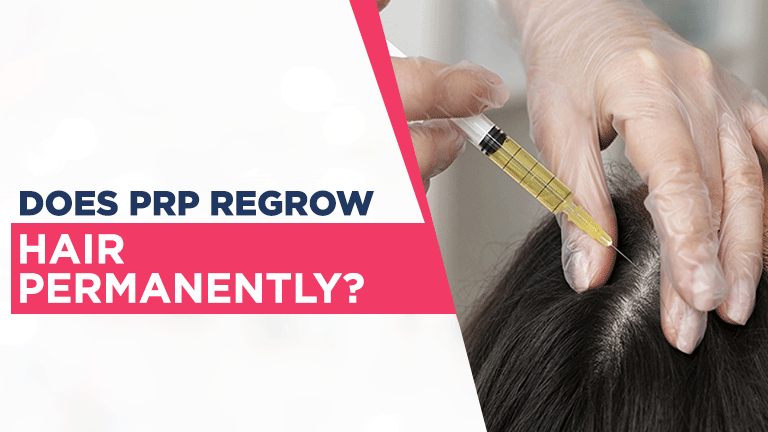
PRP therapy, or Platelet-Rich Plasma therapy, is a treatment used to address hair loss. It involves using a concentrated form of platelets from your own blood to stimulate hair follicles and promote growth. The idea is to improve hair health and support new hair production.


Here’s how the process works:


  • Blood Collection: A small amount of your blood is drawn, usually from your arm.
  • Centrifugation: The blood is placed in a machine that spins it rapidly to separate the platelets from other blood components.
  • • Preparation: Next, the PRP concentrate is ready for injection.
  • Injection: The PRP is injected into the scalp at areas where hair thinning or loss is occurring.


Hair Regrowth with PRP: Mechanism & Expected Results

PRP therapy works by injecting concentrated platelets into the scalp. Growth factors found in these platelets activate hair follicles. This stimulation encourages dormant hair follicles to become active and promotes new hair. growth. By enhancing blood flow and delivering vital nutrients to the hair follicles, PRP can improve hair health and thickness.

Most people see noticeable improvements in hair density and quality after several PRP sessions. Typically, results begin to show within 3 to 6 months. You may notice reduced hair thinning and an increase in hair volume as the therapy encourages healthier, thicker hair growth.

Does PRP Regrow Hair Permanently?

“PRP therapy often results in temporary hair regrowth,” is the right answer. While it can significantly boost hair growth, the effects are not always permanent. Many patients require ongoing treatments to maintain their results.”

Factors Affecting Permanence:

  • • Individual Response: Not everyone experiences the same level of response from PRP therapy. Some people may see longer-lasting results, while others may experience shorter-term benefits.
  • Type of Hair Loss: The underlying cause of hair loss affects how well PRP works. Conditions like pattern baldness might not see as dramatic or lasting improvements as other types of hair loss.
  • Consistency of Treatment: Following the recommended treatment plan is crucial. Regular sessions as advised by your specialist help maintain and enhance the results of PRP therapy.

Common Myths and Misconceptions About PRP for Hair Growth

Here are top 5 common myths about PRP for hair regrowth –

Myth #1: PRP Therapy Guarantees Permanent Hair Growth

While PRP therapy can significantly boost hair density and stimulate growth, it does not offer a guaranteed, permanent solution for hair loss. Many patients see considerable improvement, but the effects may not last indefinitely. To maintain results, ongoing treatments are often necessary. It’s essential to manage expectations and understand that PRP is part of a broader hair restoration plan.

Myth #2: PRP is a One-Time Cure for Hair Loss

PRP therapy is not a one-time cure but rather a treatment that typically requires multiple sessions. A series of treatments is generally needed to achieve the best results, with follow-up sessions potentially required to sustain the benefits. The frequency and number of treatments depend on individual hair loss conditions and responses to therapy.

Myth #3: PRP Therapy Works for Everyone

The efficacy of PRP therapy varies from patient to patient. While it can be beneficial for many, it does not work for everyone. The success of PRP depends on factors such as the underlying cause of hair loss and individual response to the treatment. Those with certain types of hair loss may experience more significant improvements compared to others.

Myth #4: PRP Therapy is Painful and Unsafe

PRP therapy is generally considered minimally invasive and safe. For the most part, patients are only slightly uncomfortable during the process. Since PRP uses a concentration of platelets from your own blood, the risk of allergic reactions or complications is minimal. The procedure is performed with sterile techniques to ensure safety.

Myth #5: Results from PRP are Immediate

Results from PRP therapy do not appear immediately. It usually takes several months to see noticeable improvements, with most patients observing changes within 3 to 6 months. The treatment stimulates hair follicles gradually, so patience is required to achieve the full benefits.


Conclusion

In summary, PRP therapy is a promising treatment for hair loss that uses your own blood to stimulate hair follicles and promote growth. While PRP can significantly improve hair density and health, it’s important to note that the results are often not permanent and may require ongoing treatments. The effectiveness of PRP varies depending on individual factors such as the type of hair loss and personal response to the treatment.

While PRP offers potential benefits, setting realistic expectations is crucial. It can provide noticeable improvements, but maintaining these results typically involves continued care and possibly additional sessions.

If you’re considering PRP therapy, consulting with a hair restoration specialist is a wise step. They can assess your specific situation, discuss your options, and help create a tailored treatment plan to meet your needs.


How Many Sessions Are Needed For Laser Hair Reduction In Delhi?

Laser Hair Reduction

Waxing and shaving are no longer necessary. More people than ever before are opting for laser hair reduction because of its quickness, safety, and convenience. It can permanently eliminate up to 90% of hair.

Laser Hair Removal Treatment is a safe and effective method for removing unwanted hair on the face, legs, arms, underarms, bikini area, and back. Laser hair removal is the most widely used method of hair removal treatment. High-concentration laser beams injure hair follicles without harming the surrounding skin. Hair reduction therapy takes relatively little time due to the high pulse intensity received from laser diode equipment. Excessive hair can be treated almost everywhere, with the exception of the eyelid or nearby areas.

How Many Sessions Are Needed For Laser Hair Reduction

The number of laser hair reduction sessions necessary in Delhi can vary based on various factors, including the individual’s hair type, skin type, the area being treated, and the specific laser technology employed. Most people will need many sessions to get meaningful and long-term improvements.

Laser hair reduction treatment typically requires a series of 6 to 8 sessions. However, the precise number of sessions required may differ from person to person. Some people may require more sessions, while others may reach their goals with fewer sessions.

Multiple sessions are required because laser hair removal is most effective while the hair follicles are in their active development phase (anagen phase). Hair growth cycles vary, and not all hair follicles are in this phase at the same time. As a result, many sessions spaced a few weeks apart are required to target hair follicles at various phases of growth.

Knowing that each laser hair reduction treatment results in a progressive reduction in hair growth is vital. You may notice a decrease in hair density and thickness after each session. The hair becomes finer, lighter, and less apparent with each session.

Certified skin specialists or cosmetic clinics in Delhi, such as Clinic Eximus are suggested for a personalized examination. The skin expert will examine your skin and hair, discuss your treatment goals, and create a personalized treatment plan. They will also be able to provide a more precise estimate of the number of sessions needed based on your specific demands and your hair’s response to the treatment.

Factors That Determine The Number Of Sessions Needed For Hair Reduction Treatment

Several factors can determine the number of laser hair removal sessions necessary. These elements are as follows:

  • Hair color and thickness: Dark, coarse hair is more successful for laser hair removal. Because the laser focuses on the pigment (melanin) in the hair follicles, darker and thicker hair responds better to therapy. Lighter hair colors, such as blonde or grey, may be more difficult to fix and require further treatments.
  • Skin color: The difference between hair color and skin color is significant for laser hair removal. Because the melanin in hair follicles absorbs the laser energy, people with lighter skin tones and darker hair usually have better outcomes. Darker skin tones have higher melanin levels in the skin, making it more difficult to specifically target the hair follicles without damaging the surrounding skin. For darker skin tones, specialized lasers or settings may be necessary, as well as additional treatments.
  • Treatment area: The size of the treatment area influences the number of sessions necessary. Larger areas, such as the back or legs, may necessitate more treatments than smaller areas, such as the upper lip or underarms.
  • Hair growth cycle: Laser hair removal works best while the hair follicles are actively growing (anagen phase). Not all hair follicles, however, are in this phase at the same time. Hair growth cycles vary, and numerous sessions are required to target hair follicles at various phases of development.
  • Hormonal imbalances: Illnesses such as polycystic ovarian syndrome (PCOS) might impact hair growth patterns. Hormonal considerations may necessitate extra sessions or maintenance treatments to regulate new hair growth.
  • Individual response: Each individual’s body may react differently to laser hair removal. Genetics, overall health, and individual hair growth patterns can influence the number of sessions required.

Remember to follow the dermatologist’s directions and attend all advised appointments for the best results. Furthermore, it is critical to keep realistic expectations and recognize that while laser hair reduction can drastically reduce hair growth, it may not result in permanent hair removal. Some further maintenance sessions may be required to retain the intended outcomes.

Conclusion

Clinic Eximus provides one of the top laser hair removal techniques in Delhi. We employ the most advanced medical-grade laser hair removal technology for the most effective permanent hair reduction on the face and body. With years of experience and full accreditation, our laser hair removal specialist can successfully decrease hair on men and women of all skin types.

Stop Hair Loss: Top 5 treatments for hair fall control

stop hair loss top 5 treatments for hair fall control

Hair loss is very common and more prevalent in older adults. However, anyone can experience it, including children, for various reasons. It can be temporary or permanent, depending upon the underlying cause. It is normal to shed a certain amount of hair every day, but it can cause worry and distress if it falls significantly. Male and female pattern baldness is the foremost cause of hair loss for many reasons. Hair loss treatments are available for those dealing with thinning hair or baldness at the best hair clinic in Delhi. There are many causes of hair fall these days; some are listed below:

Hormonal imbalances

Hormonal imbalances are the most common reasons for hair loss like androgenetic alopecia. In women, androgens can cause weak hair follicles, leading to excess hair shredding, and may be exacerbated during menopause or birth control. In males, if androgen increases, it binds to hair follicles and stops hair growth, and it can also decrease the hair span overall.

Thyroid problems

People with thyroid or other hormone-related health conditions experience hair loss; either you have an underactive thyroid or overactive thyroid, resulting in hair loss and thinning.

Pregnancy

This is another phase that leads to hair loss owing to hormonal fluctuations following pregnancy and childbirth. When your estrogen levels return after pregnancy, you may experience more hair loss than usual, a worry for many. However, there are PRP for hair growth that can be effective.

Certain medicines

Consuming certain medicines can lead to hair loss as a side effect, also known as drug-induced hair loss. Some medicines, like blood-thinning medicines, oral contraceptives, medicines for depression, etc., can cause hair thinning and loss.

Stress

It is another major factor leading to hair fall, and people undergo hair fall treatment. People with intense amounts of stress experience hair fall. Emotional trauma can also lead to hair loss as it can cause acute telogen. This type of hair loss is quite temporary, and once the stress is under control, hair growth is restored.

Nutrient deficiencies

Another major cause of hair fall is the deficiency of specific vitamins and minerals that aid hair growth and cellular turnover. A deficiency of protein, biotin, zinc, and iron can lead to hair loss.

Five best hair loss treatments

Many people experience acute hair loss, as men may experience 40 percent of hair loss when they are over 35 years, and women may lose up to 80 percent of hair by age 60. There is no need for panic as many hair fall treatments are available, and hair transplant surgery for hair loss is also successful nowadays. Here is the top 5 treatment for hair fall

PRP Treatment

PRP is a nonsurgical hair loss treatment called Platelet Rich Plasma that can effectively reverse the early stages of patterned hair loss in both males and females. The best hair doctor in Delhi considers it the safest procedure for obtaining natural hair growth. During PRP for hair growth procedure, the qualified hair experts draw and treat your blood to extract growth factors to use as an injection in your scalp. These injections are used in PRP for hair-trigger natural hair growth by supporting the hair follicles with growth factors that produce thicker hair. Most people who receive this treatment notice reduction in hair fall after one to two months of treatment.

Laser Hair Treatment

Laser hair fall treatment in Delhi is one of the safest and most effective hair fall treatments that both men and women can do. The process involves the emission of laser light onto the scalp tissues, with the absorption of which the weak cells of the scalp will positively respond. It leads to better hair growth and is a painless therapy that helps to stimulate and encourage hair growth in the affected area.

Hair Transplant Surgery

Hair transplant surgery for hair fall in the best hair clinic in Delhi aims to restore the hair growth area of the scalp with absent growth or limited growth. During the hair transplant procedure, the best hair surgeon will remove follicles from a dense area of the hair, like at the back of the head, which is generally referred to as the donor area. They then implant the follicles into tiny slots on the affected area of the scalp. The procedure is considered one of the most effective for restoring hair growth.

Minoxidil

Minoxidil is the best way to get thicker and more dense hair with little or no side effects. It is an over-the-counter treatment and is most effective for androgenic hair loss. Using projects with minoxidil helps many people regrow their hair or lose their hair loss rate. The treatment yields good results in controlling hair fall and is used as a lotion to be applied over the scalp, especially in the affected area.

Finasteride

It is a prescription medicine that is FDA approved and is used for treating androgenetic or male pattern baldness. Consuming it on a daily basis reduces the amount of DHT in your blood, shielding the hair follicles from DHT-related damage. Its proper use can lead to hair loss slowing or even stopping entirely.

Tips To Prevent Hair Fall

Sometimes it is distressing to experience excess hair fall, but fortunately, there are several things that you can do to prevent hair fall and encourage hair growth. The best way to stop is to address the issues smartly; however, sometimes, hair loss can be temporarily caused by childbirth, surgery, or stress, which can be managed by proper care and following some vital tips:

  • Consume essential nutrients that may be missing in your diet, like iron, copper, zinc, protein, etc. Vitamin D deficiency is one of the causes of hair loss, so soak yourself in sum for some time.
  • You need to understand your scalp and then choose your shampoo. You should wash your hair depending on your scalp as sometimes overwashing make the scalp dry and leads to hair fall. Also, always conditioner your hair, as it works wonders.
  • Avoid various chemical treatments, like straightening, perming, and coloring. Also, avoid blow dryers and curling rods on hair as they damage them and promote hair fall.
  • Oil your hair regularly, as it is best for you to prevent hair fall. It is the best way to improve blood circulation and help nourish roots.

Healthy Diet To Stop Hair Loss And Regrowth

If you are suffering from a hair fall, look closely at what you eat as there are chances that with slight changes and modifications in your diet, you can manage it well, as it is one of the best hair fall treatments you must try first.

  • Consume fatty fish like tuna, mackerel, salmon, etc., as they are good protein sources, selenium, and B vitamins.
  • Add eggs to your diet as they are natural multivitamins containing vitamins and minerals.
  • Have some leafy greens like kale, spinach, and collards, as they contain vitamin A, beta carotene, folate, and Vitamin C.,
  • Consume fruits overfilled with vitamin C and antioxidants like berries, cherries, apricots, grapes, and oranges.
  • Daily consumption of nuts and seeds also prevents hair loss, including nuts like walnuts, almonds, flaxseeds, chia seeds, and brazil nuts.

Conclusion

If you are concerned with excessive hair fall, don’t panic, as the above-listed diet and lifestyle tips can help you stop or reduce it. If you cannot find them helpful, you can book your appointment at Clinic Eximus, one of the best hair clinics in Delhi, to manage all your hair issues. If you are searching for the best hair clinic and multiple hair treatments. Hair specialists at Clinic Eximus believe in transparency and will guide you to achieve possible results. The clinic is best for all types of hair treatments like PRP for hair, laser hair fall treatment, and hair transplant surgery for hair loss if needed.

FAQ

What treatment is available for hair fall control?

Many treatments for hair fall are available for hair fall control, like PRP, laser, hair transplant, Minoxidil, and Finasteride.

How do these treatments stop hair fall and regrow my hair?

All hair fall treatments work best, and their success rates depend upon the underlying cause and many other factors.

Can we stop hair fall permanently?

Yes, hair fall can be stopped permanently if managed and treated correctly.

Which deficiency causes hair fall?

Generally, biotin, folate, and vitamin B12 deficiencies have been linked with hair loss

What foods prevent hair loss?

Some foods like fish, spinach, Eggs, Berries ·, Almonds, and Chia seeds. And amla works wonders for hair.

What You Need to Know Before Getting a Hair Transplant

Hair transplant1

You’ve probably looked up your alternatives on Google if you’ve observed your hairline seems to be thinning or are concerned by a receding hairline. A simple search may turn up some supplements or treatments that sound too good to be true along with tried-and-proven treatments like hair transplant hair growth

The majority of our patients who have hair loss started out in the same way, attempting to regrow lost hair by using specialised shampoos, daily tablets, and dubious products. In the end, they squandered their resources—money, effort, and hope—on treatments that had no chance of success, which prompted them to think about getting a hair transplant.

It can be frightening to consider having surgery of any kind, and many patients are concerned that a hair transplant won’t produce the desired outcomes. An effective hair transplant procedure, however, can significantly alter the lives of many patients. Let us see its procedure.

Hair Transplant Procedure

The healthcare professional collects grafts, or tiny bits of skin, off body parts with healthy hair. Healthcare professionals refer to this site for collecting grafts as the donor site. The area with the thickest hair is typically on the head, at the rear of your scalp. The specialist places the grafts on the parts of the head that seem to be bare. After healing, the transplanted skin shall continue to generate hair.

What are the types of hair transplants?

Till recently, hair transplantation was not a common procedure in India. But during the past ten years, approaches have seen a significant transformation. Nowadays, there are clinics all throughout cities and urban areas that offer them. While more and more men experience hair loss as a result of factors including stress, anxiety, low physical activity, pollution, nutrient-deficient intake, and others, the need for these facilities and hair transplant treatments is escalating.

Given below are the two most prevalent hair transplant techniques in India :

  1. FUE or Follicular Unit Extraction – To remove the hair follicles out from the back of the head, hundreds of safe, tiny punch incisions are made. Since the back of the head typically does not experience hair loss. The hair transplant specialist will next use a specialised surgical needle to produce tiny punctures within the scalp where hair needs to be implanted. The removed follicles are therefore implanted in their new locations.
  1. FUT or Follicular Unit Transplantation – The specialist will choose a spot on the back of the scalp for this surgery. An ideal count of hair growth is present in this area. The specialist next uses a scalpel to remove the lengthy skin grafts. The bald spots here on hair are then covered with individual transplants of such hairs. The FUT treatment is more expensive than that of the FUE procedure.

What are the main reasons for getting a hair transplant?

The days of having few treatment choices for hair loss are over, thanks to recent medical developments. Your concerns can all be resolved with a hair transplant in a single easy surgery. These are the top five reasons for undergoing a hair transplant procedure.

  • Self-confidence boost – Some people can look fantastic without hair, however, not everyone is in this situation. A lifelong struggle with low self-esteem will result from disliking your appearance. And if you’re too embarrassed to go out, these self-esteem issues might also lead to social and professional difficulties.
  • No adverse impacts – Although there are a number of medical treatments to stop hair loss, only a transplant operation can be done without having any negative long-term repercussions. Although a majority of medications can prevent hair loss and stop hair thinning, they can also result in other health problems. If you think that there are any side effects of hair transplant then know that with just a hair transplant.
  • Hair That Looks Natural – Hair plugs are no longer used. With the use of a hair transplant operation, you are likely to regrow hair on your head. This implies that following the transplant surgery, you’ll never experience any difficulties when washing or brushing your hair. You might possibly be able to attain your preferred hairstyle once more.
  • Long-Term Results – Your everlasting results after a hair transplant surgery are achievable since they will enable you to keep growing new hair. Your new hair is immune to the hormones which induce balding, which allows for permanent results.
  • Safe and Simple Process – You won’t need to worry about anything because a hair transplant process practically carries no risks. The scalp hair follicles are transplanted using a tiny needle. Owing to this, you’ll never acquire unpleasant or unappealing scars.

Do hair transplants work? 

hair transplant result

Broadly stated, hair transplants are more effective than other hair restoration solutions. The majority of the time, a person with a remarkably effective hair transplant will then have hair that looks thicker. After the surgery, however, people can still undergo thinning hair and loss, which could make their hair look unnatural or spotty. People might need several transplants in the future for results that persist longer and a patient should adhere to the postoperative advice given by their surgeon. They will have a better chance of having a positive hair transplant by doing this. For a few weeks, there are things to do after a hair transplant like refrain from exercise and rigorous activity. Additionally, you might have to hold off on washing their hair for several days.

Even though the sight of a receding hairline could be disheartening, there is no health danger associated with it. There are several treatments that can make the hair appear thicker or encourage it to regrow. Anyone thinking about trying such treatments should thoroughly discuss them with a doctor to determine the best solution. Schedule a consultation with a Clinic Eximus hair transplant surgeon before getting a hair transplant. Dial 011 4241 8525 or Email at care@cliniceximus.com