Does PRP Regrow Hair Permanently?

PRP Therapy

A common treatment option for hair loss is PRP (Platelet-Rich Plasma) therapy. Many people ask, “Does PRP work for permanent hair regrowth?” Although PRP can greatly increase hair health and density, it is vital to understand that the effects might not always last.

In this blog, we’ll explore the PRP hair regrowth permanence and what you can expect.

What is PRP Therapy?

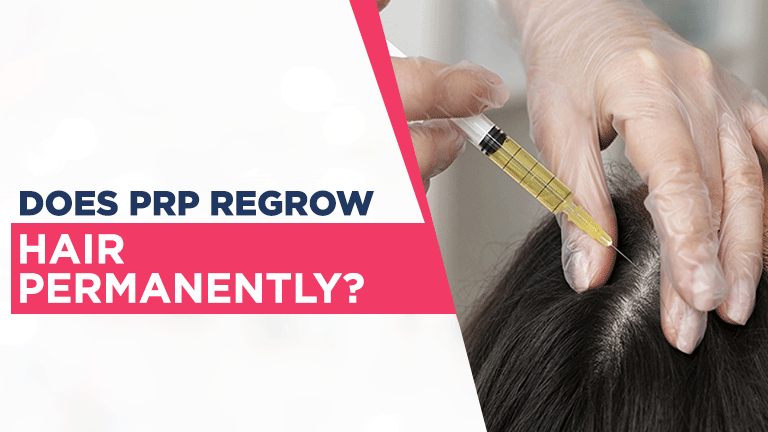
PRP therapy, or Platelet-Rich Plasma therapy, is a treatment used to address hair loss. It involves using a concentrated form of platelets from your own blood to stimulate hair follicles and promote growth. The idea is to improve hair health and support new hair production.


Here’s how the process works:


  • Blood Collection: A small amount of your blood is drawn, usually from your arm.
  • Centrifugation: The blood is placed in a machine that spins it rapidly to separate the platelets from other blood components.
  • • Preparation: Next, the PRP concentrate is ready for injection.
  • Injection: The PRP is injected into the scalp at areas where hair thinning or loss is occurring.


Hair Regrowth with PRP: Mechanism & Expected Results

PRP therapy works by injecting concentrated platelets into the scalp. Growth factors found in these platelets activate hair follicles. This stimulation encourages dormant hair follicles to become active and promotes new hair. growth. By enhancing blood flow and delivering vital nutrients to the hair follicles, PRP can improve hair health and thickness.

Most people see noticeable improvements in hair density and quality after several PRP sessions. Typically, results begin to show within 3 to 6 months. You may notice reduced hair thinning and an increase in hair volume as the therapy encourages healthier, thicker hair growth.

Does PRP Regrow Hair Permanently?
“PRP therapy often results in temporary hair regrowth,” is the right answer. While it can significantly boost hair growth, the effects are not always permanent. Many patients require ongoing treatments to maintain their results.”

Factors Affecting Permanence:

  • • Individual Response: Not everyone experiences the same level of response from PRP therapy. Some people may see longer-lasting results, while others may experience shorter-term benefits.
  • Type of Hair Loss: The underlying cause of hair loss affects how well PRP works. Conditions like pattern baldness might not see as dramatic or lasting improvements as other types of hair loss.
  • Consistency of Treatment: Following the recommended treatment plan is crucial. Regular sessions as advised by your specialist help maintain and enhance the results of PRP therapy.

Common Myths and Misconceptions About PRP for Hair Growth

Here are top 5 common myths about PRP for hair regrowth –

Myth #1: PRP Therapy Guarantees Permanent Hair Growth

While PRP therapy can significantly boost hair density and stimulate growth, it does not offer a guaranteed, permanent solution for hair loss. Many patients see considerable improvement, but the effects may not last indefinitely. To maintain results, ongoing treatments are often necessary. It’s essential to manage expectations and understand that PRP is part of a broader hair restoration plan.

Myth #2: PRP is a One-Time Cure for Hair Loss

PRP therapy is not a one-time cure but rather a treatment that typically requires multiple sessions. A series of treatments is generally needed to achieve the best results, with follow-up sessions potentially required to sustain the benefits. The frequency and number of treatments depend on individual hair loss conditions and responses to therapy.

Myth #3: PRP Therapy Works for Everyone

The efficacy of PRP therapy varies from patient to patient. While it can be beneficial for many, it does not work for everyone. The success of PRP depends on factors such as the underlying cause of hair loss and individual response to the treatment. Those with certain types of hair loss may experience more significant improvements compared to others.

Myth #4: PRP Therapy is Painful and Unsafe

PRP therapy is generally considered minimally invasive and safe. For the most part, patients are only slightly uncomfortable during the process. Since PRP uses a concentration of platelets from your own blood, the risk of allergic reactions or complications is minimal. The procedure is performed with sterile techniques to ensure safety.

Myth #5: Results from PRP are Immediate

Results from PRP therapy do not appear immediately. It usually takes several months to see noticeable improvements, with most patients observing changes within 3 to 6 months. The treatment stimulates hair follicles gradually, so patience is required to achieve the full benefits.


Conclusion

In summary, PRP therapy is a promising treatment for hair loss that uses your own blood to stimulate hair follicles and promote growth. While PRP can significantly improve hair density and health, it’s important to note that the results are often not permanent and may require ongoing treatments. The effectiveness of PRP varies depending on individual factors such as the type of hair loss and personal response to the treatment.

While PRP offers potential benefits, setting realistic expectations is crucial. It can provide noticeable improvements, but maintaining these results typically involves continued care and possibly additional sessions.

If you’re considering PRP therapy, consulting with a hair restoration specialist is a wise step. They can assess your specific situation, discuss your options, and help create a tailored treatment plan to meet your needs.
 

How to Remove Pigmentation from the Face Permanently?

Remove pigmentation

Pigmentation, the darkening of the skin due to excess melanin production, is a common skin concern that can affect anyone. While pigmentation is usually harmless, it can be a source of frustration for those seeking clear, even-toned skin. If you’re looking to remove pigmentation from your face permanently, this guide will provide you with effective strategies and treatments to achieve lasting results.

How Facial Pigmentation Form?

Facial pigmentation can manifest in various forms, including:

  • Melasma: Often triggered by hormonal changes, melasma appears as dark, irregular patches on the face, particularly on the cheeks, forehead, and upper lip.
  • Post-Inflammatory Hyperpigmentation (PIH): This occurs after an injury or inflammation, such as acne, leaving dark spots where the skin has healed.
  • Sunspots (Solar Lentigines): These are flat, brown spots caused by prolonged sun exposure, typically appearing on areas frequently exposed to the sun.

Causes of Facial Pigmentation

Understanding the causes of pigmentation is essential for effective treatment:

  • Sun Exposure: Ultraviolet (UV) rays from the sun can trigger an increase in melanin production, leading to sunspots and worsening existing pigmentation.
  • • Hormonal Changes: Melasma may result from hormonal changes, particularly during pregnancy or when taking birth control tablets.
  • Skin Injuries: Acne, cuts, or burns can cause PIH as the skin heals and produces excess melanin in the affected areas.
  • Genetics: Some people are more prone to pigmentation due to genetic factors.

Permanent Solutions for Removing Pigmentation

Achieving permanent removal of facial pigmentation requires a combination of professional treatments, home care, and lifestyle changes. Here are some of the most effective methods:

1. Laser Treatments

Laser therapy is one of the most effective ways to remove pigmentation permanently. Different types of lasers target and break down the excess melanin in the skin:

  • Fractional Lasers: These lasers treat only a fraction of the skin at a time, promoting new skin growth and reducing pigmentation with minimal downtime.
  • Q-Switched Laser: This laser is effective for treating deeper pigmentation like melasma by shattering the pigment particles, which are then naturally removed by the body.
  • IPL (Intense Pulsed Light) Therapy: Though not a laser, IPL uses light energy to target pigmented areas, reducing their appearance over time.

2. Chemical Peels

Chemical peels involve applying a solution to the skin that exfoliates the outer layers, revealing fresher, lighter skin beneath. Different types of peels can be used based on the severity of pigmentation:

  • Glycolic Acid Peels: These are effective for mild pigmentation and work by removing the outer layer of the skin.
  • TCA (Trichloroacetic Acid) Peels: These are stronger peels that penetrate deeper into the skin to treat more stubborn pigmentation.

3. Topical Treatments

Topical creams and serums can be used to gradually lighten pigmentation:

  • Hydroquinone: This is a powerful skin-lightening agent that reduces melanin production and fades dark spots. It should be used under the guidance of a dermatologist.
  • Retinoids: Retinoids promote cell turnover and can help lighten pigmentation over time. They are often used in conjunction with other treatments for best results.
  • Vitamin C: A potent antioxidant, Vitamin C can inhibit melanin production and brighten the skin, making it effective for treating pigmentation.

4. Microneedling

Microneedling involves using fine needles to create micro-injuries in the skin, stimulating collagen production and helping to break down pigmentation. This treatment can be combined with other therapies like topical serums for enhanced results.

5. Cryotherapy

Cryotherapy involves freezing the pigmented areas with liquid nitrogen, causing the pigmented skin cells to die and eventually slough off. This treatment is particularly effective for sunspots.

6. Professional Skincare Products

Incorporating professional-grade skincare products into your daily routine can help maintain results and prevent new pigmentation from forming:

  • Broad-Spectrum Sunscreen: Daily use of a broad-spectrum sunscreen with SPF 30 or higher is crucial to protect against UV rays and prevent pigmentation from worsening.
  • Exfoliants: Regular exfoliation with products containing AHAs (Alpha Hydroxy Acids) or BHAs (Beta Hydroxy Acids) can help remove dead skin cells and improve the effectiveness of other treatments.

Preventing Pigmentation Recurrence

Achieving permanent results requires ongoing maintenance and preventative care:

  • Sun Protection: Consistent use of sunscreen, wide-brimmed hats, and sunglasses is essential to protect your skin from UV rays.
  • Healthy Lifestyle: A balanced diet, adequate hydration, and avoiding triggers like excessive sun exposure or picking at the skin can help maintain even skin tone.
  • Regular Skin Check-Ups: Regular visits to your dermatologist can help monitor your skin’s condition and address any new pigmentation issues early.

Conclusion

Removing pigmentation from the face permanently is achievable with the right combination of professional treatments, home care, and preventative measures. By understanding the causes and taking proactive steps, you can enjoy clear, even-toned skin. If you’re struggling with pigmentation, consult with a dermatologist to determine the best treatment plan tailored to your specific needs. Our clinic offers a range of advanced treatments designed to help you achieve lasting results and regain your confidence.


What is the Dark Lip Lightening Cost in Delhi?

Dark lips Treatment

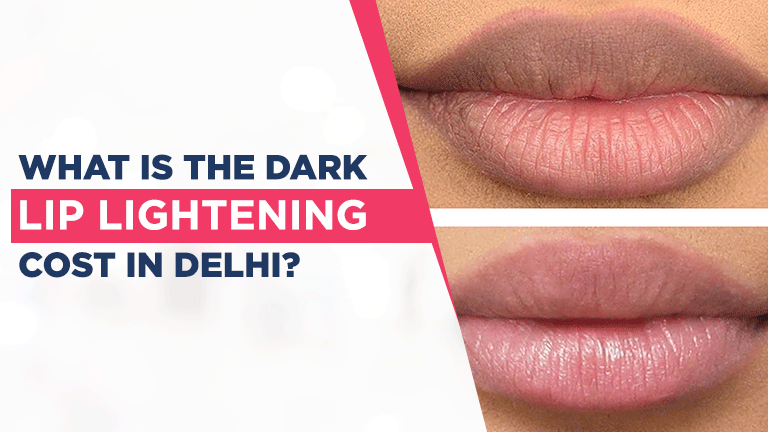
Many people in Delhi are looking for dark lip lightening treatments. This is because they want to improve the appearance of their lips. One big question they often have is about the cost. The dark lip lightening price can vary a lot. People want to know the exact cost of dark lip lightening and if there are any affordable dark lip lightening options available. This blog will help answer these questions and give a clear idea of the dark lip lightening treatment cost in Delhi.

Factors Affecting Dark Lip Lightening Costs

Here are four major factors that directly affect the cost of dark lip lightening treatment in Delhi –

Type of Treatment:

Different types of treatments for dark lips come with different price tags. Natural remedies, like home-based treatments, are generally cheaper. However, they may take longer to show results. On the other hand, medical treatments such as laser therapy and chemical peels are more expensive but deliver quicker and more noticeable results.

Clinic or Doctor Expertise:

The cost can also depend on the expertise of the clinic or dermatologist in Delhi. Clinics with a strong reputation and experienced professionals often charge higher fees. They may offer advanced techniques and better results, which can justify the higher cost.

Location and Clinic Facilities:

Where the clinic is located can impact the price. Clinics situated in upscale or high-end areas of Delhi usually have higher prices due to their location and luxurious facilities. In contrast, clinics located in less commercial or suburban areas might offer more affordable options without compromising on quality.

Number of Sessions Required:

The total cost can increase if multiple sessions are needed for effective dark lip lightening. Each session adds to the overall expense. The need for several treatments to achieve the best results means that the final cost could be higher than initially expected.

Dark Lip Lightening Treatment Costs in Delhi: Treatment Types

The average dark lip lightening treatment costs between INR 3500 and INR 15000, depending on the target area size, treatment types, and number of sessions. 

Simple Table of Dark Lip Lightening Treatment Cost in Delhi:

Treatment Cost
Laser Treatment ₹15,000 to ₹30,000 per session
Chemical Peels ₹5,000 to ₹10,000 per session
Over-the-Counter Creams/Serums ₹500 to ₹2,000
Prescription Creams ₹3,000 to ₹6,000
At-Home Kits ₹1,000 to ₹3,000

Laser Treatment:

Laser treatment for dark lips is a popular option. The cost of laser treatment in Delhi usually ranges from ₹15,000 to ₹30,000 per session. Factors affecting the price include the type of laser used, the number of sessions needed, and the clinic’s location and reputation. Advanced laser technology and experienced staff often come with a higher price tag.

Chemical Peels:

Chemical peels are another option for lightening dark lips. The cost per session generally falls between ₹5,000 and ₹10,000. Additional expenses might include follow-up care and any special products needed to help with healing. Some clinics may offer packages that reduce the cost per session if multiple treatments are required.

Topical Creams or Serums:

Topical creams and serums can be used to lighten dark lips. Over-the-counter options usually cost between ₹500 and ₹2,000. Prescription creams, while more costly, typically range from ₹3,000 to ₹6,000. Prescription creams often offer stronger ingredients and potentially better results. It’s important to choose the right product based on your specific needs and budget.

At-Home Kits vs. Professional Treatments:

At-home kits for dark lip lightening are often more affordable, with prices ranging from ₹1,000 to ₹3,000. They are convenient and can be used at your own pace. However, their effectiveness might be limited compared to professional treatments. Professional treatments, such as those done in a clinic, generally cost more but provide quicker and more noticeable results.

Additional Costs to Consider for Lip Lightening Treatment

Here are the additional or miscellaneous costs everyone should keep in mind while going for lip lightening treatment in Delhi.

Consultation Fees:

Many clinics charge separately for the initial consultation. This fee can range from ₹1,000 to ₹3,000. The consultation helps determine the best treatment plan and gives a clear idea of the overall cost.

Post-Treatment Care:

After your dark lip lightening treatment, you may need additional care. This could include follow-up visits or special products to help with healing. The costs for post-treatment care can vary, typically ranging from ₹2,000 to ₹5,000 depending on the type of care required.

Maintenance Treatments:

To maintain the results of your dark lip lightening treatment, you might need ongoing treatments or touch-ups. These maintenance sessions can add to your overall cost. Expect to pay around ₹5,000 to ₹10,000 per session for touch-ups or regular maintenance treatments.

Affordable Options for Dark Lip Lightening in Delhi

Although the cost of lip lightening procedures in Delhi may seem reasonable to some, many of you may wish for even more affordable choices. Thus, these three methods will help you assess and schedule dermatologists or clinics. 

Clinics or Dermatologists Offering Affordable Packages:

In Delhi, several clinics and dermatologists offer affordable packages for dark lip lightening. These packages often include multiple treatment sessions at a reduced rate, which can make the overall cost more manageable. Clinics like Eximus Clinic are known for their budget-friendly options without compromising on quality. They provide effective treatments at competitive prices, making them a great choice for those looking for value.

Comparison of Low-Cost Clinics vs Premium Services:

When comparing low-cost clinics to premium services, there are a few things to consider. Low-cost clinics may offer basic treatments at a more affordable price, but they might not have the latest technology or highly experienced staff. Premium clinics, on the other hand, typically offer advanced treatments and higher-quality care, but at a higher cost. While premium services can provide faster and more noticeable results, it’s important to balance the cost with the level of care you receive.

Discounts, Promotions, or Financing Options Available:

Many clinics in Delhi offer various discounts, promotions, and financing options to help make treatments more affordable. Discounts can often be found during special promotions or seasonal offers. Additionally, some clinics provide financing options or payment plans, allowing you to spread out the cost of treatment over time. These options can significantly ease the financial burden and make it easier to access the dark lip lightening treatments you need. Always inquire about any current offers or flexible payment plans to find the best deal.

Tips for Selecting the Best Clinic in Delhi for Lip Treatment

  1. Verify the dermatologist’s qualifications and certifications.
  2. Check if the clinic meets hygiene and safety standards.
  3. Read patient reviews to gauge satisfaction and results.
  4. Research the clinic’s overall reputation and success rates.
  5. Ask about the treatment options available for your needs.
  6. Inquire about the total cost, including any additional fees.
  7. Find out what post-treatment care and follow-up are provided.

Conclusion

The cost of dark lip lightening can change based on your treatment choice and personal needs. Different treatments have different prices, and your overall cost will depend on what you choose. For the best results and exact pricing, it’s a good idea to talk to a professional. They can give you personalized advice and help you find the best option for you.

Ready to brighten your smile? At Eximus Clinic, we offer expert dark lip lightening treatments tailored just for you. Contact us today to schedule your consultation and discover how we can help you achieve the look you desire. Call now or visit our website to learn more!