
Sunscreen
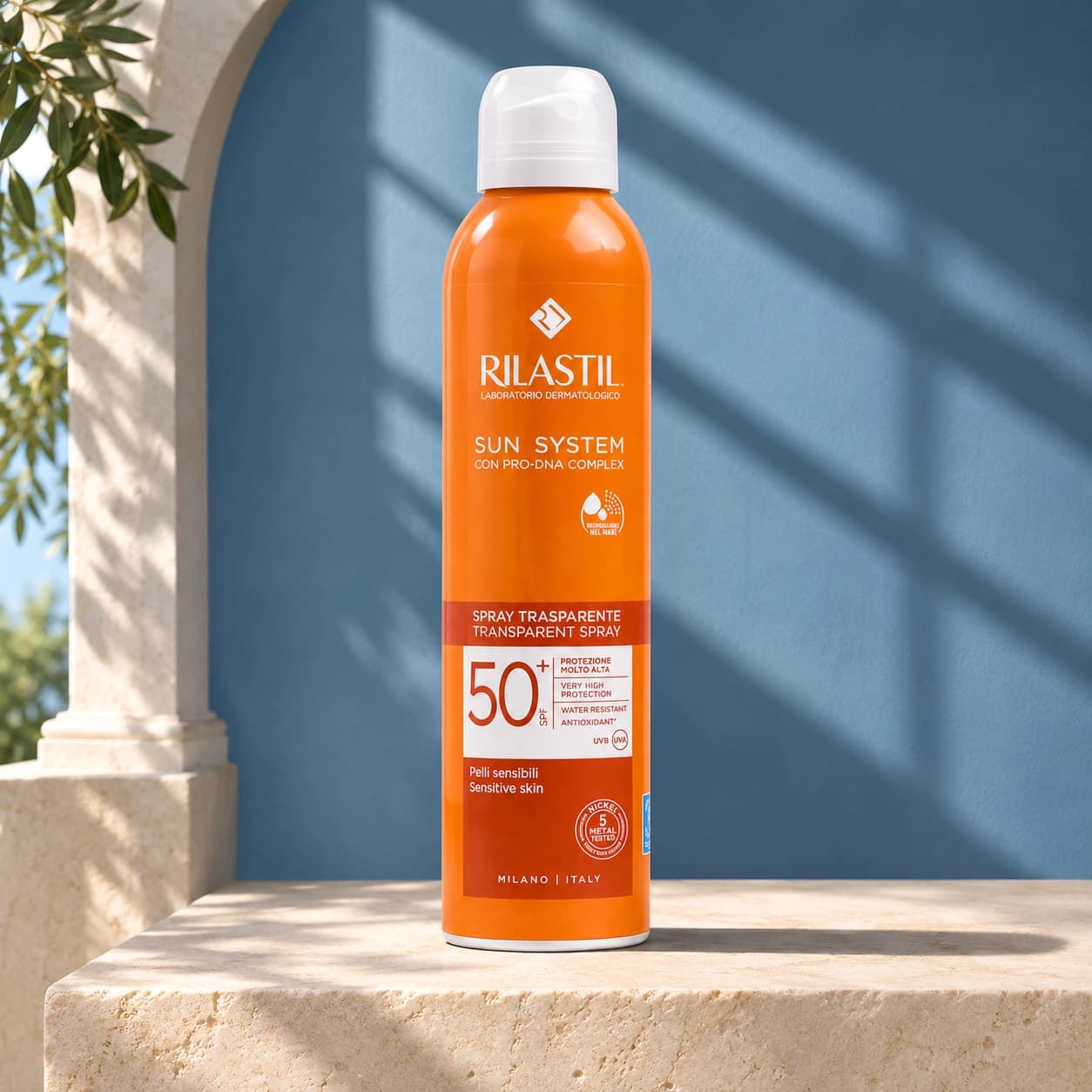
Rilastil Transparent Spray SPF 50+ 200 ml
200 ml
200 ml transparent body sunscreen spray with SPF 50+ from Rilastil Sun System, for a convenient sun protection routine.
₹3,799View details
10% off all products · Free Delhi NCR delivery on ₹1,499+Shop now
Sun spots, marks left by acne and melasma can look alike and behave very differently. A doctor identifies the type, and how deep it sits, before choosing a route.
Two taps, then WhatsApp. A doctor reviews your history before any treatment is suggested.
4.9 from 1,238 Google reviews(Delhi centre)Doctor-led since 2004
Clinic Eximus price. Your doctor confirms the plan and final price at consultation.Updated
Pigmentation treatment depends on the type: sun spots, marks left by acne or injury, and melasma respond differently, and how deep the pigment sits matters too. A doctor identifies the type first, then may weigh creams, peels or selected lasers, always with daily sun protection. Indian skin is more prone to dark marks after procedures, so treatment is paced with care and fading takes months.
Pigment is melanin, made by cells in the top layer of skin. Dark patches form when those cells make extra, because of sun, inflammation, hormones or some medicines and products. Where the melanin sits matters as much as how dark it looks. Pigment in the top layer, the epidermis, tends to respond more readily. Pigment deeper in the dermis, often blue-grey, responds slowly and can take years to fade, and many patches are a mix of both. The cause matters too. Sun spots build up over years of exposure. Marks after acne or injury follow inflammation and usually fade by themselves over months once the trigger stops. Melasma is driven by sun and hormones and tends to return. A doctor may weigh prescription creams that slow pigment production, chemical peels that speed up turnover of the surface layer, and selected lasers that target pigment. Indian skin (Fitzpatrick types III to V) is more prone to post-inflammatory hyperpigmentation, so a stronger treatment can leave a new dark mark. That is why the plan is staged and why sun protection comes first.
Looks like: Edges are well defined and the colour is a darker brown. Sun spots and many marks left by acne sit here.
What tends to help: Usually responds most readily, because treatments that work on the surface can reach it.
Looks like: Edges are blurred and the colour is light brown to blue-grey. Some melasma and some long-standing marks sit here.
What tends to help: Usually responds slowly or poorly. Fading can take years, and stronger treatment carries more risk.
Looks like: Features of both: part of the patch looks sharp and brown, part looks blurred and grey-brown.
What tends to help: Part of the colour may respond and part may stay, so progress is judged over months.
Two patches that look alike can sit at different depths, so what works for one may not work for the other. A doctor judges depth by examining the skin, sometimes with tools such as a Wood's lamp or dermatoscope. This is general guidance, not a way to diagnose yourself.
The same order for everyone, so nothing is decided before the cause is clear.
Step 1
Your doctor asks when the marks appeared and what came before: acne, an injury, pregnancy, a new medicine or product. They ask about sun habits and what you have already tried, including fairness or bleaching creams.
Step 2
Marks are examined closely in good light to tell sun spots, post-inflammatory marks and melasma apart and to judge how deep the pigment sits. With your consent, photographs set a baseline for later comparison.
Step 3
If treatment suits you, the plan is set out in writing: what is being treated and why, the options, the number of sessions to start with, the per-session price and when you will be reviewed.
Step 4
Creams, peels or selected lasers are started gently, sometimes on a small test area, because Indian skin can darken after a procedure. Daily sun protection begins on day one.
Step 5
Progress is checked against your starting photographs. The plan is changed or paused if the skin is irritated or the marks are darker, and a maintenance routine is agreed once marks have faded.
Published studies and guidelines, linked so you can read them yourself. Evidence is not a promise for any one person.
48 studies · 1,356 people. In 48 studies of 1,356 people with skin of colour, topical retinoids and lasers gave partial improvement of post-inflammatory marks in 85% and 66% of those treated. Only laser cleared marks completely, in 26% of that subgroup, and some people had darker marks after treatment. The authors found a lack of robust efficacy data. (Mar et al., Treatment of post-inflammatory hyperpigmentation in skin of colour: systematic review (PMC11514325), 2024) opens in a new tab
41 trials · 3,234 people. In 41 trials of sun spots (3,234 people), reported success ranged from 8% to 93% depending on the method and device, and definitions of success differed between studies. Most side effects were mild and short-lived. (Mardani et al., Treatment of solar lentigines: systematic review of clinical trials (PMC11948172), 2025) opens in a new tab
14 studies · 369 people. In 14 studies of 369 people, nearly all Asian with medium to brown skin, and almost all after laser treatment, sunscreen was the only measure that consistently prevented post-inflammatory darkening. (Mar et al., Prevention of post-inflammatory hyperpigmentation in skin of colour: systematic review (PMC12062726), 2025) opens in a new tab
6–12 months. The American Academy of Dermatology says a dark spot a few shades darker than your natural colour usually fades within 6 to 12 months once its cause is stopped, colour that lies deep can take years, and treatment can speed fading. (American Academy of Dermatology: how to fade dark spots in darker skin tones, 2026) opens in a new tab
We will tell you if pigmentation is not the right first step for you.
Typical milestones from published studies and guidelines. Your doctor sets your own schedule.
Week 0
Consultation, examination of type and depth, photographs
Weeks 1–4
Gentle start, sometimes on a small test area
Months 2–3
First review against your starting photographs
Months 6–12
Simple marks often fade; deeper colour can take years
Ongoing
Daily sun protection to keep what has faded
₹3,000–₹10,000
per session, selected areas
Clinic Eximus price. Your doctor confirms the plan and final price at consultation.
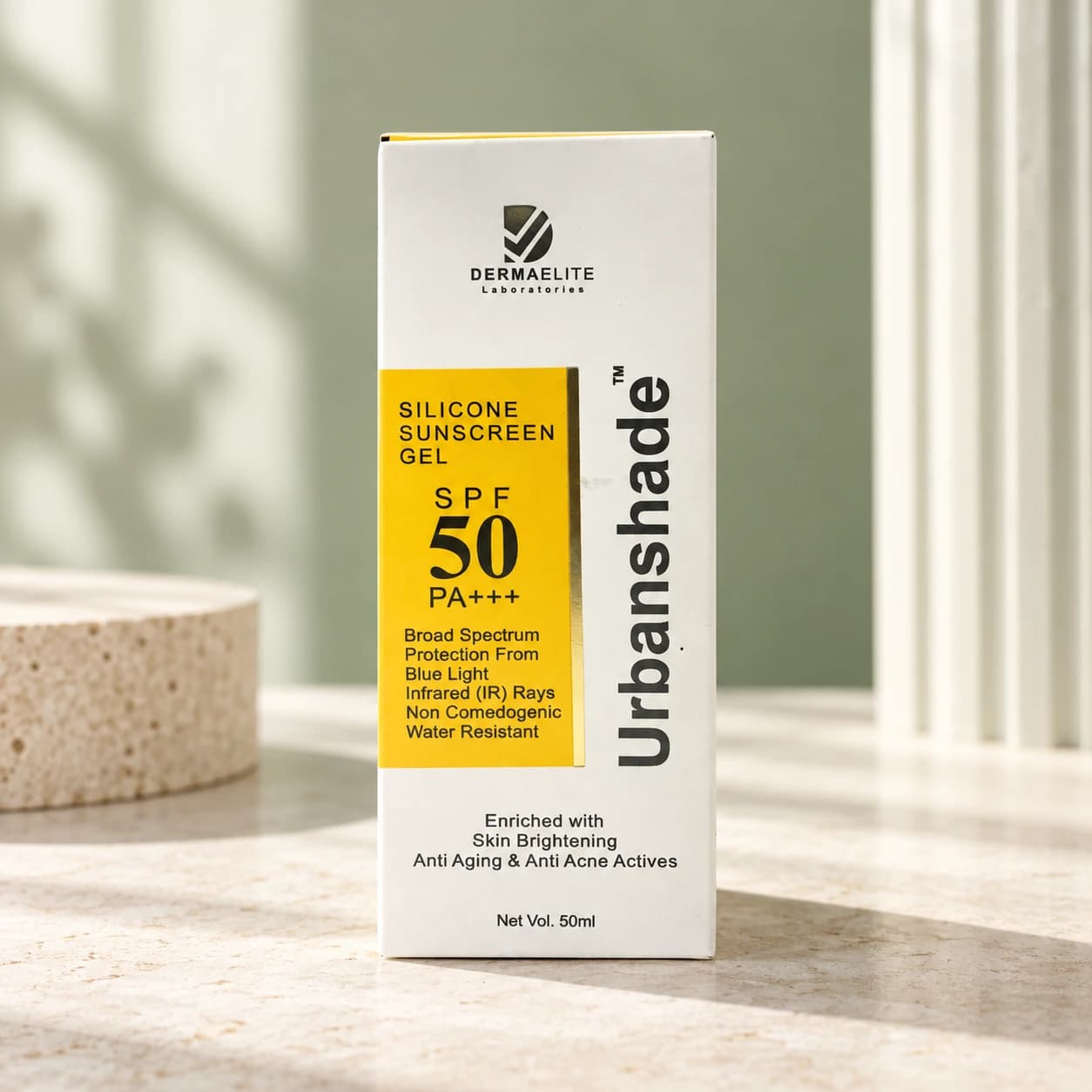
Care to use between visits, chosen by the clinic. Confirm the right one with a doctor.
Sunscreen
200 ml
200 ml transparent body sunscreen spray with SPF 50+ from Rilastil Sun System, for a convenient sun protection routine.
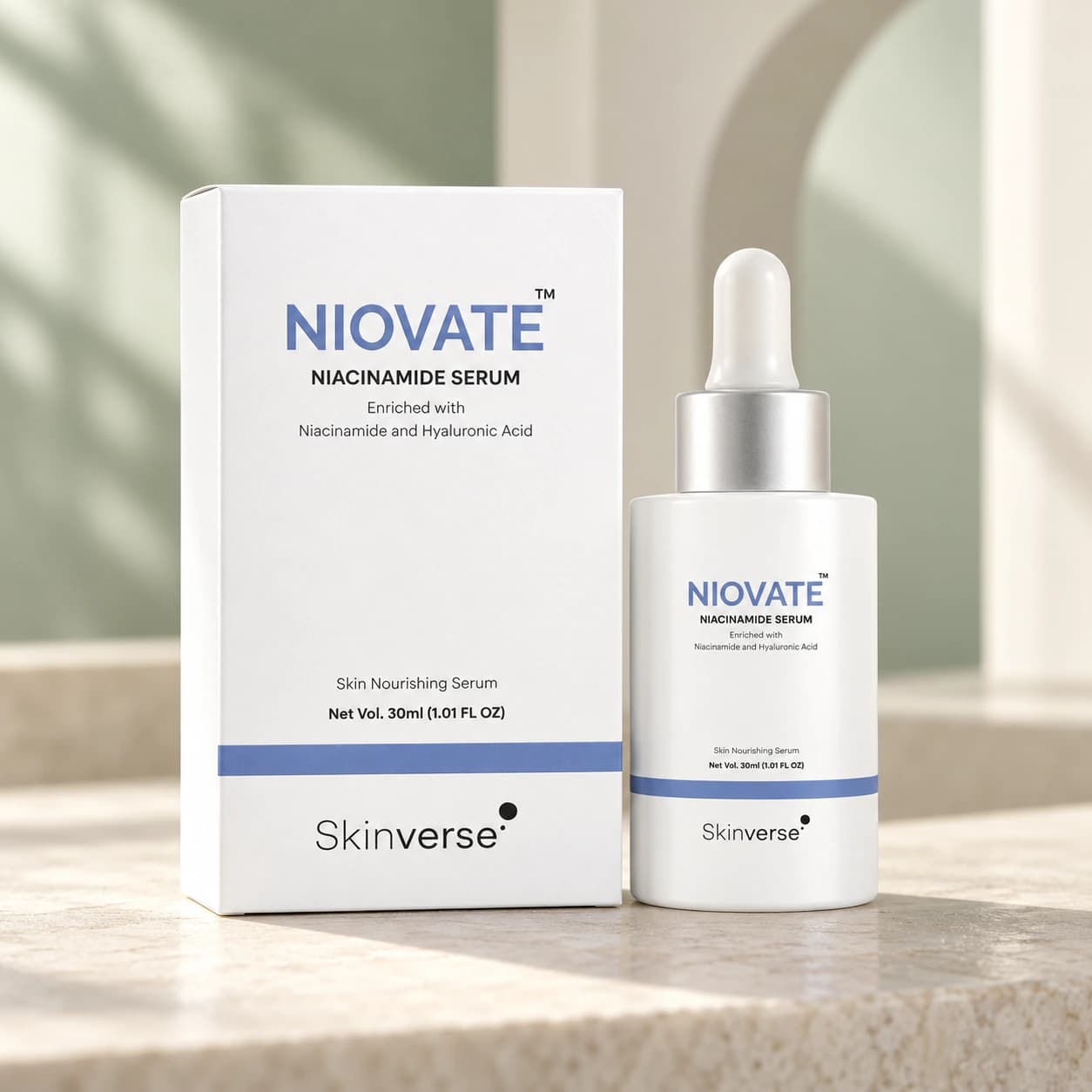
Serum
Skin care product. Confirm the formulation, pack size and suitability with the clinic.
Orders are confirmed on WhatsApp. There is no online payment.
It depends on the type and depth. Sun spots, marks left by acne and melasma respond differently, so a doctor identifies which you have first. They may then weigh prescription creams, chemical peels or selected lasers, always with daily sun protection. A treatment that suits one type can make another darker, which is why a plan starts with an examination, not a product.
At Clinic Eximus, pigmentation treatment with a peel or laser on selected areas costs ₹3,000 to ₹10,000 per session. Your total depends on the type and depth of pigment, how many sessions are in your plan and the area treated. Your doctor confirms the plan and final price in writing at consultation, before you commit to anything.
You often cannot tell by eye. Marks that appear where a pimple or injury healed are usually post-inflammatory. Small flat spots on sun-exposed skin are often sun spots. Symmetrical blotchy patches that darken in summer may be melasma. A doctor examines the skin and judges depth. Our dark spots on face guide explains the types in plain terms.
Some marks fade for good once their cause stops, such as marks after acne. Others, especially melasma, tend to return with sun, heat or hormones, and no treatment stops new pigment forming if the trigger continues. A doctor will tell you plainly which kind you have, what to expect, and how to keep results with daily sun protection.
It can be suitable for selected people, but Indian skin (Fitzpatrick III to V) is more prone to post-inflammatory hyperpigmentation, which means a new dark mark after treatment. Reviews advise conservative settings, staged sessions and strict sun protection. Whether laser suits you depends on the type of pigment, its depth and your history, and a doctor decides after examining your skin.
Usually more than one, but there is no fixed number. It depends on the type and depth of pigment, the treatment chosen and how your skin responds. Your doctor sets a starting number in your written plan and reviews progress against your photographs. Fading is gradual, often over several months, and a plan can be changed or paused if the skin is irritated.
Vitamin C is one of several topical ingredients doctors may include in a plan, but it does not replace sunscreen, which the AAD puts first for dark spots. Anything that irritates skin can leave a new mark in Indian skin, so harsh scrubs and strong home remedies are risky. Ask a doctor what suits your type before starting a new product.
Usually it is deferred. Pregnancy often brings its own pigment changes, such as melasma, and many creams, peels and lasers are put off until after pregnancy and breastfeeding. Pigment that appears in pregnancy may fade a few months after delivery. Tell your doctor if you are pregnant, breastfeeding or planning a pregnancy, and they will decide what is suitable.
Yes. Freckles are small, flat light-brown spots on sun-exposed skin that darken in summer and fade in winter. Sun spots stay all year, and melasma forms larger, symmetrical patches that peels and lasers can worsen in Indian skin. Pigment lasers can fade freckles, but they often return without sun protection. A new or changing spot should be examined before any treatment.

Article
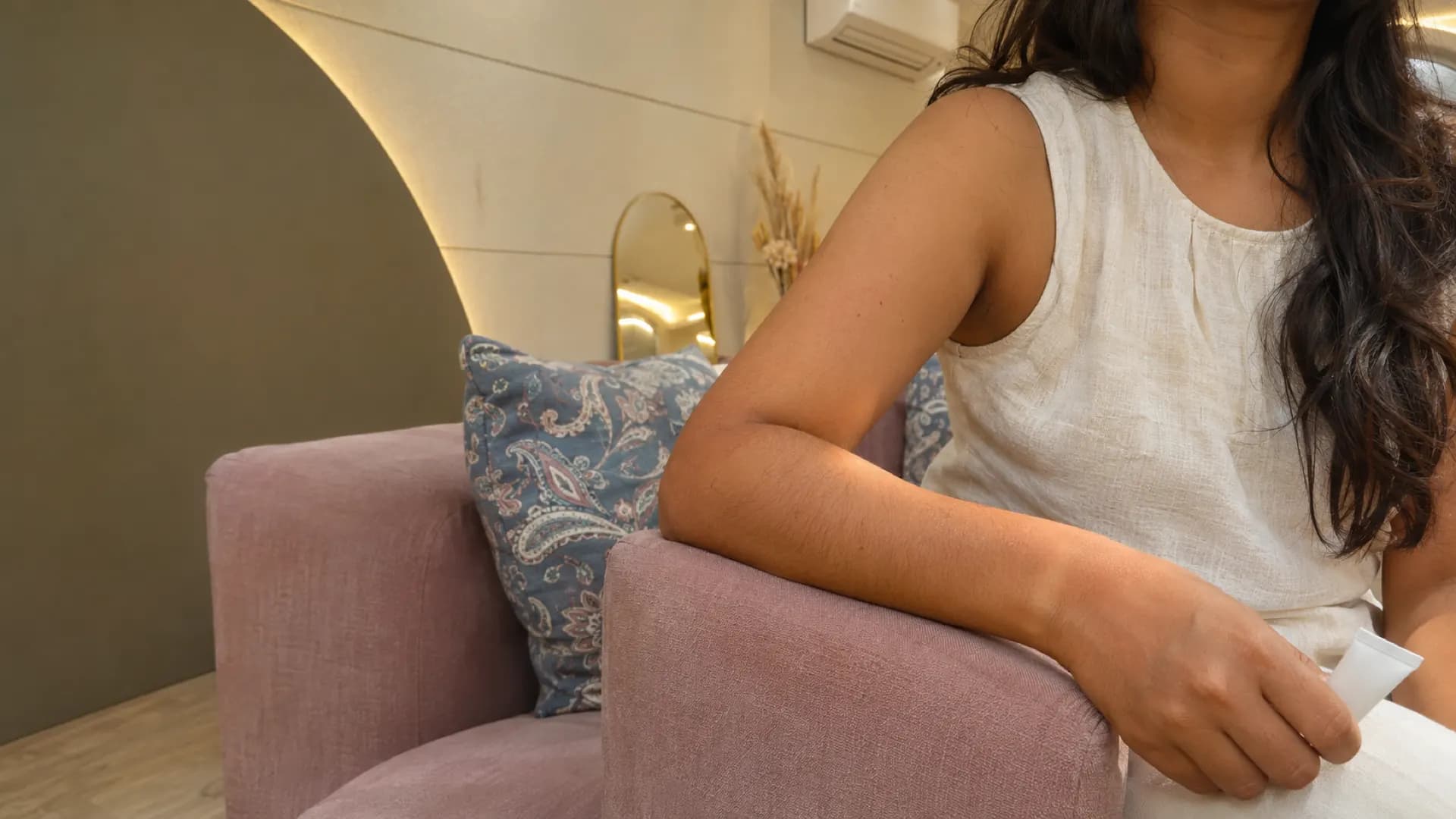
Sunscreen, a few proven ingredients and patience help. Lemon, baking soda and fairness creams can make dark spots and melasma worse. A doctor's guide.
Article
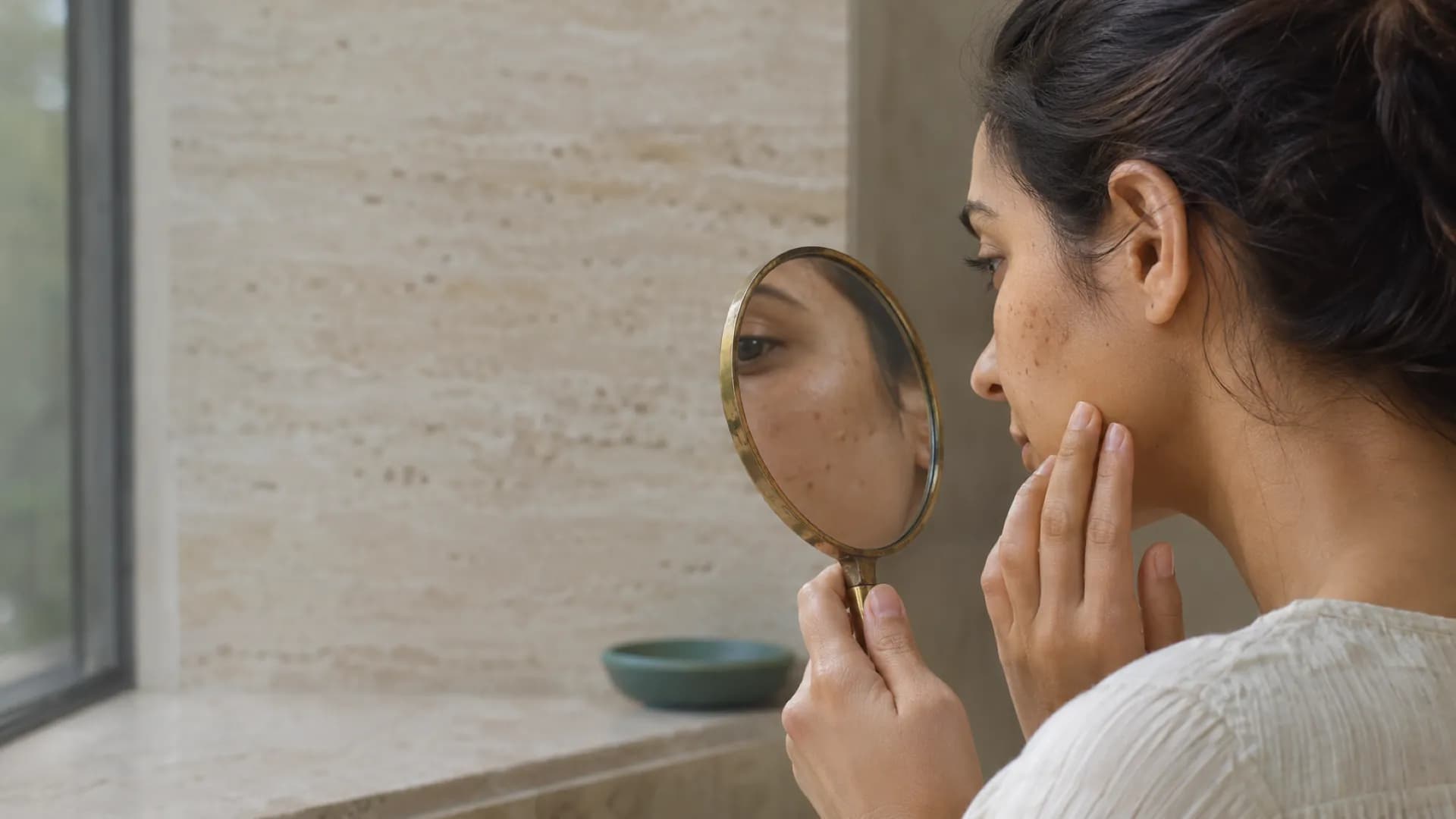
A tan is your skin's response to UV light, not dirt. What fades it, which kitchen remedies are harmless or risky, and when a doctor can help.
Article
How to tell sun spots, marks left by acne and melasma apart, why depth in the skin matters, and what a doctor may suggest.
Article
What skin brightening treatment costs in Delhi NCR, what changes the total, what it can and cannot do, and the questions worth asking before you book.
Article
What helps active acne, what does not, which medicines are a doctor's decision and how to avoid scars. For marks and dips that remain, see acne scar treatment.

A doctor looks at your skin and what is behind the concern, then writes a plan with the full price before you begin.
Choose skin care, a centre and a time
Two taps. Nothing is stored on the website.
Your message opens in WhatsApp
You send it yourself and can add anything for the doctor.
The team confirms your visit
Your doctor reviews your history before suggesting anything.
4.9 from 1,238 Google reviews(Delhi centre)Doctor-led since 2004