Tan removal: why your tan stays long after the summer, and what actually fades it
A tan is your skin's response to UV light, not dirt. What fades it, which kitchen remedies are harmless or risky, and when a doctor can help.
- Written by
- Clinic Eximus clinical team
- Updated
- Reading time
- 15 minutes
The short answer
A tan is your skin's reaction to ultraviolet light, not dirt, which is why scrubbing rarely removes it and why it can outlast the summer. This guide is for understanding: what a tan is, what fades it, and which popular remedies are harmless, unproven or likely to burn. If you already want to decide on a clinic treatment, our pages on chemical peels, laser toning and body polishing cover what each involves, and a doctor decides what suits your skin.
In this article
- A tan is not dirt: what your skin is actually doing
- Why a tan stays longer on Indian skin
- Is it a tan, sun spots, melasma or something else?
- Common tan remedies, sorted honestly
- What actually fades a tan: sunscreen comes first
- Niacinamide, vitamin C and gentle exfoliation: modest help, slowly
- Retinoids: a doctor-level option for a tan that lingers
- Lemon, curd, coffee, potato and besan: an honest verdict
- How long a tan takes to fade, and what resets the clock
- Chemical peels for a face tan that has not faded, and the catch for Indian skin
- Laser toning for stubborn face tan: what to weigh
- Tan on the arms, back and legs: where body polishing fits
- When to see a doctor about tan or dark patches
- What a first visit covers at Clinic Eximus in Delhi and Noida
- A realistic timeline for a stubborn tan
- The takeaway
- Questions before you book
- Sources
A tan is not dirt: what your skin is actually doing
When ultraviolet (UV) light from the sun reaches your skin, the pigment cells in its top layer, called melanocytes, make more melanin and pass it to the surrounding skin cells. That darker pigment is a tan. A 2005 review in Mutation Research describes UV damage to skin cell DNA as one of the signals that switches pigment production on, and suggests that a tan may reflect the skin's repair response as much as the pigment itself.
This is why a tan cannot be washed off. The pigment sits inside living skin cells, not on the surface. It lightens only as those cells move upwards and shed, and it returns each time UV reaches the skin again. A tan is a sign that UV has already acted on your skin. It is not protection you can rely on.
A tan is also different from dirt, oil or dead skin. Face washes, steaming and scrubs remove dirt and loose surface cells. They do not remove melanin that has already been made, so a harder scrub usually produces irritation and not a lighter face.
Why a tan stays longer on Indian skin
Indian skin usually falls in Fitzpatrick types III to V. Its pigment cells respond readily to sun, and the same responsiveness explains why marks after pimples, bites or irritation are common and slow to fade in brown skin. The American Academy of Dermatology (AAD) says a spot a few shades darker than your natural colour usually fades within 6 to 12 months once its cause is stopped, and that pigment lying deeper can take years.
Three things in everyday Indian life keep the tan going. Exposure is frequent and long: commutes, school runs, terraces, markets and cricket grounds. Visible light, the light you can see and not only UV, also adds pigment in darker skin. A 2022 review in the Journal of the American Academy of Dermatology reports that visible light causes pigment changes in Fitzpatrick types IV to VI, and the AAD says sunscreens containing iron oxide help protect against it. Sunscreen use is also patchy: in a multicentre Indian study of 1,001 people with melasma, only about one in five used sunscreen.
Heat may play a part. That same Indian study linked longer exposure to cooking heat and other occupational heat with more severe melasma. Melasma is a different condition from a tan, but it shows that heat is part of the picture for pigment-prone skin.
Is it a tan, sun spots, melasma or something else?
People use the word tan loosely. Telling the difference matters, because the timeline, the treatment and the risk of making things worse are different for each.
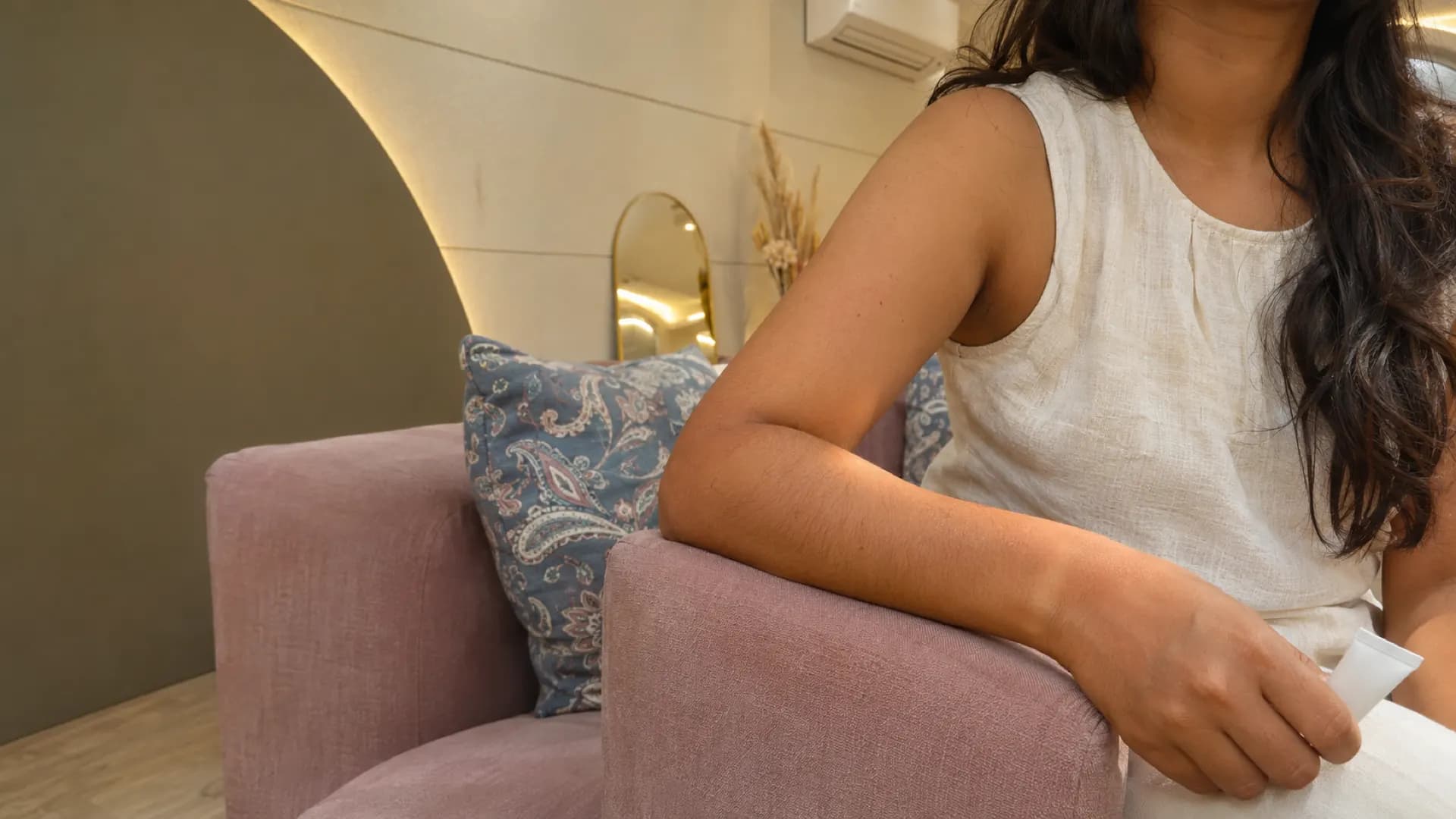
- A tan: Even darkening on skin that was exposed, with a clear edge where a sleeve, watch strap or neckline blocked the sun. It lightens over weeks to months once you stay out of the sun, and deepens again with new exposure.
- Sun spots: Small, flat, well-defined brown spots on the face, hands and shoulders after years of exposure. Unlike a tan, they do not fade on their own.
- Melasma: Symmetrical brown or grey-brown patches, usually on the cheeks, forehead, upper lip or nose. Sun, visible light, hormones and some medicines contribute, and it tends to return even after treatment (British Association of Dermatologists).
- Marks after irritation: Dark patches left after acne, a scratch, a burn or a reaction to a product. Doctors call these post-inflammatory hyperpigmentation, and they are common in brown skin.
- Something that needs a doctor first: A spot that is new, changing, uneven in colour, bleeding or has an irregular edge should be examined before any home routine.
Common tan remedies, sorted honestly
| Compare | What people hope for | Honest verdict |
|---|---|---|
| Lemon juice | What people hope forA natural bleach that lifts tan. | Honest verdictAvoid. With sunlight it can burn and blister, and the dark marks afterwards can last for years (DermNet). |
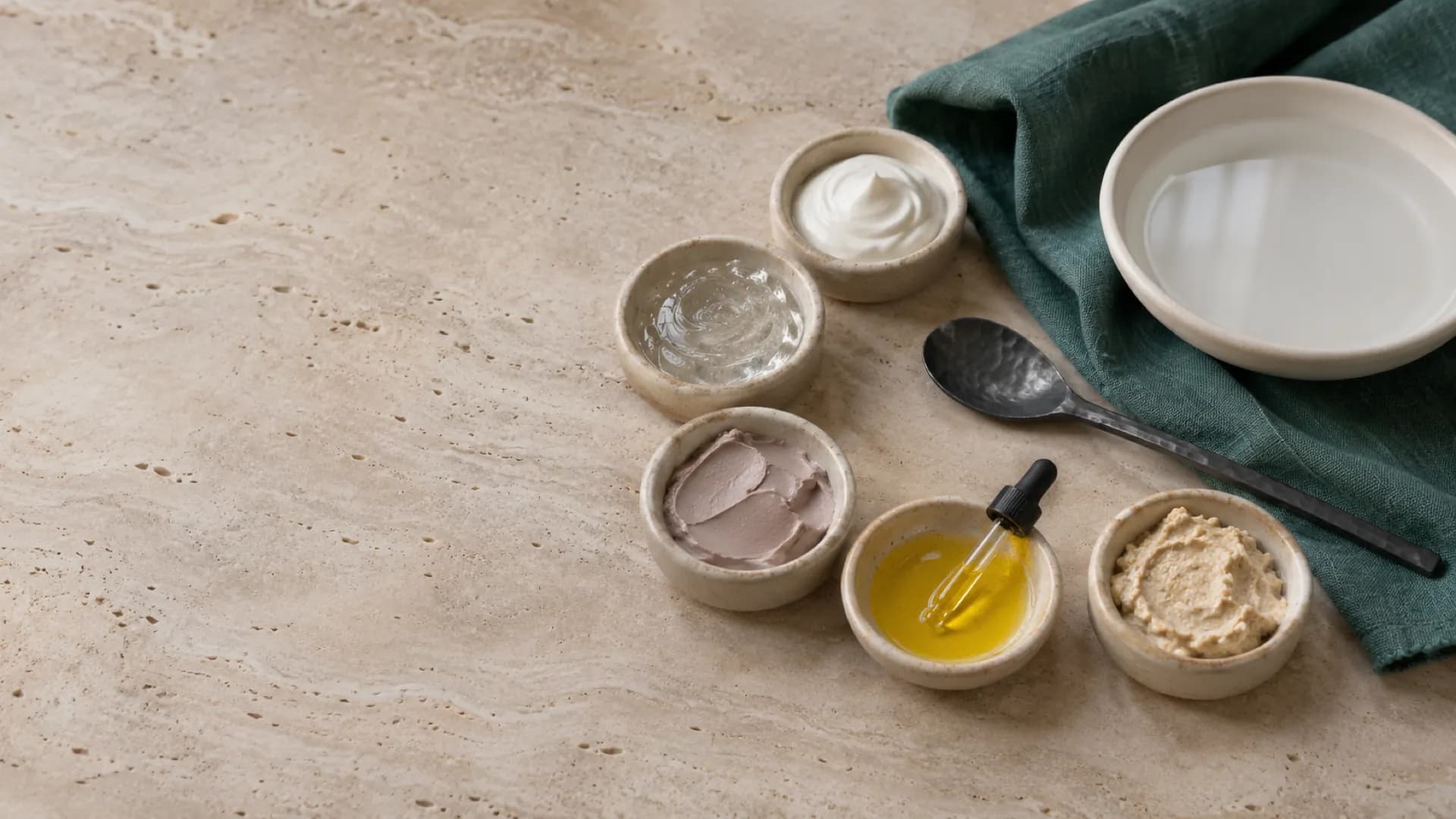
| Curd or yoghurt | What people hope forMild acid and moisture that lighten skin. | Honest verdictHarmless for most people and soothing. No good evidence it fades tan. Skip it if you are allergic to dairy. |
| Coffee scrub | What people hope forCaffeine and grit that scrub tan away. | Honest verdictLow benefit, real irritation risk. The grit does the work, not the coffee. Keep it off the face. |
| Raw potato juice or slices | What people hope forA natural lightener. | Honest verdictMostly harmless but unproven. Some people develop a rash, so patch test or skip. |
| Besan (gram flour) pack | What people hope forA traditional pack that clears tan. | Honest verdictFine as a gentle wash for oil and loose skin. Unproven for tan. Turmeric can stain skin yellow and sometimes causes allergy. |
| Aloe vera gel | What people hope forCooling relief after sun. | Honest verdictSoothing after sun exposure. It does not remove a tan. Patch test first. |
| Baking soda, toothpaste, household bleach | What people hope forA quick lightening trick. | Honest verdictAvoid. These are irritants, and the AAD says never to put liquid bleach on skin. |
General information from the sources below. Your doctor decides what suits your skin.
What actually fades a tan: sunscreen comes first
Every dermatology source starts in the same place: stop adding new pigment. A tan that is re-exposed every day cannot fade, whatever you put on it.
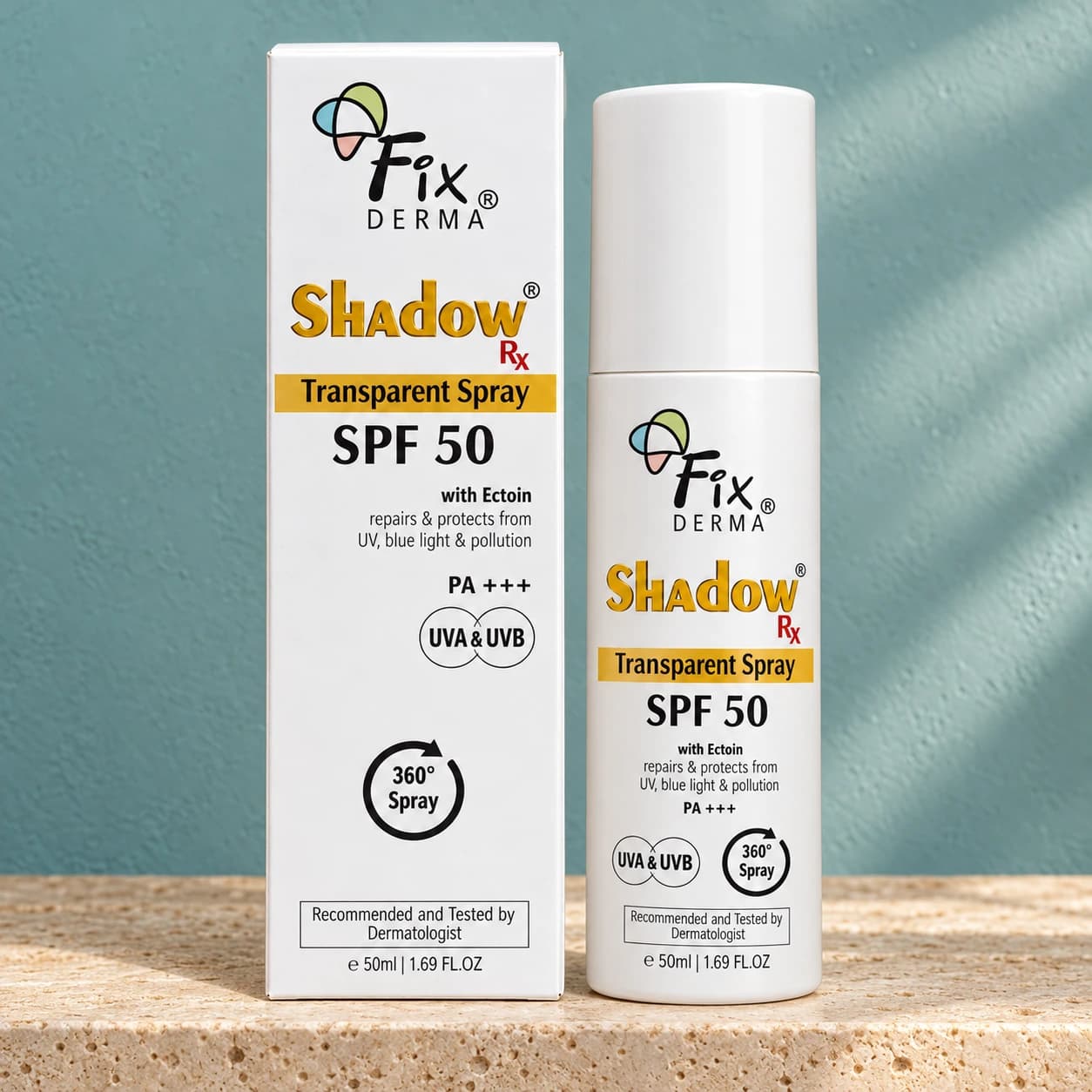
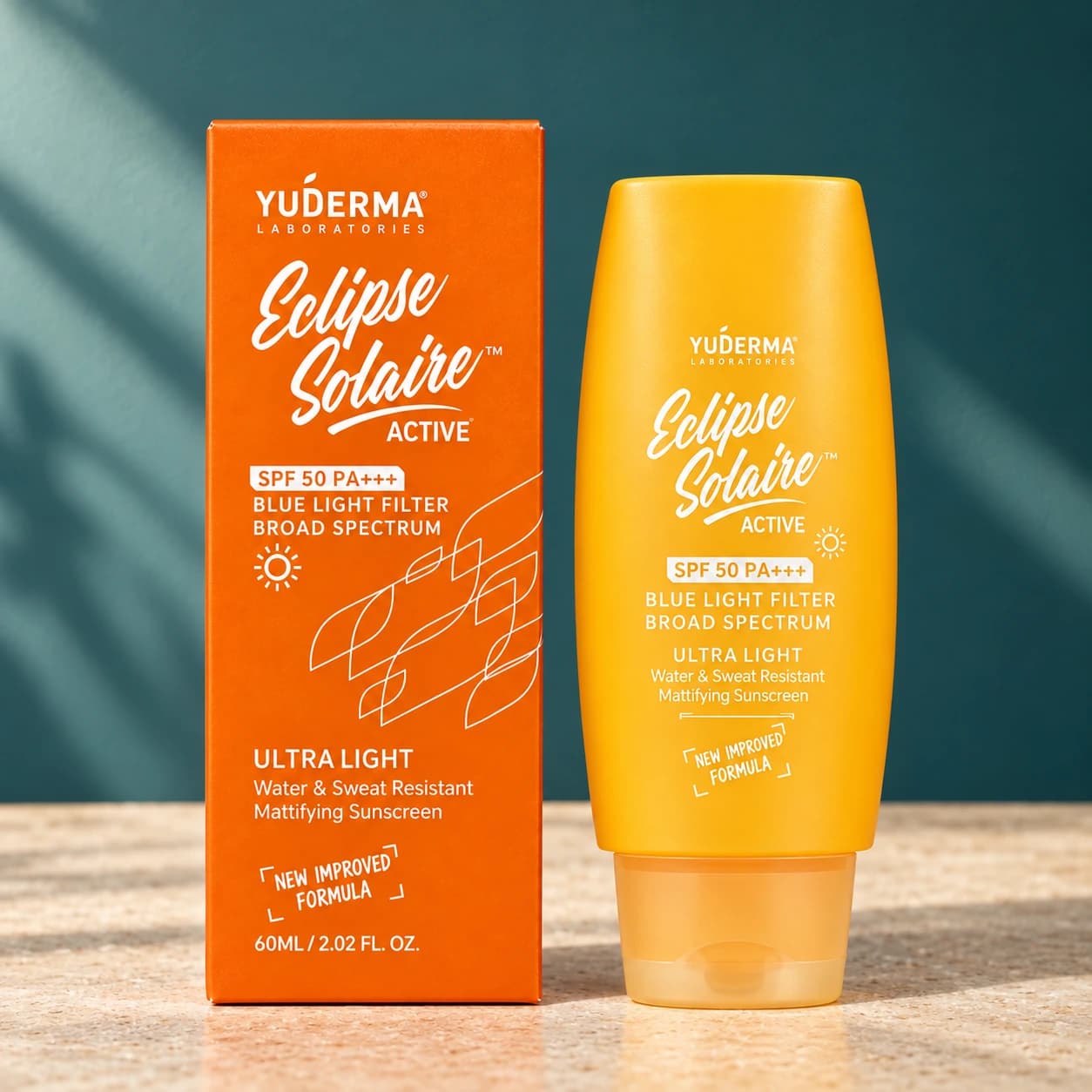
The AAD advises a sunscreen with SPF 30 or higher that is broad-spectrum (covers both UVA and UVB rays) and water resistant. Most adults need about 1 ounce, roughly a shot glass, to cover the skin that clothing does not. To stay protected outdoors, reapply every two hours and straight after swimming or sweating. The AAD also notes that people who get sunburned usually did not reapply, used too little or used an expired product.
For tan-prone brown skin, a tinted sunscreen with iron oxide adds protection against visible light, and the AAD recommends it for dark spots. In a randomised trial of 68 people with melasma, a sunscreen with iron oxide improved pigment scores more than a UV-only sunscreen over eight weeks, when both groups also used a prescription fading cream.
Shade, a wide-brimmed hat, sunglasses, an umbrella and sleeves do the work a sunscreen cannot, especially around midday and on the neck, ears, parting and backs of the hands, which tan quietly. The habit is the treatment: one morning application will not cover a full day outdoors.
Niacinamide, vitamin C and gentle exfoliation: modest help, slowly
Once the sun is under control, a few over-the-counter ingredients have some trial support. They work slowly and gently, and none replaces sunscreen.
- Niacinamide (a form of vitamin B3): A 2002 study in the British Journal of Dermatology tested it in the lab and in two small clinical studies, one of them in 120 people with facial tanning. In 18 people with hyperpigmentation, a 5% niacinamide moisturiser lowered pigmentation and raised skin lightness compared with the plain moisturiser after four weeks. The studies were small and older, and a patch test is sensible before regular use.
- Vitamin C: A 2023 systematic review of seven randomised trials with 139 volunteers found topical vitamin C lightened pigmentation on objective measures, though long-term use may be needed to see a change. Strength and stability vary between products, and it can sting on sensitive skin.
- Mild exfoliating acids: The AAD lists glycolic acid among over-the-counter ingredients that can fade dark spots. Start with a patch test and a low frequency, stop if skin stings or flakes, and never combine acids with scrubs. In Indian skin, irritation can itself leave dark marks.
- A plain moisturiser: Not a fading agent, but a calm, intact skin barrier tolerates the other steps better.
Retinoids: a doctor-level option for a tan that lingers
Topical retinoids are vitamin A medicines, such as tretinoin and adapalene, that speed up skin turnover. A 2022 clinical review in the American Journal of Clinical Dermatology reports that they reduce hyperpigmentation in skin of colour, and the AAD lists retinoids among ingredients that can fade dark spots.
They also cause dryness, redness and peeling at first, and they make skin more sun-sensitive. Pregnancy and breastfeeding change the decision, and a doctor decides. Because irritation can darken Indian skin, a doctor usually chooses the strength, builds up gradually and pairs a retinoid with daily sunscreen. This section describes what a doctor weighs. It is not advice to start one.
Lemon, curd, coffee, potato and besan: an honest verdict
Home remedies for tan are passed down for good reasons: they are cheap, familiar and feel gentle. Natural does not always mean harmless, though, and none of the common ones has strong clinical trials showing it removes a tan. Here is a plain sort into harmless but unproven, and risky.
Lemon is the one to drop first. Citrus juice contains compounds called furanocoumarins. If juice is on your skin and you step into sunlight, it can cause a burn-like reaction with redness and sometimes blisters. DermNet describes this as phytophotodermatitis, names lime juice as a known cause, and says the dark marks left afterwards typically last for years and may be more intense in skin of colour. A remedy meant to lighten the skin can darken it.
Here is a simple test for any remedy. If it stings, burns or itches, or you have to wash it off quickly, it is irritating the skin, and in Indian skin irritation is itself a cause of dark marks. Patch test on the inner forearm first, and do not use anything on sunburnt or broken skin.
Reading about it helps. A doctor looking at your skin is what tells you which of this applies to you.
How long a tan takes to fade, and what resets the clock
No honest source promises days. A light surface tan from a short holiday often looks lighter within a few weeks of staying out of the sun. A tan built over years, or one mixed with dark marks, takes months and may not clear fully without a doctor's help. Each new bout of sun resets the clock.
If you are planning around an event, give the skin time, protect it from the sun from today and talk to a doctor early, because anything that works faster usually works by irritating or exfoliating skin.
Chemical peels for a face tan that has not faded, and the catch for Indian skin
If a tan has not eased after a few months of steady sun protection, or it sits over patches that are not just tan, a doctor can look at what is going on. For the face, one option a doctor may weigh is a chemical peel, which uses a controlled acid to speed up shedding of pigmented surface skin. Depth, strength and spacing depend on your skin type, the depth of the pigment and your recent sun exposure.
The catch is skin of colour. Peels and lasers can themselves trigger post-inflammatory hyperpigmentation in Fitzpatrick types III to V. A 2024 systematic review of treatments in skin of colour notes that laser offered complete resolution in a subgroup of people but that some had worse pigmentation afterwards. That is why a doctor assesses first, often starts with creams and sunscreen, and explains the risk before any procedure.
Our chemical peels page covers the peel types, safety in Indian skin and what the cost depends on.
Laser toning for stubborn face tan: what to weigh
Laser toning uses low-energy laser light over several sessions to break up pigment gradually. It is one of the options a doctor may weigh when a face tan or patches have stayed for months, and the decision depends on whether the colour is tan, sun spots or melasma.
Melasma is where care matters most. In a 2021 trial of a laser for melasma in Thai patients with skin types III to V, about one in five (19%) developed post-inflammatory hyperpigmentation on the laser-treated side, mostly in types IV and V, and some had a rebound of pigment. A 2026 international consensus on melasma suggests lasers are generally kept for cases that have not responded to other treatment.
Our laser toning page explains the process, the sessions and the cost factors, and your doctor decides whether it suits you.
Tan on the arms, back and legs: where body polishing fits
Body tan sits in the upper layers of skin, so surface exfoliation can lighten fresh tan as the top cells shed. Body polishing is a session of exfoliation, scrubs and masks, sometimes with a light peel, that clears dead surface skin and recent tan so skin looks more even for a while.
It is a surface treatment. It does not change your natural skin colour, and its effect fades as skin renews. A doctor checks your skin first because hard scrubbing can irritate Indian skin and leave dark marks, and sunburn, eczema flares, recent peels and pregnancy can change the method or the timing.
When to see a doctor about tan or dark patches
Book a consultation if the patches have not eased after about three to six months of steady sun protection, if they are symmetrical on both cheeks, or if dark marks followed a remedy that burned or blistered. See a doctor sooner for any mole or spot that is new, changing, uneven in colour, bleeding or crusting, because that needs examination before any cosmetic plan.
Tell the doctor about medicines, hormonal contraceptives, pregnancy or breastfeeding, and any creams you have used, including steroid or fairness creams. These change the diagnosis and the plan.
What a first visit covers at Clinic Eximus in Delhi and Noida
At the Anand Vihar (East Delhi) and Sector 100 (Noida) centres, a first visit starts with your history and your skin: how long the darkening has been there, where it sits, your sun habits, medicines and skin type. The doctor works out whether you have a tan, sun spots, melasma or marks after irritation, then explains the options and the risks before any treatment is booked.
Often that starts with sun protection and a gentle routine, with procedures added only if they suit your skin.
A realistic timeline for a stubborn tan
Phase 01 · Weeks 1 to 2
Stop adding pigment
Daily broad-spectrum sunscreen, reapplied every two hours outdoors, plus shade and a hat. Keep lemon, scrubs and anything that stings out of your routine.
Phase 02 · Weeks 3 to 8
Fade gently
If skin is calm, add niacinamide or vitamin C, and a mild exfoliating acid used sparingly. A light surface tan often looks lighter in this window.
Phase 03 · Months 3 to 6
Reassess
If darkness or patches still stand out, see a doctor to find out what kind of pigment it is. Deeper or older pigment can take much longer to fade.
The takeaway
Protect the skin first, fade gently second, and keep lemon and hard scrubs out of the routine. If a tan or patch has not eased in a few months, a doctor can tell you which kind of pigment it is.
Sources
- American Academy of Dermatology: how to apply sunscreen (opens in a new tab)
- American Academy of Dermatology: how to fade dark spots in darker skin tones (opens in a new tab)
- Melanogenesis: a photoprotective response to DNA damage? Mutation Research, 2005 (PubMed 15748643) (opens in a new tab)
- Impact of visible light on skin health: antioxidants and free radical quenchers. J Am Acad Dermatol, 2022 (PubMed 34942294) (opens in a new tab)
- Castanedo-Cazares et al., Near-visible light and UV photoprotection in the treatment of melasma: randomised trial, 2014 (PubMed 24313385) (opens in a new tab)
- Hakozaki et al., The effect of niacinamide on reducing cutaneous pigmentation and suppression of melanosome transfer. Br J Dermatol, 2002 (PubMed 12100180) (opens in a new tab)
- Efficacy of topical vitamin C in melasma and photoaging: systematic review. J Cosmet Dermatol, 2023 (PubMed 37128827) (opens in a new tab)
- Effects of topical retinoids on acne and post-inflammatory hyperpigmentation in patients with skin of colour: clinical review. Am J Clin Dermatol, 2022 (PubMed 34751927) (opens in a new tab)
- DermNet: phytophotodermatitis (opens in a new tab)
- Sarkar et al., Clinical and epidemiologic features of melasma: multicentric cross-sectional study from India. Int J Dermatol, 2019 (PubMed 31187480) (opens in a new tab)
- Treatment of post-inflammatory hyperpigmentation in skin of colour: systematic review. J Cutan Med Surg, 2024 (PubMed 39075672) (opens in a new tab)
- Postinflammatory and rebound hyperpigmentation after laser for telangiectatic melasma, skin phototypes III to V, 2021 (PubMed 33002283) (opens in a new tab)
- Delphi consensus on melasma management by international experts and the Pigmentary Disorders Society. J Eur Acad Dermatol Venereol, 2026 (PubMed 40996222) (opens in a new tab)
- British Association of Dermatologists: melasma patient information leaflet (2024) (opens in a new tab)