
Body polishing and de-tan: for tan lines, dull skin and the weeks before a wedding.
A body polish is a session of exfoliation, scrubs and masks that lifts dead surface skin and fresh tan so skin feels smooth for a few weeks. It does not change your natural colour, and a doctor checks your skin first.
Two taps, then WhatsApp. A doctor reviews your history before any treatment is suggested.
4.9 from 1,238 Google reviews(Delhi centre)Doctor-led since 2004
Body Polishing at a glance
- Price
- ₹4,999 per session
- Sessions
- One, or a short run before an event
- Gap between sessions
- Usually 2 to 4 weeks
- Downtime
- None, or mild redness for a day
- How long it lasts
- A few weeks, then it fades
- First step
- A skin check
What these figures mean
- Price
- Clinic Eximus price for body polishing and de-tan. Salon prices differ widely, so compare what each session includes.
- Sessions
- Clinic Eximus bridal plans include 1 to 3 body polishing sessions. Your doctor sets the number.
- Gap between sessions
- Skin needs time to renew. Closer gaps raise the chance of irritation.
- Downtime
- Barrier function returned within 24 hours in a small study of exfoliation.
- How long it lasts
- Smoothness fades as skin renews. Sun brings the tan back.
- First step
- Recent sun, medicines, irritation and your event date shape the plan.
Clinic Eximus price. Your doctor confirms the plan and final price at consultation.Updated
The short answer
Body polishing is a session of exfoliation, scrubs and masks, sometimes with a light peel, that removes dead surface skin and fresh tan so skin feels smooth and looks more even for a while. It is a surface treatment: it does not change your natural skin colour and the effect fades as skin renews, so it is repeated. A doctor checks your skin first, because hard scrubbing can irritate Indian skin and leave dark marks.
Is body polishing right for your skin?
Often suits
- People with dull, rough or recently tanned skin on the arms, back, shoulders, legs or the whole body, whose skin is healthy and unbroken.
- Brides, grooms and guests preparing for an event, who want smooth shoulders, arms and back, and can plan sessions in the weeks before.
- People who tan easily after sun exposure and want the surface tan lifted, accepting that it returns with sun.
- People who prefer a doctor to look at their skin before scrubs, acids or other products are chosen.
May not suit
- Sunburnt, broken, very dry or irritated skin, an eczema or psoriasis flare, or an infection such as a cold sore, wart or fungal rash in the area.
- Anyone who has recently used retinoids, strong peels, waxing or laser hair removal on the area, because skin is already sensitised. Your doctor sets the timing.
- Skin that marks easily. Dark patches after irritation are common on Indian skin, so scrubbing is kept gentle, or a different approach is chosen.
2 more reasons
- Pregnancy and breastfeeding. A doctor decides which products are suitable, and many acid-based steps are avoided.
- Anyone hoping for a lasting change in skin colour, or for treatment of knees, elbows, underarms or melasma-type patches. Those need diagnosis, not scrubbing.
How body polishing and de-tan work
A body polish is built from exfoliation. Fine granules or a mitt lift the outer layer of dead skin cells, and some sessions add a mild acid or a peel-style step. A mask and moisturiser follow. Exfoliation briefly disturbs the skin barrier, which returned to baseline within 24 hours in a small study of microdermabrasion and glycolic peels. A tan is pigment made in response to sun and held in the upper skin. As the surface sheds, a fresh tan lightens with it, which is why polishing helps de-tan. It does not reach deeper or long-standing pigment, and it cannot change your natural colour. Because skin renews, the smooth surface fades over weeks, and sun brings the tan back.
How care runs at Clinic Eximus
The same order for everyone, so nothing is decided before the cause is clear.
Step 1
Skin check
Your doctor looks at your skin type, recent sun and tanning, irritation, medicines and any event date. This decides whether a scrub, a mild peel or neither is suitable.
Step 2
Cleanse and exfoliate
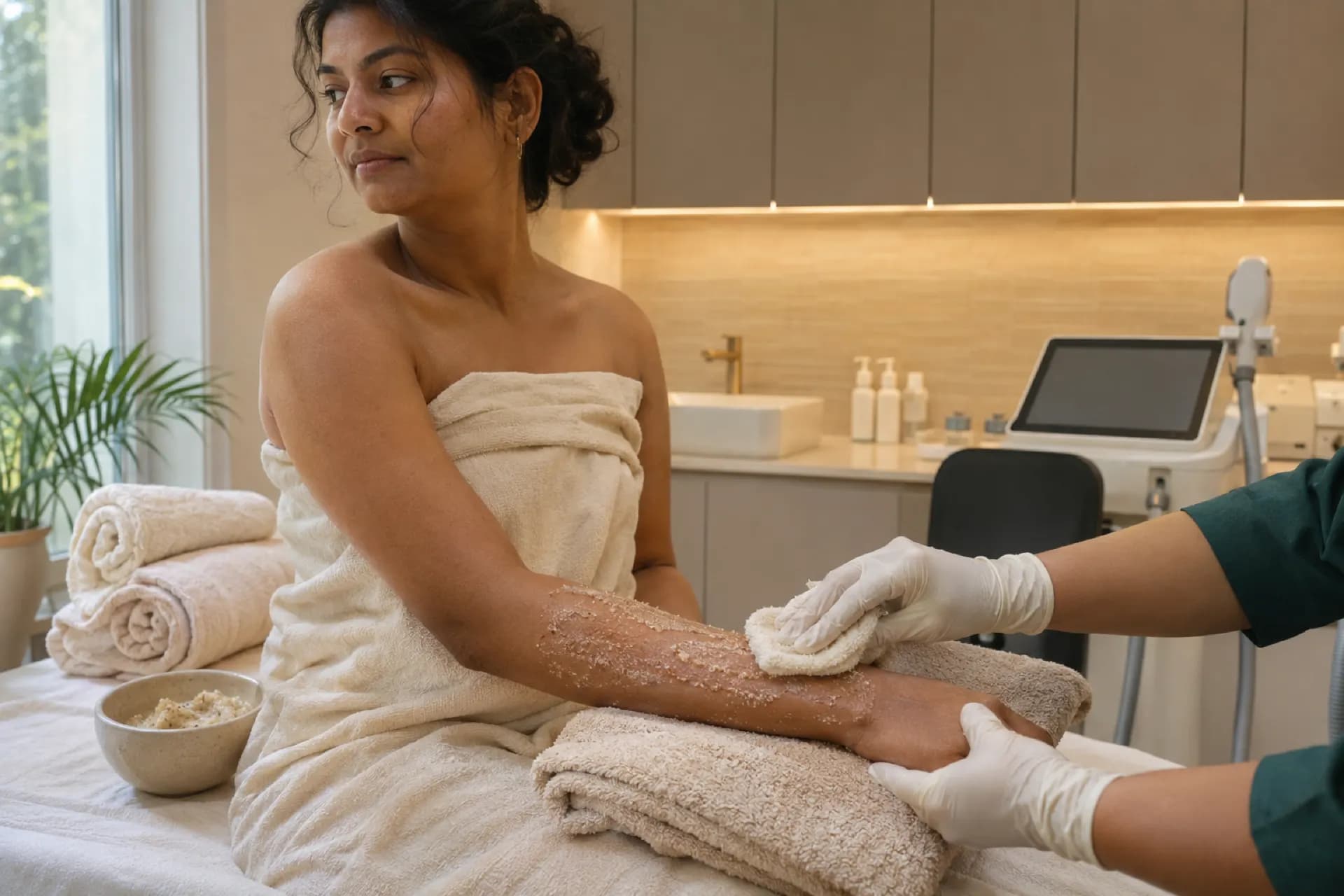
The area is cleansed, then dead skin is lifted with a fine scrub or mitt, and sometimes a mild acid step. Pressure is kept gentle on skin that marks easily.
Step 3
Mask and moisturise
A soothing mask and moisturiser follow, to calm the skin and replace the moisture that exfoliation removes.
Step 4
Aftercare
Moisturise daily, use sunscreen or cover treated skin outdoors, and avoid waxing, harsh scrubs and hot showers for a day or so, as your doctor advises.
Step 5
Plan the next session
Smoothness fades as skin renews. For a bridal or event plan, your doctor spaces a few sessions before the date; otherwise you repeat only if you want to.
What the research says
Published studies and guidelines, linked so you can read them yourself. Evidence is not a promise for any one person.
13 women · recovery within 24 hours. In 13 healthy women, crystal microdermabrasion and glycolic acid peels (30%, 50%, 70%) both disturbed the skin barrier immediately, and barrier function returned to baseline within 24 hours. Redness was greater after the peels than after microdermabrasion. It is a small forearm study of the exfoliating methods a polish uses, not of body polishing itself. (Damage and recovery of skin barrier function after glycolic acid chemical peeling and crystal microdermabrasion, Dermatologic Surgery (PubMed 15008867), 2004) opens in a new tab
Surface roughness and mottling improved. An Indian review of microdermabrasion, a mechanical exfoliation method, describes use for superficial acne scars, post-inflammatory dark marks and sun-damaged skin. Forearm studies showed better roughness and mottled pigmentation after a series of treatments, with no benefit for wrinkles. Results are described for the surface layers only. (Microdermabrasion, Indian Journal of Dermatology, Venereology and Leprology, 2007) opens in a new tab
Skin types IV–VI · higher risk. DermNet NZ notes that superficial peels such as glycolic and salicylic acid are repeated to build improvement, and that people with skin types IV to VI have a higher risk of dark or light patches and scarring from peels, so informed consent and caution matter. (Chemical peels (face peels), DermNet NZ, 2023) opens in a new tab
2 more studies
AAD: avoid aggressive exfoliation. The American Academy of Dermatology says exfoliating can help or harm: using it wrongly can worsen redness or acne, retinoids and benzoyl peroxide make skin more sensitive, and darker skin tones that mark easily should avoid aggressive exfoliation. (How to safely exfoliate at home, American Academy of Dermatology, 2026) opens in a new tab
Short review · reasons to wait. A short clinical review of microdermabrasion and chemical peels lists reasons to wait or avoid them: recent retinoid use, active skin infection and a weakened immune system. For a history of cold sores in the area it advises antiviral cover. It is a general review, not a trial. (Dermatology procedures: microdermabrasion and chemical peels, FP Essentials (PubMed 25373032), 2014) opens in a new tab
We will tell you if body polishing is not the right first step for you.
From skin check to the next session
Typical milestones from published studies and guidelines. Your doctor sets your own schedule.
Before
Skin check; avoid sunburn and waxing in the days before
Session
Cleanse, exfoliate, mask and moisturise
Same day
Skin feels smooth; mild redness or dryness is possible
The next 1 to 2 weeks
Moisturise daily and use sunscreen to keep the tan away
After 2 to 4 weeks
Smoothness fades as skin renews; repeat only if advised
What to expect
- Body polishing is a surface treatment. Smoothness and a lighter tan are temporary, and sun brings the tan back.
- It does not change your natural skin colour. Lasting change to dark patches needs a doctor's diagnosis and a different plan.
- A salon polish and a doctor-led session are not the same service. Ask what products and methods are used and who checks your skin.
- More scrubbing is not better. Over-exfoliating can inflame skin and leave marks that last longer than the tan.
- No studies test body polishing itself. The evidence here comes from the exfoliation methods it uses, so claims are kept modest.
Side effects and safety
- Mild redness, tightness or dryness for up to a day is common after exfoliation. Moisturiser and sun protection help.
- Indian skin can mark after irritation, so a doctor keeps pressure and acids gentle and tells you when to stop. Tell the clinic about any dark patch that appears afterwards.
- Do not polish sunburnt, broken or infected skin. Retinoids, recent peels, waxing and laser hair removal on the area call for a wait.
- Say if you are pregnant or breastfeeding. A doctor decides which products and acid steps are suitable.
- Tell your doctor about eczema, psoriasis, cold sores, keloid scars and every cream or tablet you use before the session.
Body polishing cost in Delhi
₹4,999
per session
Clinic Eximus price. Your doctor confirms the plan and final price at consultation.
What changes the cost
- The areas treated: arms and back cost less than a full-body session.
- The method: a scrub-and-mask session differs from one that adds a peel-style step.
- Whether it is a single session or part of a bridal or event plan with several sessions.
- Whether a doctor checks your skin first. Salon, spa and clinic prices differ widely, so compare what each session includes.
Pairs with this care
Care to use between visits, chosen by the clinic. Confirm the right one with a doctor.
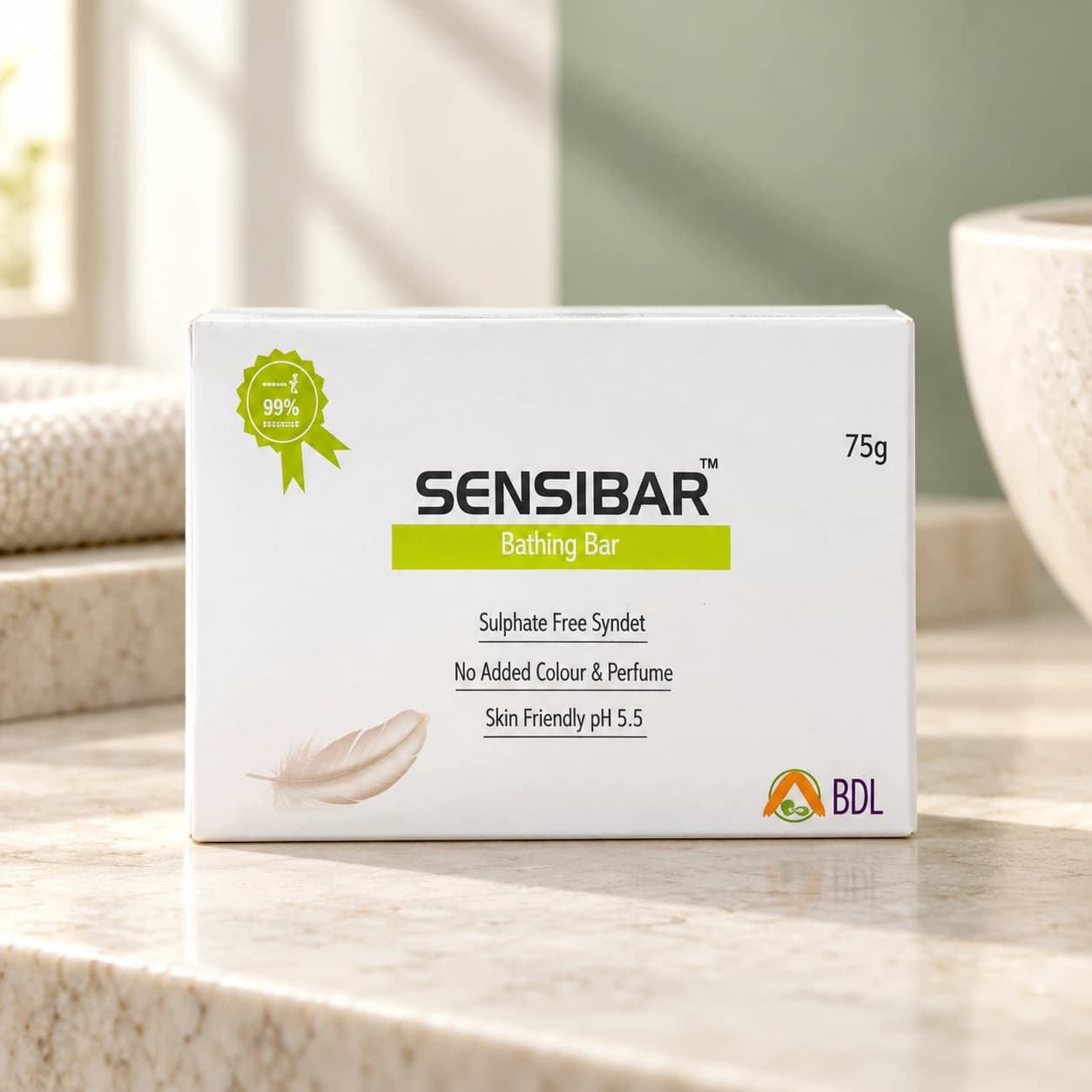
Body wash
Sensibar Bathing Bar
Skin cleansing product. Confirm the formulation and suitability with the clinic.
₹210View details
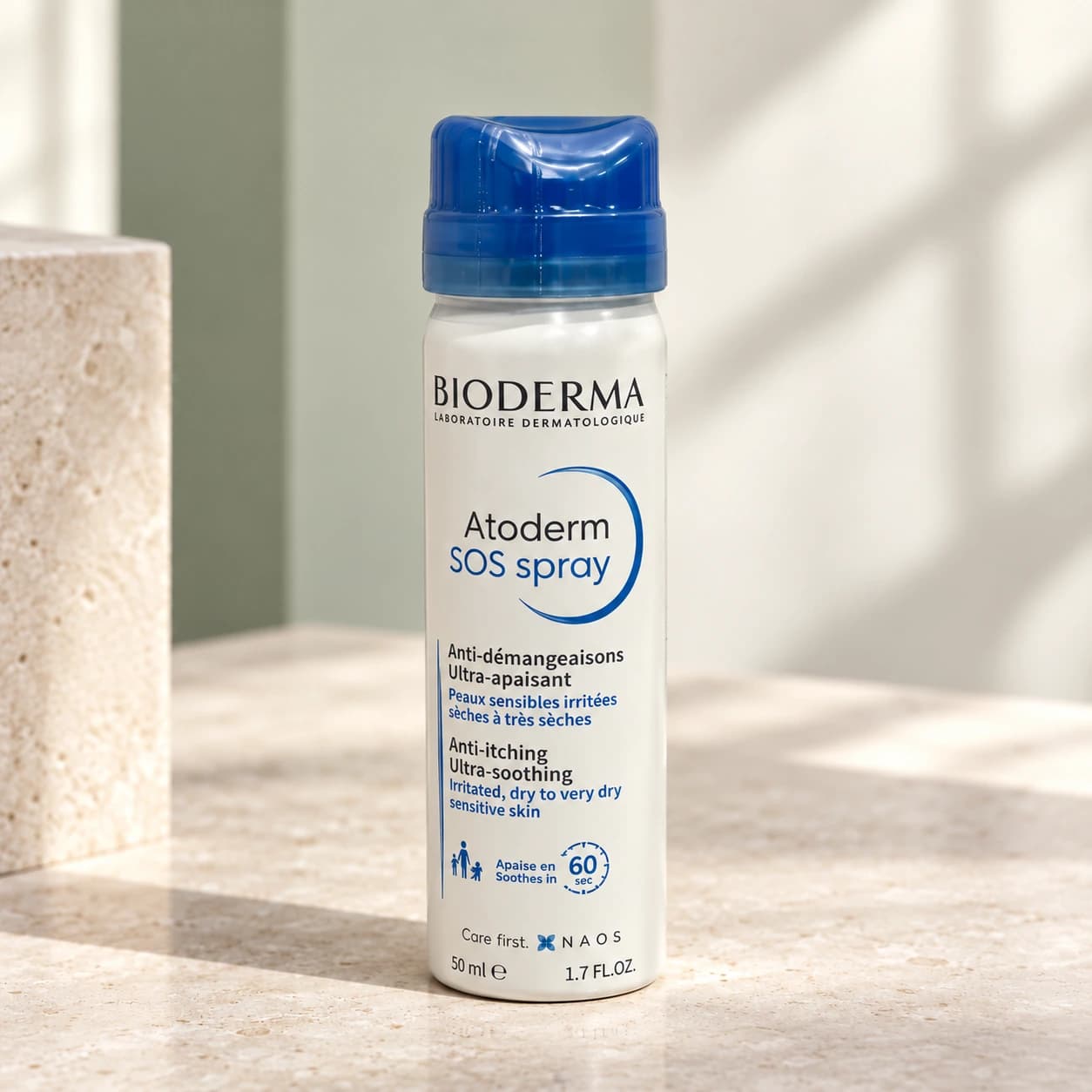
Spray
Atoderm SOS Spray
Body care product. Confirm the formulation, pack size and suitability with the clinic.
₹1,399View details
Orders are confirmed on WhatsApp. There is no online payment.
Questions people ask
How much does body polishing cost in Delhi?
Body polishing and de-tan at Clinic Eximus costs ₹4,999 per session. Salon prices differ widely, so compare what each session includes. The areas, the method and whether a doctor checks your skin change the plan, and Clinic Eximus confirms the price in writing after your consultation.
What does body polishing do?
It lifts dead surface skin and fresh tan with scrubs, masks and sometimes a mild peel, so skin feels smoother and looks more even for a while. It is a surface treatment. It does not change your natural colour or treat deep pigment, and the effect fades over weeks as skin renews.
Can body polishing remove tan?
It can lighten a fresh surface tan, because the tanned top layer sheds as it is exfoliated. It cannot remove long-standing darkness or change natural colour, and the tan returns with sun. Sunscreen and cover keep the result longer. Stubborn tan or patches need a doctor to look at the cause.
How often should you do body polishing?
Usually every 2 to 4 weeks at most, because skin needs time to renew and over-exfoliating can inflame it. Many people need only one session, or a few before an event. Your doctor sets the gap for your skin and may lengthen it if skin looks irritated or marks easily.
What is the difference between a body scrub and body polishing?
A scrub is usually one step, a gritty product rubbed over the skin. A polish is a fuller session: cleanse, exfoliate with a scrub or mitt, sometimes a mild acid, then a mask and moisturiser. At a clinic a doctor also checks your skin and medicines first, which a home scrub does not.
Does body polishing make skin fairer?
No. It can make skin look brighter and more even by removing dead cells and fresh tan, but it does not change your natural colour. Anything promising that should be questioned. If dark patches bother you, a doctor can diagnose the cause and suggest a plan.
Who should avoid body polishing?
Avoid it on sunburnt, broken or infected skin, during an eczema or psoriasis flare, and soon after retinoids, strong peels, waxing or laser hair removal on the area. Pregnancy and breastfeeding need a doctor's advice, and skin that marks easily needs a gentle approach. Tell your doctor about every medicine you use.
How many body polishing sessions do I need before a wedding?
It varies, and your doctor decides after seeing your skin and the date. Clinic Eximus bridal plans include between 1 and 3 body polishing sessions. Start early enough to space sessions a few weeks apart, and keep the last one a few days before the event so skin has settled.
Is body polishing safe for Indian skin?
It can be when it is gentle. Indian skin can develop dark marks after irritation, and dermatology advice is to avoid aggressive exfoliation on skin that marks easily. A doctor checks your skin, chooses light pressure and mild products, tells you when to stop, and sets sun protection. Report any new dark patch early.
Read next
Article
Which Facial Suits Your Skin? A Guide by Skin Concern
Dry, oily, acne-prone, dull or sensitive: what each skin type needs from a facial, what to be careful with, and when to see a doctor first.
Article
Skin Lightening Treatment Cost in Delhi: What Affects It
What skin brightening treatment costs in Delhi NCR, what changes the total, what it can and cannot do, and the questions worth asking before you book.

A smoother surface, and an honest account of its limits.
A doctor looks at your skin and your goals, then writes a plan with the full price before you begin.
Choose aesthetic care, a centre and a time
Two taps. Nothing is stored on the website.
Your message opens in WhatsApp
You send it yourself and can add anything for the doctor.
The team confirms your visit
Your doctor reviews your history before suggesting anything.
4.9 from 1,238 Google reviews(Delhi centre)Doctor-led since 2004