
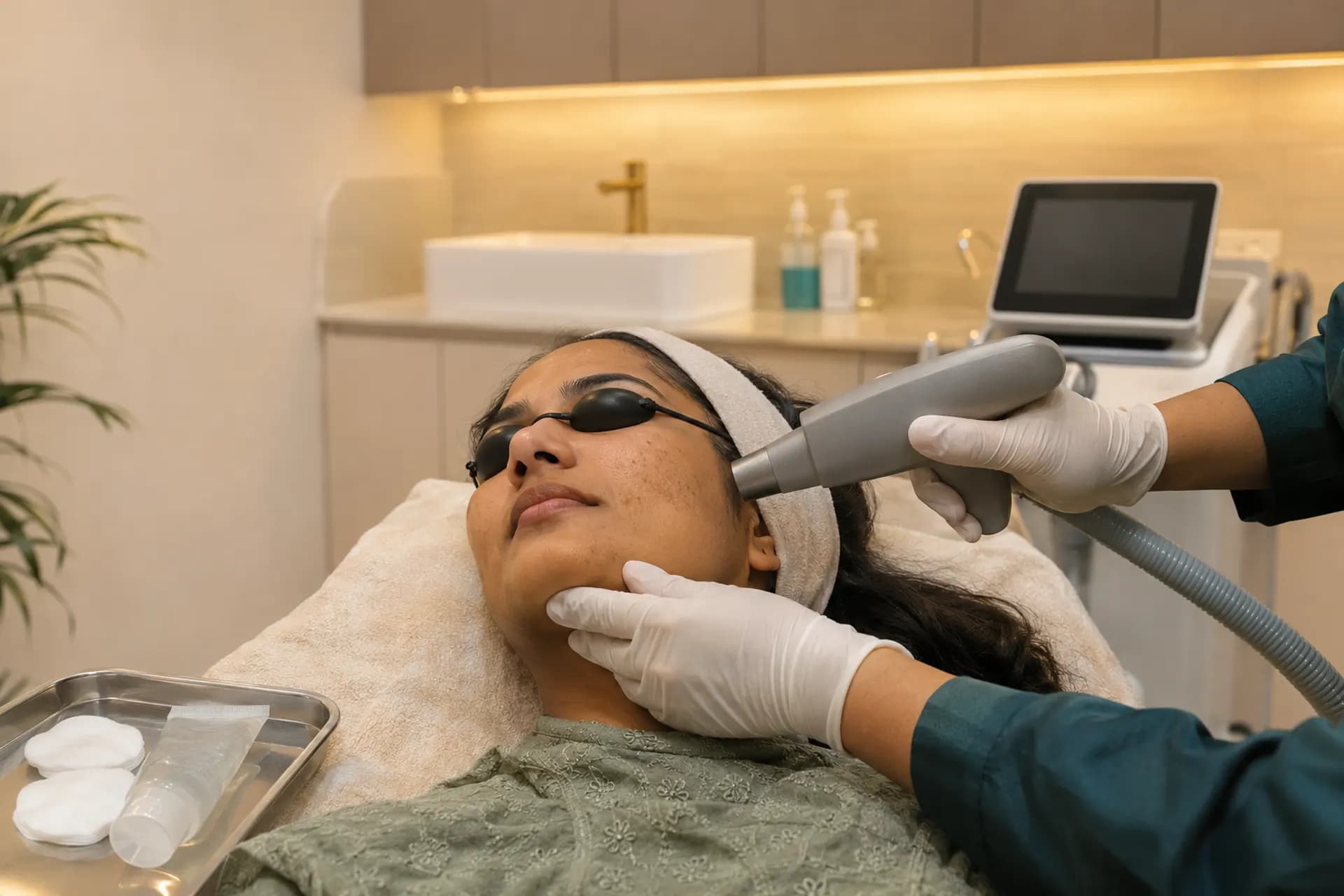
Laser toning, pico laser and the carbon laser facial: three lasers, three different jobs.
Three laser treatments for tone, light pigment, pores and texture, and what the evidence says about each. For dark patches or melasma, see pigmentation and melasma first: a doctor works out the cause before choosing a laser.
Two taps, then WhatsApp. A doctor reviews your history before any treatment is suggested.
4.9 from 1,238 Google reviews(Delhi centre)Doctor-led since 2004
Laser Toning, Pico Laser and Carbon Laser Facial at a glance
- Price
- Pico facial ₹3,499 per session
- Sessions
- A series, not one visit
- Gap between sessions
- From 2 weeks to about a month
- Downtime
- Mild redness, for hours to a day
- First step
- Work out what the problem is
- When to judge results
- After the series
What these figures mean
- Price
- Clinic Eximus price for a pico facial. Toning and carbon laser facial prices vary by laser and area, and are set at consultation.
- Sessions
- Carbon peel studies used 3 monthly sessions; toning studies for melasma typically used 5 to 15.
- Gap between sessions
- Studies used 1 to 4 weeks for toning. Closer gaps raised the risk of pale spots, so your doctor sets it.
- Downtime
- Little or none for most people. Sunscreen matters every day of the course.
- First step
- Tone, tan, melasma, post-acne marks and pores need different plans.
- When to judge results
- Results are gradual, and pigment can return, especially with sun or hormones.
Clinic Eximus price. Your doctor confirms the plan and final price at consultation.Updated
The short answer
Laser toning is a series of gentle low-energy Q-switched laser passes over the face. Pico laser uses even shorter picosecond pulses, and a carbon laser facial puts a carbon layer on the skin and clears it with a laser. They are used for uneven tone, light pigment, pores and texture, not to change your natural skin colour. On Indian skin, over-frequent or aggressive toning can leave pale spots or worsen melasma, so a doctor decides first.
Are laser toning, pico laser or a carbon laser facial right for your skin?
Often suits
- People with dull or uneven tone, a fresh tan or light patchy pigment, who want a gradual improvement and accept a series of sessions.
- People with open-looking pores, oily skin and rough texture or mild acne, for whom a carbon laser facial is sometimes considered.
- People whose pigment has been diagnosed by a doctor as suitable for laser, often alongside creams, peels and strict sun protection.
- People who want little downtime and can keep up daily sunscreen and come back for reviews.
May not suit
- Melasma treated with laser alone. Lasers are not first-line for melasma, and toning can worsen or trigger relapse. A doctor decides whether to use it at all, after a pigmentation assessment.
- A recent tan or sunburn, active infection, cold sores, open or inflamed acne, or very irritated skin. Treatment is postponed.
- Pregnancy and breastfeeding. Many treatments are deferred, and a doctor decides.
3 more reasons
- Anyone hoping to change their natural skin colour. These lasers treat pigment, pores and texture, and do not lighten skin tone overall.
- Deep acne scars, loose skin or deep wrinkles. Other treatments are more suitable and are covered on their own pages.
- People using medicines that increase light sensitivity or who have used isotretinoin recently. Your doctor reviews these first.
Laser toning, pico laser and carbon laser facial: how each works
Laser toning, pico laser and a carbon laser facial are different things that clinics sometimes group together. Laser toning uses a Q-switched Nd:YAG laser (usually 1064 nm) at low energy, passed several times over the whole area, to break up pigment gradually with little visible injury; the name is used loosely, so ask which laser and settings. Pico laser delivers pulses lasting picoseconds, shorter than Q-switched nanosecond pulses, which shatters pigment into finer fragments with less heat; it is also used for tattoos and, with fractional tips, for texture. A carbon laser facial (carbon peel) coats the skin with a carbon lotion for about ten minutes, then a Q-switched pulse is absorbed by the carbon, treating surface debris, oil and pores. Each treats the surface or upper skin; none is a cure for melasma, and the sun and hormones that cause patches can bring them back.
How care runs at Clinic Eximus
The same order for everyone, so nothing is decided before the cause is clear.
Step 1
Diagnosis first
Your doctor works out whether you have tan, post-acne marks, melasma, sun spots or pores, and checks medicines, pregnancy and recent sun. A laser that suits one cause can worsen another.
Step 2
Plan and a limit
The plan names the laser and settings, the number of sessions, the gap between them and a point to stop and review. Closer and more frequent is not better on Indian skin.
Step 3
The session
Eye protection is worn. For a carbon laser facial a carbon layer is applied and cleared with the laser; toning and pico laser are passed over the area in several passes. A session is usually short.
Step 4
Care between sessions
Use sunscreen daily and avoid tanning, harsh scrubs and picking. Prescribed creams may continue or pause, as your doctor says. Report any pale or darker patch early.
Step 5
Review and maintenance
After the series your doctor reviews results and decides whether to stop, space out maintenance or change approach. Sun protection is what holds the result.
What the research says
Published studies and guidelines, linked so you can read them yourself. Evidence is not a promise for any one person.
10 studies · 446 people. Indian dermatologists reviewing 10 studies of low-fluence Q-switched Nd:YAG for melasma (446 people) concluded lasers are not first-line. They suggest it as an add-on for resistant melasma, after careful selection and counselling, rather than as stand-alone treatment. (Lasers in melasma: a review with consensus recommendations by the Indian Pigmentary Expert Group, Indian Journal of Dermatology (PMC5724305), 2017) opens in a new tab
42 studies · 1,736 people. A systematic review of 42 studies and 1,736 people with melasma, mostly skin types II to V, found low-fluence Q-switched Nd:YAG often gave favourable cosmetic results, usually over 5 to 15 sessions. Some studies reported relapse or worsening months after stopping. (The low-fluence Q-switched Nd:YAG laser treatment for melasma: a systematic review (PMC9323185), 2022) opens in a new tab
23 people · pale spots in all. In a case series of 23 Chinese patients treated very frequently with laser toning for melasma, all developed confetti-like pale spots on both cheeks. In the 13 followed over a four-month rest, none had regained their colour. (The Asian problem of frequent laser toning for melasma, Journal of Clinical and Aesthetic Dermatology (PMC5605223), 2017) opens in a new tab
4 more studies
8 studies · 200 Asian patients. A pooled analysis of 8 studies of 200 Asian patients with pigmentary disorders rated response to picosecond laser excellent in 56%, good in 29%, fair in 9% and poor in 3% at about 3 months. Only 2 of the 8 studies were randomised, and the range around the 56% was wide (28 to 83%). (Treatment of pigmentary disorders using picosecond laser in Asian patients: a meta-analysis and systematic review, Dermatologic Therapy (PubMed 33368885), 2021) opens in a new tab
6 trials · results vary widely. A pooled analysis of 6 randomised trials of picosecond laser for melasma found a significant improvement in melasma scores, but with high variation between trials. The 1064 nm wavelength looked safe, while 755 nm was linked to post-inflammatory darkening. (Efficacy and safety of picosecond laser for the treatment of melasma: a systematic review and meta-analysis, Lasers in Medical Science (PubMed 36897459), 2023) opens in a new tab
32 people · no control group. A retrospective study of 32 people (mean age 26) given three monthly carbon peel laser sessions with a picosecond Q-switched laser found 88% had minimal or no visible pores one month after the last session, and acne improved by one grade in 18. It had no control group. (Carbon peeling laser treatment to improve skin texture, pores and acne lesions: a retrospective study, Medicina (PMC9698849), 2022) opens in a new tab
80 people · both improved pores. In 80 people with enlarged pores, three monthly sessions of carbon-assisted Q-switched Nd:YAG and of fractional CO2 laser both improved pores. CO2 gave a larger and longer improvement, while the carbon-assisted laser had less downtime, and satisfaction was similar. (Fractional carbon dioxide laser versus carbon-assisted Q-switched Nd:YAG laser in the treatment of dilated facial pores, Journal of Cosmetic Dermatology (PubMed 34169628), 2021) opens in a new tab
We will tell you if laser toning and pico laser is not the right first step for you.
From diagnosis to the end of a series
Typical milestones from published studies and guidelines. Your doctor sets your own schedule.
Before
Diagnosis of the pigment or texture problem; sun and medicines reviewed
Session
Eye protection; a short laser session over the area
Same day
Mild redness or warmth for hours; sunscreen from now on
Every 2 to 4 weeks
Next session, spaced by your doctor; closer gaps add risk
After the series
Review; pigment can return, so sun protection continues
What to expect
- Improvement is gradual and modest. It can fade or relapse, especially if sun, heat or hormones keep driving pigment.
- These lasers do not change natural skin colour. Expect more even tone and smoother texture, not a lighter complexion.
- Evidence is mixed: toning and pico have better data in melasma and pigment studies than a carbon laser facial, which rests on small studies.
- Names are used loosely. Ask which laser, which wavelength, how many sessions and what the stopping point is.
- A carbon laser facial is mainly a surface treatment. It is not a substitute for treating deep scars, melasma or sagging skin.
Side effects and safety
- Mild redness and warmth for hours to a day are common. Sunscreen and gentle care help, and strong products wait until skin has settled.
- Indian skin can darken after inflammation or develop pale spots from over-frequent low-fluence toning, which have been lasting in reports. This is why a doctor sets the settings, the spacing and a limit.
- Melasma can worsen or return after laser, so pigmentation is assessed first and sun protection is strict.
- Say if you are pregnant or breastfeeding, have had cold sores, take light-sensitising medicines or have recently used isotretinoin. A doctor decides timing.
- Contact the clinic for blistering, crusting, spreading pain, or a patch that turns pale or darker and does not settle.
Laser toning, pico laser and carbon laser facial cost in Delhi
₹3,499
per session for a pico facial
Clinic Eximus price. Your doctor confirms the plan and final price at consultation.
What changes the cost
- The laser: toning, pico and carbon laser facial are priced differently and by device and clinic.
- The area treated and the number of sessions in the plan, which is usually the biggest factor in the total.
- Whether creams, peels or other treatments are part of the plan alongside the laser.
- Whether a doctor assesses your skin first, and whether the price is per session or a package. Ask what happens if you need extra sessions.
Pairs with this care
Care to use between visits, chosen by the clinic. Confirm the right one with a doctor.
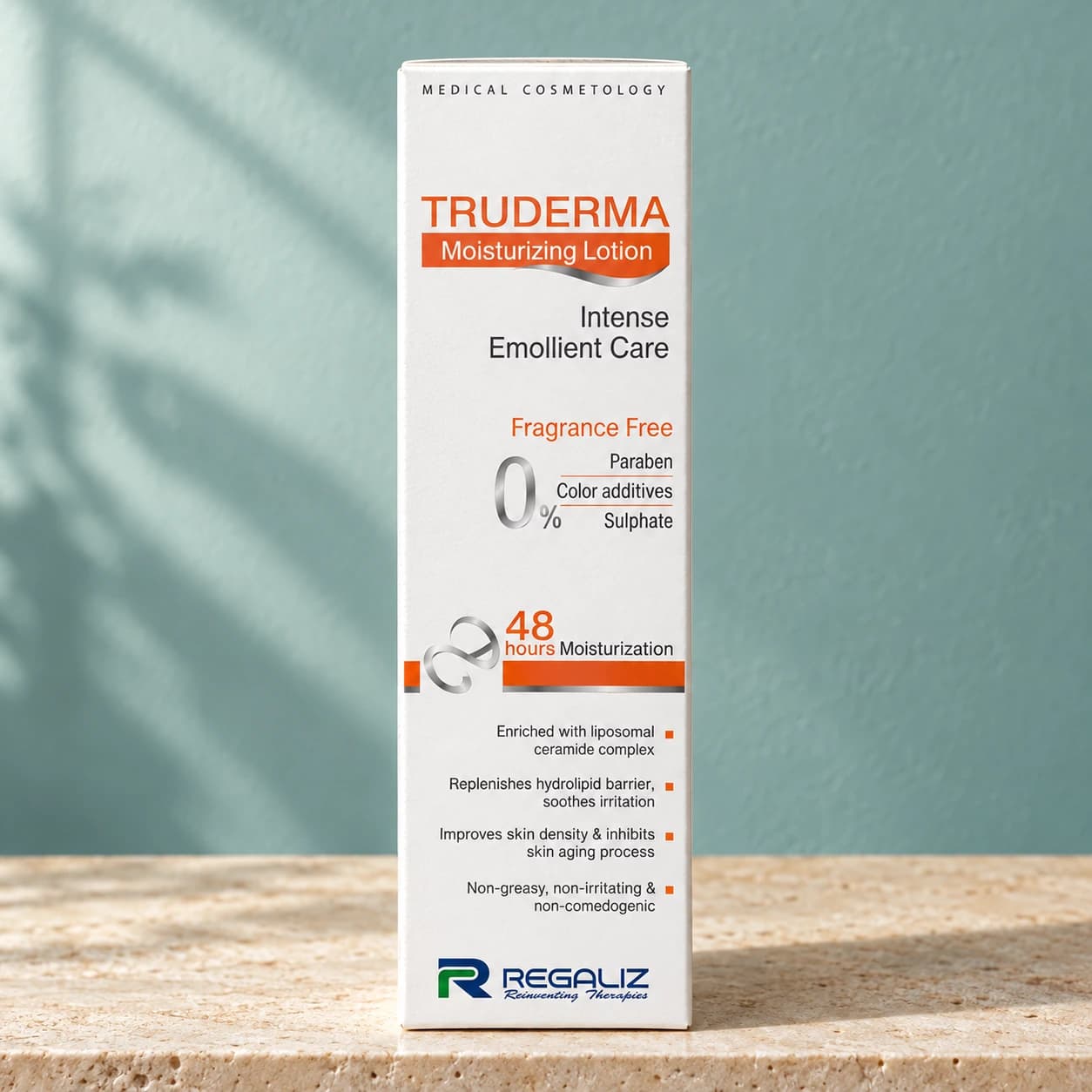
Cream
Truderma Moisturizing Lotion
Skin care product. Confirm the formulation, pack size and suitability with the clinic.
₹939View details
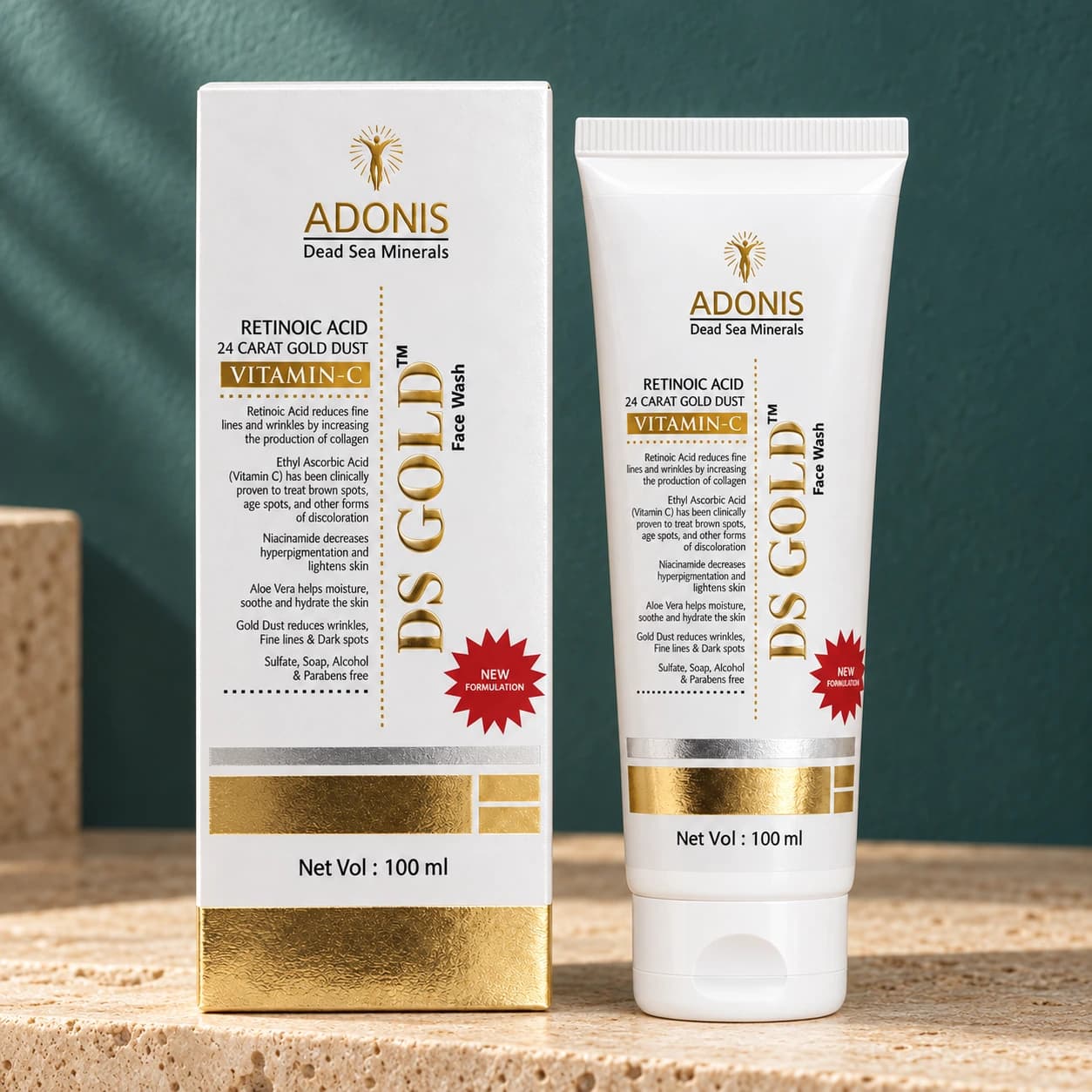
Face wash
DS Gold Face Wash
Facial cleansing product for a clinic-guided skin care routine.
₹796View details
Orders are confirmed on WhatsApp. There is no online payment.
Questions people ask
What is laser toning and what does it do?
Laser toning is a series of gentle, low-energy Q-switched Nd:YAG laser passes over the face. It is used to even out tone, fade light pigment and brighten dull skin gradually, usually over a number of sessions. It is not a quick whitening treatment, and the results can fade, particularly if sun exposure continues.
Can laser toning make melasma worse?
Yes, it can. Melasma is easily triggered, and aggressive or very frequent toning has caused lasting pale spots and relapse in case reports. Indian expert guidance says lasers are not first-line for melasma and suit selected resistant cases. If you have melasma, a doctor should assess it before any laser.
What is pico laser and how is it different from laser toning?
Pico laser uses pulses lasting picoseconds, shorter than the nanosecond pulses of Q-switched lasers used for toning, to shatter pigment into finer fragments with less heat. Both are used for pigment and tone. In a pooled analysis of 200 Asian patients, 56% had an excellent response at about three months. Evidence is still small.
What is a carbon laser facial and what are its benefits?
A carbon laser facial, or carbon peel, applies a carbon lotion to the skin, then clears it with a Q-switched laser. It is used for oily skin, open-looking pores and surface texture. In one retrospective study of 32 people, 88% had minimal visible pores a month after three sessions. There was no control group.
How many laser toning sessions do I need?
Usually a series. A systematic review of toning for melasma found 5 to 15 sessions, most often around 9 to 10, while carbon peel studies used 3 monthly sessions. More is not better: very frequent toning has caused pale spots on Asian skin. Your doctor sets the number, the gap and a stopping point.
How much do laser toning, pico laser and a carbon laser facial cost in Delhi?
A pico facial at Clinic Eximus costs ₹3,499 per session. Laser toning and the carbon laser facial are priced by laser and area, and are set at consultation. The cost of the whole series matters more than one session. Clinic Eximus confirms the laser, area, number of sessions and price in writing after your consultation.
Is laser toning safe for Indian skin?
It can be when settings are gentle, sessions are spaced and sun protection is strict, but Indian skin (Fitzpatrick types III to V) is more prone to dark marks and, with over-frequent toning, pale spots. A doctor chooses the laser, tests a small area where suitable and sets a limit on sessions.
Will laser toning make my skin fairer?
No. Laser toning evens tone and fades pigment, so skin can look brighter, but it does not change your natural colour. Promises of fairness should be questioned. A doctor can explain what a laser can and cannot do for your skin and suggest creams, peels and sun protection alongside.
Which is better for pigmentation: laser toning, pico laser or a peel?
It depends on the cause. Melasma, tan, post-acne marks and sun spots respond differently, and peels, creams and sun protection are often part of the plan. Studies support toning and pico for some pigment, but lasers are not first-line for melasma. A doctor diagnoses the pigment first, then chooses.
Read next
Article
Dark Spots on Face: Causes, Types and What Helps
How to tell sun spots, marks left by acne and melasma apart, why depth in the skin matters, and what a doctor may suggest.
Article
Skin Lightening Treatment Cost in Delhi: What Affects It
What skin brightening treatment costs in Delhi NCR, what changes the total, what it can and cannot do, and the questions worth asking before you book.

Diagnose the pigment before you choose a laser.
A doctor looks at your skin and your goals, then writes a plan with the full price before you begin.
Choose aesthetic care, a centre and a time
Two taps. Nothing is stored on the website.
Your message opens in WhatsApp
You send it yourself and can add anything for the doctor.
The team confirms your visit
Your doctor reviews your history before suggesting anything.
4.9 from 1,238 Google reviews(Delhi centre)Doctor-led since 2004