Pigmentation home remedies: what helps dark spots and melasma, and what makes them worse
Sunscreen, a few proven ingredients and patience help. Lemon, baking soda and fairness creams can make dark spots and melasma worse. A doctor's guide.
- Written by
- Clinic Eximus clinical team
- Updated
- Reading time
- 14 minutes
The short answer
You can do a lot at home for dark spots and melasma, but not what most home remedies promise. The steps with evidence are daily sunscreen with visible-light protection, a short list of gentle ingredients and months of patience. The popular shortcuts, such as lemon, baking soda and steroid or fairness creams, are where skin often gets worse. This guide helps you understand what to try, what to stop and how to read a label. If you want a diagnosis and a plan, see our pages on pigmentation treatment, melasma treatment and chemical peels.
In this article
- First, work out which kind of dark patch you have
- What a home routine can honestly do, and how long it takes
- Sunscreen with visible-light protection decides everything else
- Reading a pigmentation label
- Niacinamide, azelaic acid and vitamin C: what the trials show
- Tranexamic acid, hydroquinone and triple creams: doctor decisions, not home remedies
- What to stop using: steroid and fairness creams, mercury, lemon, baking soda
- How to read a pigmentation product label
- Triggers to manage: sun, heat, hormones, medicines and irritation
- Melasma at home: protection, patience and a plan for relapse
- Peels and procedures: what they add, and the risk in brown skin
- When home care is not enough
- What a first visit covers at Clinic Eximus in Delhi and Noida
- A realistic timeline for a steady home routine
- The takeaway
- Questions before you book
- Sources
First, work out which kind of dark patch you have
Home care works differently for each kind of pigmentation, so it helps to know what you are treating. Marks left after acne, an insect bite or irritation usually fade on their own once the trigger stops. Sun spots tend to stay. Melasma is symmetrical, often on both cheeks, and tends to return.
Colour gives a clue. Brown pigment sits nearer the surface and responds to home care more readily. The AAD says pigment lying deep in the skin is often slate blue to grey, and can take years to fade. If you cannot tell which you have, a doctor can examine the skin, and an Indian expert consensus from the Pigmentary Disorders Society mentions dermoscopy and a Wood's lamp as aids to diagnosis.
Our guide to dark spots on the face explains how to tell the main types apart.
What a home routine can honestly do, and how long it takes
The goal at home is to fade patches and even tone. It is not to change your natural skin colour, and it will not erase every patch. The AAD says that if you find and stop the cause, many dark spots clear on their own, that a spot a few shades darker than your skin usually fades within 6 to 12 months, and that new spots can form even after old ones clear.
For melasma, the timeline is longer and the aim is control. An international consensus from 2026 says melasma has many causes, tends to come back after treatment and often needs a long-term plan. The 2026 Indian consensus favours combined approaches that target pigment production, inflammation and sun protection together, with prevention as the starting point.
So think in months, not days. Judge any routine after at least a few months of steady use, change one thing at a time, and stop anything that stings or burns.
Sunscreen with visible-light protection decides everything else
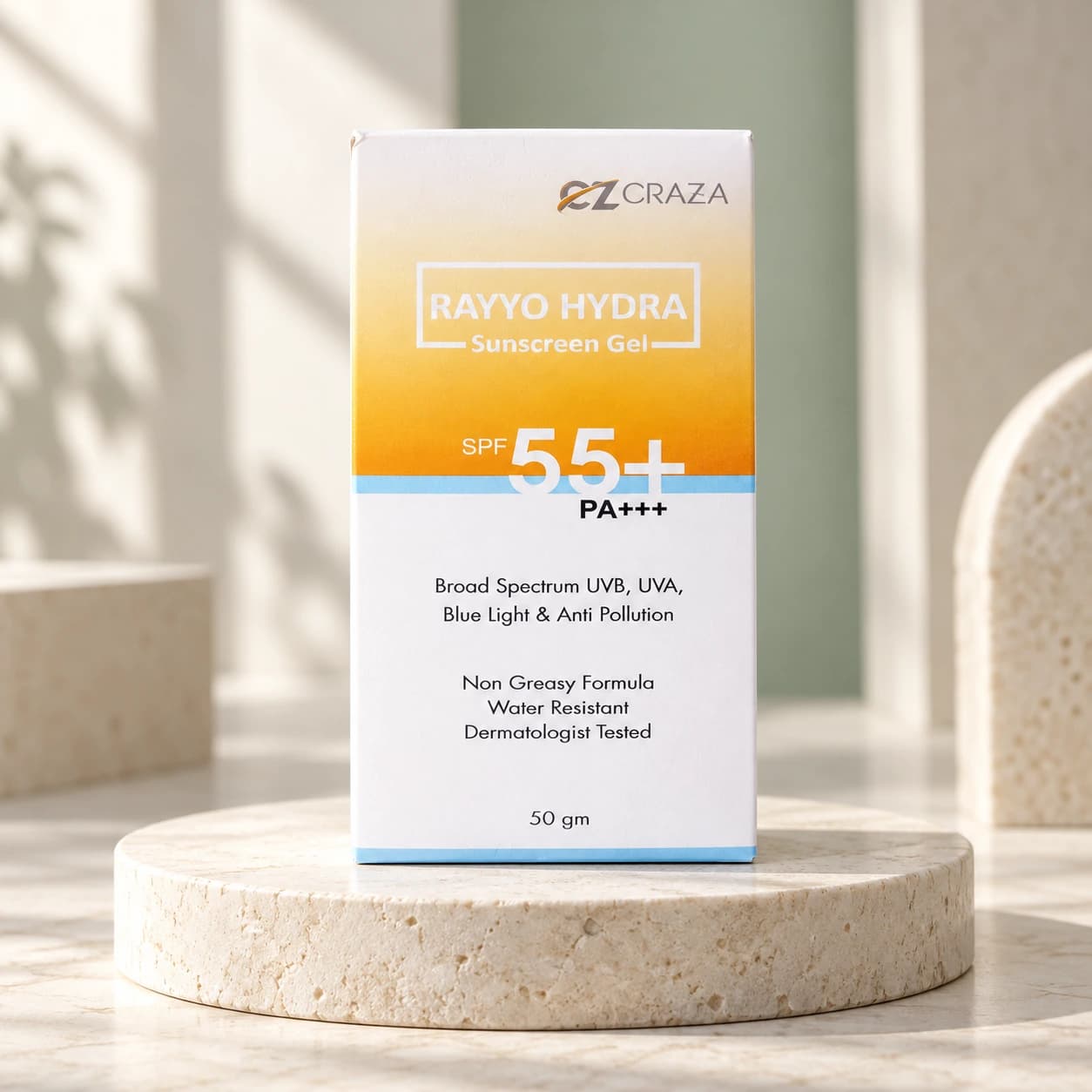
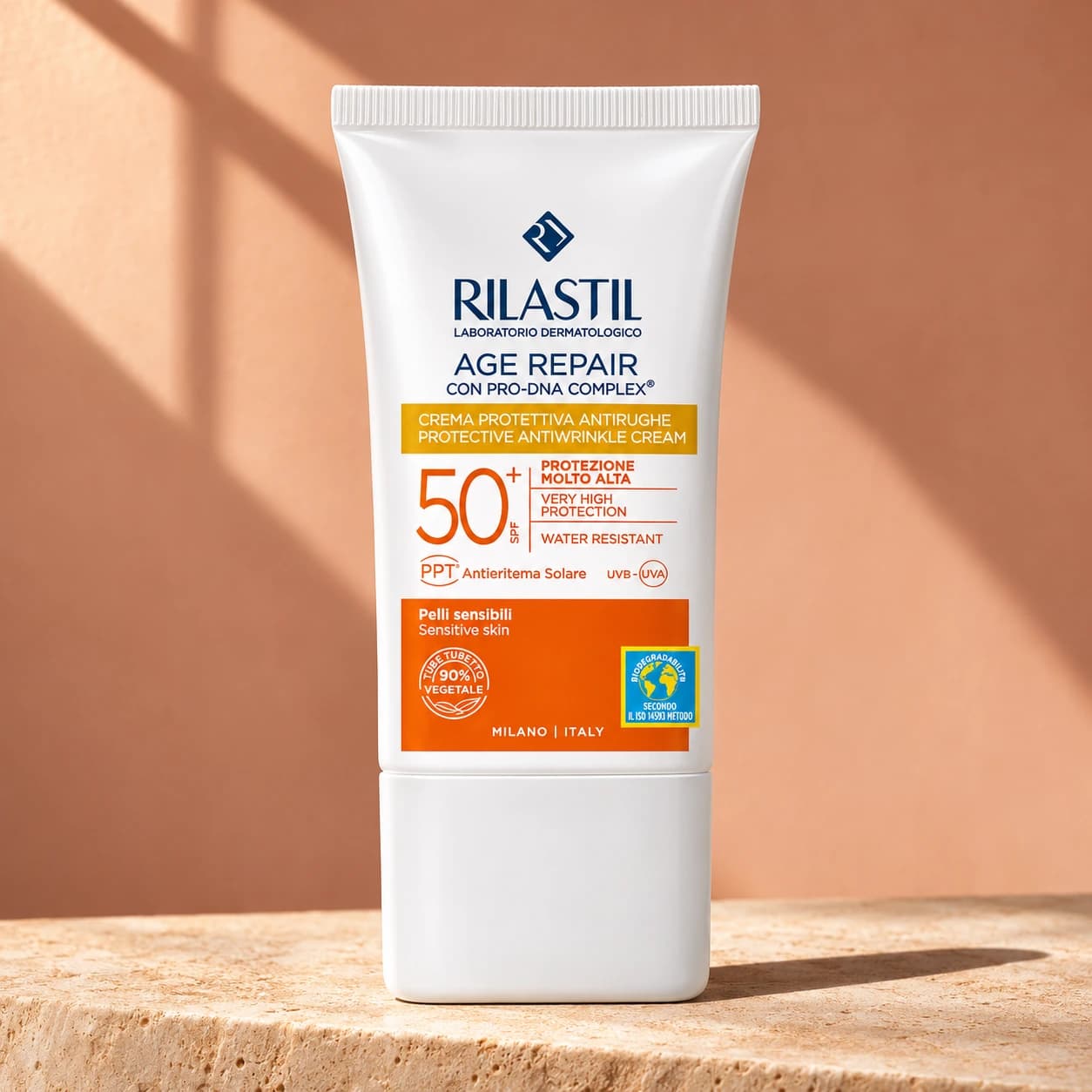
Sun darkens pigment that is already there, which is why every guideline starts with sunscreen. The AAD advises SPF 30 or higher, broad-spectrum and water resistant, and for dark spots a tinted sunscreen with iron oxide, which helps protect against visible light as well as UV.
Visible light matters in brown skin. A 2022 review in the Journal of the American Academy of Dermatology reports that visible light can cause pigment changes in Fitzpatrick types IV to VI, and is relevant to post-inflammatory hyperpigmentation and melasma. In a randomised trial of 68 people with melasma, a sunscreen with iron oxide improved pigment scores more than a UV-only sunscreen over eight weeks, when both groups also used a prescription fading cream. Tinted sunscreens are the practical choice for melasma.
Use enough, and reapply. Most adults need about 1 ounce, roughly a shot glass, for exposed skin on the body, and the AAD advises reapplying every two hours outdoors and straight after sweating or swimming. In a multicentre Indian study of 1,001 people with melasma, only about one in five used sunscreen, so this is the step with the most room to improve.
Reading a pigmentation label
| Compare | What it usually means | What to do |
|---|---|---|
| Niacinamide | What it usually meansA vitamin B3 form with trial support for pigment, used in many moisturisers and serums. | What to doReasonable to try after a patch test. Judge over weeks. |
| Azelaic acid | What it usually meansAn acid that helps with pigment and breakouts, with trial support in melasma. | What to doCan tingle at first. Ask a pharmacist or doctor which strength suits you. |
| Vitamin C or ascorbic acid | What it usually meansAn antioxidant with some trial support for lightening. | What to doPatch test. Stop if it stings or leaves redness. |
| Iron oxides (often CI 77491, 77492, 77499) | What it usually meansThe tint in tinted sunscreen, which helps block visible light. | What to doLook for it in a sunscreen with SPF 30 or higher and broad-spectrum cover. |
| Hydroquinone | What it usually meansA strong fading agent, studied in melasma. | What to doA doctor's decision. Do not buy or refill it unsupervised. |
| Names ending in -sone or -sol (for example clobetasol, betamethasone) | What it usually meansA steroid, not a fading ingredient. | What to doNot for dark spots or as a fairness cream. See a doctor. |
| Mercury, mercurous chloride, calomel, or no ingredient list | What it usually meansA hazardous or unverified product. | What to doDo not use. WHO calls mercury skin lightening dangerous. |
General information from the sources below. Your doctor decides what suits you.
Niacinamide, azelaic acid and vitamin C: what the trials show
A few ingredients you can find without a prescription have trial support. They are modest, they work slowly, and they do not replace sunscreen.
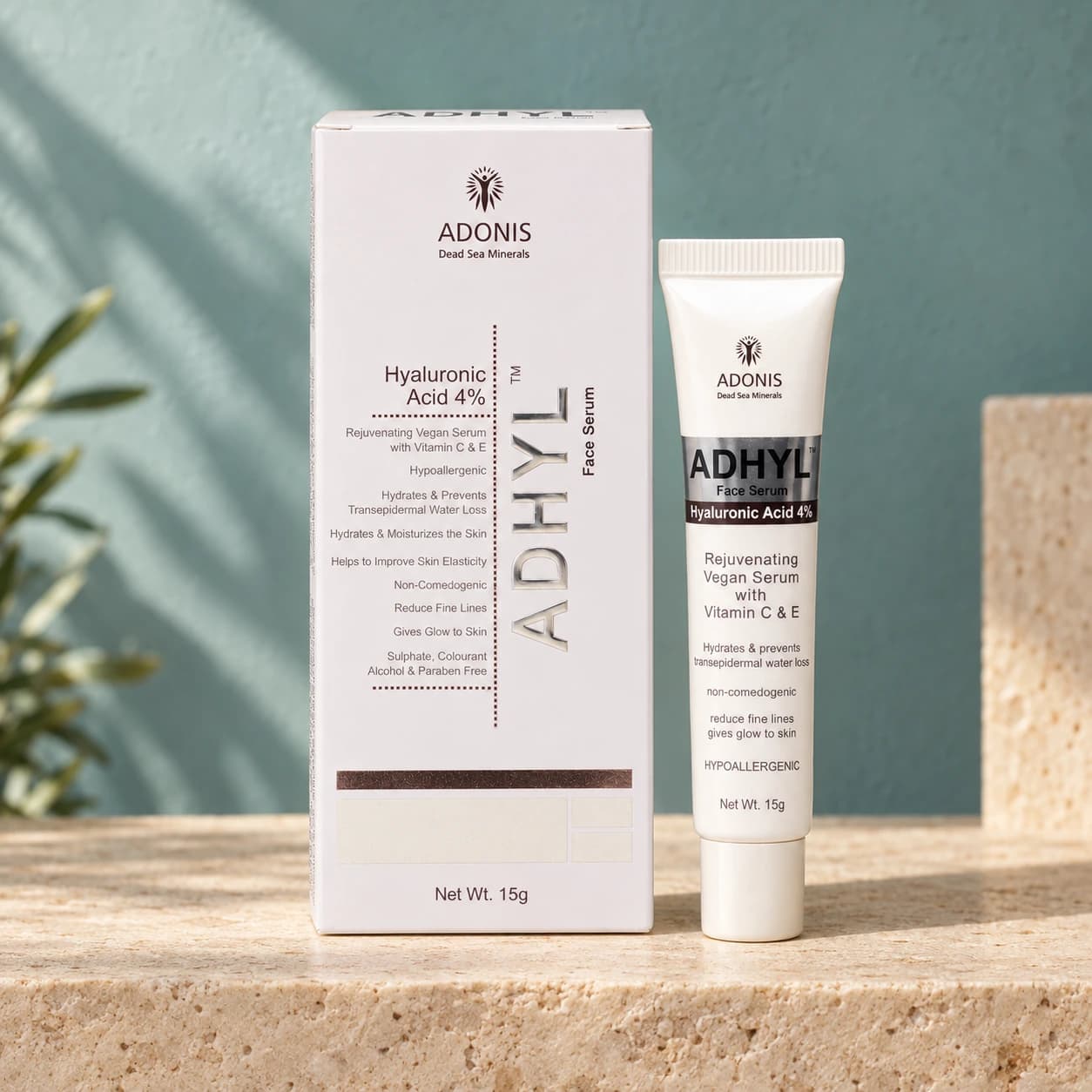
- Niacinamide: In a 2002 study in the British Journal of Dermatology, 18 people with facial hyperpigmentation used a 5% niacinamide moisturiser against a plain one, and pigmentation fell and skin lightness rose after four weeks. The same paper reports that it reduces the transfer of pigment into skin cells. It is a small, older study, and a patch test is sensible.
- Azelaic acid: A 2023 meta-analysis of six randomised trials with 673 people with melasma found azelaic acid lowered melasma severity scores more than hydroquinone, with no difference in side effects reported, and the authors say larger long-term studies are needed. The 2026 international melasma consensus lists it as an alternative to hydroquinone. It can tingle or sting at first.
- Vitamin C: A 2023 systematic review of seven randomised trials with 139 volunteers found topical vitamin C lightened pigmentation on objective measures, with long-term use needed to see a change. Products differ in strength and stability, and it can sting on sensitive skin.
- Other ingredients the AAD lists: Glycolic acid, kojic acid and retinoids can also fade dark spots. Retinoids and stronger acids irritate easily and darken Indian skin if misused, so many people are better off starting them with a doctor's advice.
Tranexamic acid, hydroquinone and triple creams: doctor decisions, not home remedies
Some of the most effective options for melasma are prescription medicines, and the decision belongs to the prescribing doctor. They are described here so you understand what is being weighed. They are not advice to start, stop or self-source anything, and we give no doses.
Tranexamic acid is used by mouth, on the skin or by injection for melasma, and a 2024 meta-analysis pooled trials of all three. A 2020 evidence review calls the oral form promising for moderate and severe recurrent melasma. A 2025 multicentre study found oral tranexamic acid for melasma was not associated with blood clots, but a doctor still goes through your history, your medicines, hormonal contraceptives and any pregnancy plans before considering it.
Hydroquinone, alone or in a triple combination cream that also contains a retinoid and a steroid, is among the most studied melasma treatments. The same review found side effects are mostly mild, such as irritation, dryness, burning, redness and post-inflammatory hyperpigmentation. The 2026 international consensus calls for regulated and supervised use of these creams. Supervision matters because steroid creams used for long or without review cause real harm, as the next section shows.
What to stop using: steroid and fairness creams, mercury, lemon, baking soda
These are the products and habits that most often turn a manageable patch into a bigger problem. None of them is a safe home remedy.
- Steroid and fairness creams: In an Indian study of 2,926 people with facial skin conditions at 12 dermatology centres, 14.8% were using a topical steroid, 29% of those as a fairness or general-purpose cream, and 90.5% of the steroid users had side effects. The AAD says steroids in skin-lightening products can leave skin thin, fragile or discoloured. If you have used one for a long time, see a doctor before stopping, because skin can flare.
- Mercury-containing products: The World Health Organization calls skin lightening a dangerous practice associated with mercury salts, says mercury-containing products are hazardous and banned in many countries, and notes they are still sold online. A 2022 systematic review notes the Minamata Convention bars mercury-added skin-lightening products above 1 ppm. Mercury can affect the nervous system, kidneys, skin and eyes.
- Lemon juice: Citrus juice on skin followed by sunlight can cause a burn-like reaction and blisters, and DermNet says the dark marks afterwards typically last for years, and may be more intense in skin of colour.
- Baking soda: It is alkaline, while healthy skin is slightly acidic. No guideline recommends it for pigmentation, and irritation can itself leave dark marks in brown skin.
- Toothpaste, liquid bleach and DIY peels: These are irritants. The AAD says never to apply liquid bleach to skin. Home peels with strong acids or vinegar can burn and scar.
- Switching products every week: You cannot tell what works, and each change adds a chance of irritation. Keep the routine short and change one step at a time.
How to read a pigmentation product label
A label tells you a lot if you know what to look for. Check for a full ingredient list, a named manufacturer with an address, a batch number and an expiry date. A product with no ingredient list, a promise of no side effects, or a claim of results in a fixed number of days is a red flag.
A clean-looking label is not proof of safety. The AAD says researchers have found steroids or mercury that were not listed on the label in some imported skin-care products. Buy from a pharmacy or a source your doctor trusts, and keep the box in case skin reacts.
Reading about it helps. A doctor looking at your skin is what tells you which of this applies to you.
Triggers to manage: sun, heat, hormones, medicines and irritation
Pigmentation often has more than one cause, and some of them are not about skincare at all. Managing triggers is as important as any cream.
- Sun and visible light: UV and visible light both promote melanin production, and the British Association of Dermatologists says sunbeds and phototherapy can also trigger melasma.
- Heat: In the Indian multicentre study, longer exposure to cooking heat or occupational heat was linked to more severe melasma. Kitchens, hot workplaces and bike rides count.
- Hormones: Pregnancy, birth control pills, intrauterine devices, implants and hormone replacement are linked to melasma, and DermNet says hormones are implicated in about one in four affected women. Thyroid problems can also be involved.
- Medicines and products: Some medicines, including anti-epileptic drugs, can trigger melasma (BAD), and perfumed products can cause light-related reactions (DermNet). Never stop a prescribed medicine or contraceptive because of pigment. Talk to the prescriber.
- Inflammation and irritation: Acne, scratching, waxing burns and harsh products leave marks in brown skin. The AAD advises gentler products if a skin or hair care product is the likely cause.
Melasma at home: protection, patience and a plan for relapse
Melasma is the pigmentation most likely to disappoint a home-remedy approach. The 2026 consensus describes it as multifactorial, relapsing and often needing a long-term plan, and the British Association of Dermatologists says it often returns after treatment stops.
At home, the useful steps are the unglamorous ones: tinted sunscreen with iron oxide every day, shade and hats, cooling down in hot kitchens, gentle skincare with nothing that stings, and a conversation with a doctor about hormonal triggers and medicines. If the patches are thick, spreading or both cheeks are affected, a doctor can assess and plan, and may combine measures. Pregnancy and breastfeeding limit the options, and a doctor decides.
Peels and procedures: what they add, and the risk in brown skin
When home care has not been enough, a doctor may add procedures to creams. The 2026 international melasma consensus suggests chemical peels and microneedling as additions that can improve how well topical treatment works, and keeps lasers for cases that do not respond. The 2020 evidence review found chemical peels and laser or light devices gave mixed results.
The risk is specific to brown skin. In a 2021 trial of a laser for melasma in people with skin types III to V, 19% developed post-inflammatory hyperpigmentation on the treated side, mostly in types IV and V. This is why a doctor starts by treating the cause and protecting the skin, then explains the risks, instead of starting with the strongest option.
Our chemical peels page covers peel types, safety in Indian skin and what the cost depends on.
When home care is not enough
Consider seeing a doctor if the patches have not eased after a few months of steady sun protection and gentle ingredients, if they are spreading, if they are symmetrical on both cheeks, or if the colour looks grey or blue, which can mean pigment sits deeper. Also go if darkening followed a remedy that burned, or if you have used a steroid or fairness cream for a long time.
See a doctor sooner for any spot that is new, changing, uneven in colour, bleeding or has an irregular edge. That needs examination before any cosmetic plan. Pigmentation can also have an underlying medical cause, such as a hormonal condition or a medicine.
What a first visit covers at Clinic Eximus in Delhi and Noida
At the Anand Vihar (East Delhi) and Sector 100 (Noida) centres, the first visit is an assessment: what kind of pigment it is, how long it has been there, your medicines, hormonal history, pregnancy plans and the products you have already used. The doctor explains the options and risks before anything is booked.
Bring the products you use, or photographs of their labels. That helps the doctor spot an irritating ingredient or a steroid.
A realistic timeline for a steady home routine
Phase 01 · Month 1
Protect and calm
Tinted sunscreen every morning and reapplied outdoors. Stop steroid-containing creams only after a doctor advises, drop lemon, baking soda and scrubs, and keep the routine short.
Phase 02 · Months 2 to 3
Add one ingredient
Add niacinamide, azelaic acid or vitamin C, one at a time, after a patch test. Changes are small at this stage, and that is normal.
Phase 03 · Months 4 to 6
Judge and decide
Compare with a dated photograph taken in the same light. If patches have not eased, or they are melasma, see a doctor about a plan.
The takeaway
Sunscreen with visible-light protection, a short gentle routine and months of patience help. Steroid and fairness creams, mercury, lemon and baking soda do not belong on pigmented skin.
Sources
- American Academy of Dermatology: how to fade dark spots in darker skin tones (opens in a new tab)
- American Academy of Dermatology: how to apply sunscreen (opens in a new tab)
- Expert consensus on the management of hyperpigmentation disorders in India: modified Delphi study, Pigmentary Disorders Society. Int J Dermatol, 2026 (PubMed 42283350) (opens in a new tab)
- Delphi consensus on melasma management by international experts and the Pigmentary Disorders Society. J Eur Acad Dermatol Venereol, 2026 (PubMed 40996222) (opens in a new tab)
- Impact of visible light on skin health: antioxidants and free radical quenchers. J Am Acad Dermatol, 2022 (PubMed 34942294) (opens in a new tab)
- Castanedo-Cazares et al., Near-visible light and UV photoprotection in the treatment of melasma: randomised trial, 2014 (PubMed 24313385) (opens in a new tab)
- Hakozaki et al., The effect of niacinamide on reducing cutaneous pigmentation and suppression of melanosome transfer. Br J Dermatol, 2002 (PubMed 12100180) (opens in a new tab)
- Azelaic acid versus hydroquinone for melasma: systematic review and meta-analysis of randomised trials. Cureus, 2023 (PubMed 37457606) (opens in a new tab)
- Efficacy of topical vitamin C in melasma and photoaging: systematic review. J Cosmet Dermatol, 2023 (PubMed 37128827) (opens in a new tab)
- McKesey, Tovar-Garza and Pandya, Melasma treatment: an evidence-based review. Am J Clin Dermatol, 2020 (PubMed 31802394) (opens in a new tab)
- Efficacy of oral, topical and intradermal tranexamic acid in melasma: meta-analysis, 2024 (PMC10810386) (opens in a new tab)
- Oral tranexamic acid use for melasma is not associated with thromboembolism: multicentre matched cohort, 2025 (PMC12621489) (opens in a new tab)
- Saraswat et al., Topical corticosteroid abuse on the face: prospective multicentre study of dermatology outpatients in India. Indian J Dermatol Venereol Leprol, 2011 (PubMed 21393945) (opens in a new tab)
- World Health Organization: mercury and health (fact sheet) (opens in a new tab)
- A systematic review of mercury exposures from skin-lightening products. Environ Health Perspect, 2022 (PubMed 36367779) (opens in a new tab)
- DermNet: phytophotodermatitis (opens in a new tab)
- British Association of Dermatologists: melasma patient information leaflet (2024) (opens in a new tab)
- DermNet: melasma (facial pigmentation) (opens in a new tab)
- Sarkar et al., Clinical and epidemiologic features of melasma: multicentric cross-sectional study from India. Int J Dermatol, 2019 (PubMed 31187480) (opens in a new tab)
- Postinflammatory and rebound hyperpigmentation after laser for telangiectatic melasma, skin phototypes III to V, 2021 (PubMed 33002283) (opens in a new tab)