
Sunscreen
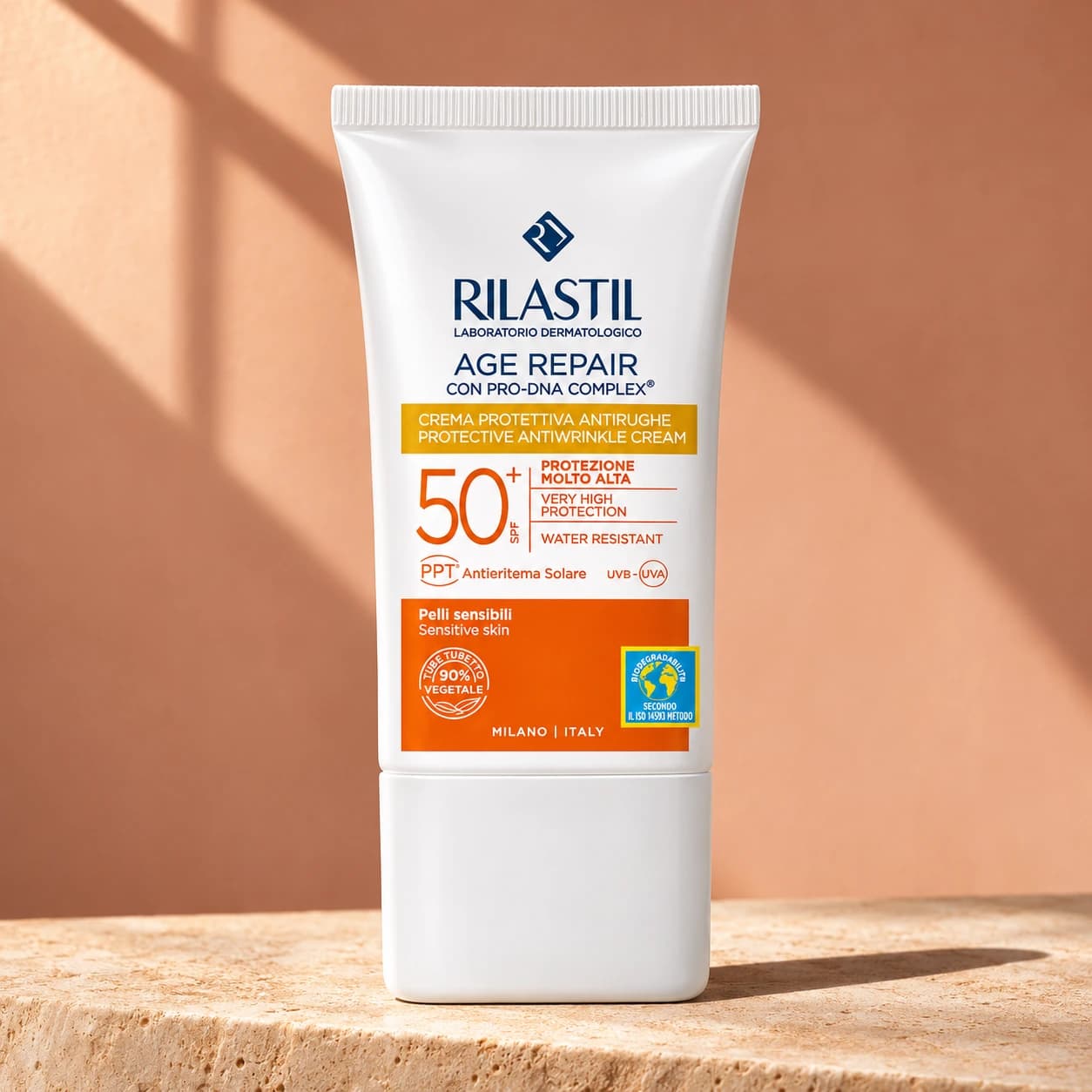
Rilastil Age Repair SPF 50+ Cream 40 ml
40 ml
40 ml SPF 50+ sun protection cream from the Rilastil Sun System range, with Pro-DNA Complex named on the pack.
₹2,299View details
10% off all products · Free Delhi NCR delivery on ₹1,499+Shop now
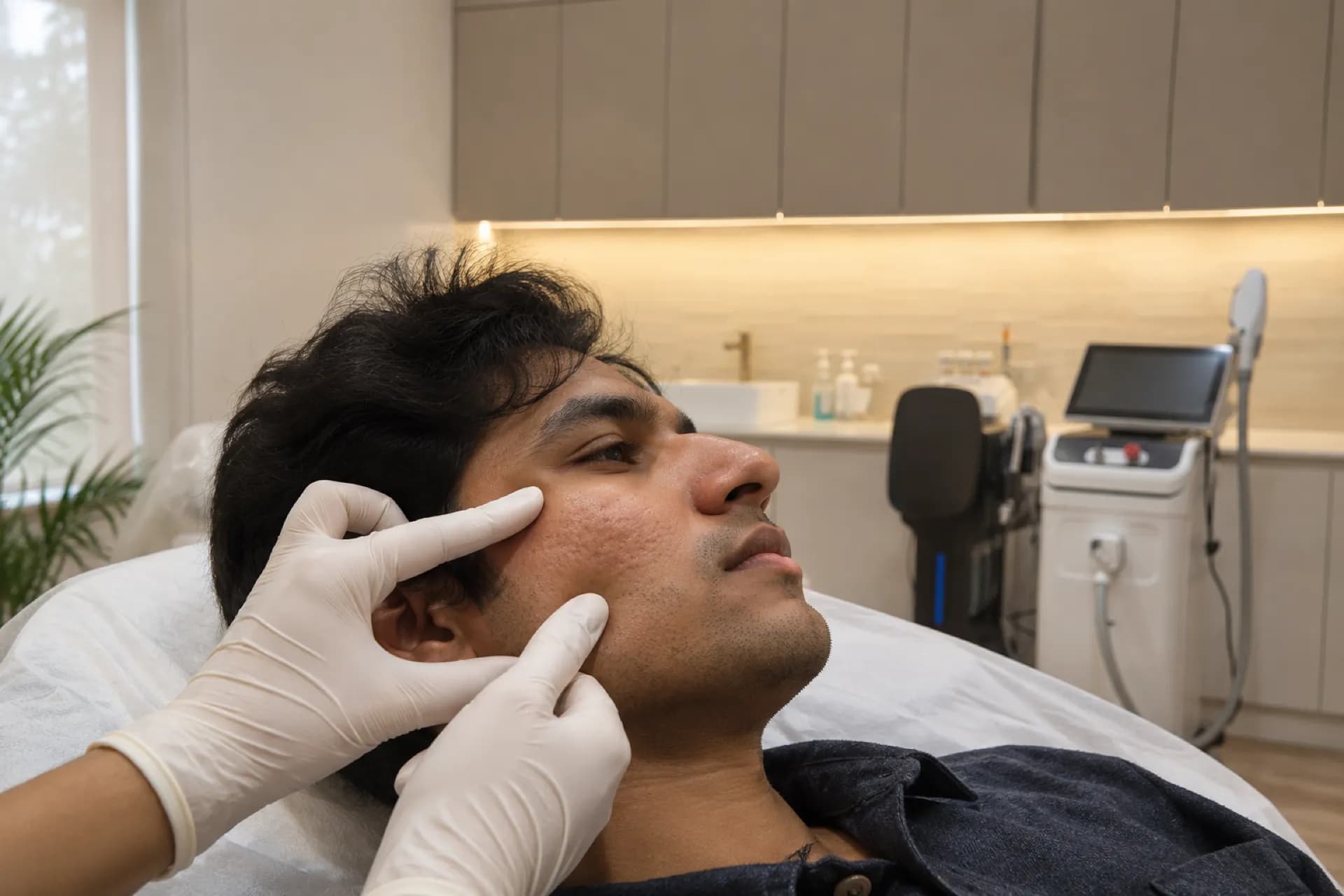
Acne scars come in different shapes, and each responds to different approaches. We identify the type, settle any active acne first, then plan a staged course for your skin. Scars can look better. They do not disappear.
Two taps, then WhatsApp. A doctor reviews your history before any treatment is suggested.
4.9 from 1,238 Google reviews(Delhi centre)Doctor-led since 2004
Indicative range in Delhi NCR. Your doctor confirms the plan and final price at consultation.Updated
Pimple scars are treated according to their shape: rolling, boxcar or ice-pick dips, plus any dark marks left behind. Research shows several approaches can improve how scars look, but none removes them and no single approach has been shown to be clearly better. A doctor identifies your scar types, settles any active acne first, then plans a staged course for your skin.
An acne scar forms when a deep, inflamed pimple damages the dermis, the collagen layer under the surface. The skin repairs itself with new collagen, but the repair is imperfect. In the most common type, atrophic scars, tissue is lost and the surface dips. Ice-pick scars are narrow and deeper than they are wide. Boxcar scars are broader, with sharp edges and a flat base. Rolling scars are shallow and wavy, often because bands of fibrous tissue tether the skin down. Different shapes respond to different approaches. Techniques that stimulate collagen, such as microneedling or radiofrequency microneedling, are often considered for broad shallow scars. Subcision releases tethering bands under rolling scars. Narrow ice-pick scars are usually treated with a focused approach, such as spot chemical resurfacing or laser. Dark or red marks after acne are a separate issue from scar texture, and a plan treats them separately. Most faces carry a mix of types, so plans are often combined and staged.
Wide, shallow dips with soft sloping edges. Fibrous bands under the skin can tether it down, so the surface looks wavy.
Often considered
Round or oval depressions with a flat base and sharply defined, vertical edges. Shallow ones sit in the upper dermis.
Often considered
Narrow and V-shaped, deeper than they are wide, reaching into the deeper dermis. The most common atrophic type.
Often considered
Most faces carry more than one type, so plans often combine approaches. In a Cochrane review of 24 trials, no single approach was shown to be clearly better than the others.
General guidance, not advice for your skin: your doctor decides after examining it. Sources: DermNet NZ; Cochrane review of acne scar interventions; ASAP 2024 Indian consensus on acne scar management.
The same order for everyone, so nothing is decided before the cause is clear.
Step 1
Your doctor examines your skin under angled light to identify rolling, boxcar and ice-pick scars, how deep they are, and any pigment or redness. They ask about your acne history, current medicines including isotretinoin, pregnancy plans, cold sores, keloid tendency and sun exposure.
Step 2
If breakouts are still active, they are treated and controlled before scar work begins. Daily sunscreen starts now, because Indian skin is more prone to dark marks after procedures.
Step 3
Approaches are matched to each scar type, with the number of sessions, the per-session price range and the review points set out in writing before you commit.
Step 4
Treatment is staged so the skin can heal between sessions. Your doctor explains aftercare and what redness or downtime to expect for your method.
Step 5
Progress is judged over months against your starting photographs. The plan is changed or stopped if it is not helping.
Published studies and guidelines, linked so you can read them yourself. Evidence is not a promise for any one person.
24 trials. A Cochrane review of 24 trials found injectable fillers gave better scar improvement than placebo at 24 weeks (moderate-certainty evidence). For lasers, peels, needling and radiofrequency the evidence was very low certainty, and no approach could be called clearly better than another. (From the Cochrane Library: Interventions for acne scars (review CD011946; PMC10334917), 2022) opens in a new tab
36 studies. A systematic review of 36 studies of non-energy techniques reported improvement of 31% to 62% for microneedling and 10% to 100% for subcision, and some people saw no benefit. Studies were small, used different scoring methods and had little long-term follow-up. (A systematic review of treatments for acne scarring, part 1: non-energy-based techniques (PMC5965325), 2017) opens in a new tab
16 studies · 481 people. In 16 studies (481 people) of radiofrequency microneedling on its own, improvement was reported across scar types, with follow-up mostly 1 to 6 months. Temporary redness was the most common effect. Post-inflammatory hyperpigmentation was reported in several studies, mostly in skin types III to V, and was generally temporary. (Fractional radiofrequency microneedling as a monotherapy in acne scar management: systematic review (PMC11706011), 2025) opens in a new tab
Skin of colour. A 2023 review of lasers for acne scars in skin of colour concluded that lasers can significantly improve how scars look, but no laser removes them completely. People with skin of colour are at higher risk of post-inflammatory hyperpigmentation, so protocols should suit both scar type and skin type, and risks should be explained first. (Havelin and Seukeran, Laser treatment of acne scarring in skin of colour, Clinical and Experimental Dermatology (PubMed 36763696), 2023) opens in a new tab
India consensus · 2024. A 2024 consensus of dermatologists and plastic surgeons, meeting in Mumbai, Delhi, Bengaluru and Kolkata, found no single guideline for atrophic acne scars. Their practical approach: treat active acne early, then tailor a combination plan to scar type, with realistic expectations on results and downtime. (Practical aspects of acne scar management: ASAP 2024 consensus, meetings in Mumbai, Delhi, Bengaluru and Kolkata (PMC11003649), 2024) opens in a new tab
32 papers · 1,485 procedures. A systematic review of 32 publications (1,485 procedures) found too little evidence to support a blanket delay for most procedures in people on or recently off isotretinoin. It advised against mechanical dermabrasion and fully ablative laser, and advised an individual risk discussion with the prescribing doctor. (Isotretinoin and timing of procedural interventions: systematic review with consensus recommendations, JAMA Dermatology, 2017) opens in a new tab
We will tell you if acne scar treatment is not the right first step for you.
Typical milestones from published studies and guidelines. Your doctor sets your own schedule.
Week 0
Consultation, scar mapping and starting photographs
Before sessions
Active acne settled first, if there is any
Months 1–3
Staged sessions, with healing time between them
Month 3
First review against your starting photographs
Month 6
Judge the change, then continue, pause or stop

₹5,500–₹15,000
per session
Indicative range in Delhi NCR. Your doctor confirms the plan and final price at consultation.
Care to use between visits, chosen by the clinic. Confirm the right one with a doctor.
Sunscreen
40 ml
40 ml SPF 50+ sun protection cream from the Rilastil Sun System range, with Pro-DNA Complex named on the pack.
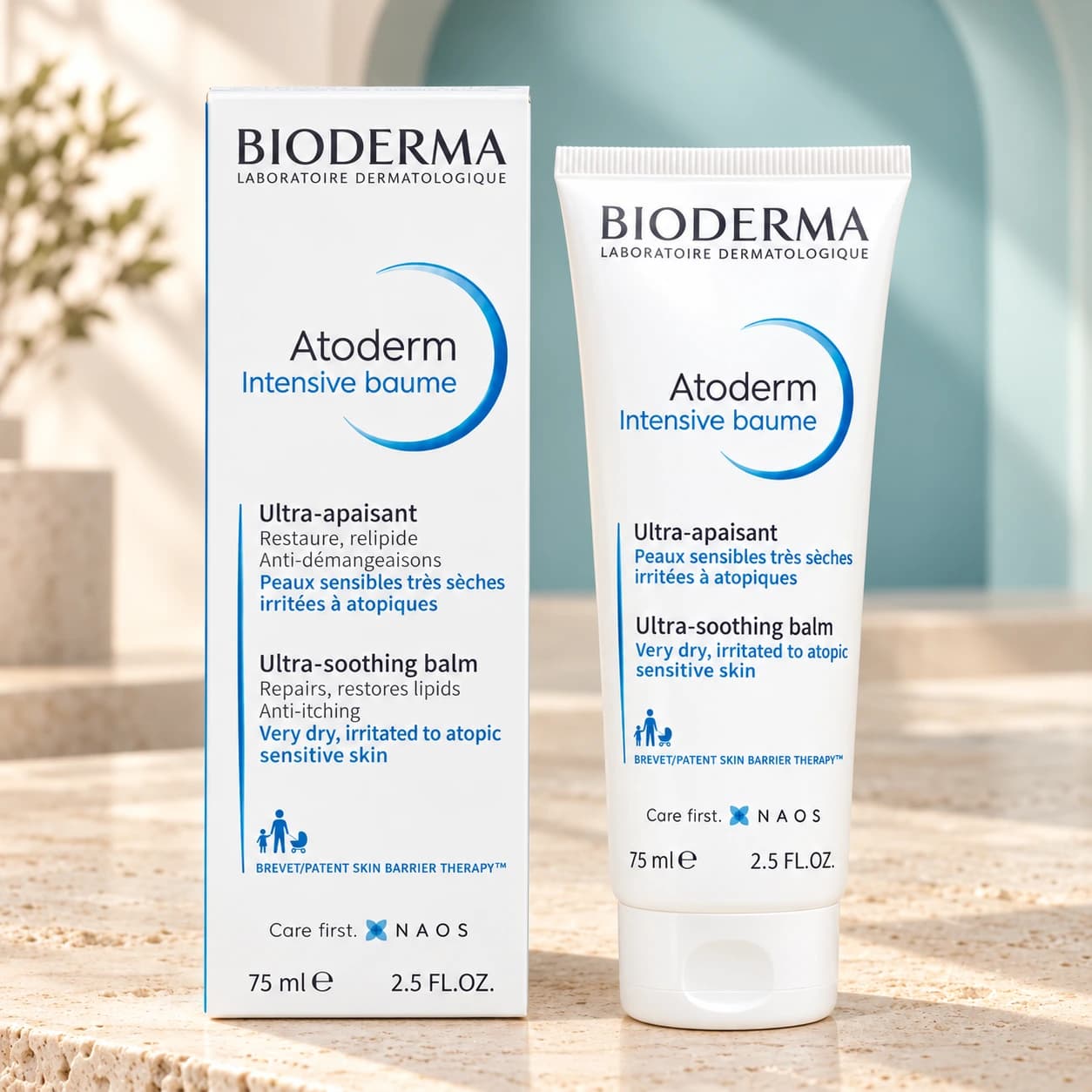
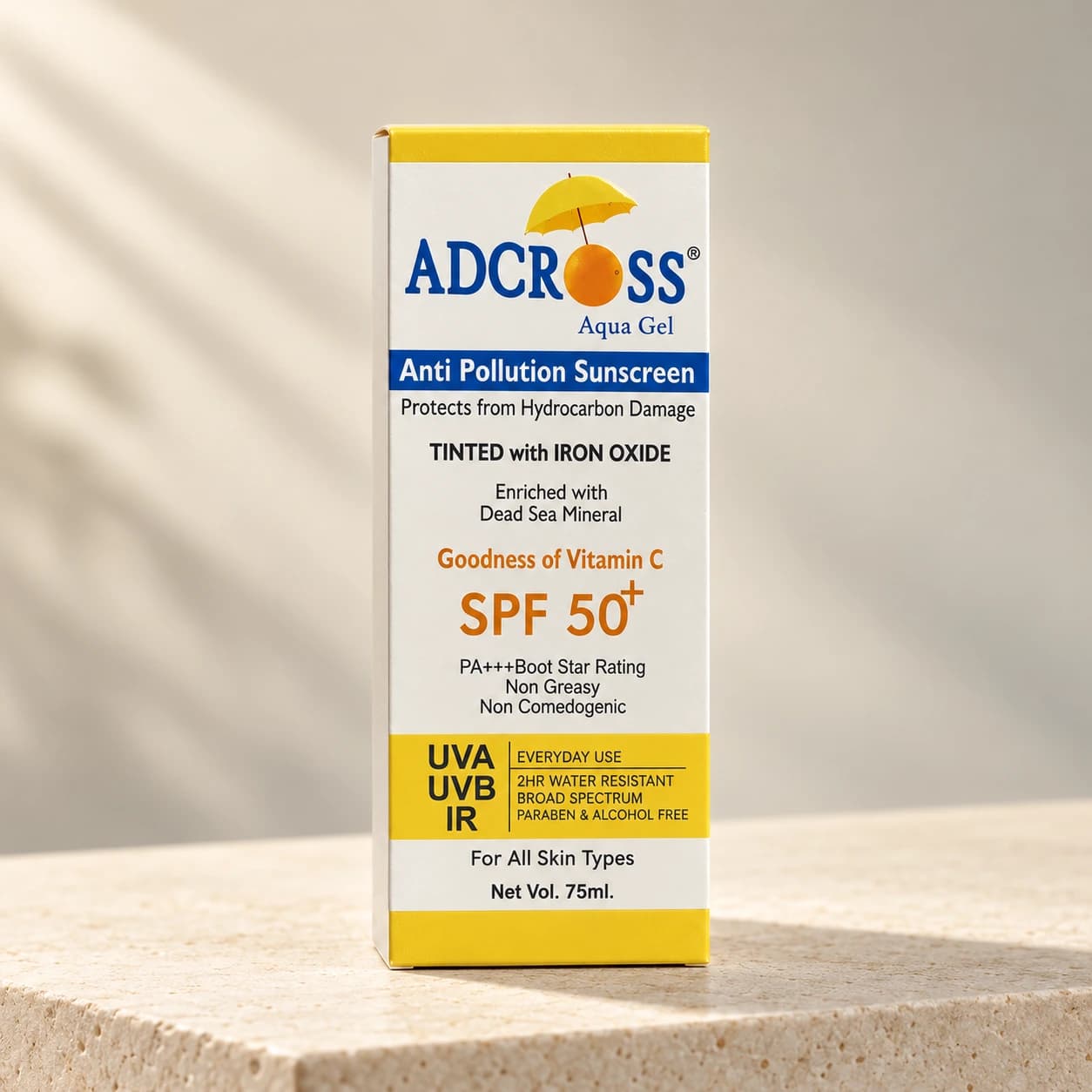
Orders are confirmed on WhatsApp. There is no online payment.
No approach removes acne scars completely. A 2023 review of lasers in skin of colour concluded that lasers can significantly improve how scars look, but none eliminates them. The aim is a smoother surface and softer edges, built up across several sessions. Your doctor will tell you plainly what improvement is realistic for your scar types before you start, and judge progress against your own photographs.
Doctors often consider microneedling or radiofrequency microneedling for broad, shallow scars, subcision for rolling scars tethered by fibrous bands, and focused resurfacing for narrow ice-pick scars. Most faces carry a mix, so plans are usually combined. Evidence does not show any one approach to be clearly better, so your doctor matches the plan to your scars and your skin.
Across Delhi NCR, acne scar treatment usually costs about ₹5,500 to ₹15,000 per session. Your total depends on scar type and depth, the area treated, the method or combination, and how many sessions are in your course. Your doctor confirms the plan and the final price in writing at consultation, before you commit to anything.
Most scar plans are staged over several sessions spaced weeks apart, then reviewed. The number depends on how deep your scars are, which types you have and the method chosen, and no single figure applies to everyone. Studies mostly judge results one to six months after the last session. Your doctor sets the number after examining your skin and revisits it at each review.
It can be, with the right method and preparation. Indian skin (Fitzpatrick types III to V) is more prone to post-inflammatory hyperpigmentation after lasers, peels and needling. Reviews describe it as usually temporary, but it can last months. Your doctor tailors the method and settings to your skin, and daily sunscreen before and after treatment is part of the plan.
Usually not. Dermatology guidance is to treat active acne first, because new breakouts keep adding scars and inflamed skin heals less predictably. Your doctor will usually settle the breakouts with medical treatment, then plan scar work once the skin is calm. Treating acne early also lowers the chance of new scars forming.
Ask the doctor who prescribed it. The old rule of waiting six months has been questioned: a 2017 systematic review found too little evidence for a blanket delay for most procedures, but advised against mechanical dermabrasion and fully ablative laser, and advised an individual discussion. Do not stop or restart isotretinoin on your own to fit a procedure.
Dark or red marks left by pimples often fade over months. Dips in the skin do not. The American Academy of Dermatology notes that acne scars can fade over time but rarely disappear completely without treatment. If a mark is flat and the skin surface is smooth, it is probably pigment, not a scar, and is managed differently.
Home care can protect skin and help dark marks fade, mainly through daily sunscreen and not picking. Creams and home remedies do not fill or lift a dip in the skin, which is where procedures come in. Harsh DIY remedies can irritate skin and leave new dark marks in Indian skin, so check with a doctor before trying them.
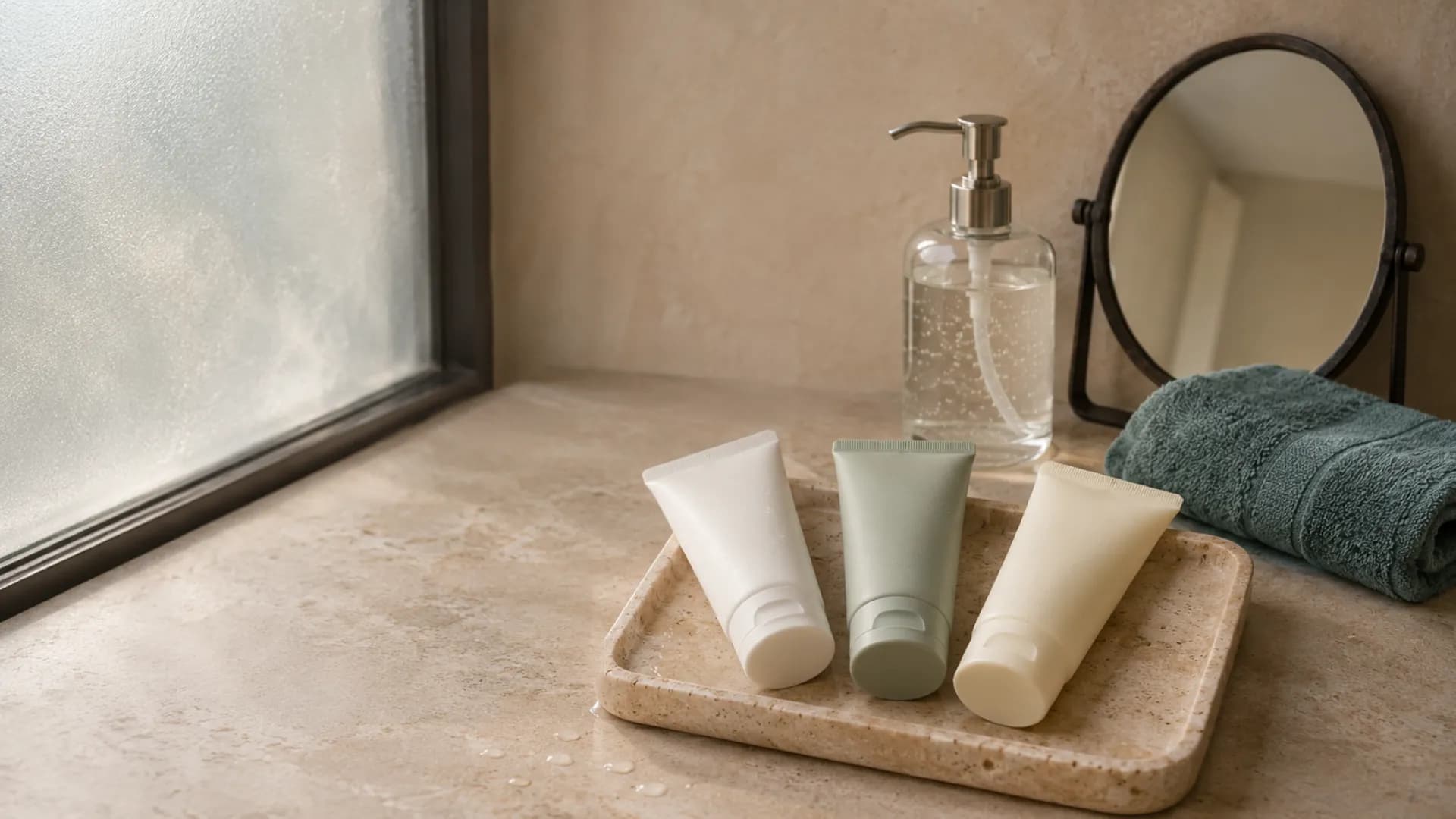
Article
What helps active acne, what does not, which medicines are a doctor's decision and how to avoid scars. For marks and dips that remain, see acne scar treatment.
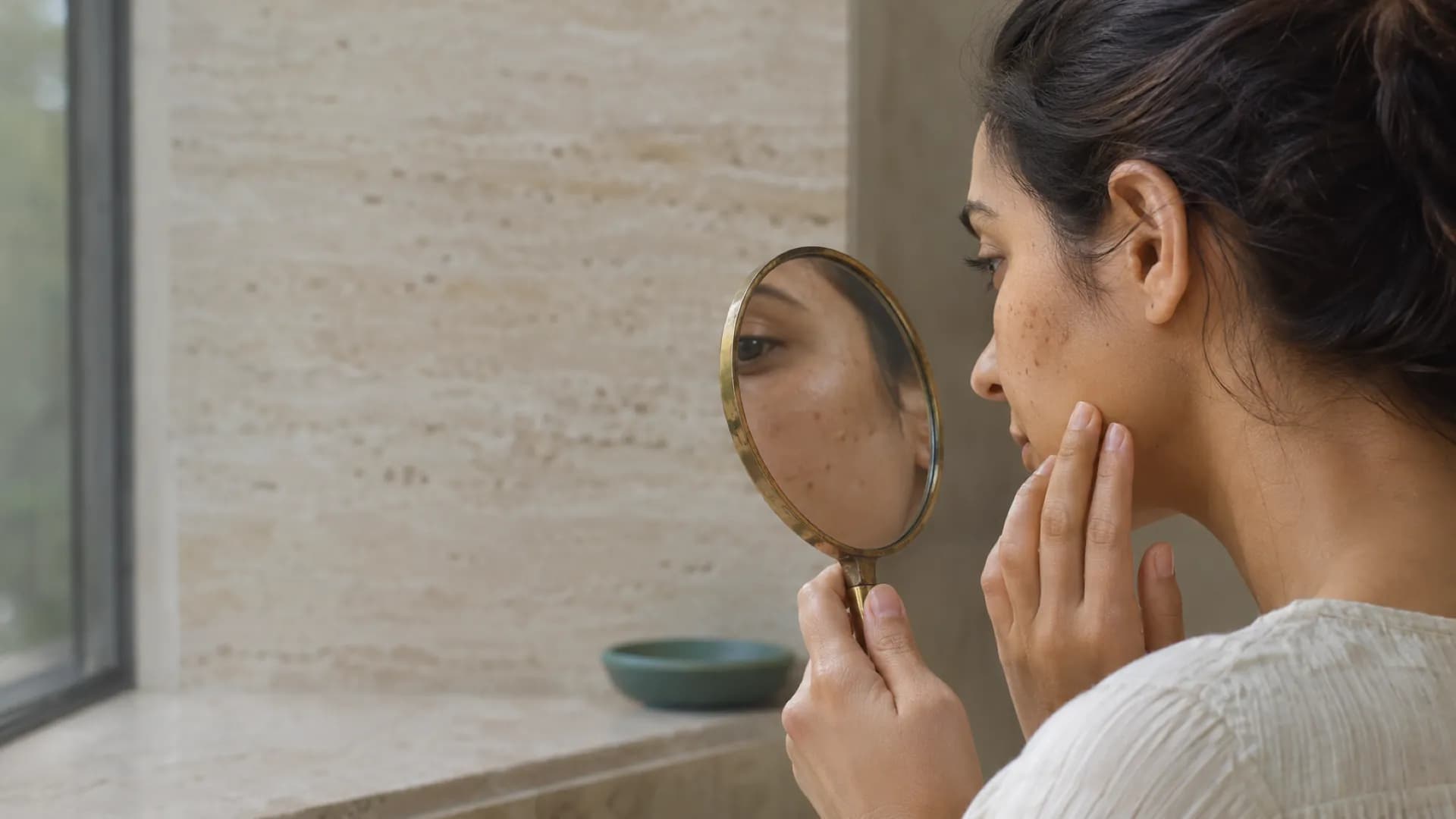
Article
How to tell sun spots, marks left by acne and melasma apart, why depth in the skin matters, and what a doctor may suggest.
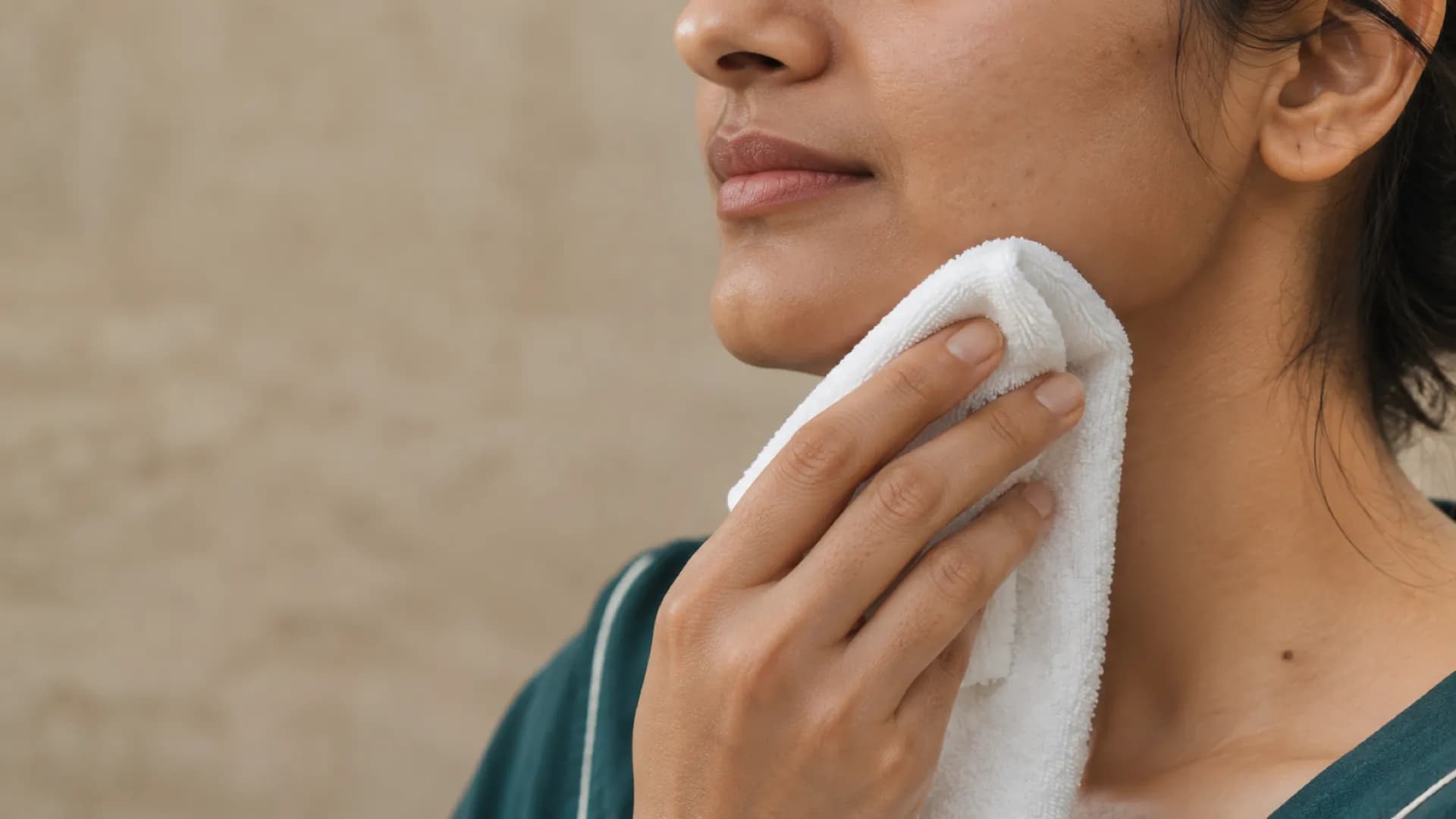
Article
What a Hydrafacial can and cannot do, how strong the evidence is, the side effects to expect and who should be cautious or wait.

A doctor looks at your skin and what is behind the concern, then writes a plan with the full price before you begin.
Choose skin care, a centre and a time
Two taps. Nothing is stored on the website.
Your message opens in WhatsApp
You send it yourself and can add anything for the doctor.
The team confirms your visit
Your doctor reviews your history before suggesting anything.
4.9 from 1,238 Google reviews(Delhi centre)Doctor-led since 2004