

Face wash
Rilastil Acnestil Cleansing Gel 200 ml
200 ml
200 ml facial cleansing gel for oily, blemish-prone skin, with oligopeptide-10, azeloglycine and niacinamide named on the tube.
₹1,999View details
10% off all products · Free Delhi NCR delivery on ₹1,499+Shop now

A blocked pore, an inflamed spot and a deep painful lump are different problems, and hormone-driven acne is different again. A doctor works out which you have, stops what is making it worse, and plans months of care, not a quick fix. This page is for deciding and booking. Our guide to pimple treatment options explains the medicines in plain language, and acne scar treatment covers the marks and dips left behind.
Two taps, then WhatsApp. A doctor reviews your history before any treatment is suggested.
4.9 from 1,238 Google reviews(Delhi centre)Doctor-led since 2004
Updated
Acne begins when oil and dead skin cells block a hair follicle, bacteria multiply in it and the skin becomes inflamed. The right treatment depends on the type and how severe it is: gels and creams for most people, tablets for moderate to severe or hormone-driven acne, and in-clinic support in some cases. It takes weeks to months, and a doctor should see acne that is painful, leaving scars or suddenly severe.
A pimple forms in the hair follicle, the tiny canal around each hair, which has an oil gland beside it. Four things combine. The gland makes more oil, often when androgen hormones rise at puberty, around periods or in PCOS. Cells lining the follicle shed in clumps and block the opening. Bacteria that live on everyone's skin multiply in the trapped oil. The body then responds with inflammation, which makes the spot red or dark and sore. Closed under the skin the plug is a whitehead, and open to the air it darkens into a blackhead. Both are comedonal acne. Inflamed spots with pus are inflammatory acne, and deep, hard, painful lumps are nodulocystic acne, the type most likely to scar. Acne on the back and chest follows the same process, and adult acne often has a hormonal pattern along the jaw. What does not cause acne is also worth saying plainly: dirty skin does not, so scrubbing does not help, and chocolate has no proven link. A review of 34 studies found only a modest link with high-glycaemic foods, and mixed evidence for dairy.
Every hair follicle has an oil gland. Oil (sebum) travels up beside the hair and out onto the surface, and the skin lining sheds in small, even flakes.
Nothing to see: this is skin working normally.
Extra oil and dead skin cells that shed in clumps form a plug. Closed under the skin it is a whitehead. Open to the air, the plug darkens and is a blackhead.
Comedonal acne: whiteheads and blackheads, with no redness.
Acne bacteria that live on skin multiply in the trapped oil. The body responds with inflammation, and the spot turns red or dark and tender, sometimes with pus.
Inflammatory acne: papules and pustules. Hormone shifts, as in PCOS, often drive this stage.
The follicle wall breaks and the inflammation spreads into the dermis. This makes a hard, painful lump under the skin. It heals slowly and is the stage most likely to leave a scar.
Nodulocystic acne, on the face, chest or back. A doctor's assessment, not a home project.
Three things feed it, which is why one product rarely fixes everything
Squeezing or picking pushes a blocked or inflamed spot deeper, towards stage 4, which is how marks and scars start. General explanation, not a way to diagnose yourself; a doctor examines your skin and decides.
The same order for everyone, so nothing is decided before the cause is clear.
Step 1
Your doctor looks at the type and depth of your spots, where they appear, and any marks. They ask about periods, extra hair, medicines, supplements, stress and every product on your face, including fairness and steroid creams, and about pregnancy plans.
Step 2
Picking, harsh scrubs, over-washing, heavy oils and steroid creams come first. Stopping a steroid cream can cause a temporary flare, so ask your doctor how to do it rather than stopping alone.
Step 3
Treatment is matched to type and severity: usually a topical retinoid with benzoyl peroxide or another product, then tablets or hormonal options if a doctor judges them suitable. In-clinic support is a possibility a doctor may weigh, not a given.
Step 4
Most treatments need 6 to 8 weeks to show an effect. Your doctor reviews at around 12 weeks, checks side effects, and continues, changes or steps up the plan. Do not switch products every week.
Step 5
Once skin has settled, a gentle maintenance routine helps to keep it that way. Dark or red marks and scars are then treated as their own problems, with daily sunscreen throughout.
Published studies and guidelines, linked so you can read them yourself. Evidence is not a promise for any one person.
18 recommendations · 2024. The American Academy of Dermatology's 2024 guideline made 18 recommendations and 5 good practice statements. It strongly recommends benzoyl peroxide, topical retinoids, topical antibiotics and oral doxycycline, and strongly recommends oral isotretinoin for severe acne, acne causing psychosocial burden or scarring, or acne not responding to standard treatment. It makes conditional recommendations for salicylic acid, azelaic acid, combined contraceptive pills and spironolactone, and advises combining topical treatments, limiting systemic antibiotics and injecting larger lesions. (Guidelines of care for the management of acne vulgaris, Journal of the American Academy of Dermatology (PubMed 38300170), 2024) opens in a new tab
14 experts · 61 statements. An Indian consensus of 14 dermatologists with at least 15 years of experience agreed 61 statements across seven areas of care. Topical retinoids remain the first-line treatment, preferably combined with benzoyl peroxide or a topical antibiotic to protect against antibiotic resistance. Combined contraceptive pills and spironolactone are suggested for women with resistant acne, and pregnancy and lactation need special care. (PRACT-India: practical recommendations on acne care and medical treatment in India, a modified Delphi consensus, Antibiotics (PubMed 40868038), 2025) opens in a new tab
20 experts · isotretinoin. A 2026 consensus of 20 dermatologists backed isotretinoin as first-line for severe acne, acne that scars or causes distress, and moderate acne that keeps relapsing. It stresses the well-established risk of birth defects, advises laboratory monitoring, especially where metabolic risk exists, and reports low agreement on how often to test and how long to wait after a course. (Expert consensus on the rational approach to isotretinoin usage for effective management of acne: ERAiSE ACNE recommendations, Dermatology and Therapy (PubMed 41915360), 2026) opens in a new tab
34 studies · diet. A systematic review of 34 studies found that high-glycaemic diets and a high daily glycaemic load were modestly but significantly linked with acne and its severity, supported by randomised trials. Evidence for dairy was mixed and seemed to depend on sex, ethnicity and eating habits. The authors call for more trials. (Diet and acne: a systematic review, JAAD International (PubMed 35373155), 2022) opens in a new tab
12 trials · 387 people. A review of 12 randomised trials with 387 people found that commonly used chemical peels appeared similarly effective for mild to moderate acne and well tolerated. The trials were of very low to moderate quality, and no peel could be shown to be better than another. (Chemical peels for acne vulgaris: a systematic review of randomised controlled trials, BMJ Open (PubMed 29705755), 2018) opens in a new tab
160 studies · 8,121 people. A review of 160 studies with 8,121 people found procedures such as peels, lasers, light therapies and radiofrequency are used alongside medicines. Photodynamic light therapy gave a median 56.7% improvement in inflammatory acne but was limited by pain and burning, and Jessner solution and 25% trichloroacetic acid peels raised the risk of dark marks. (A comprehensive systematic review on the efficacy, safety, tolerability and relapse rates of modern procedural therapies for acne vulgaris, Lasers in Medical Science (PubMed 40993442), 2025) opens in a new tab
2,926 patients · steroid creams. In 12 Indian dermatology centres, 433 of 2,926 people with facial skin problems (14.8%) were using a steroid cream. A quarter of them (126) used it as a fairness or general-purpose cream and 104 used it for acne. Side effects appeared in 90.5%, and acne or worsening of acne was the most common. Most advice to use it came from non-doctors. (Topical corticosteroid abuse on the face: a prospective, multicenter study of dermatology outpatients, Indian Journal of Dermatology, Venereology and Leprology (PubMed 21393945), 2011) opens in a new tab
85% · skin types IV–VI. A 2026 review reports that up to 85% of people with skin types IV to VI develop post-inflammatory hyperpigmentation after inflammatory acne lesions. Marks can last months or years, and risk is higher with severe acne, facial sites, sun exposure and traumatised lesions. Photoprotection is described as crucial, and treatment options include azelaic acid, retinoids, peels and devices. (Practical therapeutic strategies for acne-induced hyperpigmentation across all skin types, American Journal of Clinical Dermatology (PubMed 42234395), 2026) opens in a new tab
We will tell you if acne treatment is not the right first step for you.
Typical milestones from published studies and guidelines. Your doctor sets your own schedule.
Week 0
Skin check, history and a written plan
Weeks 1 to 2
Dryness and peeling are common; moisturiser and sunscreen daily
Weeks 6 to 8
The usual time before a treatment shows its effect
Around week 12
Review: continue, change or step up the plan
After it settles
A gentle maintenance routine; marks and scars treated separately
Your cost depends on the cause and the plan your doctor writes, which shows the full price before you begin.
Care to use between visits, chosen by the clinic. Confirm the right one with a doctor.
Face wash
200 ml
200 ml facial cleansing gel for oily, blemish-prone skin, with oligopeptide-10, azeloglycine and niacinamide named on the tube.
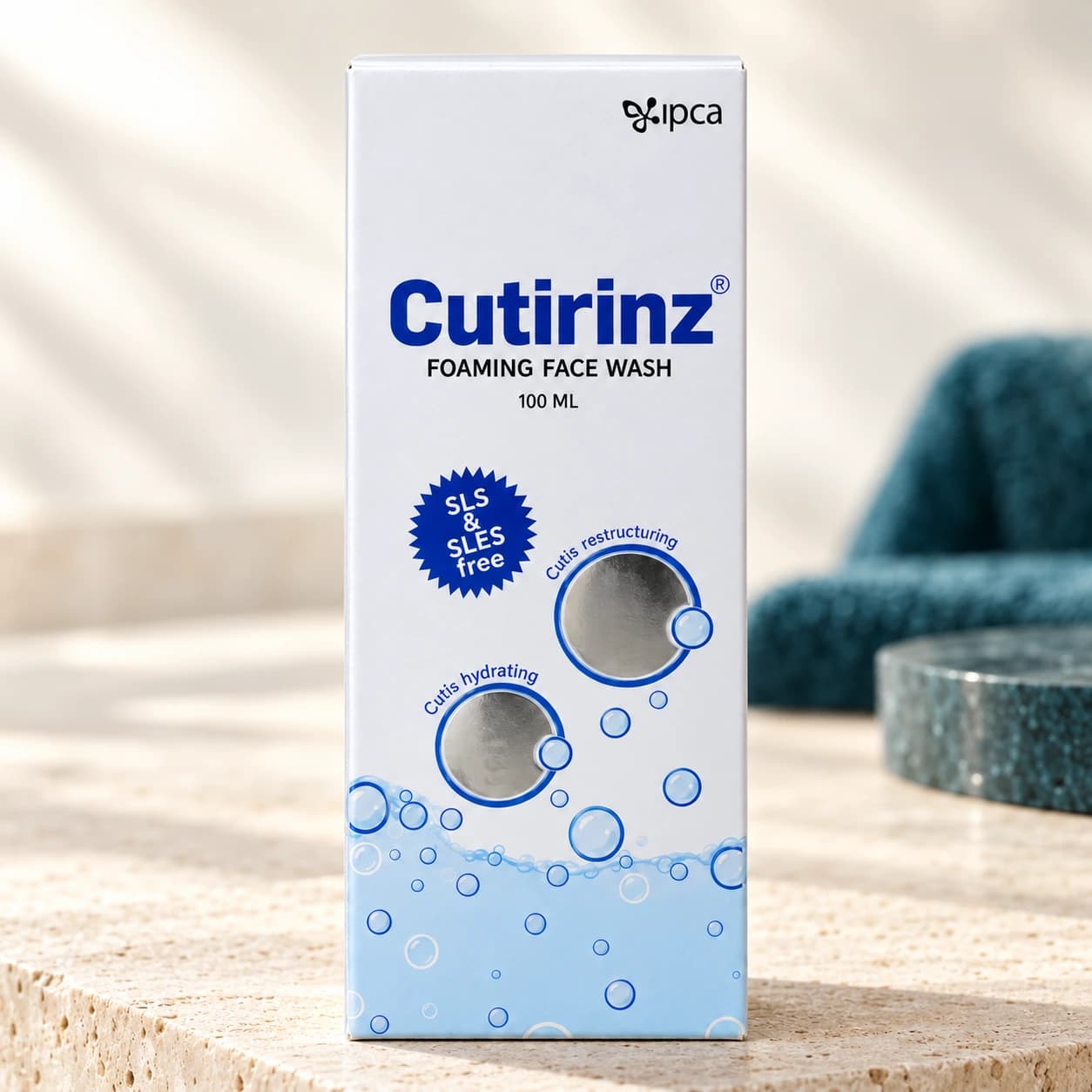
Face wash
Facial cleansing product for a clinic-guided skin care routine.
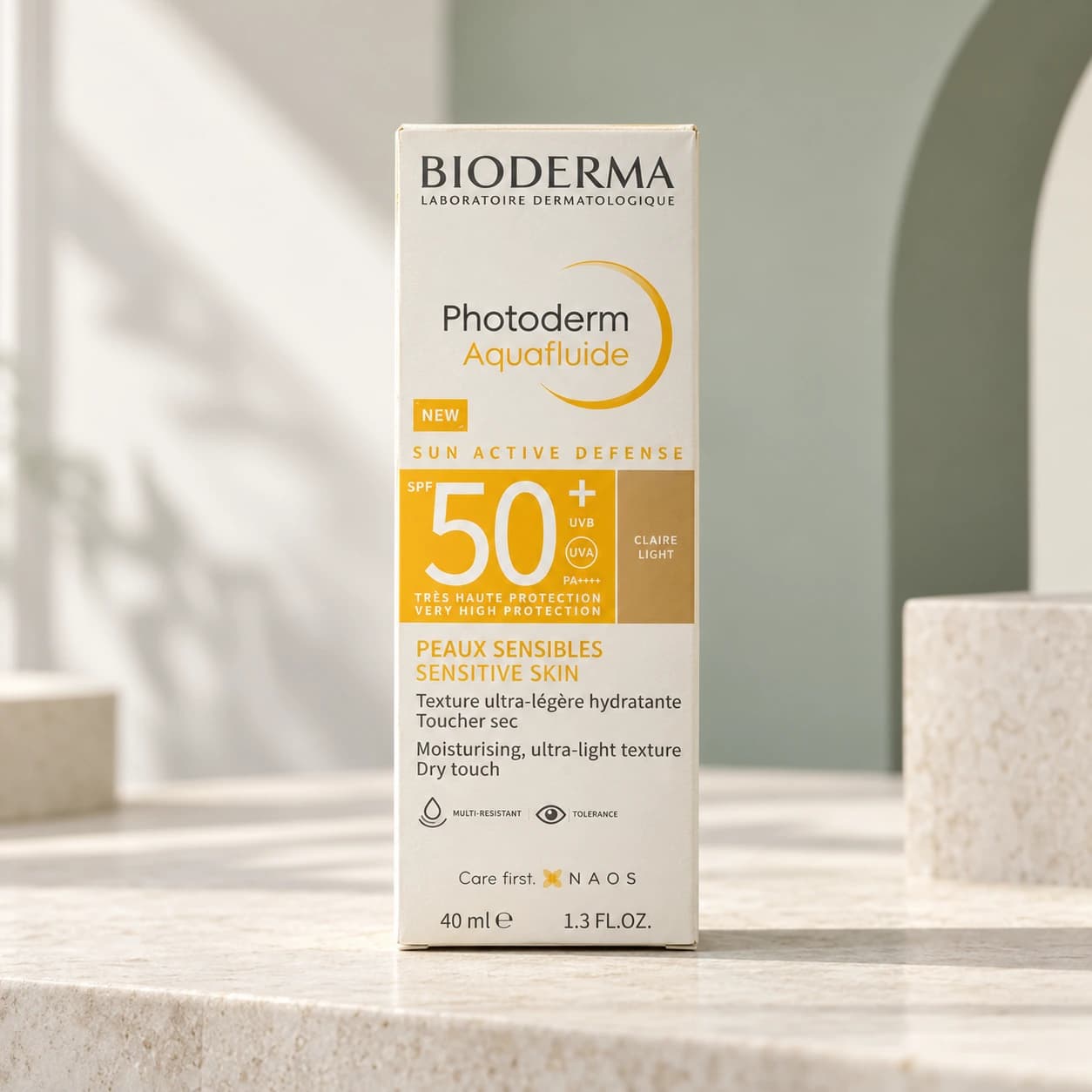
Orders are confirmed on WhatsApp. There is no online payment.
Pimples return because the causes keep working: extra oil, sticky skin cells, bacteria and inflammation, often driven by hormones. Treatment aims at those causes, usually a topical retinoid with benzoyl peroxide, and takes about 6 to 8 weeks to show an effect. Squeezing and home remedies do not fix the cause and can leave marks. A doctor chooses the plan for your type of acne.
Whiteheads and blackheads are blocked pores with no redness: closed under the skin in a whitehead, open and darkened in a blackhead. Pimples are inflamed spots, red or dark, sometimes with pus. Deeper, harder, painful lumps are nodules or cysts. You can have several types at once, and the deeper the spot, the greater the risk of a scar.
Dirty skin does not cause acne, and scrubbing only irritates it. Chocolate has no proven link. A review of 34 studies found a modest link between high-glycaemic foods and acne, backed by randomised trials, and mixed evidence for dairy. Diet may matter a little for some people, but it is not a substitute for treatment. Your doctor can advise on your own pattern.
It depends on type and severity. Guidelines favour topical retinoids, benzoyl peroxide and topical antibiotics for most acne, with tablets such as doxycycline or isotretinoin for moderate to severe acne, and hormonal options for some women. In-clinic procedures such as peels or light treatments are possible additions in selected people, with weaker evidence. Your doctor decides after examining your skin.
Most acne treatments need about 6 to 8 weeks to show an effect, and a first course is usually reviewed at around 12 weeks. Skin can feel drier and a few new spots can appear in the first weeks. Acne is often long-lasting, so maintenance is common. If nothing has changed by your review, your doctor changes or steps up the plan.
Isotretinoin is a prescription medicine used for severe or scarring acne, or acne that does not respond to other treatment. It causes serious birth defects, so pregnancy must be excluded and effective contraception used before, during and for a period after treatment. It needs monitoring, as it can dry the skin and affect mood, liver tests and blood fats. Whether it suits you is the prescribing doctor's decision.
Yes. An Indian multicentre study of 2,926 people with facial skin problems found 14.8% were using a steroid cream, often as a fairness cream, and acne or worsening acne was the most common side effect. Steroid creams can also thin the skin. If you have used one, tell your doctor, and ask how to stop it safely rather than stopping suddenly.
Yes. Hormones called androgens increase oil production, and acne with irregular periods, extra hair growth or weight changes can point to PCOS. See a doctor soon for painful nodules, scarring, sudden severe acne, acne with irregular periods or extra hair, or acne that affects your mood. Acne with fever or joint pain needs urgent medical attention.
There is no single price, and none is quoted here. Cost depends on the type and severity of acne, whether the plan is medicines alone or includes in-clinic support, how many reviews you need and whether tests are advised. Acne care runs over months, so compare the cost of the whole plan. Clinic Eximus confirms the plan and price in writing at your consultation.
Often, slowly. Dark marks after pimples are post-inflammatory hyperpigmentation, which affects up to 85% of people with skin types IV to VI after inflamed acne and can last months or years. Daily sunscreen, treating acne early and not picking help most. A doctor can add fading treatment once acne is settled. Dips in the skin are scars and are treated differently.
Clinic Eximus provides acne treatment through a doctor-led consultation at its Delhi and Noida centres. The doctor examines your skin, asks about periods, medicines and products, and explains the options in general. Which of them suit you, and which in-clinic support the clinic provides, is confirmed at your consultation. Nothing is started before you understand the plan and its limits.
Article
What helps active acne, what does not, which medicines are a doctor's decision and how to avoid scars. For marks and dips that remain, see acne scar treatment.
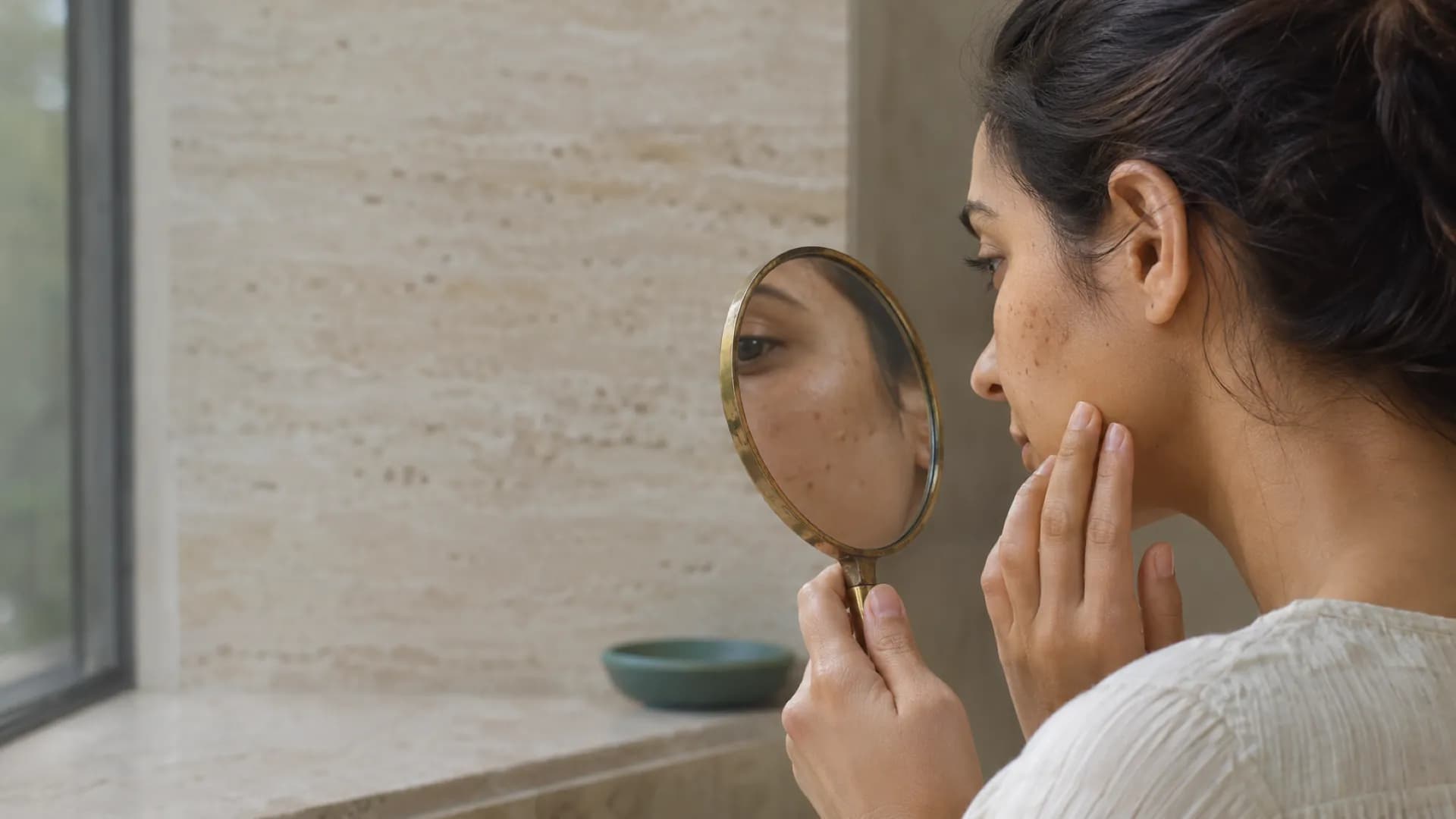
Article
How to tell sun spots, marks left by acne and melasma apart, why depth in the skin matters, and what a doctor may suggest.
Article
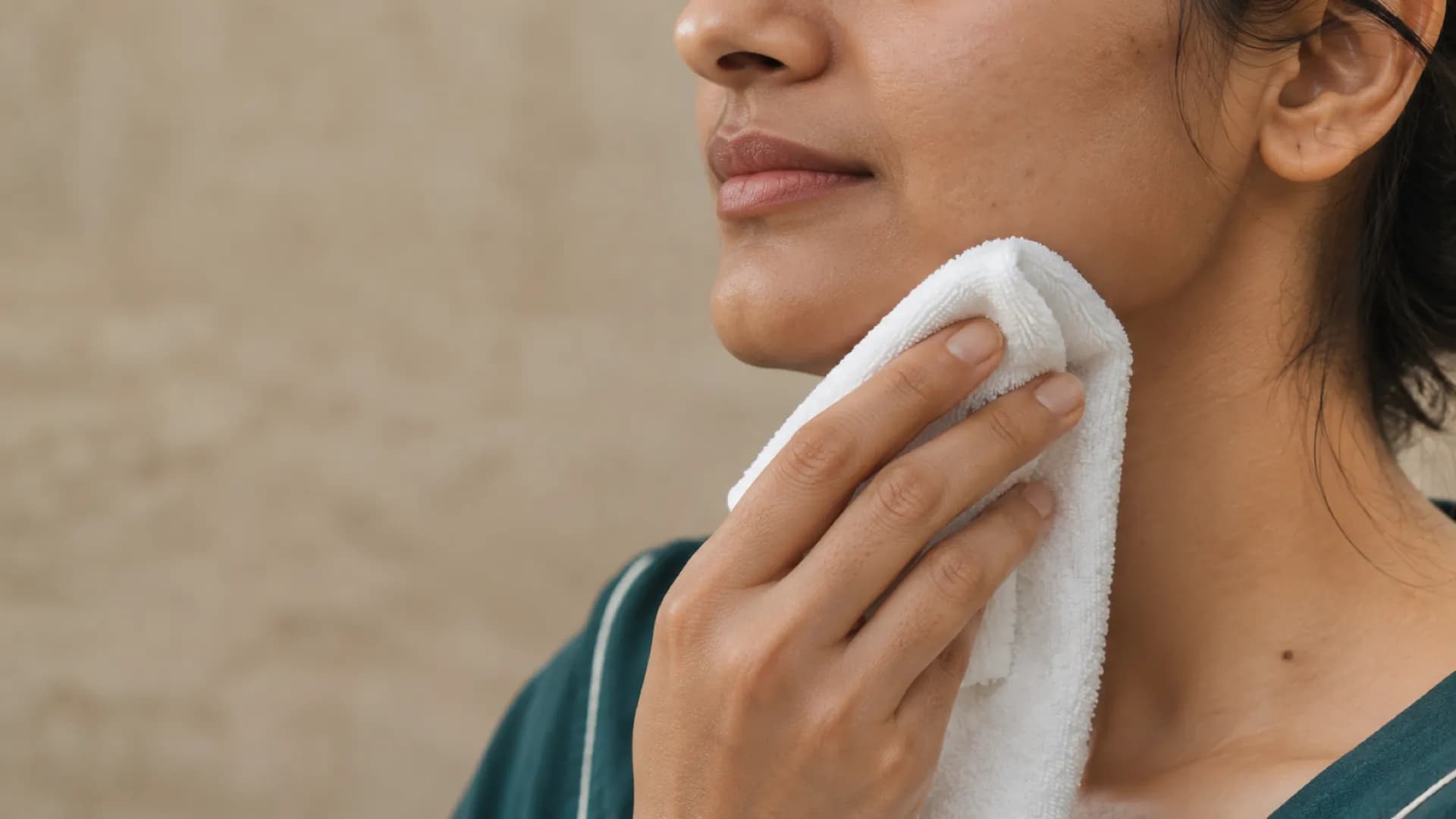
What a Hydrafacial can and cannot do, how strong the evidence is, the side effects to expect and who should be cautious or wait.
A doctor looks at your skin and what is behind the concern, then writes a plan with the full price before you begin.
Choose skin care, a centre and a time
Two taps. Nothing is stored on the website.
Your message opens in WhatsApp
You send it yourself and can add anything for the doctor.
The team confirms your visit
Your doctor reviews your history before suggesting anything.
4.9 from 1,238 Google reviews(Delhi centre)Doctor-led since 2004