
Shampoo
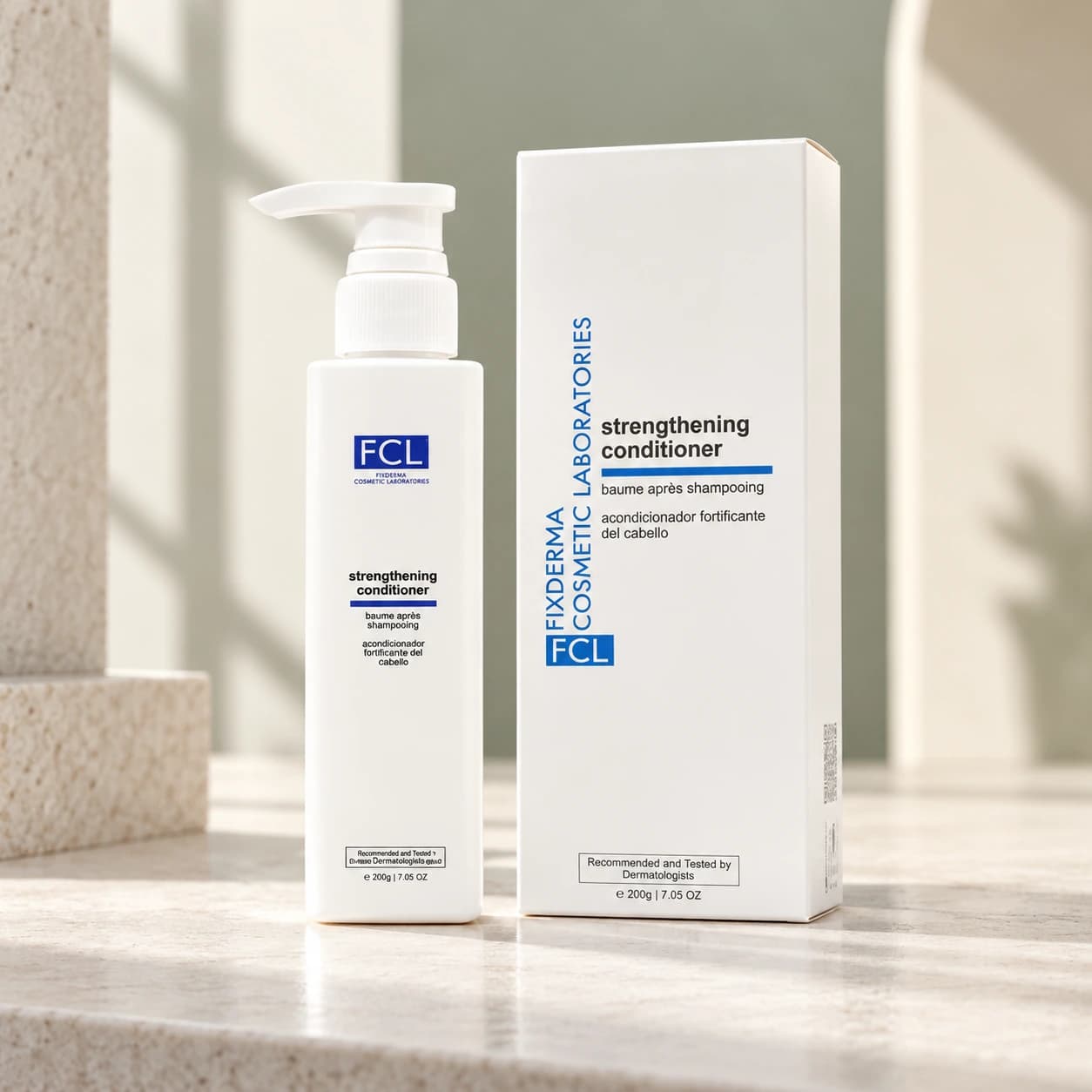
FCL Strengthening Conditioner
Hair conditioner for a clinic-guided hair care routine. Confirm the formulation and pack size.
₹950View details
10% off all products · Free Delhi NCR delivery on ₹1,499+Shop now

Hair fall has several causes that look alike in the mirror. Your doctor finds the cause first, then sets out a written plan with the price.
4.9 from 1,238 Google reviews (Delhi centre)Delhi and Noida
Choose one to see where to start. Nothing you choose is stored.
Hair fall has several causes that look alike in the mirror. This is how a doctor tells them apart before suggesting anything.
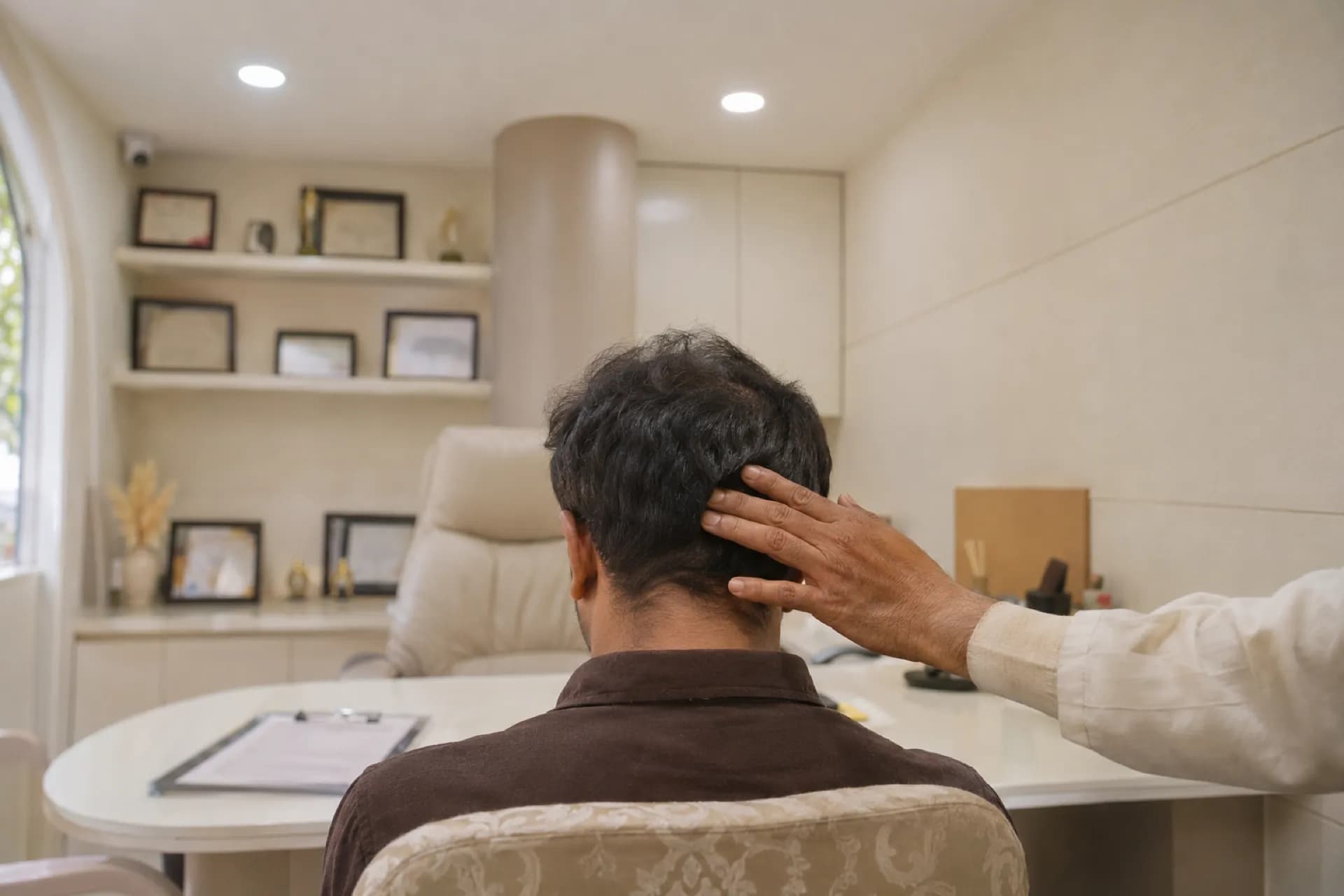
Your doctor asks when the hair fall started, what changed in the months before, your health, medicines and family history, and what you hope treatment will achieve.
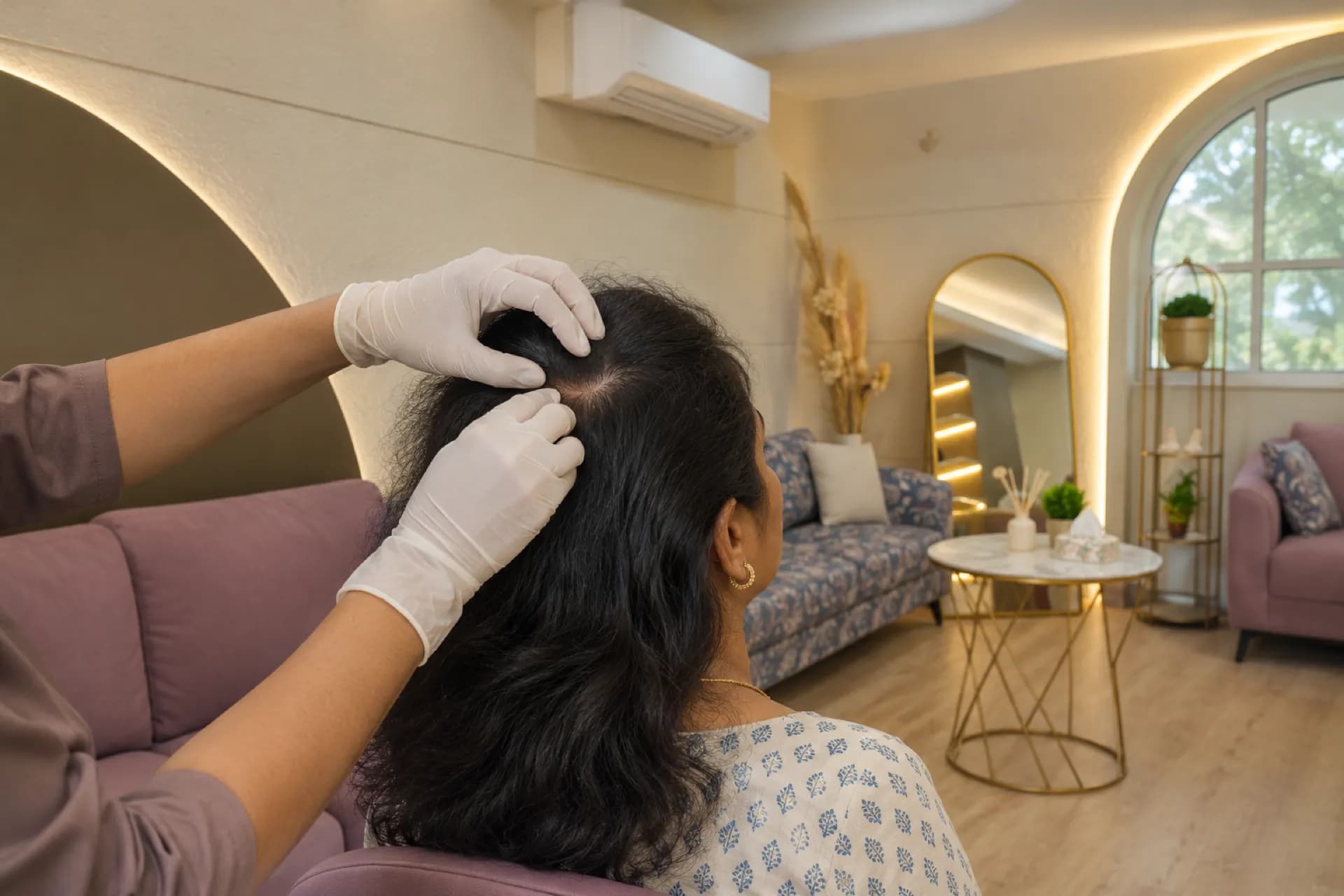
Your scalp is examined, often with trichoscopy, a magnified view of the hair and scalp, and baseline photographs are taken so progress can be compared at review.
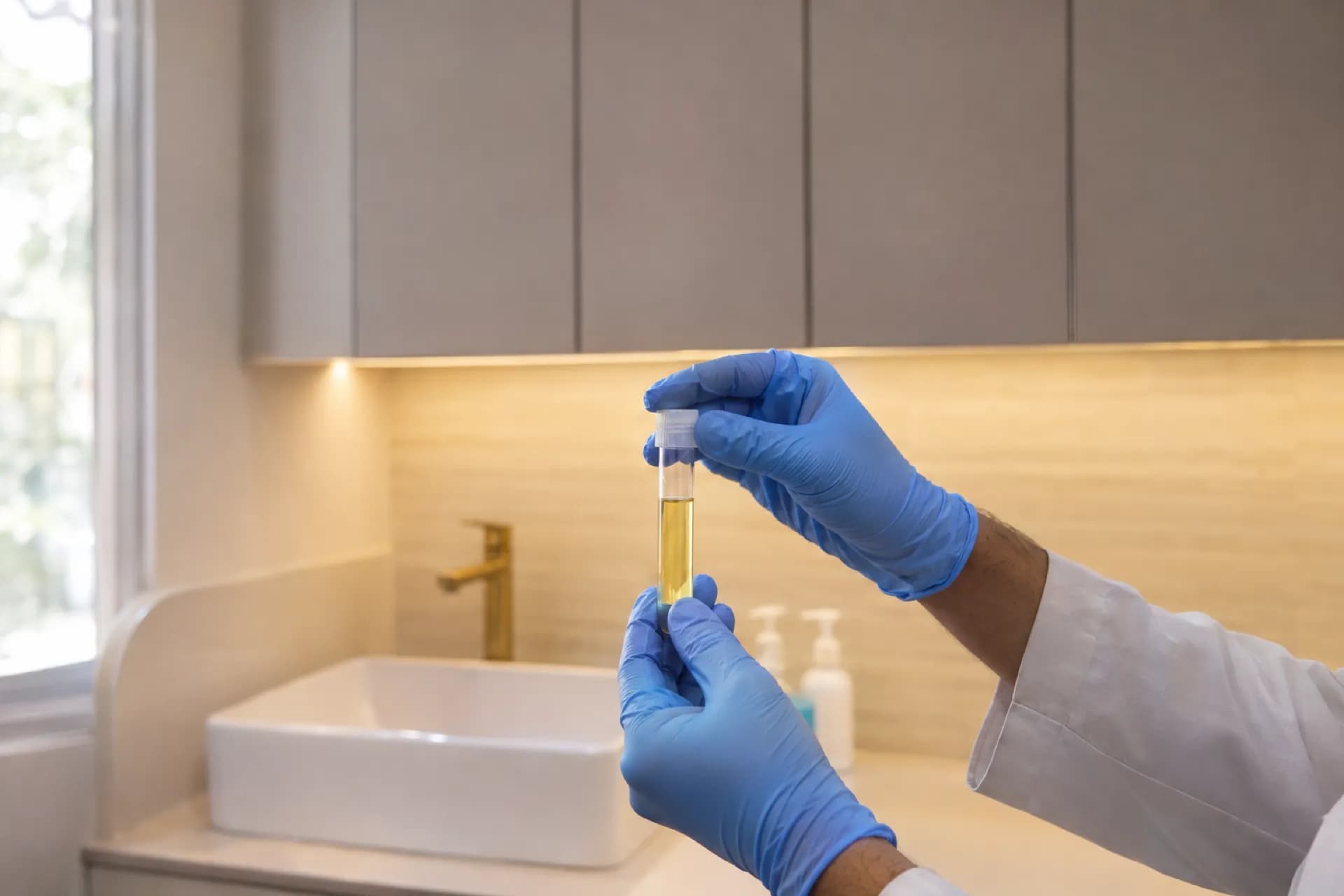
Blood tests for thyroid, iron or hormones are suggested only if your history or examination points to them, not as a routine panel.
You receive the likely cause, the recommended treatment and the reasons for it, the full price and a review date in writing before you start anything.
Most hair loss falls into a few groups. Pattern hair loss is gradual thinning at the hairline, crown or parting, driven by genes and hormones. Telogen effluvium is heavy shedding a few months after a shock such as illness, surgery, childbirth or crash dieting. Other causes include thyroid disease, low iron, PCOS, some medicines and patchy conditions such as alopecia areata.
Because these look alike, hair loss treatment starts with a diagnosis: a consultation and scalp examination at our Delhi or Noida centre, with tests only where your history points to them. Getting the diagnosis right first avoids spending months on a treatment that does not fit your type of hair fall.
For pattern hair loss, guidelines put medicines first: topical minoxidil, and finasteride for suitable men, prescribed by a doctor. PRP and GFC are add-ons for some people, not replacements, and a transplant is an option for stable loss with enough donor hair. Your plan comes in writing, with the reasons and the price, and progress is reviewed over months, because hair grows slowly.

Men with a receding hairline, a thinning crown or more shedding than usual, looking for the cause first.
First step
Diagnosis of the cause

Women with a wider parting, a thinner ponytail, or shedding after illness, stress or childbirth.
Normal daily shedding
About 50 to 100 hairs
People with pattern hair loss who want to discuss PRP as an add-on to medical treatment, not a replacement.
Indicative price
₹5,000–₹10,000 per session
People considering growth factor concentrate (GFC) as an alternative to PRP, comfortable with a smaller evidence base.
Price
₹8,000 per session
People with stable pattern hair loss and enough donor hair at the back and sides of the scalp.
Indicative price
₹60,000–₹1,50,000 full procedure

Flaking, itching or a red scalp that shampoo has not fixed, where a doctor first tells dandruff from other scalp conditions.
First step
A look at the scalp
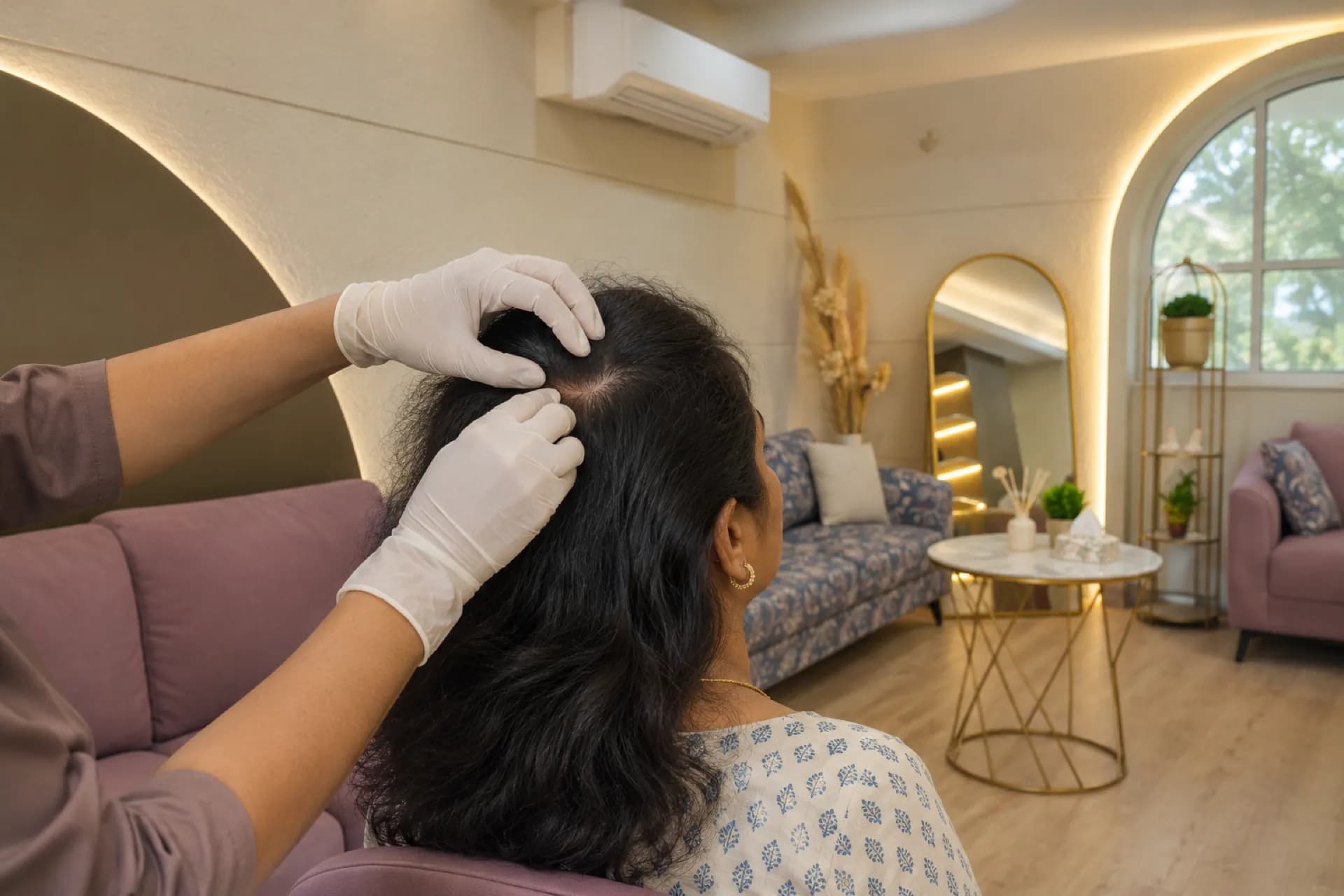
Thinning hair where you want the evidence on exosomes and regenerative options explained before you decide.
Price
₹19,999 per session

Patchy or thin beards, and what a beard transplant, shaping or other options can and cannot do.
Indicative price
₹40,000–₹1,50,000 per procedure
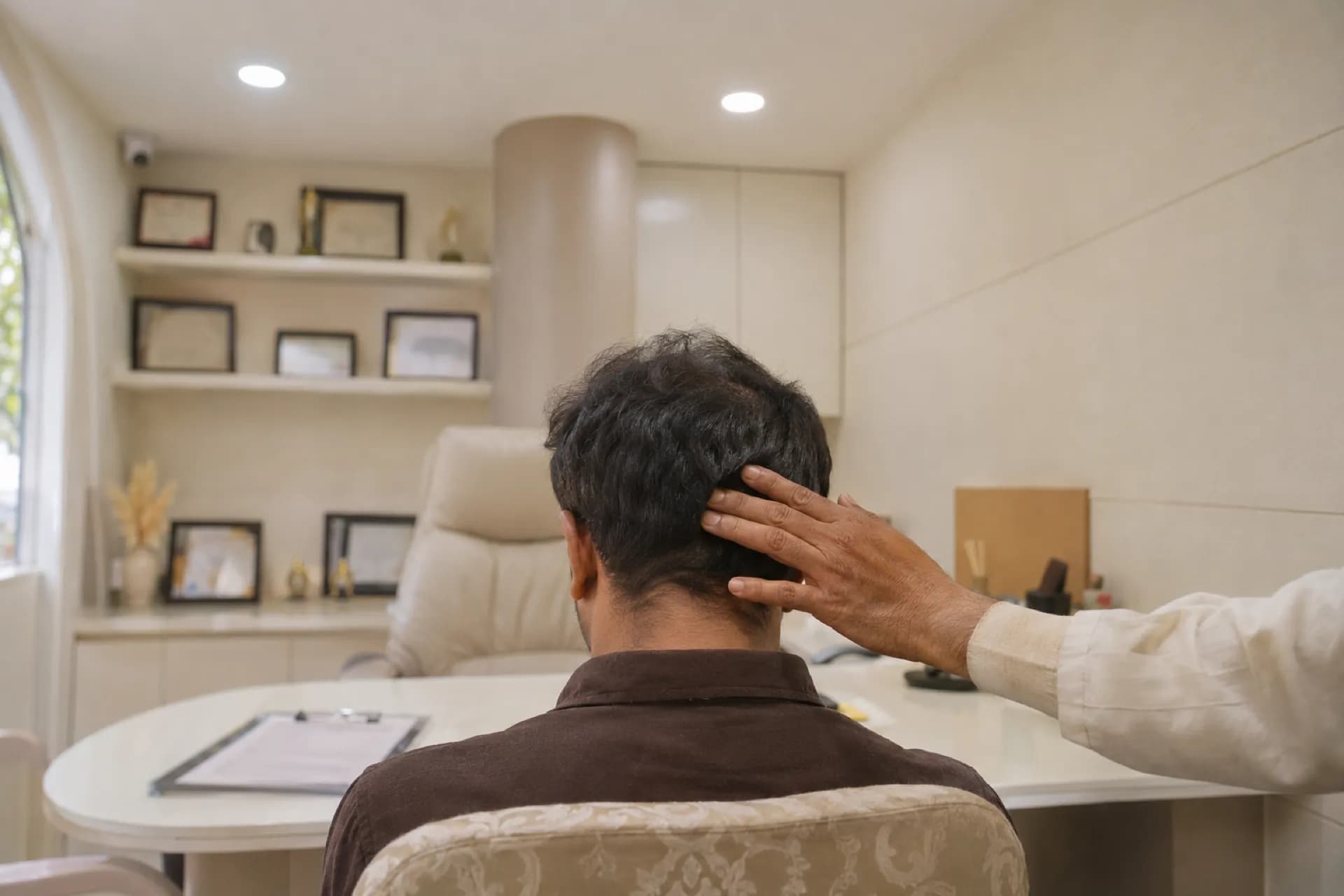
Thinning or scarring that you want to look denser, with how it fades and what it does not do.
Indicative price
₹15,000–₹80,000 per course
Indicative range in Delhi NCR. Your doctor confirms the plan and final price at consultation.
Published studies and guidelines, linked so you can read them yourself.
50–100 a day. Losing about 50 to 100 hairs a day is normal. Shedding after a stressor is usually temporary and often settles within 6 to 9 months, while hereditary hair loss tends to be ongoing and may need treatment. (American Academy of Dermatology: hair loss or hair shedding?, 2026) opens in a new tab
80% of men · 50% of women. Pattern hair loss affects up to about 80% of men and 50% of women over a lifetime. Guidelines use trichoscopy for diagnosis and monitoring, and list topical minoxidil and, for suitable men, finasteride among the core treatments. (Italian guidelines adapted from EDF/EADV, androgenetic alopecia in women and men (PubMed 33295740), 2020) opens in a new tab
9 trials · 238 people. In 9 randomised trials (238 people), PRP increased hair density compared with placebo at 3 and 6 months in pattern hair loss, without serious side effects reported. (Zhang et al., Journal of Cutaneous Medicine and Surgery (PubMed 37533146), 2023) opens in a new tab

What counts as normal shedding, how to tell shedding from pattern hair loss, the common causes, what helps at home, and when to see a doctor.

What topical minoxidil does, what trials found in men and women, why shedding can rise at first, and why it needs to be continued.

Both are made from your own blood and injected into the scalp. Here is how they differ, what the studies found, and where they fit in a plan.
Care to use between visits, chosen by the clinic. Confirm the right one with a doctor.
Shampoo
Hair conditioner for a clinic-guided hair care routine. Confirm the formulation and pack size.

Oil
Hair and scalp care product. Confirm the formulation and clinician-advised use.


Shampoo
Shampoo for cleansing the hair and scalp. Check the current pack for ingredients and directions.
Orders are confirmed on WhatsApp. There is no online payment.
A doctor can usually tell from your history and a scalp examination. A receding hairline or thinning crown points towards pattern hair loss; diffuse shedding often follows a trigger such as illness, childbirth, crash dieting or a new medicine. Trichoscopy, a magnified view of the scalp, shows changes that are hard to see in the mirror and gives a baseline for later reviews. Blood tests for thyroid, iron or hormones are added only when your history points to them.
Losing about 50 to 100 hairs a day is normal, according to the American Academy of Dermatology. See a doctor if you shed clearly more than that for several weeks, or notice a receding hairline, a wider parting, a thinner ponytail or round patches. Shedding after illness or childbirth usually settles within 6 to 9 months, but it is still worth checking iron and thyroid. A change from your usual pattern matters more than counting hairs.
It depends on the cause and the plan. Many people start with prescription medicines. If an in-clinic add-on suits you, GFC at Clinic Eximus is ₹8,000 per session and PRP is indicatively about ₹5,000 to ₹10,000 per session in Delhi NCR, usually as a short starting course before review. A hair transplant is about ₹60,000 to ₹1,50,000 for the full procedure, depending mainly on the number of grafts. Your doctor confirms the plan and final price in writing before you start.
Look for a clinic where a doctor examines your scalp and explains the likely cause before recommending anything, because hair fall has several causes and a plan made without a diagnosis may include sessions that do not suit you. Ask for a written plan with the reasons for each step, the full price and when progress will be reviewed against baseline photographs. Be cautious of pressure to buy a package on your first visit or of promises about results. This is how hair consultations run at both our Delhi and Noida centres.
Many do, when they match the cause. Shedding after a trigger often recovers once the trigger passes or a deficiency is corrected. For pattern hair loss, guidelines list topical minoxidil and, for suitable men, finasteride among the core treatments, and PRP increased hair density compared with placebo in trials. There is no one-off cure: ongoing treatment can slow, stop or partly reverse pattern loss, and stopping usually lets it resume. Results take months and are judged against your baseline photographs.
Usually the one that matches your diagnosis. For pattern hair loss, guidelines start with medicines: topical minoxidil, and finasteride for suitable men, prescribed and monitored by a doctor. PRP or GFC may be added later for some people, as add-ons rather than replacements. For shedding after a trigger, treating the trigger often comes first. A transplant is considered only when loss is stable and there is enough donor hair. If you are pregnant, planning a pregnancy or breastfeeding, tell your doctor, as it changes which medicines suit you.
A doctor checks why your hair is changing, then writes a plan with the full price before you begin.
Choose hair care, a centre and a time
Two taps. Nothing is stored on the website.
Your message opens in WhatsApp
You send it yourself and can add anything for the doctor.
The team confirms your visit
Your doctor reviews your history before suggesting anything.
Both our centres see hair patients, with the same doctor-led approach to diagnosis and planning, so you can book at whichever suits you. The Delhi centre is in Anand Vihar, East Delhi, and the Noida centre is in Sector 100.
Directions to both centres