
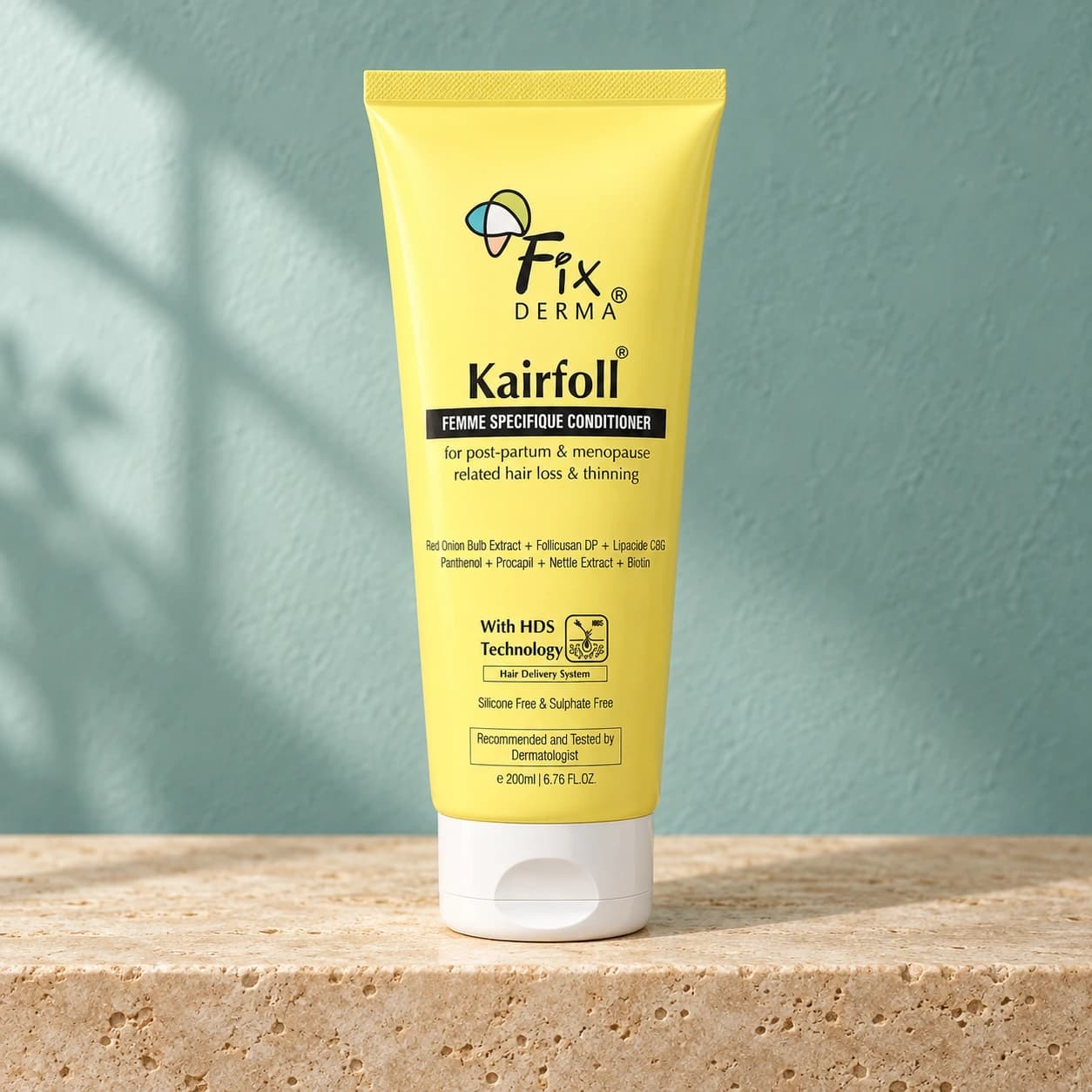
Shampoo
Fixderma Kairfoll Femme Specifique Conditioner
Hair conditioner for a clinic-guided hair care routine. Confirm the formulation and pack size.
₹825View details
10% off all products · Free Delhi NCR delivery on ₹1,499+Shop now
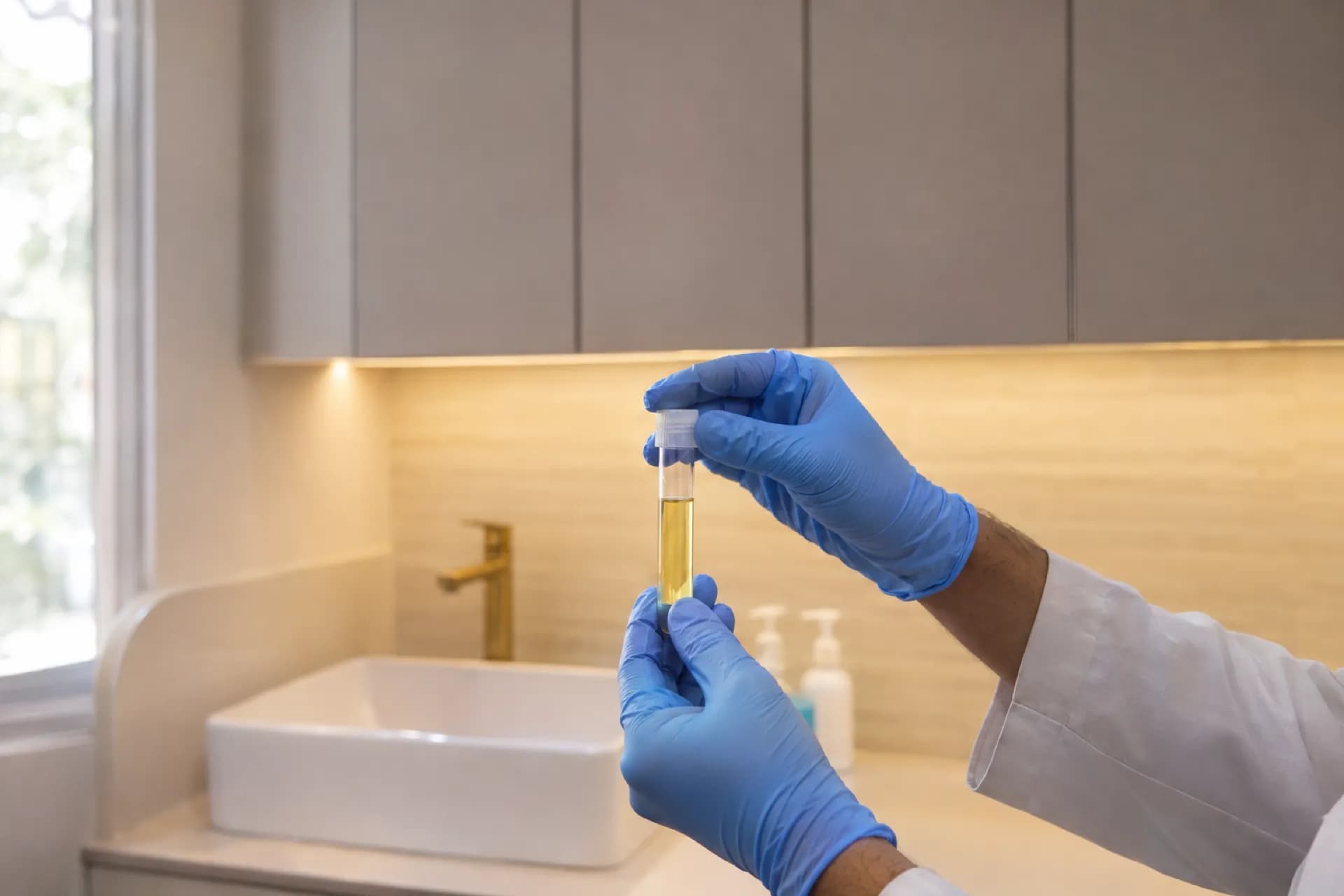
PRP uses platelets from your own blood to support thinning hair. It can add to a medical plan for pattern hair loss. It does not replace that plan, and it does not suit everyone.
Two taps, then WhatsApp. A doctor reviews your history before any treatment is suggested.
4.9 from 1,238 Google reviews(Delhi centre)Doctor-led since 2004
Indicative range in Delhi NCR. Your doctor confirms the plan and final price at consultation.Updated
PRP hair treatment injects a concentrate of your own platelets into the scalp to support follicles that are thinning but still active. Trials show it can increase hair density at 3 and 6 months in pattern hair loss. It works as an add-on to proven medicines, not a replacement, and results vary from person to person.
PRP stands for platelet-rich plasma. A small sample of your blood is drawn and spun in a centrifuge, which separates the platelets from the red cells. The platelet-rich layer is then injected into the thinning areas of the scalp with fine needles. Platelets carry growth factors, and the working theory is that releasing them around the follicle helps a shrinking follicle stay in its growth phase for longer and produce a thicker hair. That is why PRP is aimed at follicles that are miniaturising, not at skin that has been bald for years. Preparation methods differ between clinics and studies, including how many times the blood is spun and whether the platelets are activated, which is one reason published results vary. PRP does not change the hormone sensitivity that drives pattern hair loss, so medicines still matter.
The same order for everyone, so nothing is decided before the cause is clear.
Step 1
Your doctor asks when the hair loss started, how it has changed, your general health, medicines, diet, and periods or pregnancies where relevant, and what you have already tried.
Step 2
A magnified look at the scalp shows the pattern, the range of hair thicknesses and any signs of another condition. Photographs give a baseline for later comparison.
Step 3
Blood tests, for example for thyroid function, iron stores or a blood count, are suggested when your history or examination points to them, not by default.
Step 4
If PRP suits you, the plan is set out in writing: the medical treatment that sits alongside it, the number of sessions to start with, the per-session price and when you will be reviewed.
Step 5
Sessions are spaced over several weeks. Progress is judged against your baseline photographs at around 3 and 6 months, and the plan is changed or stopped if it is not helping.
Published studies and guidelines, linked so you can read them yourself. Evidence is not a promise for any one person.
9 trials · 238 people. In 9 randomised trials (238 people) with pattern hair loss, PRP increased hair density compared with placebo at 3 and 6 months. Hair count and hair thickness improved from baseline but were not clearly better than placebo. No serious side effects were reported. (Zhang et al., Journal of Cutaneous Medicine and Surgery (PubMed 37533146), 2023) opens in a new tab
25 trials. Across 25 trials of PRP on its own, results tended to be better with more sessions and shorter gaps between them. Protocols varied widely, including how the blood was spun and whether platelets were activated. (Gupta and Bamimore, Journal of Drugs in Dermatology (PubMed 36074501), 2022) opens in a new tab
42 people · 6 months. In a retrospective study of 42 people (25 PRP, 17 GFC), each given 3 sessions 4 weeks apart, GFC gave quicker early gains, while PRP showed better hair diameter and overall improvement scores at 6 months. PRP caused more scalp redness. (Garg and Thirumalaiswamy, Dermatologic Surgery (PubMed 40557953), 2025) opens in a new tab
Medicines first. Guidelines for pattern hair loss list topical minoxidil and, for suitable men, 5-alpha reductase inhibitors such as finasteride among the core medical treatments, and use trichoscopy to diagnose and monitor hair loss. (Italian guidelines adapted from EDF/EADV, androgenetic alopecia in women and men (PubMed 33295740), 2020) opens in a new tab
We will tell you if PRP is not the right first step for you.
Typical milestones from published studies and guidelines. Your doctor sets your own schedule.
Week 0
Consultation, scalp check and any tests
Weeks 0–8
Often 3 sessions, about 4 weeks apart
Month 3
First review of density
Month 6
Decide together: continue, maintain or change
₹5,000–₹10,000
per session
Indicative range in Delhi NCR. Your doctor confirms the plan and final price at consultation.
Care to use between visits, chosen by the clinic. Confirm the right one with a doctor.
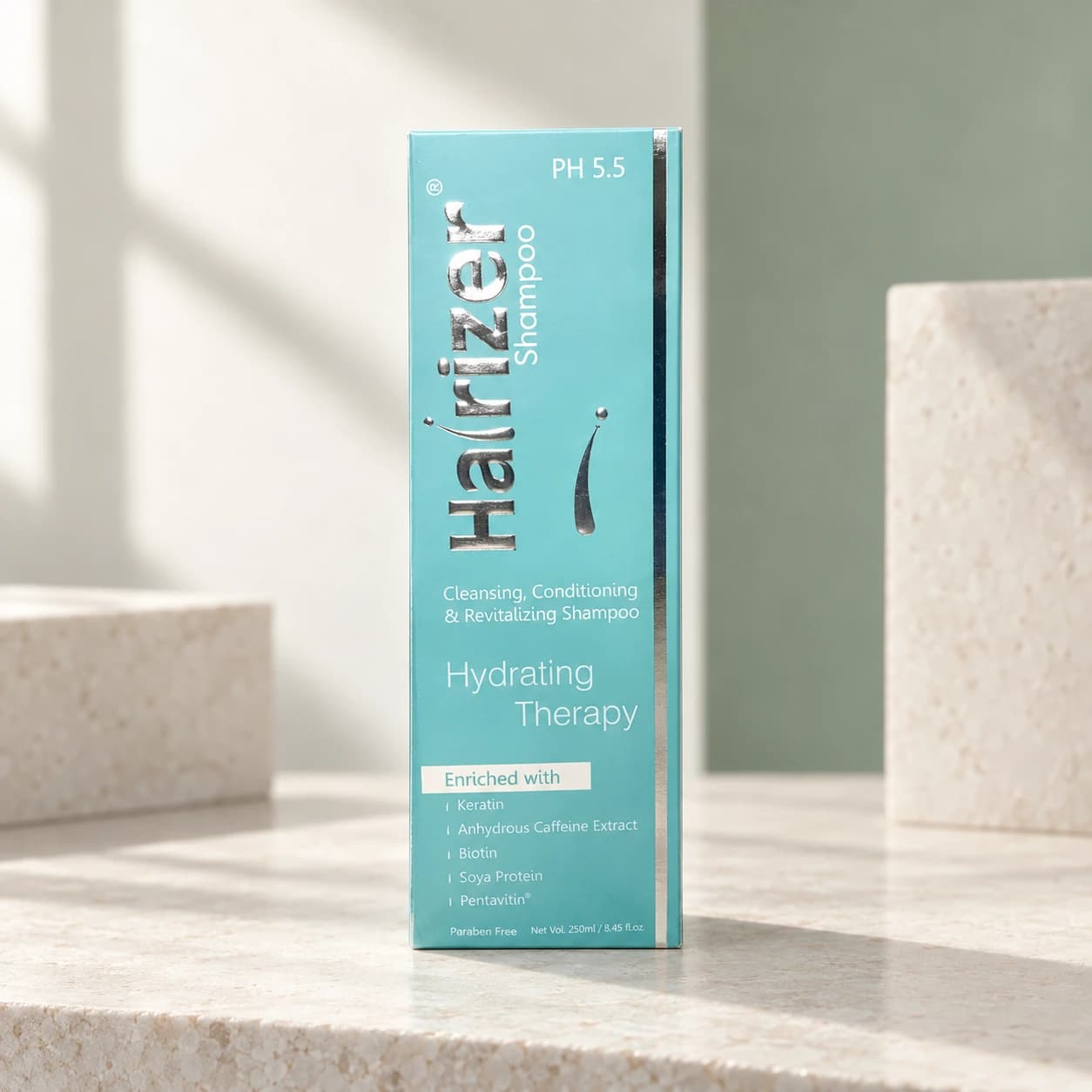
Shampoo
Hair conditioner for a clinic-guided hair care routine. Confirm the formulation and pack size.
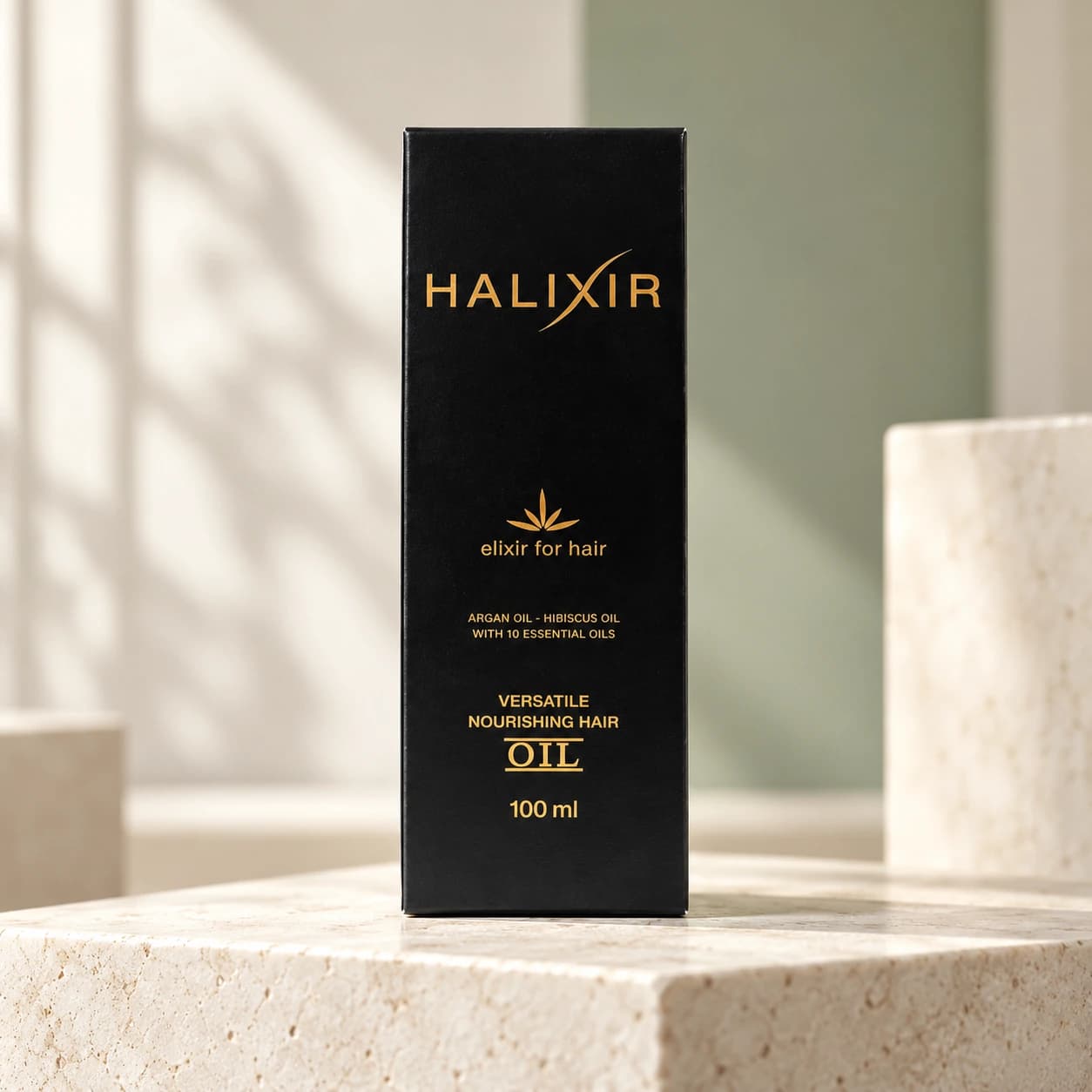
Oil
Hair and scalp care product. Confirm the formulation and clinician-advised use.
Orders are confirmed on WhatsApp. There is no online payment.
No. PRP can improve hair density in pattern hair loss, but the benefit is not expected to last on its own. The hormone sensitivity behind pattern loss continues, so many people are offered maintenance sessions and keep using medical treatment. Trials mostly report results at 3 and 6 months, and longer-term data is limited. Your doctor will review your progress and tell you plainly whether continuing makes sense.
For most suitable people, PRP is considered low risk. A 2023 meta-analysis of 9 trials found no serious side effects; the usual effects are short-lived scalp tenderness, redness and pinpoint bleeding. It is not suitable for everyone, including people with certain blood or platelet disorders, an active scalp infection, or during pregnancy. Tell your doctor about any blood thinners first, and do not stop them on your own.
It can help some people, mainly by increasing hair density. A meta-analysis of 9 randomised trials found density improved compared with placebo at 3 and 6 months, though hair count and thickness were not clearly better than placebo. Results vary between people and between studies. PRP is most useful as an add-on to medical treatment, judged against your own baseline photographs.
Across Delhi NCR, PRP for hair usually costs about ₹5,000 to ₹10,000 per session. Your total depends on how many sessions are in your starting course, the preparation method, and whether maintenance sessions are planned. Your doctor confirms the plan and final price in writing at consultation, before you commit to anything.
Because guidelines put medical treatment first for pattern hair loss. Topical minoxidil, and finasteride for suitable men, have larger and longer-running evidence than PRP. PRP is an add-on for suitable people, not a replacement. If you are offered PRP on your first visit without a diagnosis or a conversation about medicines, it is reasonable to ask why.
Studies commonly use a starting course of about 3 sessions, roughly 4 weeks apart, with progress checked at 3 and 6 months. A 2022 analysis of 25 trials found that more sessions and shorter gaps tended to give better results, but there is no single agreed schedule. Your doctor sets yours after examining your scalp, and decides on any maintenance at review.
There is no single right answer for everyone. A 2025 study of 42 people found GFC gave quicker early gains, while PRP had better hair diameter and improvement scores at 6 months. Evidence on GFC comes from small studies. Cost, how you respond and your doctor's assessment usually decide. Our PRP and GFC comparison article covers the differences in more detail.
Most people feel stinging or pressure during the injections, and the scalp may feel tender for a day or two afterwards. How much you feel depends on the area treated and your own sensitivity. Your doctor can talk you through numbing options before the session, so you know what to expect.

Article
Both are made from your own blood and injected into the scalp. Here is how they differ, what the studies found, and where they fit in a plan.

Article
What topical minoxidil does, what trials found in men and women, why shedding can rise at first, and why it needs to be continued.
Article
What counts as normal shedding, how to tell shedding from pattern hair loss, the common causes, what helps at home, and when to see a doctor.

Article
What GFC hair treatment results look like, when to judge them, how they compare with PRP over six months, and why ongoing treatment matters.

A doctor checks why your hair is changing, then writes a plan with the full price before you begin.
Choose hair care, a centre and a time
Two taps. Nothing is stored on the website.
Your message opens in WhatsApp
You send it yourself and can add anything for the doctor.
The team confirms your visit
Your doctor reviews your history before suggesting anything.
4.9 from 1,238 Google reviews(Delhi centre)Doctor-led since 2004