

Mask
Sorg Hair Mask
Hair mask for a clinic-guided conditioning routine. Confirm the formulation and directions.
₹1,200View details
10% off all products · Free Delhi NCR delivery on ₹1,499+Shop now
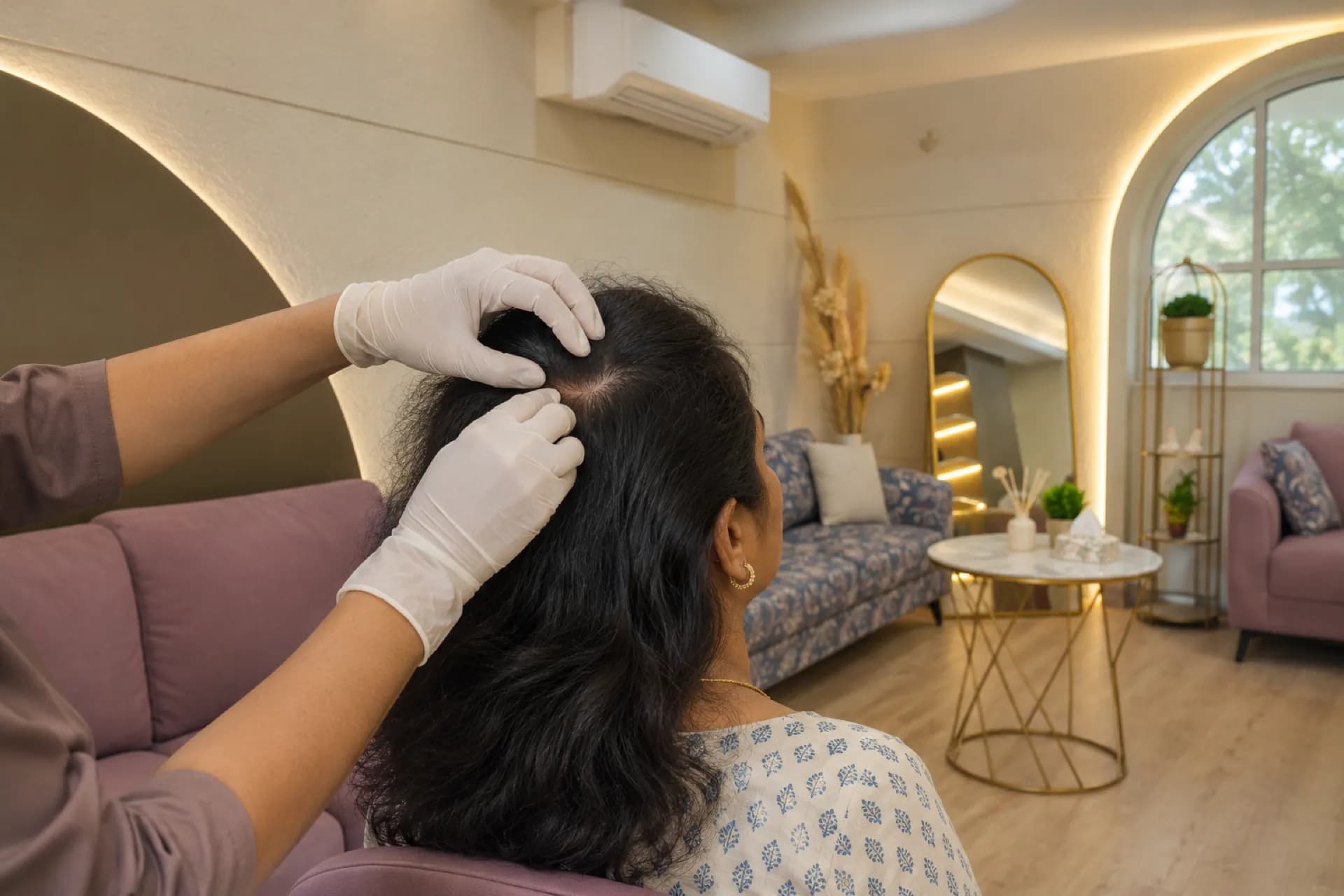
Exosomes and stem-cell products for hair are marketed widely, but the evidence is early and India has no explicit approval route for them. Here is what is known, and what to ask a clinician.
Two taps, then WhatsApp. A doctor reviews your history before any treatment is suggested.
4.9 from 1,238 Google reviews(Delhi centre)Doctor-led since 2004
Clinic Eximus price. Your doctor confirms the plan and final price at consultation.Updated
Exosome hair treatment puts exosomes, tiny particles released by cells and made in a laboratory from cultured cells or plants, on or into the scalp to try to wake thinning follicles. The evidence is early and mostly small studies, an Indian dermatology task force called it experimental in 2026, and India has no explicit approval route for exosome products. A doctor usually discusses it only after medicines, PRP or GFC, and only with the product named in writing.
Exosomes are tiny packets, far smaller than a cell, that cells release to send signals to one another. For hair they are collected from cultured cells (fat, placenta, umbilical cord, bone marrow and hair-follicle cells have all been used) or from plants, then put on or into the scalp, sometimes after microneedling, to try to push resting follicles back into growth. In cell and animal studies they do this. In people the data are limited, and products differ in source, purity and dose, which is why results cannot be compared between clinics. Stem-cell and other regenerative hair treatments: several different things are sold under this name. Products made from cultured stem cells, and the fluids or exosomes they release, are made in laboratories. A person's own fat-derived preparations, called nanofat or stromal vascular fraction, are made in the clinic on the day from a small fat harvest. Each has been studied, mostly in small groups. Under the New Drugs and Clinical Trials Rules, 2019, a stem-cell derived product counts as a new drug, and ICMR's 2017 guidelines treat stem-cell use in patients, outside approved uses and trials, as investigational. For hair there is no established approved stem-cell treatment, and the Indian task force graded nanofat and stromal vascular fraction for hair at evidence level 4, recommendation grade D.
The same order for everyone, so nothing is decided before the cause is clear.
Step 1
Your doctor asks how the hair loss began, checks the scalp, may use trichoscopy and photographs, and suggests blood tests only where your history points to a cause such as thyroid or iron.
Step 2
Medical treatment, and PRP or GFC where they suit you, are discussed before an experimental add-on, because their evidence is stronger.
Step 3
You are told the product name, where it comes from, how it was made, its regulatory status, what is known and not known about its safety, and the price, in writing.
Step 4
A baseline photograph set is taken. The scalp is treated as the plan describes, and the plan names a review point and the point at which you would stop.
Step 5
At the set review your doctor compares the scalp with the baseline photographs. If nothing has changed, the plan is stopped rather than repeated.
Published studies and guidelines, linked so you can read them yourself. Evidence is not a promise for any one person.
Level 5 · grade D. A task force of Indian dermatologists, using a modified Delphi process, graded exosomes at evidence level 5 and recommendation grade D, called exosome products from any source experimental and did not recommend routine use. It notes India has no explicit regulatory framework for making or marketing exosomes, which are only partly covered by the Drugs and Cosmetics Act, 1940. The same group graded nanofat and stromal vascular fraction for hair at level 4, grade D, and advised restricting them to selected patients under ethical oversight. (Consensus position statement on emerging treatments in dermatology, Association of Cutaneous Surgeons of India Task Force, Journal of Cutaneous and Aesthetic Surgery (DOI 10.25259/JCAS_337_2025), 2026) opens in a new tab
9 studies · 125 people. A review of 48 studies of exosomes in people found 9 clinical studies on hair loss, in 125 patients. Side effects were rare, but at least 10 serious adverse events were reported across the wider dermatology literature. The authors call for larger trials with longer follow-up, consistent manufacturing standards and regulatory oversight. (Exosomes for treating hair loss: a review of clinical studies, Dermatologic Surgery (PubMed 39447204), 2025) opens in a new tab
11 studies · 2 trials. A systematic review of 11 clinical studies, of which only 2 were randomised trials, found every study reported improvement in at least one hair measure, with density gains of 9.5 to 35 hairs per square centimetre and thickness gains up to about 13 micrometres. Exosomes came from fat, placenta, hair follicles, bone marrow, foreskin and umbilical cord, so the products were not alike. (Exosomes and hair regeneration: a systematic review of clinical evidence across alopecia types and exosome sources, Clinical, Cosmetic and Investigational Dermatology (PubMed 40955427), 2025) opens in a new tab
1 human study · 39 people. An earlier systematic review found 16 studies, 15 of them in cells or animals and one in people. In that human study, a topical exosome product from fat-derived stem cells raised hair density and thickness in 39 people with pattern hair loss. No significant adverse reactions were reported so far, and the authors call the clinical evidence limited. (Systematic review of exosome treatment in hair restoration: preliminary evidence, safety, and future directions, Journal of Cosmetic Dermatology (PubMed 37381168), 2023) opens in a new tab
No approved products (FDA). The US regulator reported serious adverse events in patients in Nebraska treated with unapproved products marketed as containing exosomes. It states there are no FDA-approved exosome products and that exosomes used to treat conditions are regulated as drugs and biological products. This is the American position, not the Indian one, but the product-quality concern applies anywhere. (US Food and Drug Administration: public safety notification on exosome products, 2019) opens in a new tab
9 trials · 238 people. For comparison, 9 randomised trials of PRP in 238 people with pattern hair loss found hair density increased more than with placebo at 3 and 6 months. Hair count and thickness were not clearly better than placebo. PRP has more human data than exosomes, though it is far from conclusive. (Zhang et al., Journal of Cutaneous Medicine and Surgery (PubMed 37533146), 2023) opens in a new tab
Medicines come first. Guidelines for pattern hair loss list topical minoxidil and, for suitable men, 5-alpha reductase inhibitors such as finasteride among the core medical treatments. Exosomes and stem-cell products are not among them. (Italian guidelines adapted from EDF/EADV, androgenetic alopecia in women and men (PubMed 33295740), 2020) opens in a new tab
Investigational outside trials. India's 2017 stem-cell guidelines state that any use of stem cells in patients, other than blood stem-cell transplants for approved conditions, is investigational at present. Advertising the benefits of stem-cell therapy by clinicians is not permitted, and stem cells and their derivatives fall under the drug rules. Separately, a September 2026 health ministry advisory said unproven stem-cell interventions must not be offered as routine or commercial care. (The National Guidelines for Stem Cell Research (2017): what academicians need to know? Perspectives in Clinical Research (PMC6801994), 2019) opens in a new tab
12 trials · mixed products. A systematic review of 12 randomised trials of stem-cell derived therapies for pattern hair loss, using cells from fat, hair follicles, bone marrow, cord blood and baby teeth, and both cell and cell-free products, reported gains in hair density. Products and methods differed, and the authors note the benefit may be temporary in some cases. (Autologous stem cell-derived therapies for androgenetic alopecia: a systematic review of randomized control trials, Plastic and Reconstructive Surgery Global Open (PubMed 38352219), 2024) opens in a new tab
6 studies · 188 people. A systematic review of fat-derived stromal vascular fraction for non-scarring hair loss found 6 studies in 188 patients, including 3 randomised trials. No severe adverse events were reported and all found better hair density than control or baseline. Response varied with how the preparation was made and how severe the hair loss was, and the authors ask for more studies. (The safety and efficacy of autologous adipose-derived stromal vascular fraction for nonscarring alopecia: a systematic review, Archives of Dermatological Research (PubMed 34014340), 2022) opens in a new tab
We will tell you if exosome hair treatment is not the right first step for you.
Typical milestones from published studies and guidelines. Your doctor sets your own schedule.
Before
Diagnosis, baseline photographs and proven options discussed first
Consent
Product, source, regulatory status, risks and price in writing
Treatment
Scalp treated as planned; report any reaction to the clinic
At review
Compared with baseline photographs; stopped if nothing has changed
Ongoing
Hair loss continues, so medical treatment carries on

₹19,999
per session
Clinic Eximus price. Your doctor confirms the plan and final price at consultation.
Care to use between visits, chosen by the clinic. Confirm the right one with a doctor.
Mask
Hair mask for a clinic-guided conditioning routine. Confirm the formulation and directions.
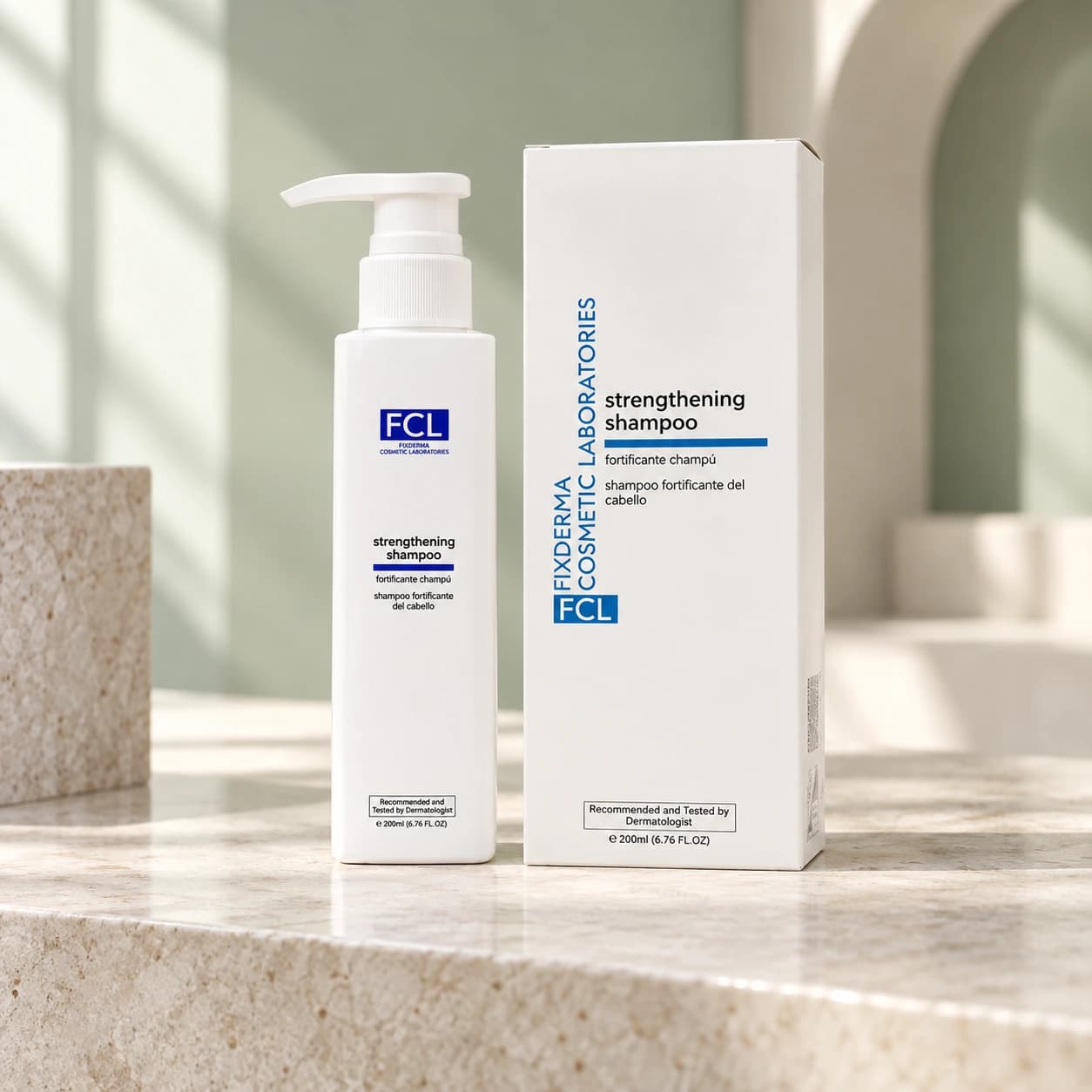
Shampoo
Shampoo for cleansing the hair and scalp. Check the current pack for ingredients and directions.
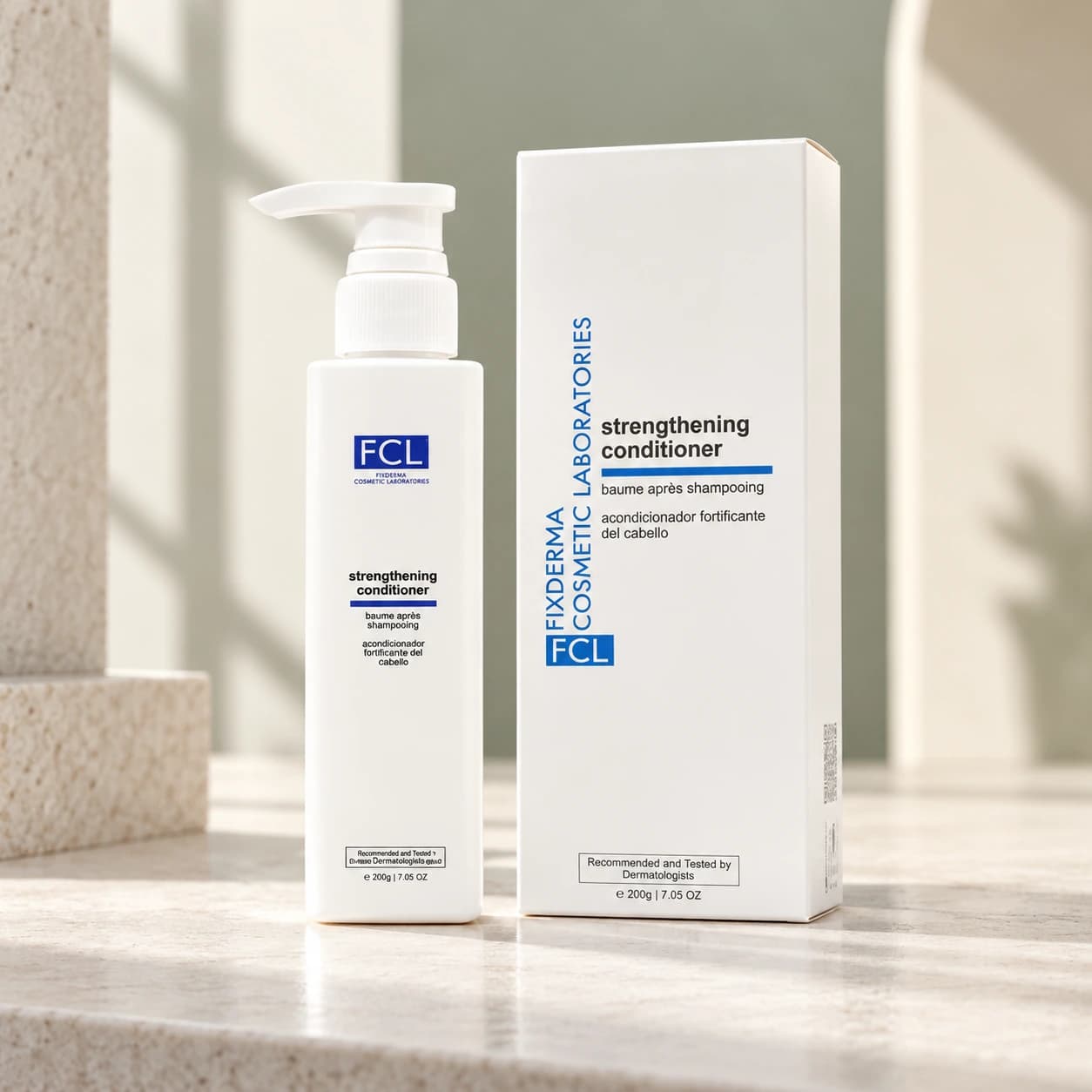
Shampoo
Hair conditioner for a clinic-guided hair care routine. Confirm the formulation and pack size.
Orders are confirmed on WhatsApp. There is no online payment.
It may help some people, but that is not reliably shown. A 2025 review of 11 clinical studies found every study improved at least one hair measure, yet only two were randomised trials and the products differed widely. An Indian dermatology task force graded the evidence at level 5 and called exosomes experimental. Medicines and PRP have stronger evidence, so a doctor usually starts there.
India has no explicit regulatory framework for exosome products. They are only partly covered by the Drugs and Cosmetics Act, 1940, and the Indian task force of dermatologists called them experimental in 2026. We have not found a Central Drugs Standard Control Organisation approval for an exosome product for hair. Ask any clinic for the product name, its source and its regulatory status in writing.
PRP and GFC use growth factors from your own blood. PRP has the most human data of the three: 9 randomised trials in 238 people found better density than placebo at 3 and 6 months. GFC has small studies, and exosomes have mostly early ones. None replaces first-line medicines. See our PRP and GFC pages for the details and the cost of each.
Hair exosome treatment at Clinic Eximus is ₹19,999 per session. Clinic quotes found online vary several-fold, because products differ in source and amount and some plans bundle other treatments. Your doctor gives a written price that names the product and the number of sessions, with a review point. A price far below others is a reason to ask what is in the vial.
Side effects were rare in the 125 people treated for hair loss in published studies, mostly short-lived redness and tenderness. But numbers are small, and serious reactions after unapproved exosome products have been reported elsewhere, including in Nebraska in 2019. Product quality varies. Ask what is used and where it comes from, and tell your doctor about allergies, immune conditions and pregnancy.
No schedule is proven. Studies used different products and different numbers of sessions, so nobody can say how many you need or how long a result lasts. A sensible plan names the number of sessions to start with, a review against your baseline photographs, and the point at which you would stop if nothing has changed.
Ask for the product name, its source (cells or plants), who made it and how, its regulatory status in India, what studies exist on it, the risks, the full price, and what happens if it does not help. Ask what proven options you would try first. A clinic that cannot answer in writing has given you an answer.
Not as a routine treatment. ICMR's 2017 guidelines treat stem-cell use in patients outside approved uses as investigational, and a September 2026 health ministry advisory said unproven stem-cell interventions must not be offered as routine care. Small studies exist, including 12 randomised trials of mixed products, but methods differ and benefit may be temporary. A doctor decides whether any of it is appropriate.
Stem cells are living cells. Exosomes are tiny particles that cells release, so exosome products contain no whole cells. Cultured stem-cell products are made in laboratories, while nanofat or stromal vascular fraction is made from your own fat on the day. Each carries different regulation, risks and costs, and each has only early evidence for hair.
Studies of fat-derived preparations reported no severe adverse events in 188 patients, but fat harvest itself can cause bruising, infection and scarring. Cost depends on whether the product is cultured in a laboratory or made from your own fat, on sessions and on the clinic, and quotes vary widely. Ask for a written price that names the product.
For pattern hair loss, guidelines list topical minoxidil and, for suitable men, finasteride as core medical treatments, with PRP or GFC as add-ons for some people and hair transplant for stable, suitable cases. Your doctor first checks for another cause, such as thyroid, iron, hormones or stress. A plan with proven steps first costs less and risks less.

Article
Both are made from your own blood and injected into the scalp. Here is how they differ, what the studies found, and where they fit in a plan.

Article
What topical minoxidil does, what trials found in men and women, why shedding can rise at first, and why it needs to be continued.

Article
What counts as normal shedding, how to tell shedding from pattern hair loss, the common causes, what helps at home, and when to see a doctor.

Article
What GFC hair treatment results look like, when to judge them, how they compare with PRP over six months, and why ongoing treatment matters.

A doctor checks why your hair is changing, then writes a plan with the full price before you begin.
Choose hair care, a centre and a time
Two taps. Nothing is stored on the website.
Your message opens in WhatsApp
You send it yourself and can add anything for the doctor.
The team confirms your visit
Your doctor reviews your history before suggesting anything.
4.9 from 1,238 Google reviews(Delhi centre)Doctor-led since 2004