
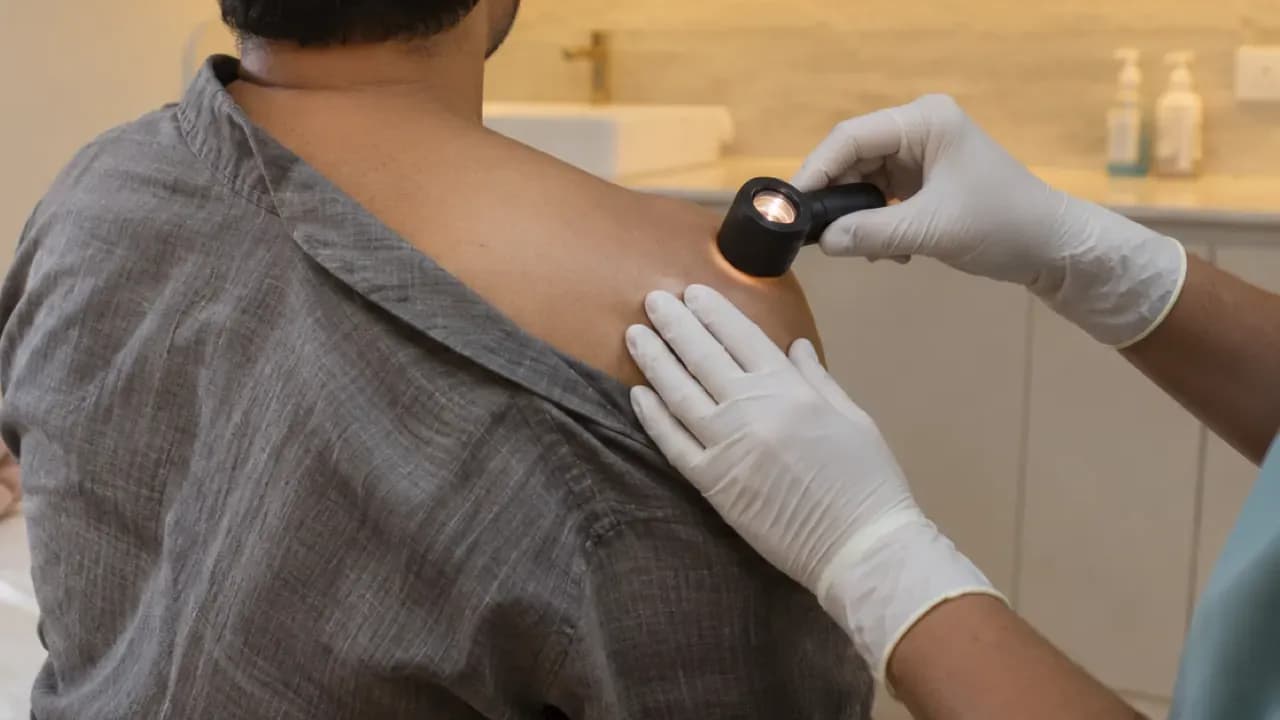
Wart removal: what a doctor can treat, and why warts come back.
A wart is a viral skin infection, so removing one does not remove the virus. A doctor confirms what it is, then weighs freezing, heat, laser or a topical course.
Two taps, then WhatsApp. A doctor reviews your history before any treatment is suggested.
4.9 from 1,238 Google reviews(Delhi centre)Doctor-led since 2004
Wart Removal at a glance
- Cause
- A virus, HPV
- Types a doctor tells apart
- Common, plantar, flat, genital
- Methods a doctor weighs
- Freezing, heat, laser, topical
- Visits
- Often several
- Without treatment
- Many clear slowly
- Cost
- Set after examination
What these figures mean
- Cause
- Warts are an infection of the top layer of skin. Skin tags and moles are not infections and have their own page.
- Types a doctor tells apart
- The type, site and skin thickness decide the method. Genital and facial warts need a doctor first.
- Methods a doctor weighs
- No single method clears every wart, so the plan is matched to the wart and to you.
- Visits
- Warts can need repeat sessions and a review for recurrence.
- Without treatment
- In children about two-thirds clear within two years. In adults it can take 5 to 10 years (NICE).
- Cost
- It depends on the type, number, size, site and method. Your doctor confirms it in writing before you begin.
Updated
The short answer
Warts are a viral skin infection caused by human papillomavirus (HPV), so a doctor confirms what the growth is before choosing how to treat it. Freezing, radiofrequency or electrocautery, CO2 laser and topical courses are the options a doctor may weigh, and none clears every wart: they can return or need repeat sessions. Genital warts and warts on the face need a doctor's assessment, not wart paints or home treatment. Skin tags and moles are different growths, covered on their own page.
Is wart removal right for you, or can a wart wait?
Often suits
- Warts that are spreading, painful, catching on shoes or clothing or on a visible area, once a doctor has confirmed they are warts.
- Warts that have lasted for months and have not cleared with time or with a pharmacy wart paint.
- Plantar warts on the sole that hurt when you walk or press, which sit in thick skin and are harder to reach.
- Flat warts in groups on the face, hands or legs, and small dimpled bumps that a doctor identifies as molluscum contagiosum, a different infection that is often mistaken for a wart.
May not suit
- A growth you are unsure about, or a dark, bleeding or changing spot that might be something other than a wart. It needs examination, and a biopsy where a doctor advises it, before any treatment.
- Anyone planning to treat genital, anal or facial warts with home remedies or shop-bought wart paints. These areas need a doctor's assessment first.
- Skin that is infected, broken or irritated at the site, or a diabetic foot or poor circulation in the leg. Tell your doctor so the plan can be adjusted.
2 more reasons
- A weakened immune system, for example after an organ transplant or on immune-suppressing medicines. Warts can be more widespread and persistent, and need a doctor-led plan.
- Pregnancy or breastfeeding. Many treatments are deferred, and a doctor decides what is suitable.
Wart removal methods: freezing, radiofrequency, laser and topical
A wart is an infection of the top layer of skin by human papillomavirus (HPV). The virus enters through tiny breaks in the skin and makes the surface cells multiply, which is why a wart is firm and rough. It spreads by touch and shared surfaces, to other parts of your own skin and to other people, and it can stay in nearby skin that looks normal, which is the main reason warts return. The types differ: common warts on the fingers and knees, plantar warts on the sole, flat warts in groups on the face, hands and legs, and genital warts, which spread by close skin contact, including sex. A doctor may weigh four approaches. Freezing with liquid nitrogen destroys the wart with cold. Radiofrequency or electrocautery removes it with heat under local anaesthetic. CO2 laser vaporises it. Topical treatments such as salicylic acid peel it away over weeks. For stubborn or widespread warts a doctor may also consider immune approaches that prompt the body to respond to the virus, where good-quality evidence is limited. In Indian skin (Fitzpatrick III to V), freezing, heat and laser can leave a dark or pale mark, and some people form raised keloid scars, so the method is chosen with care.
How care runs at Clinic Eximus
The same order for everyone, so nothing is decided before the cause is clear.
Step 1
Confirm it is a wart
Your doctor asks how long the growth has been there, whether it has spread or changed, and about your skin and health. Warts, corns, moles, skin tags and molluscum look alike to the eye, so the growth is examined closely, with magnification where needed.
Step 2
Treat it or leave it
A harmless wart can be left to clear. If treatment suits you, the doctor weighs the type, number, site, your age, your skin and your immunity. Genital and facial warts are assessed with extra care and in private.
Step 3
A written plan with the price
The plan names the method and why, how many sessions to expect, aftercare, and the price. Nothing is done until you agree.
Step 4
Treatment, aftercare and review
The skin is cleaned and numbed where needed, then the wart is treated. You receive written aftercare for the blister, crust or small wound. Warts are reviewed for recurrence, and further sessions are planned if needed.
What the research says
Published studies and guidelines, linked so you can read them yourself. Evidence is not a promise for any one person.
66% of children in 2 years. NICE reports that in children about 50% of warts clear within a year, two-thirds within two years and about 90% within five years. In adults they clear more slowly and may last 5 to 10 years, so treatment is a choice, not an emergency. (NICE Clinical Knowledge Summaries: warts and verrucae, prognosis, 2024) opens in a new tab
85 trials · 8,815 people. In 85 trials of 8,815 people, salicylic acid cleared warts more often than placebo, while freezing showed no clear advantage over placebo overall. Freezing hard worked better than freezing gently, at the cost of more pain, blistering and scarring. (Topical treatments for cutaneous warts, Cochrane Library (PMC10334969), 2021) opens in a new tab
229 people · plantar warts. In 229 people with plantar warts, only 14% had cleared all their warts at 12 weeks, with either freezing or salicylic acid, and about a third said they had cleared at six months. The two treatments did equally well. Plantar warts are slow, whichever method is used. (Cryotherapy versus salicylic acid for plantar warts: randomised controlled trial, BMJ, 2011) opens in a new tab
4 more studies
Indian guidelines · radiofrequency. Indian dermatology guidelines list warts, molluscum contagiosum and skin tags among the conditions treated with radiofrequency electrosurgery, done in clinic under local anaesthetic with little damage to the tissue around it in trained hands. They also note that darkening of the skin can follow in Indian skin. (Standard guidelines for electrosurgery with radiofrequency current, Indian Journal of Dermatology, Venereology and Leprology, 2009) opens in a new tab
160 people · genital warts. In 160 people with external genital warts, CO2 laser cleared 95% of lesions in one session against 46% with freezing, and warts returned in 2.5% against 18% over about three months. It is one trial with short follow-up, in genital warts only. (CO2 laser versus cryotherapy for genital warts: randomised trial, Iranian Journal of Microbiology (PMC3507308), 2012) opens in a new tab
UK guideline · 2024. The UK national guideline for anogenital warts in adults sets out diagnosis, treatment and health promotion for warts on the genitals and around the anus, treated as a condition for a clinician to assess rather than for self-treatment. (BASHH national guideline for the management of anogenital warts in adults (PubMed 38456387), 2024) opens in a new tab
306 children · 13 months. In 306 UK children with molluscum contagiosum, a viral skin infection often mistaken for warts, the mean time to clear was 13.3 months, 30% had not cleared by 18 months, and 41% passed it to another child at home. (Time to resolution of molluscum contagiosum in children in the UK: community cohort (PubMed 25541478), 2015) opens in a new tab
We will tell you if wart removal is not the right first step for you.
From first visit to clear skin
Typical milestones from published studies and guidelines. Your doctor sets your own schedule.
Visit 1
Confirm it is a wart, check type and site, agree a plan
Treatment
Freezing, heat, laser or a topical course, numbed where needed
First days
A blister, crust or small wound; follow your written aftercare
Weeks
Repeat sessions if the wart persists, at intervals your doctor sets
Review
Check for recurrence and any dark or pale mark as skin settles
What to expect
- Warts can need several sessions. In the plantar wart trial only 14% had cleared all warts at 12 weeks with either freezing or salicylic acid, and about a third said they had cleared at six months.
- Warts can return, because the virus may stay in nearby skin. Treatment removes the visible wart, not the virus itself.
- Every destructive method leaves a small wound or crust, and a mark can follow. In Indian skin the mark can be dark before it fades over months.
- Stronger freezing works better than gentle freezing but causes more pain and blistering, so the aim is a balance your doctor explains.
- Waiting is also a choice. Many warts clear on their own, more slowly in adults.
Side effects and safety
- Warts are contagious. Do not pick, bite, scratch or shave over them. Wash your hands after touching one, keep towels and razors separate, and cover a plantar wart in communal showers and changing rooms.
- Do not cut, burn or dig at a wart, and avoid home remedies such as acids, garlic, vinegar or nail varnish. They can burn healthy skin, infect the wart and scar, without removing the virus.
- Genital and anal warts are common and nothing to be ashamed of. They need a doctor early and in private, a partner may need to be checked as well, and wart paints made for hands and feet must never be used on genital skin.
- Warts on the face, eyelids and lips are treated with extra care, because scarring and pigment change show most there.
- Indian skin (Fitzpatrick III to V) is more prone to dark marks after freezing, heat and laser, and some people form keloid scars. Tell your doctor if you or your family have formed keloids, and use sun protection on healing skin.
- See a doctor if a wart bleeds without an injury, changes quickly, is painful, spreads, is in a private area, or you are unsure it is a wart. Redness that spreads, pus or fever after treatment needs a prompt review.
Wart removal cost in Delhi and Noida
Your cost depends on the cause and the plan your doctor writes, which shows the full price before you begin.
What changes the cost
- The type of wart: common, plantar, flat or genital, and whether it is molluscum instead.
- How many warts are treated, and their size and thickness.
- The site: the face, eyelids and genitals need more care than the hands.
- The method chosen, and whether it is one session or a course, as warts often need several.
- Numbing, and any aftercare products your doctor advises.
- Review visits, including a check for recurrence.
Questions people ask
How much does wart removal cost in Delhi?
There is no single price, because warts differ. Cost depends on the type of wart, how many there are, their size and site, the method chosen, whether you need numbing, and how many sessions and review visits the wart needs. Prices listed online vary widely, and a quote given without an examination is not reliable. Your doctor confirms the plan and final price in writing at consultation.
Why do warts keep coming back after removal?
The virus can stay in nearby skin that looks normal, so removing the visible wart does not remove the infection. Trials show no treatment clears every wart, and some need repeat sessions. Picking, scratching or shaving over a wart can spread it. A doctor reviews you after treatment, and some warts clear slowly on their own as your immune system responds.
Are warts contagious, and how do I stop them spreading?
Yes. Warts spread by touch and through shared surfaces such as towels, razors and wet communal floors, and you can spread one to other parts of your own skin. Do not pick, bite or shave over a wart, wash your hands after touching it, keep towels separate, and wear sandals in communal showers if you have a plantar wart. Warts on the face or genitals need a doctor, not home treatment.
Is freezing, radiofrequency or laser better for warts?
No single method is better for every wart. In 85 trials, freezing showed no clear advantage over placebo overall, though freezing hard worked better than freezing gently at the cost of more pain and blistering. Radiofrequency and CO2 laser remove a wart with heat, and are options a doctor weighs for stubborn or larger warts. Your doctor chooses by type, site, number and your skin.
Can I remove a wart at home?
Salicylic acid paints and plasters from a pharmacy have trial support for common warts on the hands and feet, and are usually used over weeks. Cutting, burning, garlic, vinegar or nail varnish are not advised: they can burn healthy skin, cause infection and scarring, and do not remove the virus. Never use a wart paint on the face or genitals. See a doctor if a wart lasts for months or you are unsure it is a wart.
What are the types of warts, and are they treated differently?
Common warts are rough bumps on the fingers, hands and knees. Plantar warts sit on the sole and can hurt when you walk. Flat warts are small smooth bumps in groups on the face, hands or legs. Genital warts are on or near the genitals. The type, site and thickness of the skin change which method a doctor chooses, so the type is confirmed before any treatment.
Do genital warts need to be seen by a doctor?
Yes. Genital and anal warts are caused by HPV, are common, and are nothing to be ashamed of. They need a doctor's assessment, and treatment differs from hand and foot warts: shop-bought wart paints must never be used on genital skin. A partner may need to be checked as well. The UK national guideline sets out diagnosis, treatment and health promotion for adults.
Is molluscum contagiosum the same as a wart?
No. Molluscum contagiosum is a skin infection caused by a pox virus, not HPV. It shows as small, smooth, dome-shaped bumps, often with a dimple in the middle, and spreads by touch. It often clears without treatment but slowly: in 306 UK children the mean time to clear was 13.3 months. A doctor confirms which you have, and may leave it, treat it or remove the bumps.
Does wart removal leave a scar?
It can leave a mark, because freezing, heat and laser make a small wound that heals. Stronger freezing causes more blistering and scarring. In Indian skin the mark can be dark before it fades over months, and some people form raised keloid scars, so tell your doctor if you have. A doctor explains the risk for your site and gives written aftercare to reduce it.
Will warts go away on their own?
Often, but slowly. NICE reports that in children about 50% of warts clear within a year, two-thirds within two years and about 90% within five years. In adults they clear more slowly and can last 5 to 10 years. Treatment is a choice, not an emergency, unless the wart is painful, spreading, on the face or genitals, or your immune system is weakened.
Read next
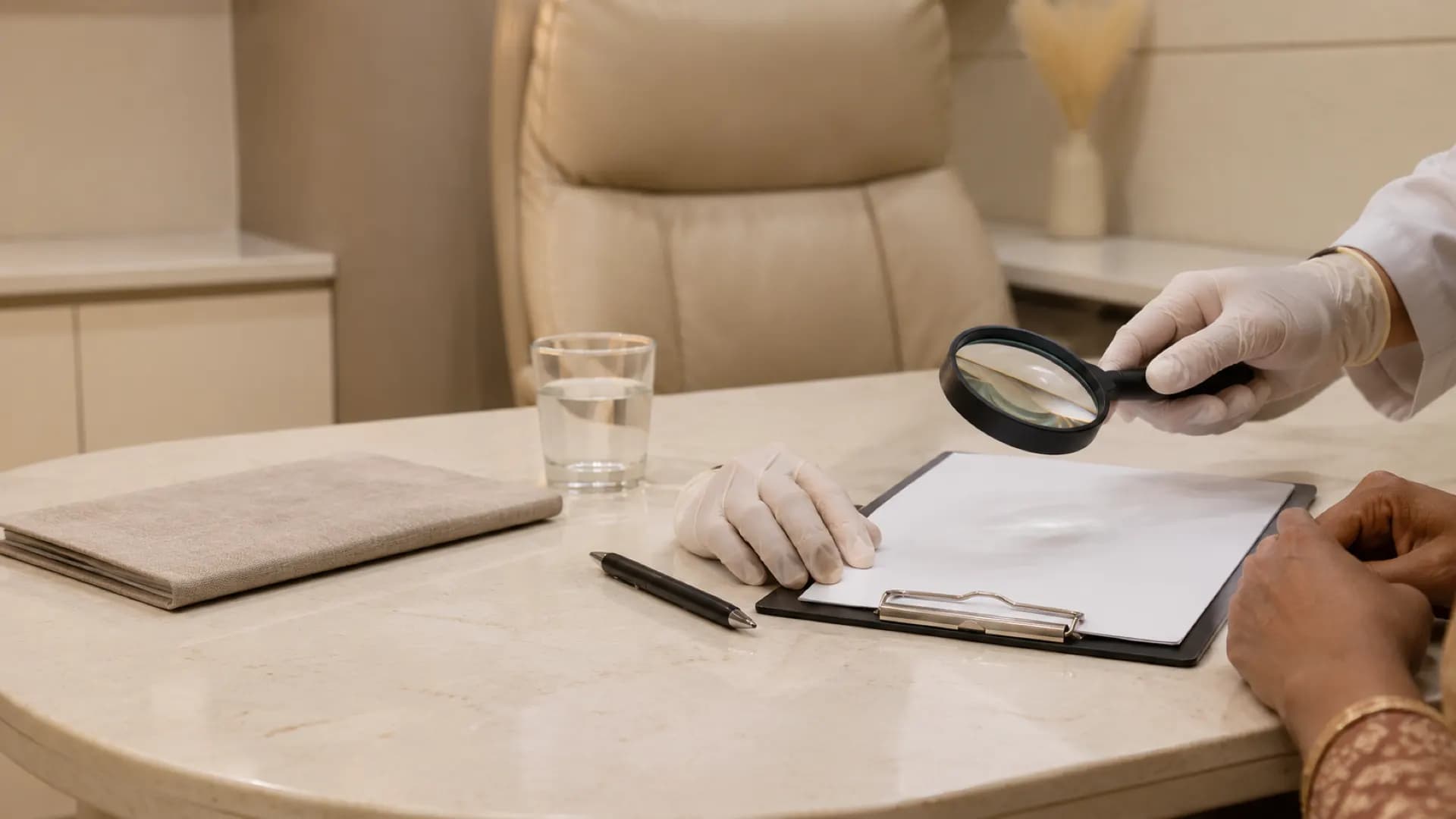
Article
Molluscum Contagiosum: Causes, Spread and Treatment
What the pearly, dimpled bumps are, how they spread, why most clear alone and which options a doctor may weigh. To have a bump examined, see our wart page.
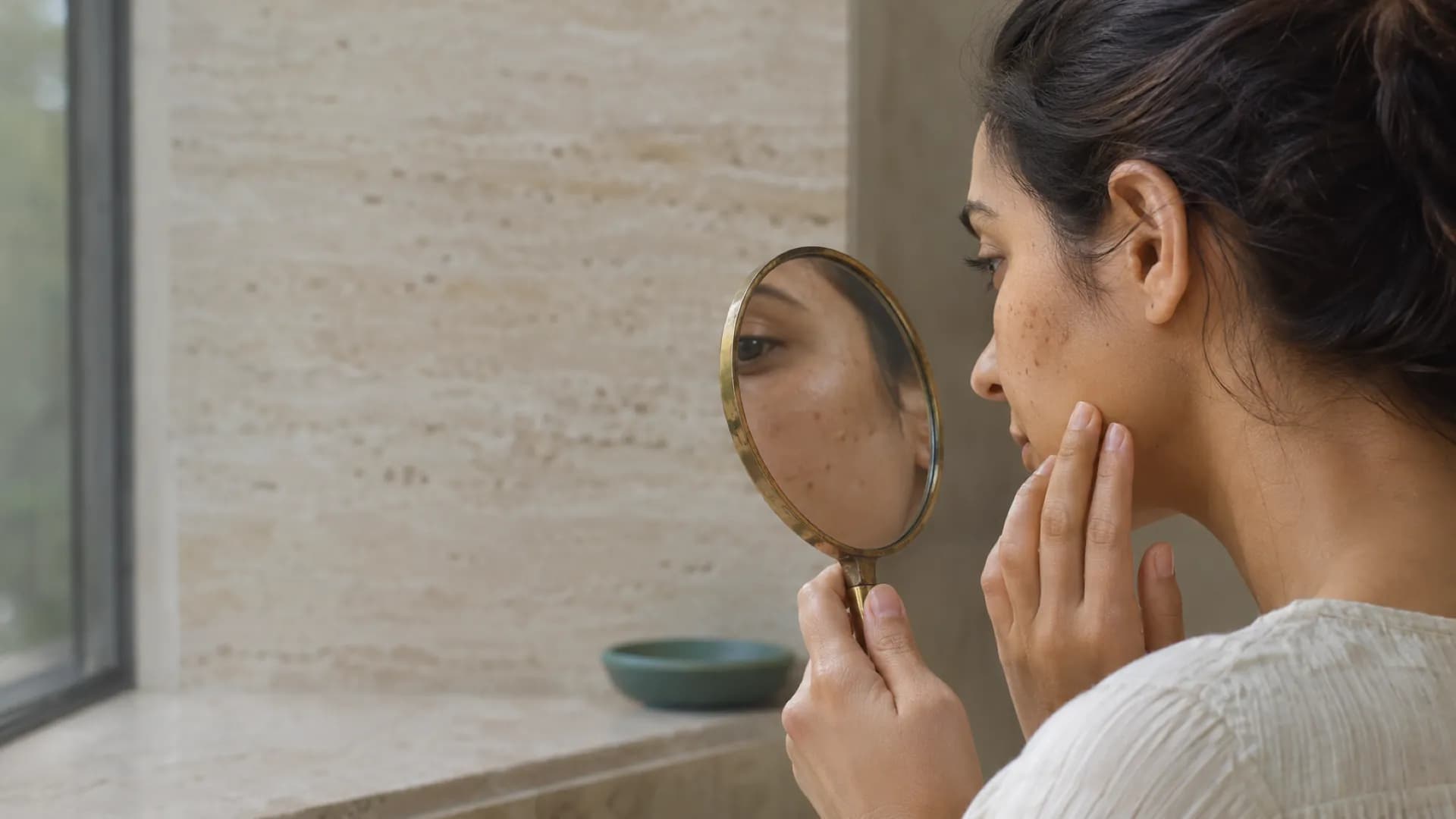
Article
Dark Spots on Face: Causes, Types and What Helps
How to tell sun spots, marks left by acne and melasma apart, why depth in the skin matters, and what a doctor may suggest.
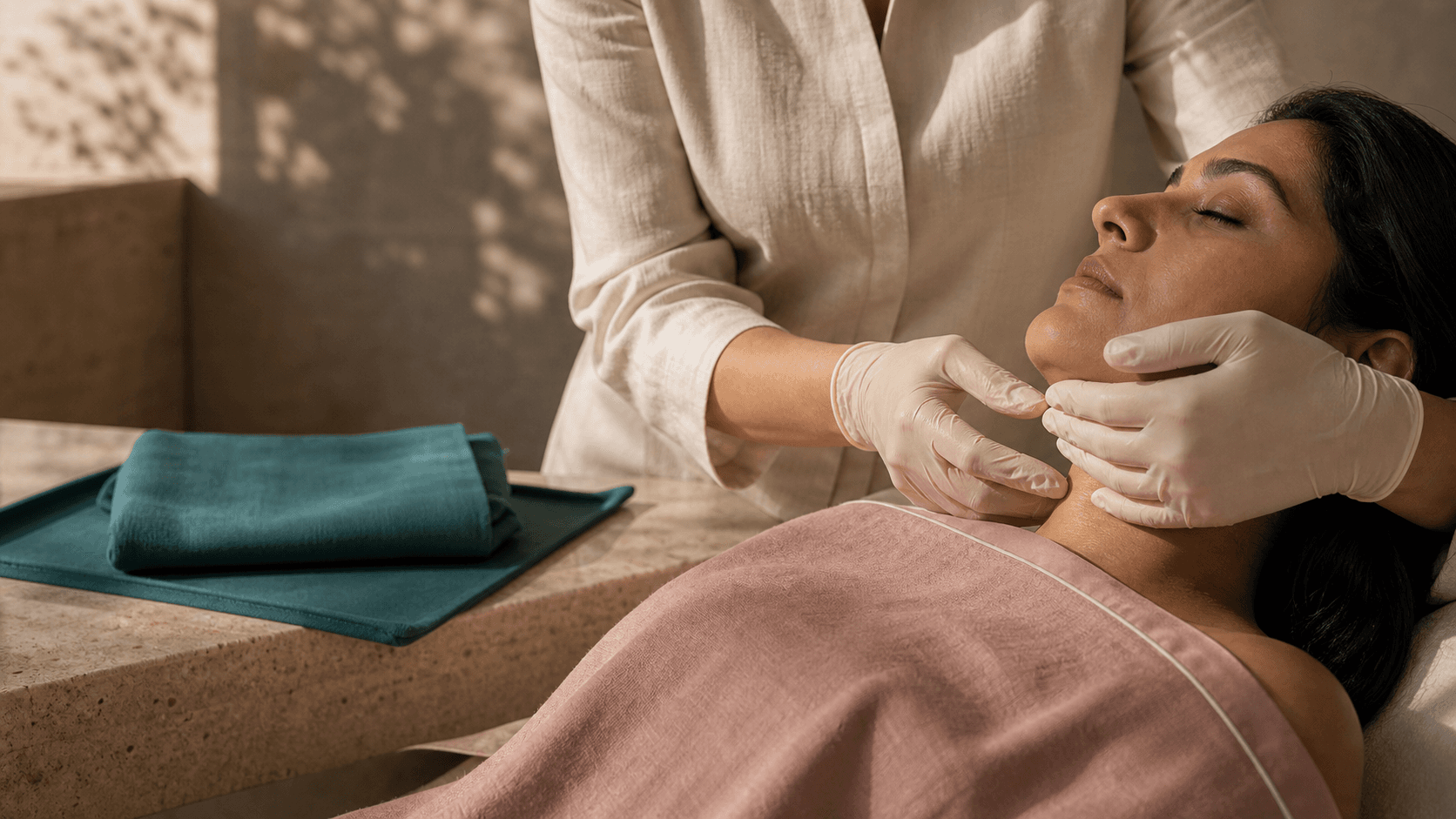
Article
Is Laser Lip Treatment Safe for Indian Skin?
Laser lip treatment is usually well tolerated in small studies, but cold sores, patchy colour and darkening on Indian skin are real risks. Who should wait.
Article
Pimple Treatment: Options, What Works, and When to See a Doctor
What helps active acne, what does not, which medicines are a doctor's decision and how to avoid scars. For marks and dips that remain, see acne scar treatment.

Know it is a wart before you choose how to treat it.
A doctor looks at your skin and your goals, then writes a plan with the full price before you begin.
Choose aesthetic care, a centre and a time
Two taps. Nothing is stored on the website.
Your message opens in WhatsApp
You send it yourself and can add anything for the doctor.
The team confirms your visit
Your doctor reviews your history before suggesting anything.
4.9 from 1,238 Google reviews(Delhi centre)Doctor-led since 2004