
Lip care
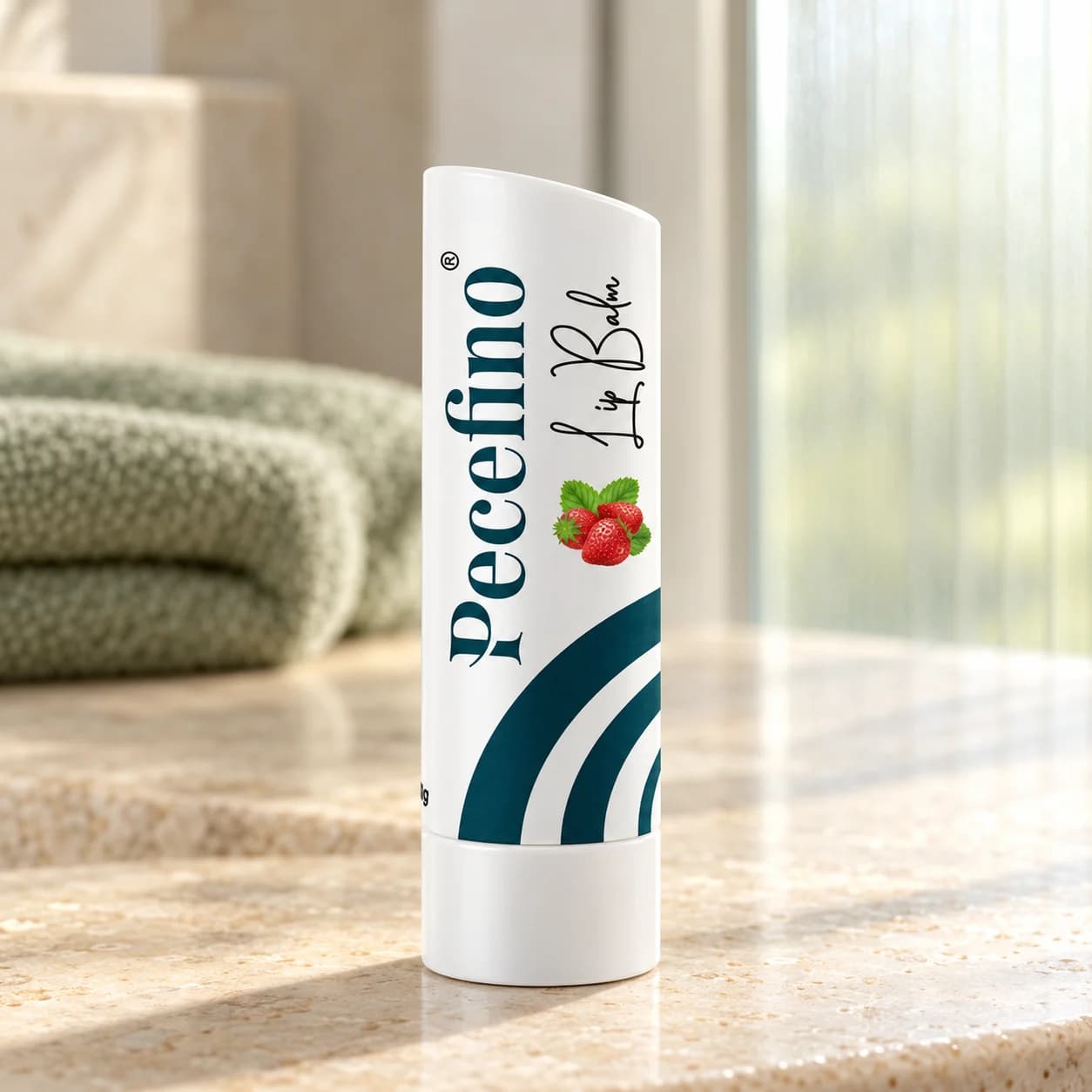
Pecefino Lip Balm
Moisturising lip balm for dry, chapped lips, with tocotrienol, avocado butter and beeswax.
₹135View details
10% off all products · Free Delhi NCR delivery on ₹1,499+Shop now
A guide to the procedure. The laser aims at pigment in the lip lining, and studies describe one to five sessions, moderate gains for many people and uneven colour for some. For causes and other options, see lip pigmentation treatment.
Two taps, then WhatsApp. A doctor reviews your history before any treatment is suggested.
4.9 from 1,238 Google reviews(Delhi centre)Doctor-led since 2004
Clinic Eximus price. Your doctor confirms the plan and final price at consultation.Updated
Laser lip treatment uses very short pulses of light that pigment in the lip lining absorbs and breaks up, so it fades over the following weeks. Studies, mostly of Q-switched Nd:YAG lasers, describe moderate to good lightening in many people after one to five sessions, and also uneven colour, blisters and cold sore flares in some. Your doctor decides whether laser, a peel or gentle care suits your cause and skin.
Lip colour comes from melanin in the pigment cells of the lip lining. A laser sends very short pulses of one wavelength of light that melanin absorbs, and the energy breaks the pigment into fragments that the body clears over the following weeks. The lip studies used Q-switched Nd:YAG lasers at 532 nm (the most common), a low-fluence Q-switched Nd:YAG at 1064 nm, and a 755-nm picosecond laser. In a randomised trial, 532 nm lightened more, and the low-fluence 1064 nm caused fewer side effects. The lip lining is thin and Indian skin is rich in melanin, so energy, spot size and gaps are kept cautious and a test spot comes first. Which device, if any, suits your lips is decided at consultation.
A schematic, not to scale. The studies used different lasers and settings, and your doctor decides whether a laser suits your lips, which device and which settings.
The same order for everyone, so nothing is decided before the cause is clear.
Step 1
Your doctor looks for the cause, and asks about cold sores, medicines, recent tanning, scarring and pregnancy. Anything unusual about the pigment is investigated first, and the options, including a peel or gentle care alone, are discussed.
Step 2
A small area is treated first and watched. A test spot cannot rule out every reaction, but it is a sensible check on brown skin.
Step 3
Studies describe numbing cream before treatment. Your eyes are protected, and the laser is passed over the pigmented areas in short pulses, with settings your doctor chooses for your skin. Expect stinging and swelling afterwards.
Step 4
Use a bland, fragrance-free balm, leave flakes and crusts alone, do not scrub, and protect the lips from sun. Call early about blisters, spreading pain or tingling that could be a cold sore.
Step 5
Sessions are spaced weeks apart. At each review your doctor judges the colour, not the day-one swelling, and stops if the result is uneven or no longer worth continuing.
Published studies and guidelines, linked so you can read them yourself. Evidence is not a promise for any one person.
30 people · randomised trial. In a randomised, evaluator-blinded trial of 30 people with hyperpigmented lips, five sessions of low-fluence 1064-nm laser two weeks apart were compared with a single session of 532-nm laser. The 532-nm group had the greater fall in melanin index and better photographs, and scaling, hypopigmentation, blisters, post-inflammatory darkening and lip swelling occurred only in that group. (Low-fluence Q-switched Nd:YAG 1064-nm laser versus Q-switched Nd:YAG 532-nm laser in the treatment of hyperpigmented lips: a randomized, evaluator-blinded trial, Lasers in Medical Science (PubMed 31177406), 2020) opens in a new tab
30 people · 30% excellent. In 30 people with physiological lip hyperpigmentation reviewed after 532-nm treatment, with one to three sessions and at least six months of follow-up, 30% had an excellent response (over 75% improvement) and 37 to 43% a good one, depending on who rated it. Most needed one session. Two had a herpes flare and three had mottled lighter patches, with no lasting darkening or scarring. (Q-switched 532 nm Nd:YAG laser therapy for physiological lip hyperpigmentation: novel classification, efficacy, and safety, Journal of Dermatological Treatment (PubMed 32748662), 2022) opens in a new tab
24 people · 25% mottling or worse. In a pilot of 24 people treated with a 532-nm laser, 14 (58.3%) showed moderate to excellent improvement, 4 (16.7%) mild or none, and 6 (25%) worsening or mottling. The average photo score fell by about 10%, which was not statistically significant, and the authors call for larger, longer studies. (Efficacy and safety of Q-switched double-frequency 532-nm Nd:YAG laser in the treatment of lip hyperpigmentation: a pilot study, Journal of Clinical and Aesthetic Dermatology (PubMed 34840645), 2021) opens in a new tab
20 people · 2.5 sessions average. In a prospective study of 20 people with lip melanosis, a 532-nm laser was used after a test spot at 4-week gaps. Seven (35%) cleared more than 75%, seven (35%) had a good response, and 20% a moderate or mild one. Two relapsed within 3 months, and no scarring was seen. The average was 2.5 sessions. (Efficacy of 532-nm Q-switched Nd:YAG laser in the treatment of lip melanosis, Journal of Cutaneous and Aesthetic Surgery (PubMed 34566363), 2021) opens in a new tab
20 people · 5 picosecond sessions. In 20 people in Thailand, five sessions of a 755-nm picosecond laser two weeks apart gave moderate improvement in 52.6% of cases by clinical rating at 6 months, and 70% of people reported moderate to marked improvement. One person had transient lip swelling. The study was small and had no comparison group. (The efficacy and safety of a 755-nm picosecond laser in the treatment of physiologic lip hyperpigmentation in Thai patients, Dermatologic Surgery (PubMed 36037096), 2022) opens in a new tab
14 studies · only sunscreen worked. A systematic review of 14 studies (369 cases, all Asian, almost all after laser) found sunscreen was the only measure that consistently prevented post-inflammatory darkening. Topical steroids and oral tranexamic acid did less well, and cooling air devices made darkening worse. It was not specific to lips. (Prevention of post-inflammatory hyperpigmentation in skin of colour: a systematic review, Australasian Journal of Dermatology (PubMed 39953770), 2025) opens in a new tab
Guideline · screen for cold sores. A guideline on herpes simplex and cosmetic procedures says reactivation after a procedure is considered rare but there are no reliable figures. It advises screening for a history of cold sores, a plan for preventive medicine where needed, and a documented plan if a flare occurs. (Guideline for the management of herpes simplex 1 and cosmetic interventions, Journal of Clinical and Aesthetic Dermatology (PubMed 34976293), 2021) opens in a new tab
Most benign; some need biopsy. A 2025 review says most pigmented lesions of the mouth and lips are benign, but they need a careful examination and sometimes a biopsy, because rare lesions such as mucosal melanoma can look similar. This is why a laser is considered only after a doctor has looked at the pattern. (Pigmented lesions of the oral mucosa: clinical presentation, histology, and recommendations for management, American Journal of Clinical Dermatology (PubMed 40369390), 2025) opens in a new tab
We will tell you if laser lip treatment is not the right first step for you.
Typical milestones from published studies and guidelines. Your doctor sets your own schedule.
Before
Cause check; smoking and licking reduced; bland balm and sun protection
Test spot
A small area is treated; your response guides the settings
Session day
Short pulses under numbing cream; swelling and tenderness follow
First week
Dryness, peeling or thin crusts; no picking; sun protection
2 to 4 weeks
Next session or review; judge the colour, not day-one swelling
₹2,499
per session for lip treatment
Clinic Eximus price. Your doctor confirms the plan and final price at consultation.
Care to use between visits, chosen by the clinic. Confirm the right one with a doctor.
Lip care
Moisturising lip balm for dry, chapped lips, with tocotrienol, avocado butter and beeswax.
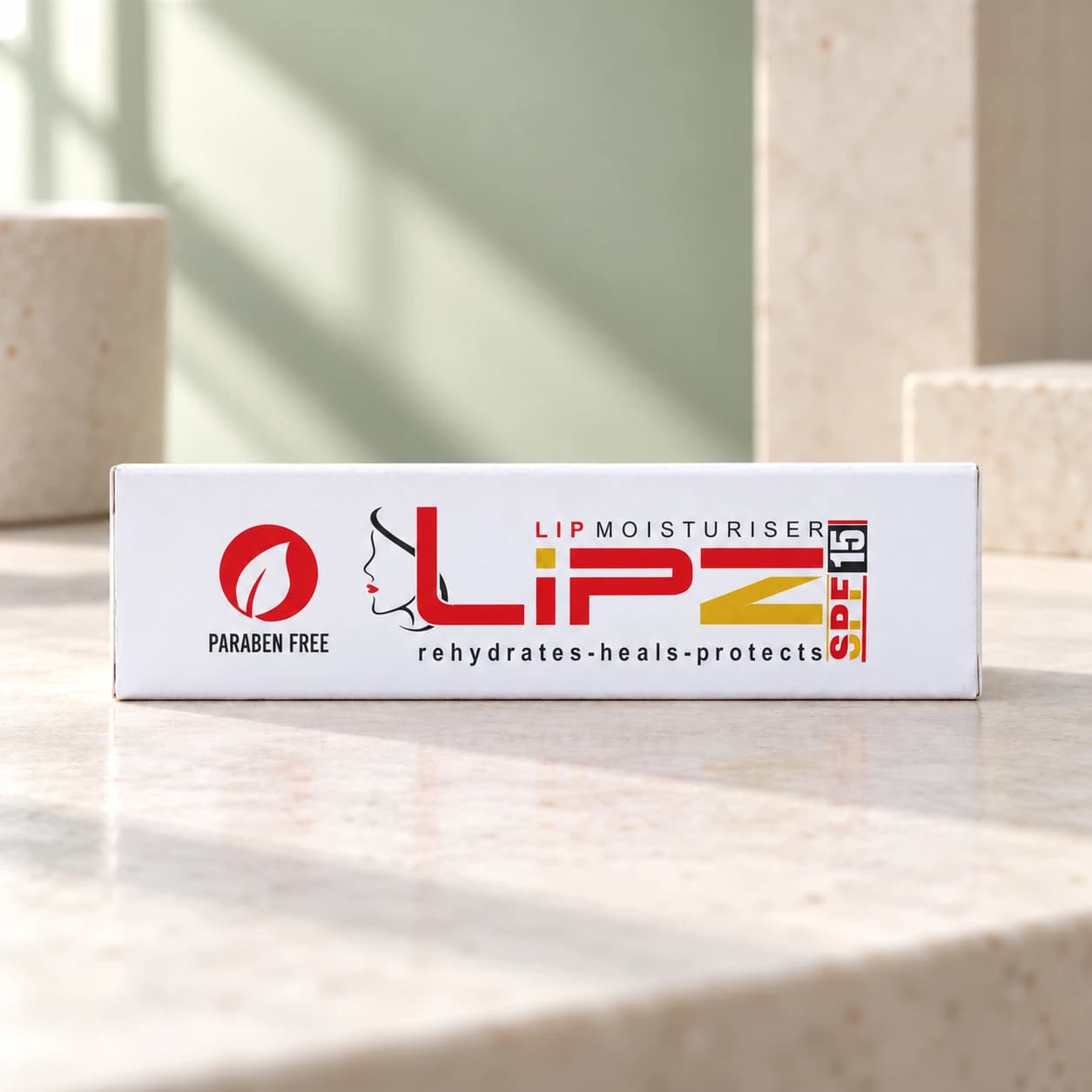
Orders are confirmed on WhatsApp. There is no online payment.
At Clinic Eximus, lip treatment costs ₹2,499 per session, and a lip peel costs ₹2,000 to ₹3,000 per session. Studies used one to five laser sessions, so ask your doctor for an estimated range and compare the cost of the whole plan, not one session. Clinic Eximus confirms the number of sessions, the method and the final price in writing after the consultation.
A laser sends very short pulses of light that melanin, the pigment in the lip lining, absorbs. The energy breaks up the pigment so the body can clear it over the following weeks. Lip studies mostly used Q-switched Nd:YAG lasers, with settings kept low because the lining is thin and Indian skin carries more melanin. Your doctor decides if a laser suits your cause and skin.
Studies used between one and five sessions. A review of 30 people found most needed only one, another study averaged 2.5 sessions, and a randomised trial gave five sessions two weeks apart with a low-fluence 1064-nm laser. Gaps of two to four weeks are described. Your doctor estimates a range after a test spot and reviews the colour after each session before deciding on more.
It can be reasonable when the cause is understood, a test spot comes first and settings are cautious, but there is a real risk of uneven colour. Indian skin (Fitzpatrick types III to V) is more prone to darkening after lasers, and a review found only sunscreen consistently prevented it. In a 24-person pilot, one in four had worsening or mottling. Unsupervised salon or home devices raise the risk.
Expected effects are swelling, tenderness, dryness, peeling and thin crusts for days. Less often there are blisters, scaling, patchy lighter or darker colour and cold sore flare-ups: two of 30 people in one study had a herpes flare and three had mottled lighter patches. No scarring was reported in the studies cited, though they were small. Contact the clinic for severe pain, spreading blisters, pus or fever.
Studies describe numbing cream before treatment, and one pilot recorded a pain score of about 4 on its scale. Your doctor explains the steps, protects your eyes and treats a small test spot first, then passes the laser over the pigmented areas in short pulses. The lips are usually swollen and tender for days afterwards, and a bland balm and sun protection follow.
A peel lifts the surface layer and a laser targets the pigment, so they act differently. A peel costs ₹2,000 to ₹3,000 per session at Clinic Eximus and works gradually, but studies of peels for lips are scarce. Lasers have more lip-specific studies, all small, and a higher risk of uneven colour. Your doctor chooses by cause, depth and skin tone, and may advise gentle care alone first.
They can. Two of 20 people in one laser study relapsed within three months, and colour tends to return if smoking, sun, licking or an irritating product continues. Daily sun protection on the lips, a bland balm and removing the cause give the result a better chance to last. Ask for a review visit if the colour starts to come back.
No, wait. An active cold sore or cracked, infected lips should heal first, and if you get cold sores your doctor may consider preventive medicine, because laser can trigger a flare. In pregnancy and breastfeeding a doctor decides, and treatment is usually deferred. Tell your doctor about every medicine and any recent tan, as these change the plan.
Article
Laser lip treatment is usually well tolerated in small studies, but cold sores, patchy colour and darkening on Indian skin are real risks. Who should wait.
Article
Laser lip treatment is ₹2,499 a session at Clinic Eximus and a lip peel ₹2,000 to ₹3,000. What decides your total, and how to compare quotes fairly.
Article
How to choose a lip balm for dark and dry lips: sun protection, hydration, gentle exfoliation, ingredients to skip and a simple morning and night routine.
A doctor looks at your skin and your goals, then writes a plan with the full price before you begin.
Choose aesthetic care, a centre and a time
Two taps. Nothing is stored on the website.
Your message opens in WhatsApp
You send it yourself and can add anything for the doctor.
The team confirms your visit
Your doctor reviews your history before suggesting anything.
4.9 from 1,238 Google reviews(Delhi centre)Doctor-led since 2004