Lip balm for dark lips: what to look for, what to leave out, and a daily routine that starts with sun protection
How to choose a lip balm for dark and dry lips: sun protection, hydration, gentle exfoliation, ingredients to skip and a simple morning and night routine.
- Written by
- Clinic Eximus clinical team
- Updated
- Reading time
- 11 minutes
The short answer
No lip balm changes naturally dark lips, but the right one protects against the sun that keeps darkening them and keeps lips smooth, which is why this guide starts with sunscreen and hydration and not with lightening claims. It is a practical routine and ingredient guide, with no brands, for dark and dry lips. For causes and home remedies, read our dark lips guide; for treatment, see our lip lightening page.
In this article
- What a lip balm can and cannot do for dark lips
- Sun protection first: what to look for in an SPF lip balm
- Humectants, occlusives and emollients: how a balm hydrates, in plain terms
- Lip balm ingredient types for dark and dry lips: what they do and who may react
- Exfoliation: the step most likely to backfire
- Ingredients and products to leave out
- Overnight lip masks: what they are and how to use one safely
- A simple morning and night routine for dark and dry lips
- Who is likely to react, and how to test a new balm
- When a balm routine is not enough
- If you are thinking about treatment, start with the cost guide
- How a day of lip care fits together
- The takeaway
- Questions before you book
- Sources
What a lip balm can and cannot do for dark lips
A lip balm can do three useful things. It can protect the lips from ultraviolet light, which tans lips as it tans skin. It can keep them hydrated, so they look smoother and less flaky. And it can calm irritation, which matters because inflamed skin in brown skin tends to heal darker.
What a lip balm cannot do is change the colour you were born with. We found no clinical trial showing that a lip balm lightens lips, and the lip pigmentation trials we found tested lasers. Words such as lightening or brightening on a label are marketing, and they deserve a closer look at the ingredient list. A tinted balm adds colour while it is on; it does not change the lips underneath.
For the causes of dark lips and the home remedies that help or harm, our dark lips guide goes through them in full. This guide is the practical part: what to buy, what to leave out and how to use it.
Sun protection first: what to look for in an SPF lip balm
Sun protection is the one part of lip care with solid support. The American Academy of Dermatology advises a lip balm with SPF 30 or higher, and reapplying sunscreen every two hours outdoors and after swimming or sweating. The NHS suggests SPF 15 or more for sore or dry lips and for cold sore prevention, because sunshine can trigger cold sores. Choosing SPF 30 meets both.
Look for a balm that says broad-spectrum, which means it covers UVA as well as UVB, and reapply it after eating and drinking, since you wipe it off. The lower lip takes most of the sun, and DermNet notes that years of sun on the lower lip can cause actinic cheilitis. A hat and shade add to the balm and do not replace it.
For tan-prone brown skin the American Academy of Dermatology also recommends a tinted sunscreen with iron oxide, which helps protect against visible light, a cause of dark spots. That advice is for dark spots on skin and not specifically for lips, so treat it as a useful extra and not a rule.
Humectants, occlusives and emollients: how a balm hydrates, in plain terms
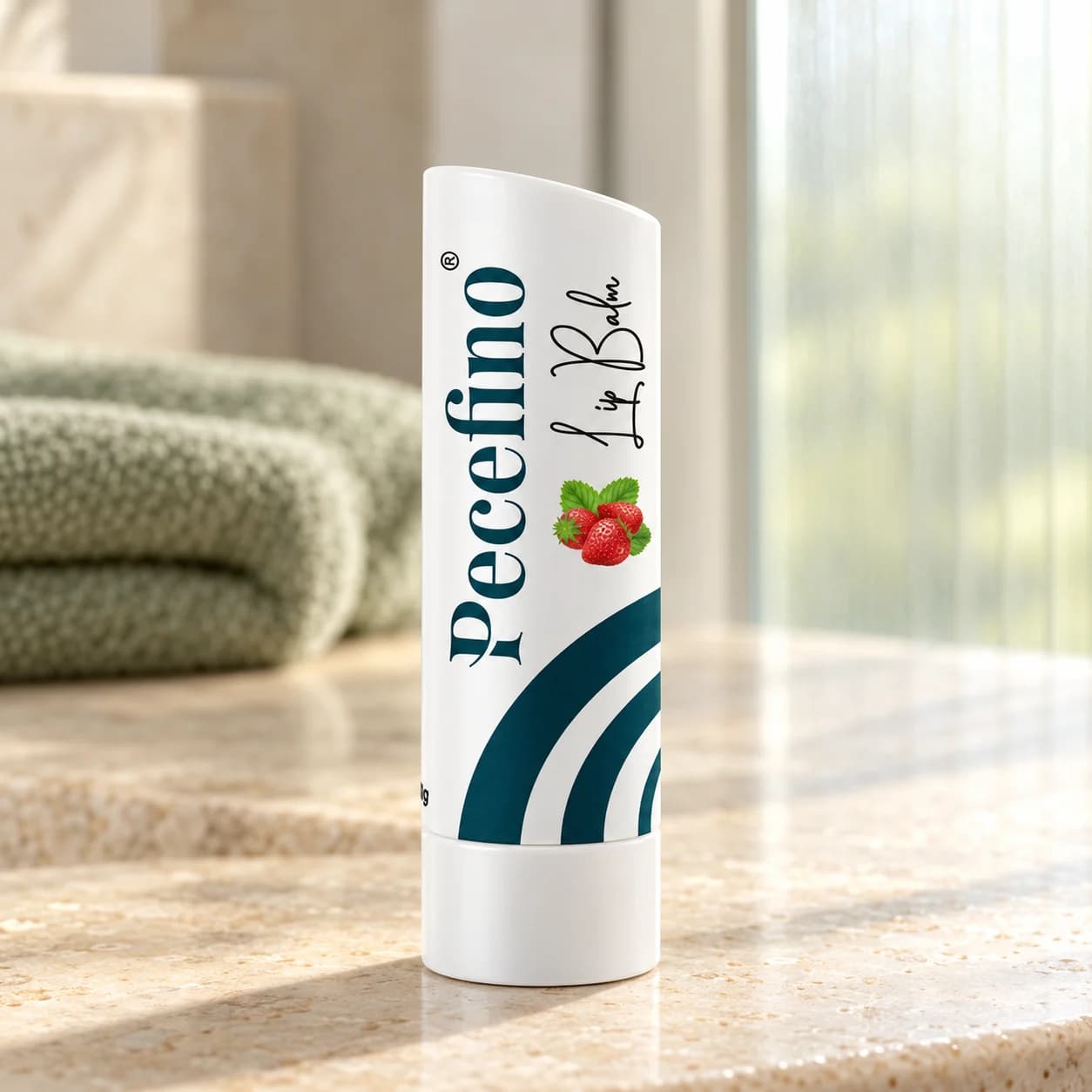
Most lip balms work with a few types of ingredient, and knowing which does what helps you read a label. Humectants, such as glycerin and hyaluronic acid, attract and hold water in the surface. Occlusives, such as petroleum jelly and waxes, seal the surface and slow water loss. Emollients, such as plant butters and oils, soften and smooth it.
The NHS suggests a lip balm containing petroleum jelly or beeswax for dry lips, and adds that some people are sensitive to fragrances, dyes or cosmetic ingredients, so it can help to try a few balms if one is not working. Dry lips usually respond well to a humectant under an occlusive layer, because a humectant alone can leave lips tacky in dry air. The table below sets out each type and who may react.
Lip balm ingredient types for dark and dry lips: what they do and who may react
| Compare | What it does | Who may react |
|---|---|---|
| Sunscreen filters (SPF 30 or higher) | What it doesBlock ultraviolet light so lips stop tanning | Who may reactSome filters can cause allergy; a case report describes allergic cheilitis from benzophenone-3 in a lip balm |
| Humectants, such as glycerin and hyaluronic acid | What it doesAttract and hold water in the surface of the lips | Who may reactRarely reactive. They can feel tacky, and are usually paired with an occlusive layer |
| Occlusives, such as petroleum jelly and waxes | What it doesSeal the surface and slow water loss | Who may reactPetroleum jelly is bland for most. Beeswax allergy is documented: 17 of 95 people in a Swedish study |
| Emollients, such as plant butters and oils | What it doesSoften and smooth the surface | Who may reactPossible allergy, especially to scented or essential oils such as peppermint |
| Fragrance, flavour, menthol and camphor | What it doesA pleasant smell or a cooling tingle | Who may reactCommon irritants. Skip them when lips are dry, sore or darkening |
General information from the sources below. Ingredient names describe types of ingredient, not products.
Exfoliation: the step most likely to backfire
Lip scrubs and exfoliating balms are popular for dark lips, and they are the step most likely to backfire. Gritty scrubs scratch thin lip skin. Acids and peeling products can sting and inflame it, and inflammation is what darkens Indian skin. The NHS advises against picking at or biting flaky lip skin because it slows healing.
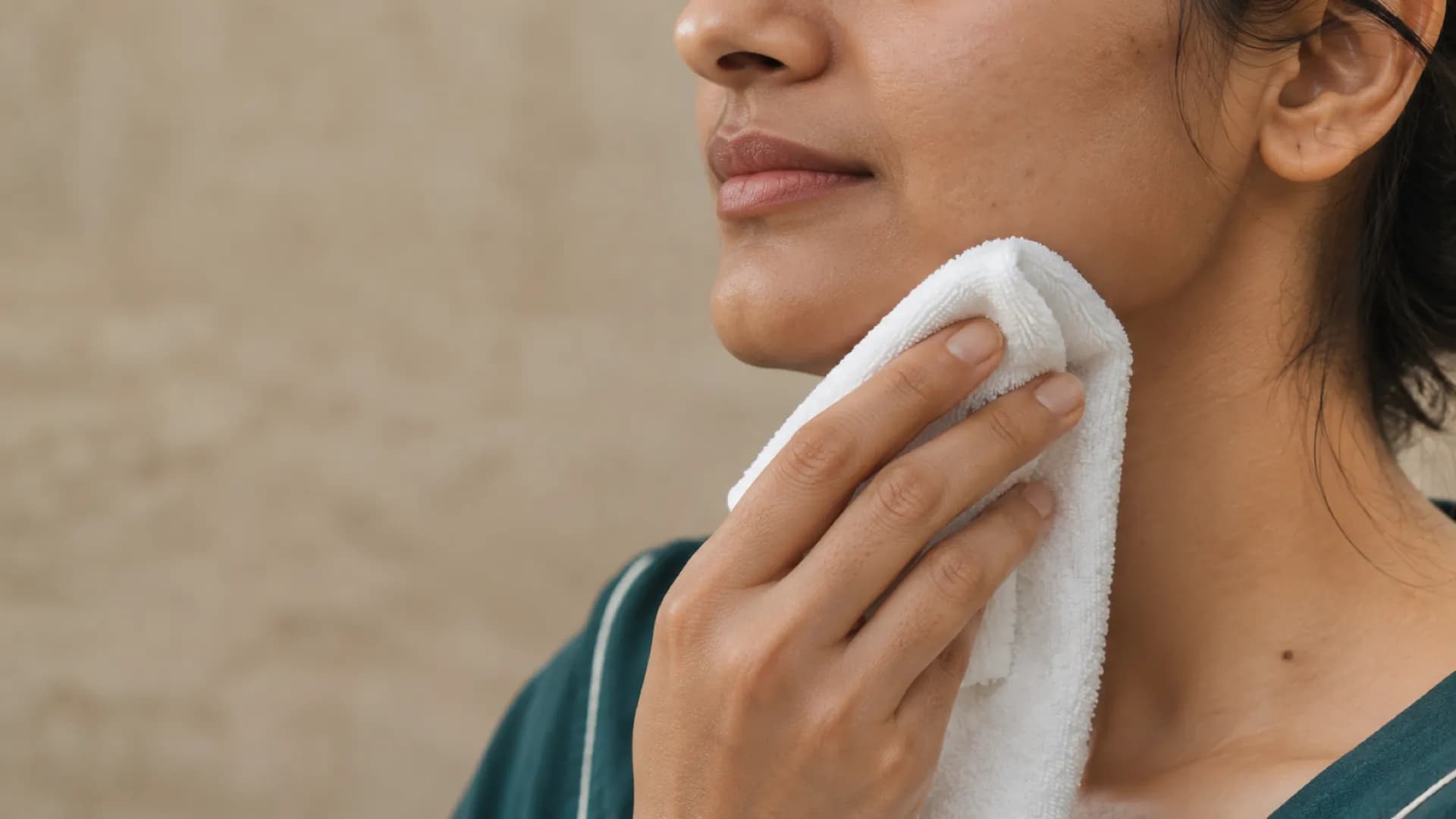
If lips are flaky, treat the cause: dryness, licking, a product reaction or sun. A soft, damp cloth removes loose flakes without scratching, and a plain balm does the rest. If flaking and cracks last for weeks despite a plain routine, that is a reason to see a doctor, because dry lips can be cheilitis from allergy, infection or another cause.
Ingredients and products to leave out
When lips are dry, darkening or sore, fewer ingredients is safer. These are the ones to skip.
- Fragrance, flavour and cooling or tingling agents: Menthol, camphor, eucalyptus, peppermint and added flavours can irritate. Allergic contact cheilitis from peppermint oil in a lip balm has been described in a case series of four people.
- Lip plumping and tingling products: The tingle is irritation, and irritation darkens Indian skin.
- Anything that promises lightening without an ingredient list: Skin-lightening products sometimes contain hidden steroid or mercury. In an Indian study of 2,926 people with facial skin conditions, 90.5% of those using a topical steroid had side effects, and the World Health Organization warns about mercury in some skin-lightening products. If you cannot read the ingredient list, do not use it.
- Lemon, toothpaste, baking soda and scrubs: They are irritants. Citrus can also cause a phototoxic burn in sunlight.
- Shared balms: The NHS advises against sharing lip balm because it can spread germs.
Overnight lip masks: what they are and how to use one safely
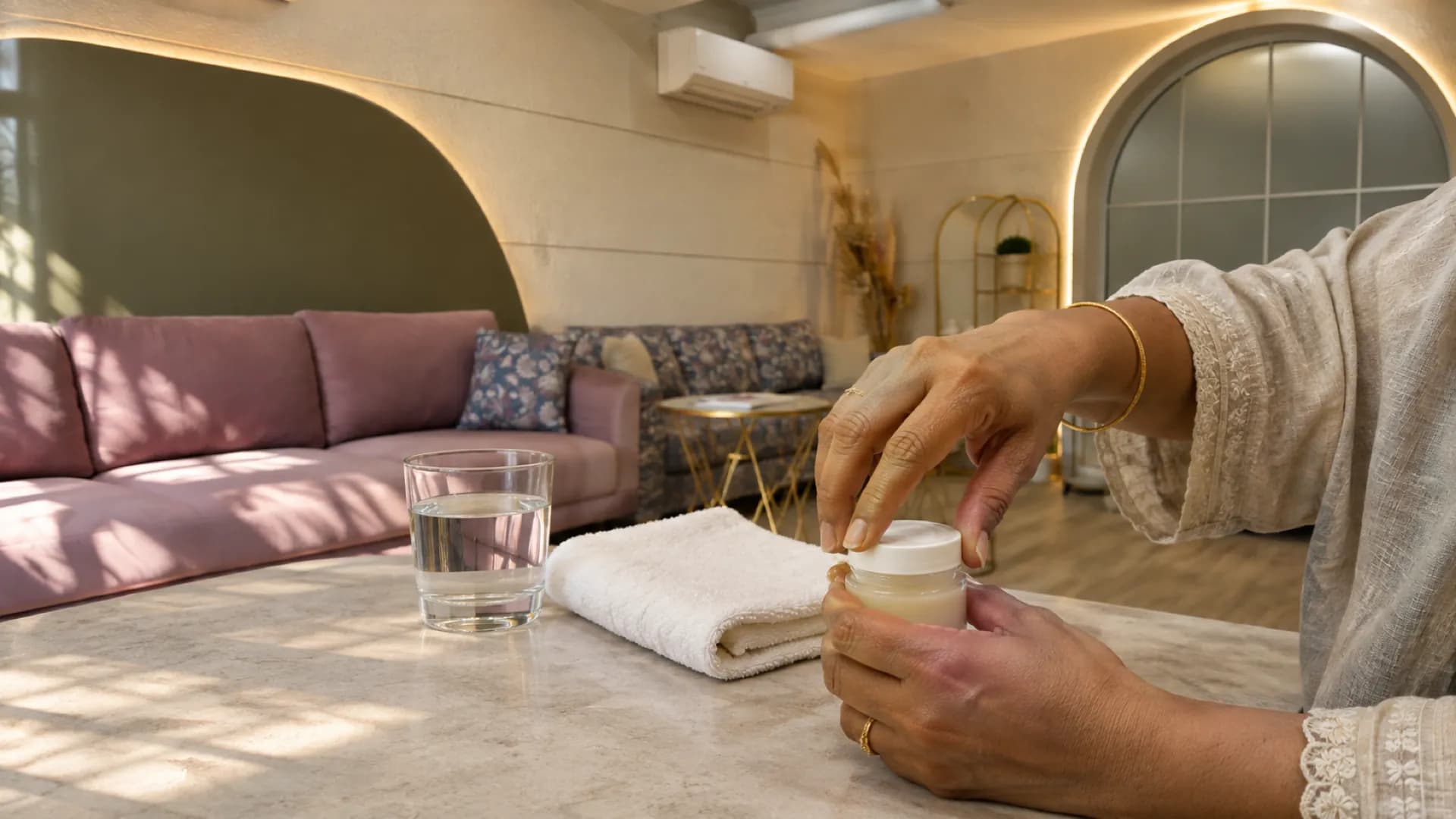
A sleeping lip mask is usually a thick balm that combines an occlusive with a humectant, applied at night so it stays on for hours. There is nothing special about the name: a plain, thick, fragrance-free balm does the same job. It hydrates and protects, and it does not lighten.
To use one safely, wash your hands, start with clean, dry lips and apply a thin, even layer. Try a new product on a small area, such as the inner forearm or just beside the lips, before using it on the lips, and introduce only one new product at a time so you know what caused a reaction. Do not use it over a cold sore, cracked or infected-looking skin, and stop at once if the lips tingle, burn or swell.
Reading about it helps. A doctor looking at your skin is what tells you which of this applies to you.
A simple morning and night routine for dark and dry lips
Keep it short, because every extra product is another chance to react. The steps below take less than a minute.
- Morning: Wash your hands, rinse your lips with water, pat dry and apply an SPF 30 lip balm. If lips are dry, put a thin layer of plain balm underneath first.
- During the day: Reapply SPF every two hours outdoors and after eating or drinking. Drink water, carry the balm, and do not lick or pick.
- Evening: Take off lipstick gently with a balm on a soft cloth, and do not rub. Rinse and pat dry.
- Night: Apply a thicker layer of plain balm or an overnight mask.
- Each week: Check what touches your lips. If irritation appears, stop one product at a time. Do not add a scrub.
Who is likely to react, and how to test a new balm
Lips react to products more often than people expect. A review of cheilitis and contact allergy notes that contact hypersensitivity is a frequent cause of cheilitis, and that cosmetic and hygiene products are the usual causes. A Swedish study of 95 people with lip or facial dermatitis found contact allergy to beeswax in 17 of them, and most of those also reacted to propolis. Case reports link a sunscreen filter in a lip balm to allergic cheilitis, and peppermint oil in a balm to the same.
You are more likely to react if you have eczema or sensitive skin, a history of contact allergy, allergy to bee products or fragrance, or lips that are already cracked or inflamed. DermNet says patch testing is the key to diagnosis, and that it should include a person's own products.
To test a new balm, use only one new product at a time, try it on a small area first, and stop if you notice itching, burning, swelling or redness. If your lips stay inflamed despite a plain routine, see a doctor who can look for the cause and arrange patch testing.
When a balm routine is not enough
A routine can do a lot for lips that are dry, flaky or sun-darkened, and little for natural colour. See a doctor first if the darkening is new, sudden, one-sided or changing, if it comes with spots on the gums, in the mouth, on the fingers or elsewhere, or with tiredness or dizziness. After that, if the colour still bothers you, a doctor can explain the clinic options. Laser lip treatment is ₹2,499 per session and a lip or under-eye peel is ₹2,000 to ₹3,000 per session at Clinic Eximus, and treatment is offered only if it suits your lips.
If you are thinking about treatment, start with the cost guide
Many people read about balms first and then ask what a clinic treatment costs. The cost guide explains how the total builds, how many sessions published studies used, and how to compare quotes across Delhi and Noida. A first visit at the Anand Vihar (East Delhi) or Sector 100 (Noida) centre looks at your products, habits and history before any treatment is discussed.
How a day of lip care fits together
Step 01 · Under a minute
Morning: protect
Rinse with water, pat dry and apply an SPF 30 lip balm, with a thin layer of plain balm underneath if lips are dry.
Step 02 · Every two hours outdoors
Daytime: reapply and leave alone
Reapply SPF after eating, drinking or sweating. Drink water and do not lick or pick, which slow healing and inflame the lips.
Step 03 · Before bed
Night: soften and seal
Remove lipstick gently, then apply a thicker layer of plain, fragrance-free balm or an overnight mask. Stop anything that stings.
The takeaway
Choose a lip balm by its job. An SPF 30 balm protects, a plain humectant and occlusive balm hydrates, and anything that tingles, smells strongly or promises lightening is worth leaving out. Natural lip colour does not change with a balm.
Sources
- American Academy of Dermatology: how to apply sunscreen (lip balm with SPF 30 or higher) (opens in a new tab)
- American Academy of Dermatology: how to fade dark spots in darker skin tones (opens in a new tab)
- NHS: sore or dry lips (opens in a new tab)
- NHS: cold sores (opens in a new tab)
- Fonseca et al., Art of prevention: practical interventions in lip-licking dermatitis. Int J Womens Dermatol, 2020 (PubMed 33898702) (opens in a new tab)
- Nyman et al., Contact allergy to beeswax and propolis among patients with cheilitis or facial dermatitis, 95 people. Contact Dermatitis, 2019 (PubMed 31066083) (opens in a new tab)
- Schram et al., Allergic contact cheilitis from benzophenone-3 in lip balm and fragrance/flavorings. Dermatitis, 2007 (PubMed 18021603) (opens in a new tab)
- Tran et al., Acute allergic contact dermatitis of the lips from peppermint oil in a lip balm, four people. Dermatitis, 2010 (PubMed 20233551) (opens in a new tab)
- Collet et al., Cheilitis, perioral dermatitis and contact allergy. Eur J Dermatol, 2013 (PubMed 23568570) (opens in a new tab)
- DermNet: allergic contact cheilitis (opens in a new tab)
- DermNet: pigmented contact cheilitis (opens in a new tab)
- DermNet: actinic cheilitis (opens in a new tab)
- Vachiramon and McMichael, Approaches to the evaluation of lip hyperpigmentation. Int J Dermatol, 2012 (PubMed 22715817) (opens in a new tab)
- Saraswat et al., Topical corticosteroid abuse on the face: multicentre study of 2,926 dermatology outpatients in India. Indian J Dermatol Venereol Leprol, 2011 (PubMed 21393945) (opens in a new tab)
- World Health Organization: mercury and health (fact sheet) (opens in a new tab)
- Mar et al., Treatment of post-inflammatory hyperpigmentation in skin of colour: systematic review of 48 studies. J Cutan Med Surg, 2024 (PubMed 39075672) (opens in a new tab)