Dark lips treatment: why lips darken, which home remedies are harmless, and which to stop today
Why lips darken, what you can and cannot change naturally, which home remedies are harmless or harmful, and when a doctor can help.
- Written by
- Clinic Eximus clinical team
- Updated
- Reading time
- 11 minutes
The short answer
Dark lips are common and usually harmless, and no home remedy changes the colour you were born with. What does help is removing what irritates the lips, protecting them from the sun and keeping them hydrated. This guide sorts popular remedies for pink lips into harmless, unproven and harmful. It is for understanding; if you want treatment, our lip lightening and laser lip treatment pages explain the clinic options, and a doctor decides what suits you.
In this article
- Why lips darken: the causes a doctor looks for
- Can you get pink lips naturally? The honest answer
- Lemon, sugar, beetroot, honey, ghee and turmeric: an honest verdict
- Popular remedies for dark lips, sorted honestly
- Lip care that does help: five habits with real support
- When dark lips are not cosmetic: see a doctor first
- When treatment helps, and what it can and cannot do
- What a first visit covers in Delhi and Noida
- A realistic plan for dark lips, week by week
- The takeaway
- Questions before you book
- Sources
Why lips darken: the causes a doctor looks for
Lip skin is thin and lacks much of the protective outer layer found elsewhere on the body, so colour from pigment and blood vessels shows through. Lip colour differs between people for the same reason skin tone does. A 2012 review in the International Journal of Dermatology lists many causes of darker lips, from normal variation to medicines and illness. The common ones are below.
- Natural colour: Evenly deeper colour on both lips is common in people with brown skin and is called physiologic lip hyperpigmentation. Studies describe it as a common concern in Asia and the Middle East. It is not a disease.
- Sun: Lips tan like skin, and the lower lip takes most of the sun. DermNet notes that years of sun exposure of the lower lip can cause a dry, scaly patch called actinic cheilitis.
- Tobacco: In an Indian study of 41 tobacco users and 8 controls, about 95% of smokers had pigmentation of both the lip and cheek lining, and the lip lining was more heavily pigmented than the cheek.
- Licking, biting and picking: Chronic licking causes lip-licking dermatitis, with irritation and cracks. Inflamed skin in brown skin tends to heal darker, which is called post-inflammatory hyperpigmentation.
- Products: Lipsticks, balms, toothpaste, flavourings and even hair dye on a moustache can cause allergic or irritant reactions. DermNet describes a brown-black form called pigmented contact cheilitis.
- Medicines and illness: Some medicines and some hormonal or inherited conditions darken the lips, which is why a new or unexplained change is checked by a doctor.
Can you get pink lips naturally? The honest answer
Lip colour is largely set by your own skin colour and, in part, by blood supply, so no cream, scrub or kitchen ingredient will turn naturally brown lips pink. We found no clinical trial showing that any home remedy lightens lips. The lip pigmentation trials we found tested lasers, in small groups. The pink lips you see online are often lip colour, lighting or filters.
What can change is how healthy the lips look. Lips that are dry, flaky, cracked or inflamed look darker, duller and uneven. When irritation is removed, flaking settles and the sun is controlled, the same lips look smoother and, for some people, a little lighter, because inflammation and sun were adding colour. That is the realistic version of how to get pink lips naturally: not a new colour, but fewer reasons for the lips to look darker.
Expect slow change. The American Academy of Dermatology says a dark spot on skin of colour a few shades darker than your natural colour usually fades within 6 to 12 months once its cause is stopped, and deeper pigment can take years. That is advice about skin, not lips, so use it only as a sense of how slowly pigment moves.
Lemon, sugar, beetroot, honey, ghee and turmeric: an honest verdict
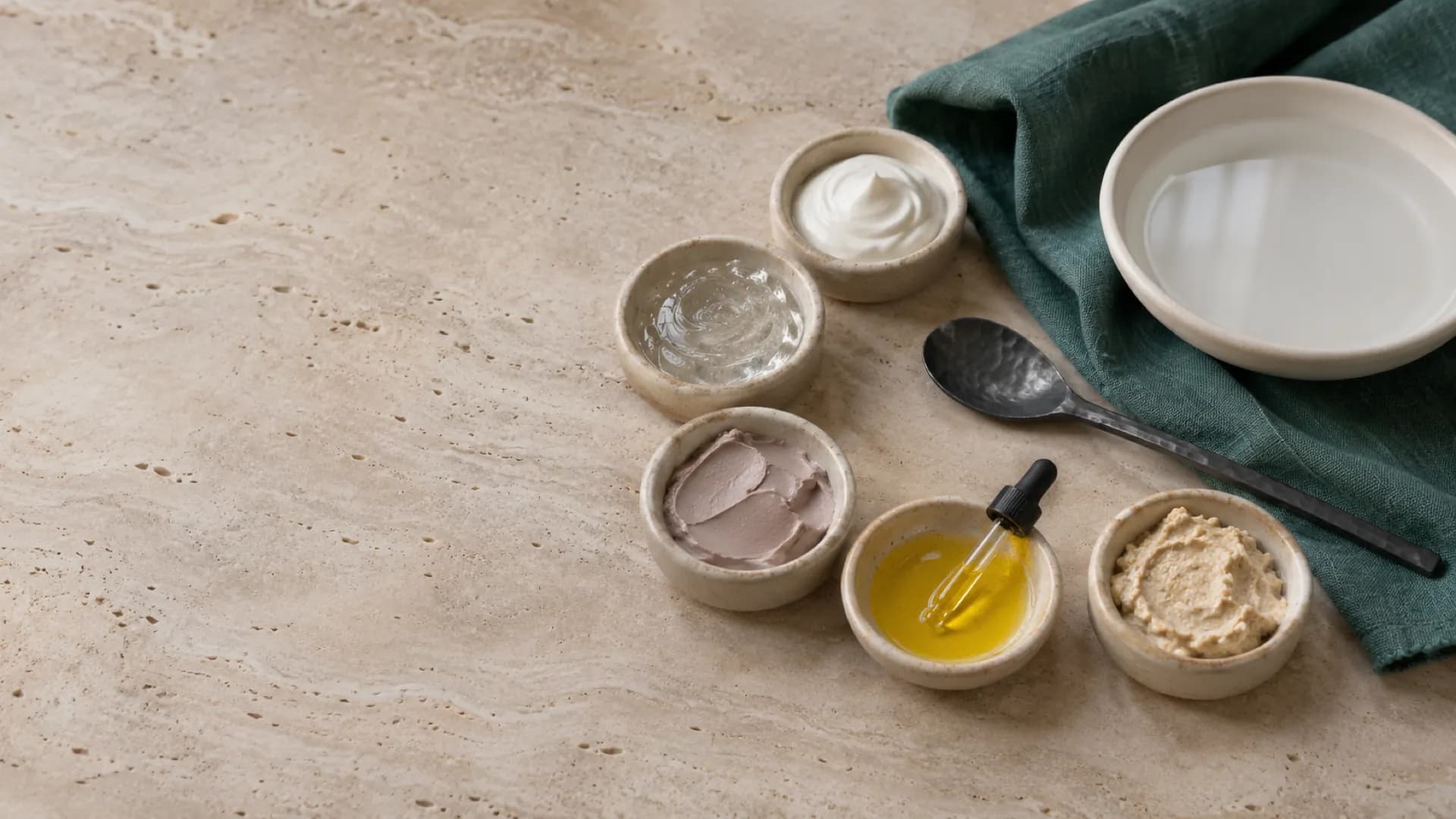
Home remedies are passed on for good reasons: they are cheap, familiar and feel gentle. Natural does not mean harmless, and none of the common ones has trial evidence for lightening lips. The table sorts them into harmless, unproven and harmful. Three deserve a closer look.
Lemon is the one to drop first. Citrus contains compounds called furanocoumarins. DermNet explains that with sunlight they cause a phototoxic reaction with redness and blisters, and the dark marks afterwards can last for years. Lemon on the lips followed by a walk in the sun is exactly that situation.
Bleaching creams and steroid creams are the most harmful. Products sold to lighten skin sometimes contain hidden steroid or mercury. In a multicentre Indian study of 2,926 people with facial skin conditions, 14.8% were using a topical steroid, 29% of those users as a fairness cream, and 90.5% of users had side effects. The World Health Organization warns about mercury in some skin-lightening products. Do not use either on the lips, and see a doctor if you already have.
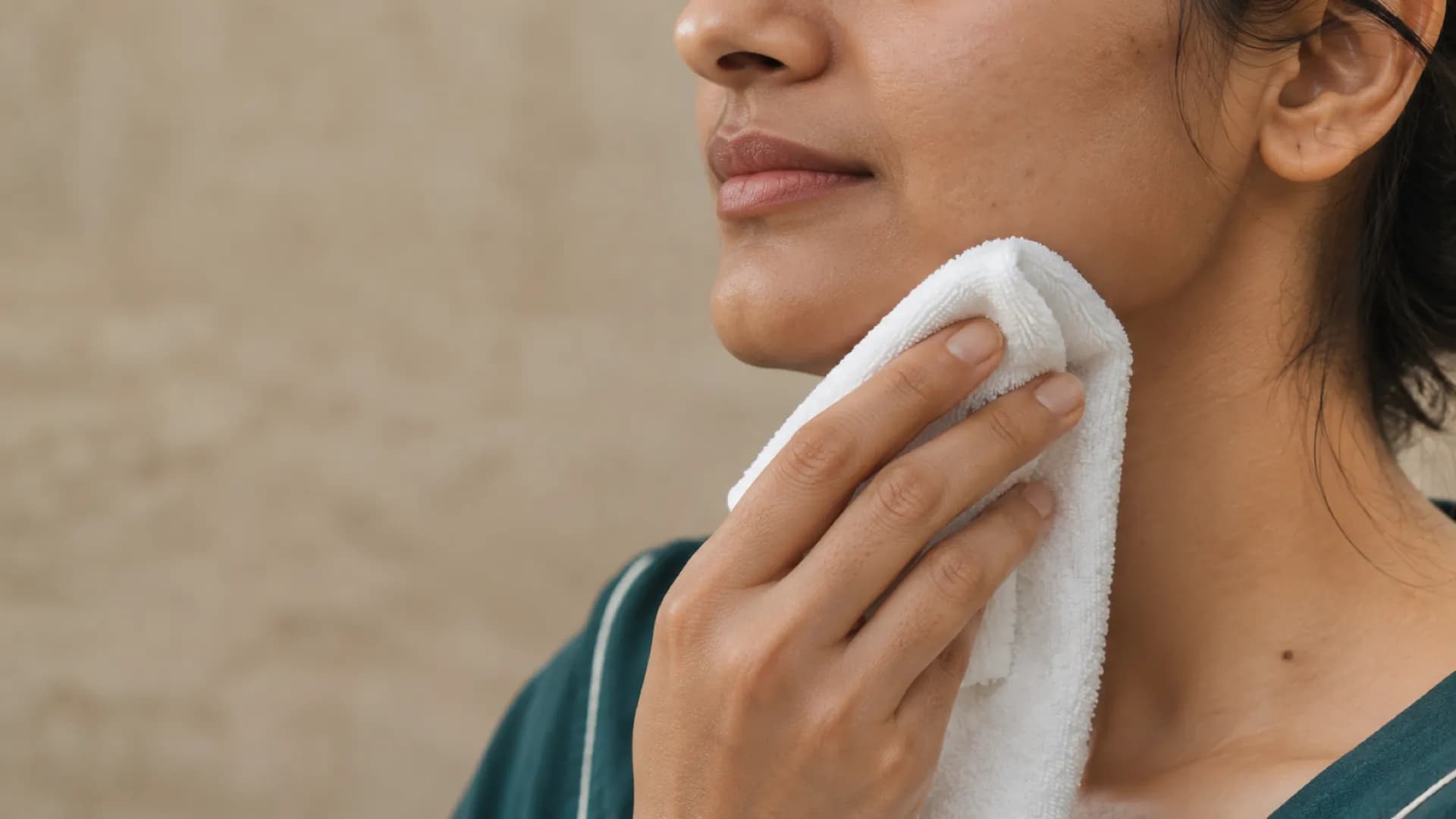
Sugar scrubs and other gritty scrubs scratch thin lip skin. A soft, damp cloth removes loose flakes without scratching, and inflamed Indian lips heal darker, so skip the scrub.
Popular remedies for dark lips, sorted honestly
| Compare | What people hope for | Honest verdict |
|---|---|---|
| Lemon juice | What people hope forA natural bleach that lightens lips. | Honest verdictHarmful. With sunlight it can burn and blister, and dark marks can follow (DermNet). |
| Sugar scrub | What people hope forScrubs away the dark layer. | Honest verdictHarmful if gritty. It scratches thin lip skin, and inflammation can darken Indian skin. A soft, damp cloth is gentler. |
| Beetroot | What people hope forA pink stain that lightens. | Honest verdictHarmless but it only stains. No evidence it lightens lips. Stop if the lips itch or swell. |
| Honey | What people hope forMoisturises and lightens. | Honest verdictHarmless for most and mildly moisturising. No evidence it lightens. Allergy is possible, so stop if the lips sting or swell. |
| Ghee or coconut oil | What people hope forSoften and lighten. | Honest verdictHarmless moisturisers that soften dry lips. No evidence of lightening. Stop if skin around the mouth breaks out. |
| Turmeric | What people hope forA natural lightener. | Honest verdictUnproven, and it stains skin yellow. Contact allergy to turmeric is reported in Indian dermatology literature. Skip it on the lips. |
| Aloe vera, cucumber, rose water | What people hope forCooling and lightening. | Honest verdictHarmless and soothing, but no evidence of lightening. Patch test aloe first. |
| Toothpaste or baking soda | What people hope forA quick lightening trick. | Honest verdictHarmful. These are irritants that inflame the lips, and inflammation darkens Indian skin. |
| Bleaching or fairness creams | What people hope forLighten lips fast. | Honest verdictHarmful. They can hide steroids or mercury (WHO). Avoid them and see a doctor. |
| Steroid creams | What people hope forCalm and lighten. | Honest verdictHarmful on the lips unless a doctor prescribes them. In an Indian study, 90.5% of facial steroid users had side effects. |
General information from the sources below. Your doctor decides what suits your skin.
Lip care that does help: five habits with real support
None of these changes the colour you were born with. They remove the reasons lips look darker than they need to.
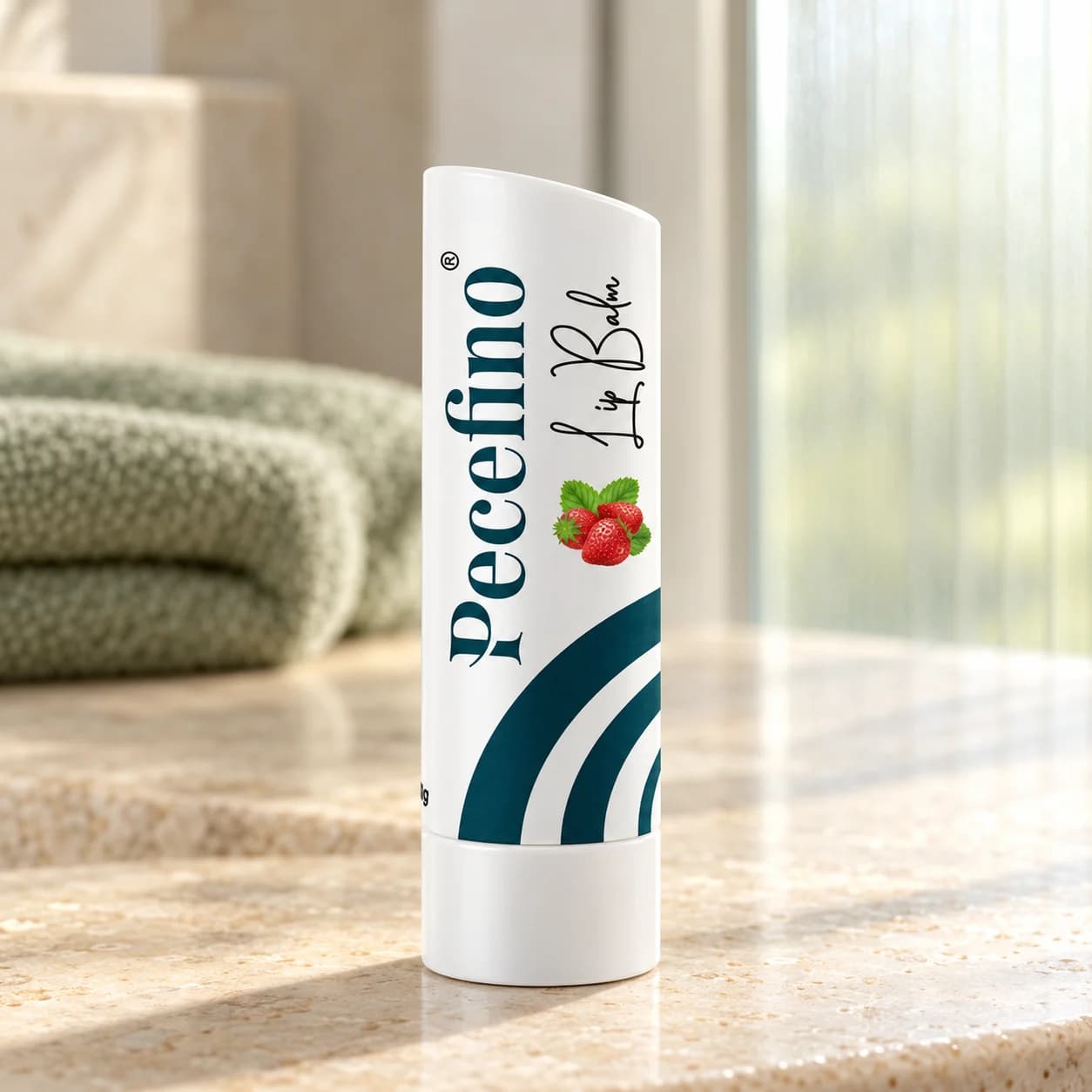
- An SPF 30 lip balm, every day: The American Academy of Dermatology advises a lip balm with SPF 30 or higher, reapplied every two hours outdoors. The NHS suggests SPF 15 or more, and notes that sun can also trigger cold sores.
- A plain balm and enough water: The NHS suggests a lip balm with petroleum jelly or beeswax for dry lips, and drinking plenty of water. A 2020 review of lip-licking dermatitis also recommends a bland balm with UV protection and shelter from harsh weather.
- Stop picking and licking: The NHS advises against picking flaky skin and against licking dry lips. Both slow healing and inflame the lips.
- Check what touches your lips: Lipstick, balm, toothpaste, flavoured food and hair dye near the lips can all cause reactions. Stop one product at a time. Doctors confirm allergy by patch testing, including a person's own products, and fragrance, dyes and beeswax are among the usual suspects.
- Stop smoking and chewing tobacco: Tobacco darkens the lip lining, and DermNet notes that about three quarters of lip and oral cancers occur in smokers.
Reading about it helps. A doctor looking at your skin is what tells you which of this applies to you.
When dark lips are not cosmetic: see a doctor first
Most dark lips are cosmetic, but a few signs mean a doctor should look before you try anything. The 2012 International Journal of Dermatology review recommends considering how much of the lip is affected, when it began and whether other parts of the body are involved.
- New, sudden or one-sided darkening: A single dark spot, a patch with an irregular edge, a change in colour or size, bleeding, or a sore that does not heal.
- Spots elsewhere: Flat brown spots on the gums, inside the mouth, on the fingers or other skin. DermNet describes Laugier-Hunziker syndrome as harmless, but it must be told apart from Peutz-Jeghers syndrome, which also involves gut polyps.
- Tiredness, dizziness or weight loss with darker skin: The NHS lists darker patches of skin among the symptoms of Addison's disease and notes this can be harder to see on brown skin.
- A scaly, sore lower lip after years in the sun: This can be actinic cheilitis, a premalignant change that needs a doctor.
- Darkening after a new medicine or product: Stop the product if it is a cosmetic, and tell the doctor about any medicine before you change anything.
When treatment helps, and what it can and cannot do
If the lips have been dark for a long time, triggers are controlled and the colour still bothers you, in-clinic options exist. A doctor may weigh a peel or a laser after an examination. In a 2022 study of 20 adults given five treatments two weeks apart with a picosecond laser, 70% reported moderate to marked improvement at six months, and one person had transient swelling. These were small studies with different lasers, and in a 2021 pilot 6 of 24 patients looked worse or mottled. On Indian skin, darkening after inflammation is the main risk.
At Clinic Eximus, laser lip treatment is ₹2,499 per session and a lip or under-eye peel is ₹2,000 to ₹3,000 per session, and the total depends on the cause and the number of sessions. Treatment does not change your natural colour to pink, and colour can return if the trigger continues.
What a first visit covers in Delhi and Noida
At the Anand Vihar (East Delhi) and Sector 100 (Noida) centres, a first visit starts with your history: how long the lips have been dark, the products you use, smoking, cold sores, medicines and any pregnancy or breastfeeding. The doctor then examines the lips, rules out causes that need medical care, and explains the options, which often start with products and sun protection. Laser lip treatment is one option a doctor may weigh, and the laser lip treatment page explains what it can and cannot lighten.
A realistic plan for dark lips, week by week
Phase 01 · Weeks 1 to 2
Remove what irritates
Drop lemon, scrubs and anything that stings. Start a daily SPF 30 lip balm and a plain balm for hydration. Stop picking and licking.
Phase 02 · Weeks 3 to 12
Give the lips time
Keep the routine steady. Flaking and cracks usually settle first. Colour moves slowly, if at all, and may not change if it is your natural tone.
Phase 03 · From month 3, or sooner
Reassess with a doctor
If the colour still bothers you, or any red flag appears, see a doctor. Treatment is decided after an examination.
The takeaway
No home remedy turns naturally dark lips pink. Protect them from the sun, keep them hydrated, stop what irritates them, and see a doctor for anything new, one-sided or changing.
Sources
- Vachiramon and McMichael, Approaches to the evaluation of lip hyperpigmentation. Int J Dermatol, 2012 (PubMed 22715817) (opens in a new tab)
- Altalhab et al., Q-switched 532 nm Nd:YAG laser for physiological lip hyperpigmentation, 30 people. J Dermatolog Treat, 2022 (PubMed 32748662) (opens in a new tab)
- Sarswathi et al., Oral melanin pigmentation in smoked and smokeless tobacco users in India. Indian J Dent Res, 2003 (PubMed 14705454) (opens in a new tab)
- Fonseca et al., Art of prevention: practical interventions in lip-licking dermatitis. Int J Womens Dermatol, 2020 (PubMed 33898702) (opens in a new tab)
- DermNet: phytophotodermatitis (opens in a new tab)
- DermNet: pigmented contact cheilitis (opens in a new tab)
- DermNet: allergic contact cheilitis (opens in a new tab)
- DermNet: actinic cheilitis (opens in a new tab)
- DermNet: smoking and its effects on the skin (opens in a new tab)
- American Academy of Dermatology: how to apply sunscreen (lip balm with SPF 30 or higher) (opens in a new tab)
- American Academy of Dermatology: how to fade dark spots in darker skin tones (opens in a new tab)
- NHS: sore or dry lips (opens in a new tab)
- NHS: Addison's disease (symptoms include darker areas of skin) (opens in a new tab)
- Saraswat et al., Topical corticosteroid abuse on the face: multicentre study of 2,926 dermatology outpatients in India. Indian J Dermatol Venereol Leprol, 2011 (PubMed 21393945) (opens in a new tab)
- World Health Organization: mercury and health (fact sheet) (opens in a new tab)
- Babu and Rai, Allergic and photoaggravated contact dermatitis from turmeric: a cultural dermatosis. Contact Dermatitis, 2023 (PubMed 37586702) (opens in a new tab)
- DermNet: Laugier-Hunziker syndrome (opens in a new tab)
- DermNet: Peutz-Jeghers syndrome (opens in a new tab)
- Ng et al., 755-nm picosecond laser for physiologic lip hyperpigmentation in Thai patients, 20 people. Dermatol Surg, 2022 (PubMed 36037096) (opens in a new tab)
- Al-Haddab et al., Q-switched 532-nm Nd:YAG laser for lip hyperpigmentation: pilot study, 24 people. J Clin Aesthet Dermatol, 2021 (PubMed 34840645) (opens in a new tab)
- Mar et al., Treatment of post-inflammatory hyperpigmentation in skin of colour: systematic review of 48 studies. J Cutan Med Surg, 2024 (PubMed 39075672) (opens in a new tab)