
Sunscreen
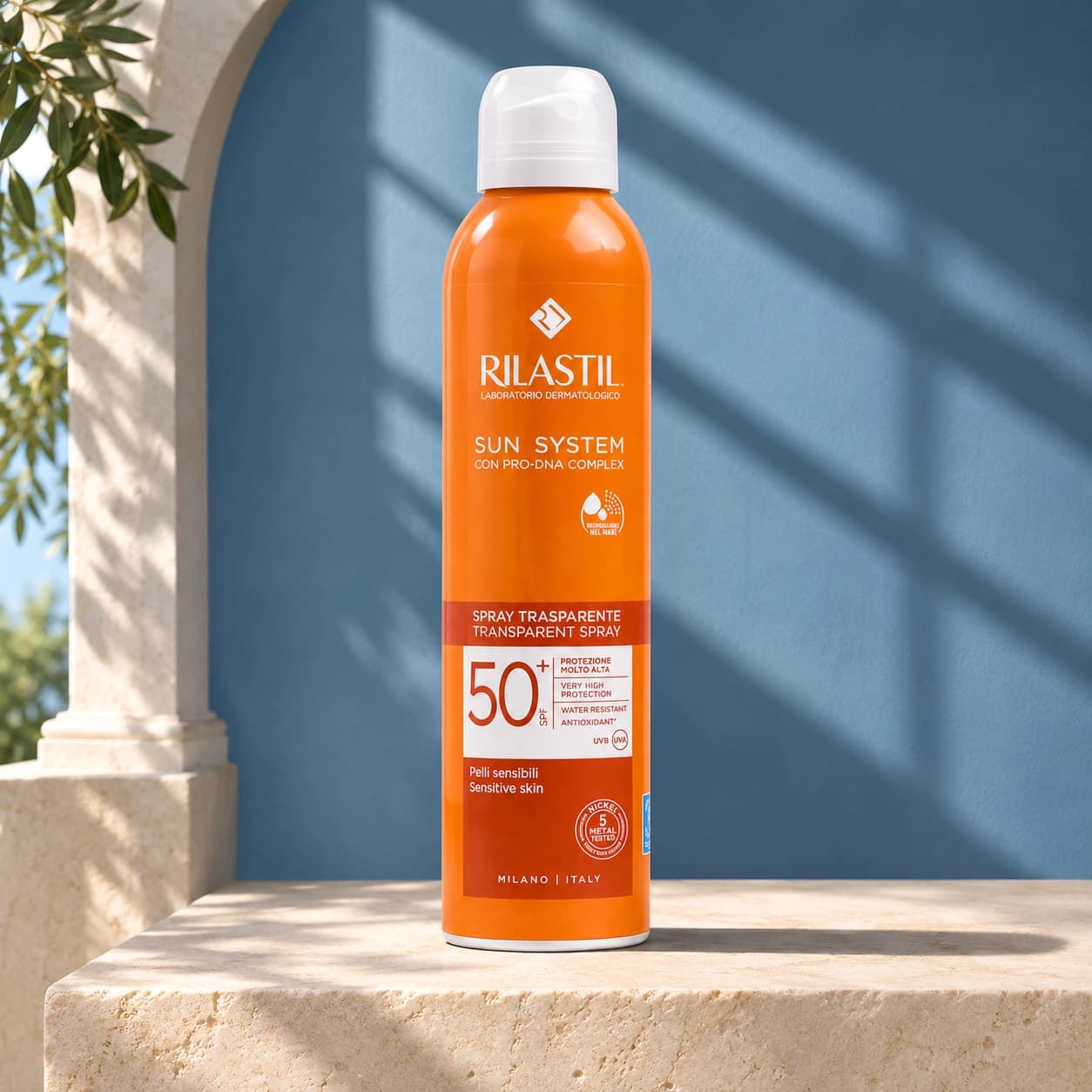
Rilastil Transparent Spray SPF 50+ 200 ml
200 ml
200 ml transparent body sunscreen spray with SPF 50+ from Rilastil Sun System, for a convenient sun protection routine.
₹3,799View details
10% off all products · Free Delhi NCR delivery on ₹1,499+Shop now

A medical facial, also called a medifacial or medi facial, is a facial a doctor plans after looking at your skin. It can include a peel, microneedling, LED light, serums or a PRP (vampire) facial, chosen for your concern.
Two taps, then WhatsApp. A doctor reviews your history before any treatment is suggested.
4.9 from 1,238 Google reviews(Delhi centre)Doctor-led since 2004
Clinic Eximus price. Your doctor confirms the plan and final price at consultation.Updated
A medical facial, also called a medifacial or medi facial, is a facial planned by a doctor after assessing your skin. It can combine a peel, microneedling, LED light, serums or a PRP (vampire) facial, chosen for a concern such as acne-prone, uneven or dull skin. It differs from a spa facial in who decides the steps and why, not in a protected name, because there is no official definition.
Spa and medical facials share some steps, such as cleansing and extraction. The difference is who chooses the steps and why. In a medical facial a doctor assesses your skin, then picks a small set of options matched to your concern. A superficial peel exfoliates in a controlled way, which can help acne and rough or uneven skin. Microneedling makes tiny controlled punctures that start the skin's repair response, and is used for texture and scars. LED light is used mostly for acne and inflammation, with weaker evidence for other uses. Serums, such as antioxidants or hydrating ingredients, are chosen for your skin. A PRP facial, often called a vampire facial, uses your own blood: a small sample is spun to concentrate the platelets, and the plasma is applied with microneedling or injected into the skin. For facial rejuvenation the evidence is modest and mixed, and it is stronger for acne scars than for ageing. Terms such as medical-grade have no official definition, so the useful questions are who plans the treatment and what exactly is done.
The same order for everyone, so nothing is decided before the cause is clear.
Step 1
Your doctor examines your skin and asks about your concern, past treatments, dark marks or scarring, cold sores, medicines including isotretinoin, and pregnancy. Photographs, if you agree, give a fair starting point.
Step 2
Your doctor chooses a few steps for your concern, for example a superficial peel for acne-prone skin or microneedling for texture, and explains the evidence for each. If your skin is sensitive or marks easily, a small test area comes first.
Step 3
The steps are done in order, with serums chosen for your skin. LED light, where used, is applied at the end. Most people leave with pinkness that settles, and you are told what to expect over the next days.
Step 4
Where your doctor judges a PRP facial suitable, a small blood sample is spun to concentrate the platelets, and the plasma is applied with microneedling or injected. Ask what equipment is used and whether it is sterile and single use. The evidence is modest, so your doctor discusses it first.
Step 5
You leave with a moisturiser and a strict sunscreen plan, and strong products are paused only if your doctor says so. Results are reviewed against your photographs after the series, and the plan changes or stops if it is not helping.
Published studies and guidelines, linked so you can read them yourself. Evidence is not a promise for any one person.
Indian guideline: superficial peels. Indian dermatology guidelines favour superficial and medium-depth peels for Indian patients and say deep peels, which risk lasting pigment change, are generally avoided. They advise priming the skin for 2 to 4 weeks before a peel and informed consent that covers complications. A history of dark marks after inflammation and keloid scarring are listed risk factors. (Standard guidelines of care for chemical peels, Indian Journal of Dermatology, Venereology and Leprology (IADVL), 2008) opens in a new tab
50 people · 12 weeks. In a trial of 50 people with mild to moderate acne in India, peels every 2 weeks for 12 weeks, either 25% trichloroacetic acid or 30% salicylic acid, both cut lesion counts, with no significant difference between them (comedones fell about 54% with each). Burning and stinging were more common with trichloroacetic acid (20 of 25 people against 10 of 25). (Dayal et al., Efficacy and safety of 25% trichloroacetic acid peel versus 30% salicylic acid peel in mild-to-moderate acne vulgaris, Dermatology Practical and Conceptual (PMC8172016), 2021) opens in a new tab
51 articles · 1,029 people. A review of 51 articles with 1,029 people found microneedling relatively safe. Redness, pain and swelling were the commonest effects, with swelling usually settling within 24 hours and sometimes lasting 2 to 3 days. Dark marks afterwards were reported variably, and serious events were rare. (Gowda et al., A systematic review examining the potential adverse effects of microneedling, Journal of Clinical and Aesthetic Dermatology (PMC7869810), 2021) opens in a new tab
31 trials · many small. A review of 31 randomised trials of LED light in skin conditions graded the evidence as grade B for acne and grades C or D for other conditions, including skin rejuvenation. Many trials were small, some had no sham control and settings varied. LED looked safe and well tolerated, but it may need more sessions than other light treatments. (Jagdeo et al., Light-emitting diodes in dermatology: a systematic review of randomized controlled trials, Lasers in Surgery and Medicine (PMC6099480), 2018) opens in a new tab
No legal definition (US FDA). The US Food and Drug Administration states that the word cosmeceutical has no legal meaning and is not a recognised category: whether a product counts as a cosmetic or a drug depends on what it claims to do. We found no official definition of medifacial, medical facial or medical-grade in India or elsewhere, so what matters is who plans the treatment. (US Food and Drug Administration: Cosmeceutical, 2017) opens in a new tab
24 studies · 480 people. A review of 24 studies (8 randomised trials, 480 PRP-treated people) found PRP gave at least temporary, modest improvement in facial skin texture and lines, usually under 50%. How long it lasts is unknown, preparation and dosing varied between studies, and the authors call for better trials. (Maisel-Campbell et al., A systematic review of the safety and effectiveness of platelet-rich plasma (PRP) for skin aging, Archives of Dermatological Research (PubMed 31628542), 2020) opens in a new tab
18 women · 24 weeks. In a randomised split-face trial of 18 women (median age 59) at a US clinic, PRP injections gave no detectable benefit over saline injections for lines, laxity or roughness over 24 weeks, with microneedling on both sides. Everyone had some pain or stinging. It is a small study in older women, but it shows why a result is never certain. (Pincelli et al., Evaluation of platelet-rich plasma and microneedling for facial skin rejuvenation, Plastic and Reconstructive Surgery Global Open (PMC11124655), 2024) opens in a new tab
14 studies · 472 people. A meta-analysis of 14 studies with 472 people with acne scars found microneedling plus PRP gave more improvement than microneedling alone (the odds of more than 50% improvement were about three times higher), without a significant rise in severe redness or swelling. The evidence is for scars rather than general rejuvenation, and 10 of the 14 studies were not randomised. (Kang et al., Combined effect of microneedling and platelet-rich plasma for the treatment of acne scars: a meta-analysis, Frontiers in Medicine (PMC8882957), 2021) opens in a new tab
5 HIV cases · one spa. US health officials investigated five HIV infections linked to a New Mexico spa that offered PRP microneedling facials in 2018, and no single route of transmission was confirmed. It is rare, but it shows why sterile single-use equipment and a clinical setting matter for any needle-based facial. (Stadelman-Behar et al., Investigation of presumptive HIV transmission associated with receipt of platelet-rich plasma microneedling facials at a spa, Morbidity and Mortality Weekly Report (PubMed 38662678), 2024) opens in a new tab
We will tell you if medical facial is not the right first step for you.
Typical milestones from published studies and guidelines. Your doctor sets your own schedule.
Before
Skin assessment; a test area if needed; medicines reviewed
Same day
Pink and tight for hours; peels or needling can last longer
Days 1 to 3
Possible flaking or mild swelling; moisturiser and daily sunscreen
Every 2 to 4 weeks
Next session of the series, if your doctor planned one
Week 12 or later
Review the series against your starting photographs
₹2,999
per session
Clinic Eximus price. Your doctor confirms the plan and final price at consultation.
Care to use between visits, chosen by the clinic. Confirm the right one with a doctor.
Sunscreen
200 ml
200 ml transparent body sunscreen spray with SPF 50+ from Rilastil Sun System, for a convenient sun protection routine.
Cream
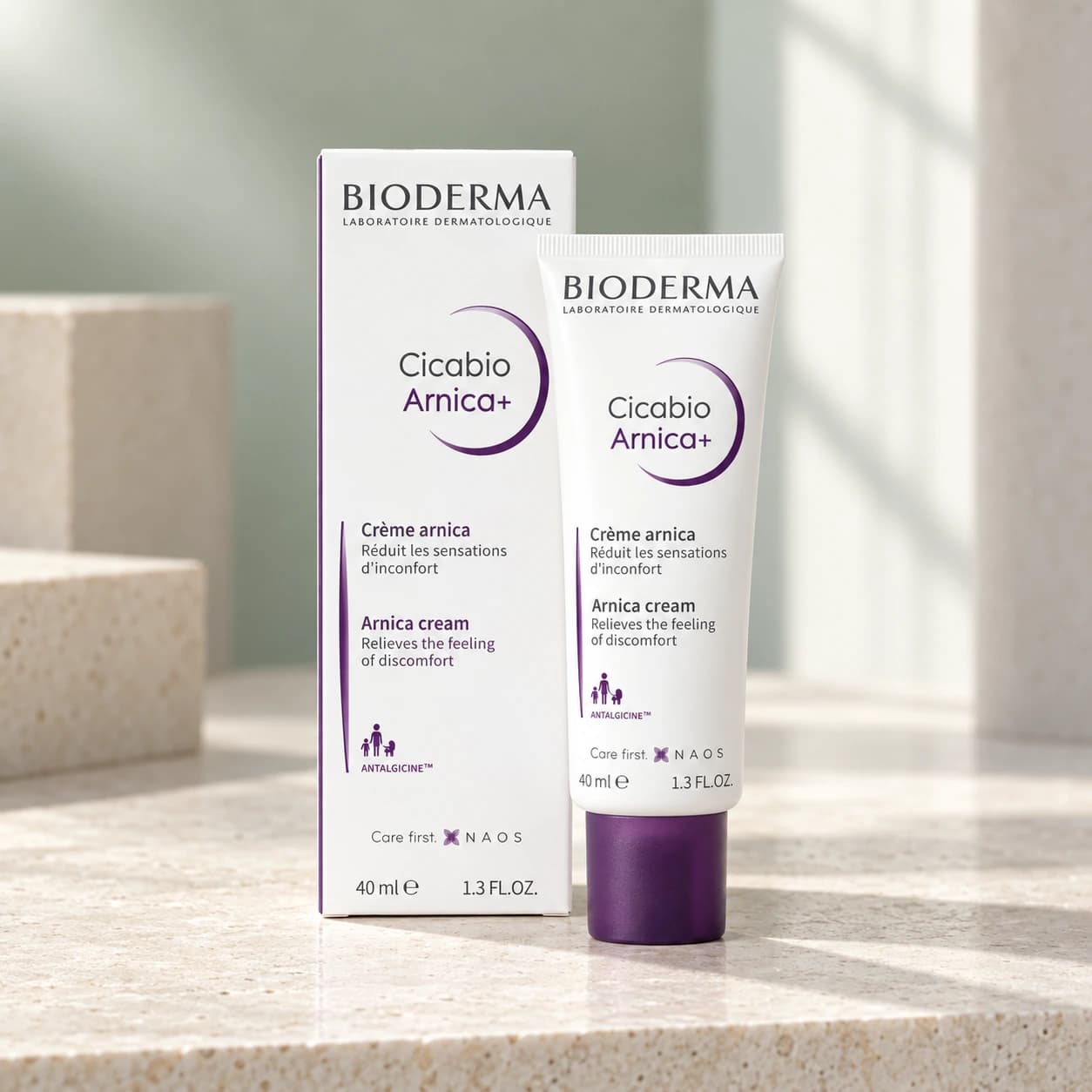
Skin care product. Confirm the formulation, pack size and suitability with the clinic.
Orders are confirmed on WhatsApp. There is no online payment.
A medical facial, also called a medifacial or medi facial, is a facial a doctor plans after assessing your skin. It can combine a peel, microneedling, LED light, serums or a PRP facial, matched to a concern such as acne-prone or uneven skin. There is no official definition of the term, so ask who plans the treatment and exactly what will be done.
The difference is who decides the steps and why. A spa facial usually follows a set routine of cleansing, massage and masks. A medical facial starts with a doctor's assessment and chooses from options such as peels, microneedling or LED light for your concern, with the evidence and risks explained. A spa facial can still feel pleasant, but it is not a treatment for acne or pigmentation.
A medi-facial at Clinic Eximus costs ₹2,999 per session. A medical facial is a plan built from steps, so a peel or other add-on may be priced separately. Your doctor confirms the steps, the number of sessions and the price in writing after assessment.
Ask four things: who assesses your skin, what exactly will be done and why, whether needles and tools are sterile and single use, and what the written plan and price are. Be wary of promises of a sure or lasting result, or of a lighter skin colour. A good clinic also tells you where the evidence is thin and says no when a facial is not the right step.
It can be, when the steps suit your skin. Indian skin (Fitzpatrick types III to V) is more prone to dark marks, so superficial peels are favoured, deep peels are generally avoided, and a test area comes first. Active acne, a rosacea or eczema flare, a cold sore or sunburn means some steps wait. Tell your doctor about every product and medicine, including isotretinoin.
Usually little. Pinkness and tightness are common for hours, peels can flake for a few days, and microneedling can leave redness and swelling that usually settles within 24 hours and sometimes takes 2 to 3 days. Plan any medical facial well before an event, not the day before, and wear sunscreen every day afterwards. Your doctor tells you what to expect for your plan.
A vampire facial is the popular name for a PRP facial. A small sample of your own blood is spun to concentrate the platelets, and the plasma is applied with microneedling or injected into the skin, in the hope that it supports repair. It is not a spa facial: it uses needles and blood, so it belongs in a clinical setting. Your doctor first decides whether it suits you.
Modestly and not for everyone. A review of 24 studies found at least temporary, modest improvement in skin texture and lines, and another trial in 18 women found no benefit over saline. For acne scars, microneedling with PRP beat microneedling alone in a meta-analysis of 14 studies. Results vary, how long they last is unknown, and your doctor tells you where the evidence is thin.
Done with sterile, single-use equipment in a clinical setting, serious problems are rare, and common effects are redness, swelling, bruising and stinging. The risk is infection from unsafe practice: US officials investigated five HIV infections linked to one spa offering PRP microneedling in 2018. A blood or platelet disorder or blood-thinning medicine can rule it out. Your doctor reviews these first.
They do different jobs. A Hydrafacial is one device-based session of cleansing, exfoliation and hydration, with little or no downtime. A medical facial is a doctor's plan that may include a Hydrafacial, a peel, microneedling or LED light for a concern. If you only want fresher-looking skin, a Hydrafacial or a glow facial may be enough, and your doctor can say which fits.
Article
Dry, oily, acne-prone, dull or sensitive: what each skin type needs from a facial, what to be careful with, and when to see a doctor first.
Article
What helps active acne, what does not, which medicines are a doctor's decision and how to avoid scars. For marks and dips that remain, see acne scar treatment.

A doctor looks at your skin and what is behind the concern, then writes a plan with the full price before you begin.
Choose skin care, a centre and a time
Two taps. Nothing is stored on the website.
Your message opens in WhatsApp
You send it yourself and can add anything for the doctor.
The team confirms your visit
Your doctor reviews your history before suggesting anything.
4.9 from 1,238 Google reviews(Delhi centre)Doctor-led since 2004