

Glow facial: the glow is real, and it is temporary.
A glow facial freshens dull, tired skin with cleansing, gentle exfoliation, hydration and a serum. The glow is real and temporary, and it does not change your skin colour. A doctor checks your skin first.
Two taps, then WhatsApp. A doctor reviews your history before any treatment is suggested.
4.9 from 1,238 Google reviews(Delhi centre)Doctor-led since 2004
Glow Facial at a glance
- Price
- ₹4,999 per session
- Downtime
- Little to none
- How long the glow lasts
- Days to a few weeks
- How often
- About every 4 to 6 weeks, if at all
- Skin colour
- No change
- Before an event
- One to two weeks ahead
What these figures mean
- Price
- Clinic Eximus price for a glow facial. A Hydrafacial or other add-on is priced separately.
- Downtime
- Pinkness, tightness or light flaking can follow exfoliation. Plan any new facial at least a week before an event.
- How long the glow lasts
- It comes from hydration and fresh surface skin, which renew on their own. The top layer of skin renews itself over a few weeks.
- How often
- No trial we found shows regular facials change skin over time. Your doctor sets the gap, and more is not better.
- Skin colour
- A facial can reduce dullness. It cannot make your natural skin colour lighter, and we do not offer it as that.
- Before an event
- This leaves time for redness to settle. Do not try a new facial the day before.
Clinic Eximus price. Your doctor confirms the plan and final price at consultation.Updated
The short answer
A glow facial freshens dull, tired-looking skin with cleansing, gentle exfoliation, hydration and a serum chosen for your skin. The glow comes from hydration and fresh surface skin, so it is temporary, and it does not change your natural skin colour. A doctor looks at your skin first, so acne, dark patches or sensitivity are handled properly rather than covered over.
Is a glow facial right for your skin?
Often suits
- People with dull, tired or dehydrated skin and no specific condition, who want smoother, fresher-looking skin.
- People with an event, photographs or a wedding coming up who want a no-downtime session booked a week or two ahead.
- People who want a doctor to look at their skin first, so acne, pigmentation or sensitivity are named and handled rather than covered over.
- People who want upkeep for healthy skin at a gap their doctor sets, alongside daily sunscreen and a simple routine.
May not suit
- Active, inflamed acne, infected or broken skin, a cold sore, or an eczema or rosacea flare. These are treated first, and a facial can make them worse.
- Dark patches such as melasma or sun spots, acne scars or large pores. A facial may soften how they look for a short time, but they need their own assessed treatment.
- Sunburnt or freshly tanned skin, or skin irritated by strong products such as retinoids or acids. The facial waits until the skin settles.
3 more reasons
- Anyone hoping for a lasting change or a lighter skin colour. A facial gives a temporary glow and cannot promise either.
- Pregnancy and breastfeeding. A doctor decides what is suitable, and many treatments are deferred. Tell the clinic before you book.
- Recent or current isotretinoin, or a recent peel, laser or injectable. Your doctor decides what is safe and when.
How a glow facial works, and where it stops
Skin looks dull when its surface is dry, rough or covered in dead cells that scatter light, and when the tone is uneven from sun, tan or old marks. A glow facial works on that surface. Cleansing and gentle exfoliation remove surface cells, hydration plumps the outer layer, and a serum adds an ingredient your doctor has chosen for your skin, often an antioxidant such as vitamin C. Some facials add a device meant to push the serum in without a needle, and the evidence for that step is thin. The effect sits in the surface and the top layer of skin, which renews itself every few weeks, so the glow fades. It does not treat pigment, scars or pore size, and it cannot change your natural skin colour.
How care runs at Clinic Eximus
The same order for everyone, so nothing is decided before the cause is clear.
Step 1
Skin check
Your doctor looks at your skin type, concerns such as acne or dark patches, the products and medicines you use, recent sun, and whether you might be pregnant. If your skin needs treatment rather than a facial, you are told.
Step 2
Cleanse and exfoliate
The skin is cleansed and gently exfoliated. The strength is chosen for your skin, and kept low where skin is sensitive or marks easily, which is more common on brown skin.
Step 3
Hydrate and apply a serum
Hydration and a serum are applied, chosen for your goal, for example an antioxidant or a hydrating ingredient. Your doctor confirms the exact steps and any device before the session.
Step 4
Aftercare
You leave with a moisturiser and a daily sunscreen plan. Strong products such as retinoids or acids are paused only if your doctor says so, usually for a few days.
Step 5
Review and plan
Your doctor tells you whether another facial is worth it, and when. If dullness is really pigment, acne or sun damage, the plan moves to treatment of that.
What the research says
Published studies and guidelines, linked so you can read them yourself. Evidence is not a promise for any one person.
41 people · 4 weekly peels. In a double-blind trial of 41 volunteers, a 50% glycolic acid peel applied once a week for 4 weeks to one side of the face reduced rough texture and fine wrinkling against a plain vehicle on the other side. Sun spots lightened only slightly. It is a 1996 professional-strength peel, and it shows what exfoliation can do: smoother texture, not a change in colour. (Newman et al., Clinical improvement of photoaged skin with 50% glycolic acid: a double-blind vehicle-controlled study, Dermatologic Surgery (PubMed 8634809), 1996) opens in a new tab
7 trials · 139 people. A review of 7 randomised trials with 139 people (skin types I to V) found topical vitamin C left skin smoother and less wrinkled, and lightened pigmented patches in some trials. Patient and doctor ratings of pigmentation were mixed, with 1 of 5 studies favouring it, and hydration was no better than placebo. Long-term use may be needed. (Correia et al., Efficacy of topical vitamin C in melasma and photoaging: a systematic review, Journal of Cosmetic Dermatology (PubMed 37128827), 2023) opens in a new tab
Few trials · 2026 review. A 2026 narrative review of electroporation, which uses pulses of current to push ingredients through the skin without a needle, found few standardised clinical trials. Lower-powered consumer devices showed minimal demonstrated enhancement and uncertain safety. Whether a needle-free delivery step adds anything to a facial is not established. (Evaluating evidence and dermatological implications for electroporation in consumer beauty devices, Journal of the American Academy of Dermatology (abstract), 2026) opens in a new tab
3 more studies
14 dermatologists · 18 statements. Fourteen Indian dermatologists reached consensus on 18 statements about sunscreen. They stress broad-spectrum protection and note that visible light and infrared also contribute to skin damage. This is why every facial plan here ends with daily sunscreen. (Kohli et al., Practical recommendations for Indians on sunscreen use: a modified Delphi consensus by the Indian Sunscreen Forum, Journal of Cosmetic Dermatology (PMC12439021), 2025) opens in a new tab
102 patients · 12 months. A study in India recorded 102 people with skin problems after parlour procedures over 12 months, on average 2.3 weeks afterwards. Acne-like eruptions were most common (26), then flares of existing acne (16) and facial darkening (15), and gold and herbal facials were linked to some eruptions. It counts people who had problems, so it gives no rate, but it shows why a skin check comes first. (Kolalapudi et al., Dermatoses occurring after parlor procedures, Journal of Cutaneous and Aesthetic Surgery (PMC8061649), 2020) opens in a new tab
25 articles · mostly case reports. A review of 25 articles, mostly case reports and case series with no large trials, judged glycolic and lactic acid peels likely safe in pregnancy and advised avoiding or using caution with salicylic and trichloroacetic acid peels. The evidence is thin, so a doctor decides, and many treatments are simply deferred. (Trivedi et al., A review of the safety of cosmetic procedures during pregnancy and lactation, International Journal of Women's Dermatology (PMC5418954), 2017) opens in a new tab
We will tell you if glow facial is not the right first step for you.
Before, during and after a glow facial
Typical milestones from published studies and guidelines. Your doctor sets your own schedule.
Before
A skin check; strong products paused only if your doctor says
Same day
Pinkness or tightness for a few hours; light flaking is possible
Days 1 to 3
Skin feels smoother and more hydrated; wear sunscreen daily
Weeks 1 to 3
The glow fades as hydration and surface cells return to usual
Weeks 4 to 6
A repeat, only if you and your doctor decide it is worth it
What to expect
- A glow facial gives a temporary glow, mostly from hydration and fresh surface skin. It fades over days to weeks as skin renews.
- It does not change your natural skin colour. It can reduce dullness, so skin looks more rested and even within what your own tone allows.
- It does not remove dark patches, scars or open pores. One facial will not fix them, and they need an assessed treatment.
- You do not need a series for a glow. For a concern, your doctor may suggest a treatment instead of repeat facials.
- Book one to two weeks before an event, not the day before, so any redness or breakout has time to settle.
Side effects and safety
- Pinkness, tightness, stinging and light flaking are common after exfoliation and usually settle within a day or two. Stronger exfoliation causes more.
- Indian skin (Fitzpatrick types III to V) is more prone to dark marks after irritation, so exfoliation is kept gentle, new products are patch-tested, and daily sunscreen follows.
- Acne flares, allergic reactions to serums and cold-sore flares can follow a facial. Tell your doctor about allergies and cold sores before the session.
- Pregnancy and breastfeeding change what is suitable, and some serums and devices have not been studied. A doctor decides.
- Contact the clinic for blistering, spreading redness, pain, or darkening that does not fade.
Glow facial cost in Delhi
₹4,999
per session
Clinic Eximus price. Your doctor confirms the plan and final price at consultation.
What changes the cost
- The steps in your plan: cleansing and hydration cost less than a session with a device, a peel or a Hydrafacial added.
- The serum or active ingredient chosen, and whether a device delivers it.
- How many sessions you plan. One facial before an event is priced differently from a series.
- Whether you pay per session or for a package. Ask what is included and what happens if your plan changes.
- A skin check comes first. Any treatment you need instead, for acne or dark patches, is quoted separately.
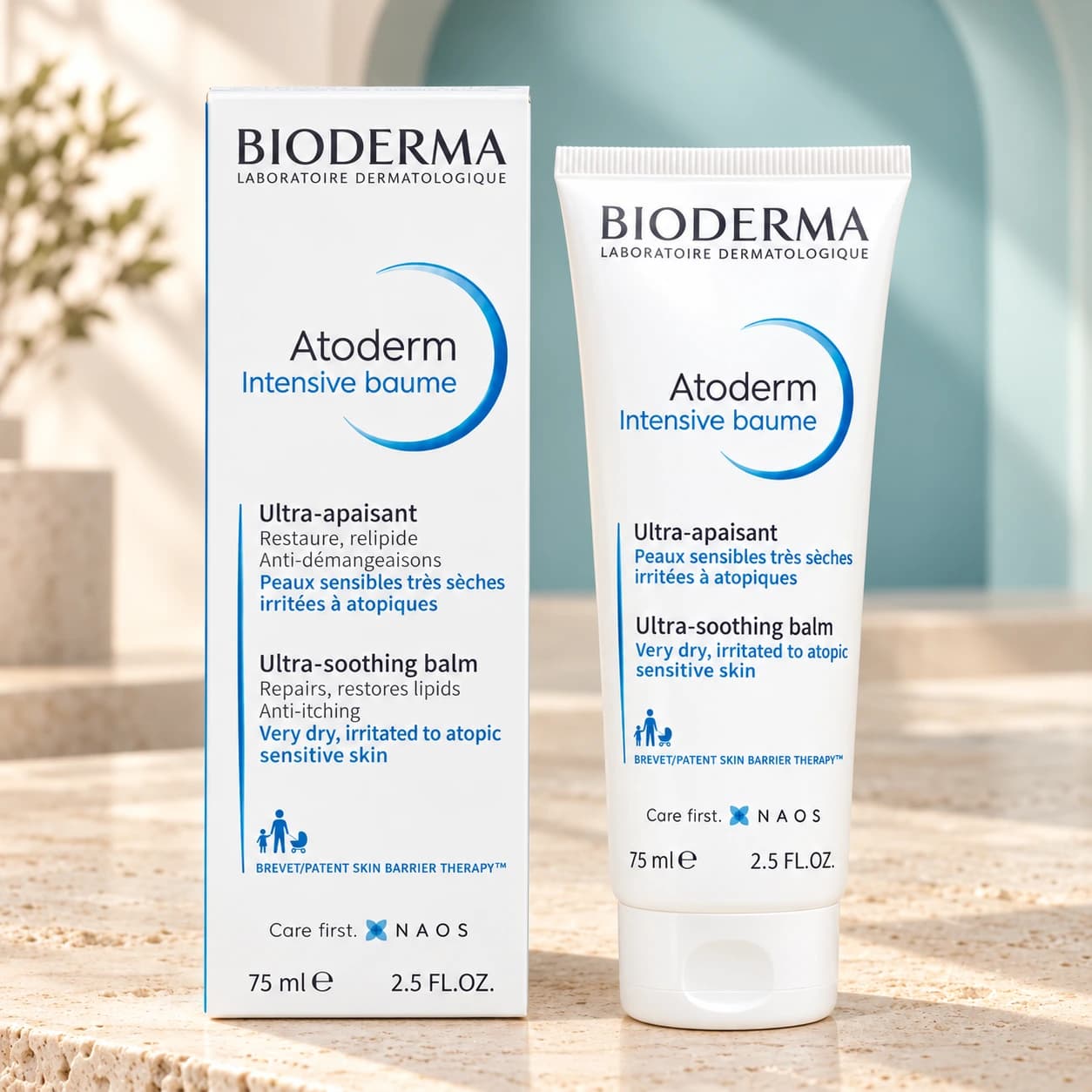
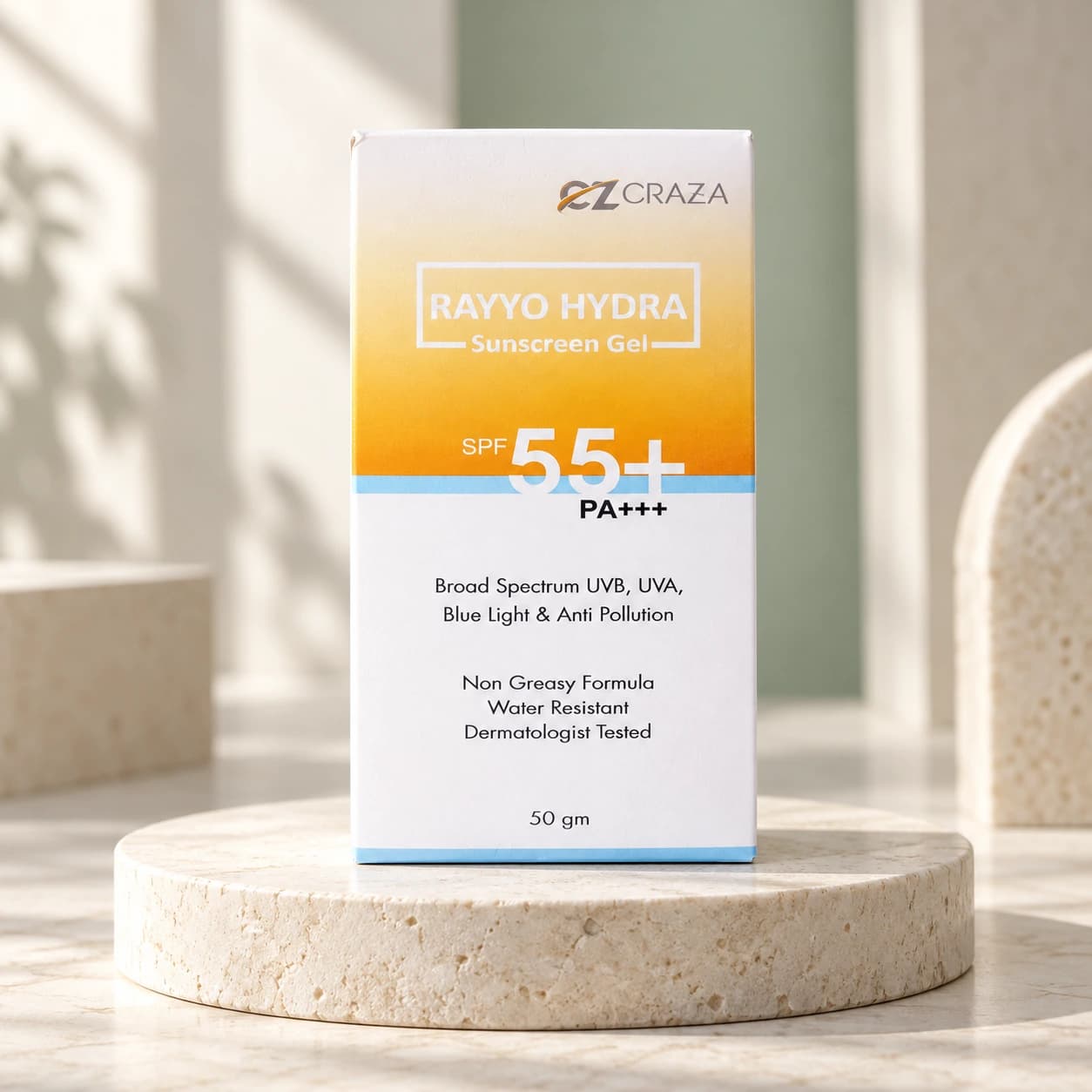
Pairs with this care
Care to use between visits, chosen by the clinic. Confirm the right one with a doctor.
Orders are confirmed on WhatsApp. There is no online payment.
Questions people ask
How much does a glow facial cost in Delhi?
A glow facial at Clinic Eximus costs ₹4,999 per session. Glow facial covers anything from a basic cleanse to a doctor-led session with serums or a device, so compare what is included, not the name. Your doctor confirms the steps and the price in writing after assessing your skin. A Hydrafacial or other add-on is priced separately.
Which facial is good for glowing skin?
It depends on why your skin looks dull. Dry, dehydrated skin usually responds to hydration, oily or congested skin to gentle exfoliation, and tanned or uneven skin to sun protection and time. A Hydrafacial is one option for cleansing and hydration. Dark patches, scars and acne need their own plan, not a facial, so a doctor looks at your skin first.
Does a facial make your skin fairer or lighter?
No. A facial can remove dull surface cells and hydrate, so skin looks fresher and sometimes a little brighter, but it does not change your natural skin colour. Lightening dark patches such as melasma needs a separate, assessed treatment, and results vary. Be wary of anyone promising a lighter complexion from a facial.
How often should you get a facial?
For healthy skin, about every 4 to 6 weeks is a common gap, and some people need fewer. The outer layer of skin renews itself over a few weeks, and more slowly with age, so a glow fades within weeks. We found no trial showing that monthly facials change skin in the long run, and over-exfoliating irritates skin, so more is not better.
Is a facial a good idea before a wedding or an event?
Yes, if you book it one to two weeks ahead and choose something your skin already knows. That leaves time for redness or a breakout to settle. Do not try a new facial, peel or product the day before. If it is a wedding, tell your doctor the date so the plan can be sequenced, and keep anything with downtime well before it.
Is a salon facial or a doctor-led glow facial safer?
A doctor-led facial starts with a skin check, which is not always part of a salon visit. In an Indian study of 102 people with skin problems after parlour procedures, acne-like eruptions were the most common, and some were linked to gold and herbal facials. That counts people who had problems, so it is not a rate. The risk rises with acne-prone, sensitive or brown skin and unknown products.
Is a glow facial safe for Indian, acne-prone or sensitive skin?
It can be, if the steps are chosen for your skin. Indian skin (Fitzpatrick types III to V) is more prone to dark marks after irritation, so exfoliation is kept gentle and new products are patch-tested. Active acne, a rosacea or eczema flare, or sunburn means the facial waits. Tell your doctor about every product and medicine you use, including retinoids and isotretinoin.
Can I have a glow facial during pregnancy or breastfeeding?
A doctor decides, and many treatments are deferred. A review of 25 articles, mostly case reports, judged glycolic and lactic acid peels likely safe in pregnancy and advised caution with salicylic and trichloroacetic acid. The evidence is thin, and some serums and devices have not been studied. Tell the clinic before you book if you are pregnant, may be, or are breastfeeding.
What is the difference between a glow facial and a medical facial?
A glow facial aims at general dullness with cleansing, exfoliation, hydration and a serum, and has little or no downtime. A medical facial is a doctor-planned facial for a defined concern, such as acne-prone or uneven skin, and may include a peel, microneedling or LED light. Both start with an assessment. Our medical facial page explains it, and your doctor advises which fits.
Do glow facials work, or are they a waste of money?
A facial can make skin look smoother and more hydrated for days to weeks, and exfoliation can improve texture, as a 41-person trial of weekly glycolic peels showed. It cannot do more than that: no lasting change, and no effect on pigment or scars. It is worth it when you want that temporary result and understand its limit. For a lasting change, ask about treatment instead.
Read next
Article
Which Facial Suits Your Skin? A Guide by Skin Concern
Dry, oily, acne-prone, dull or sensitive: what each skin type needs from a facial, what to be careful with, and when to see a doctor first.
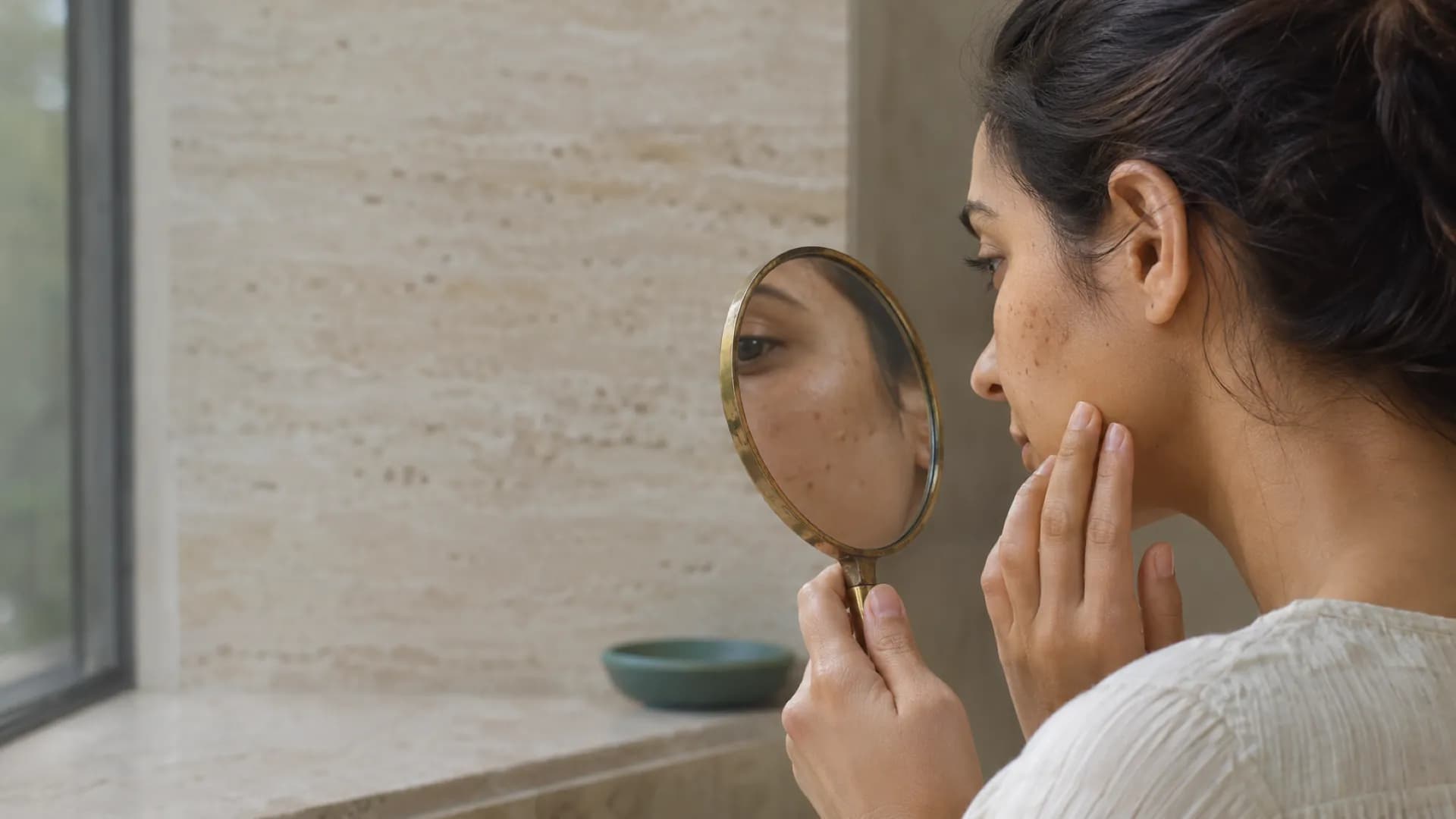
Article
Dark Spots on Face: Causes, Types and What Helps
How to tell sun spots, marks left by acne and melasma apart, why depth in the skin matters, and what a doctor may suggest.
Check what your skin needs, then choose the facial.
A doctor looks at your skin and what is behind the concern, then writes a plan with the full price before you begin.
Choose skin care, a centre and a time
Two taps. Nothing is stored on the website.
Your message opens in WhatsApp
You send it yourself and can add anything for the doctor.
The team confirms your visit
Your doctor reviews your history before suggesting anything.
4.9 from 1,238 Google reviews(Delhi centre)Doctor-led since 2004