
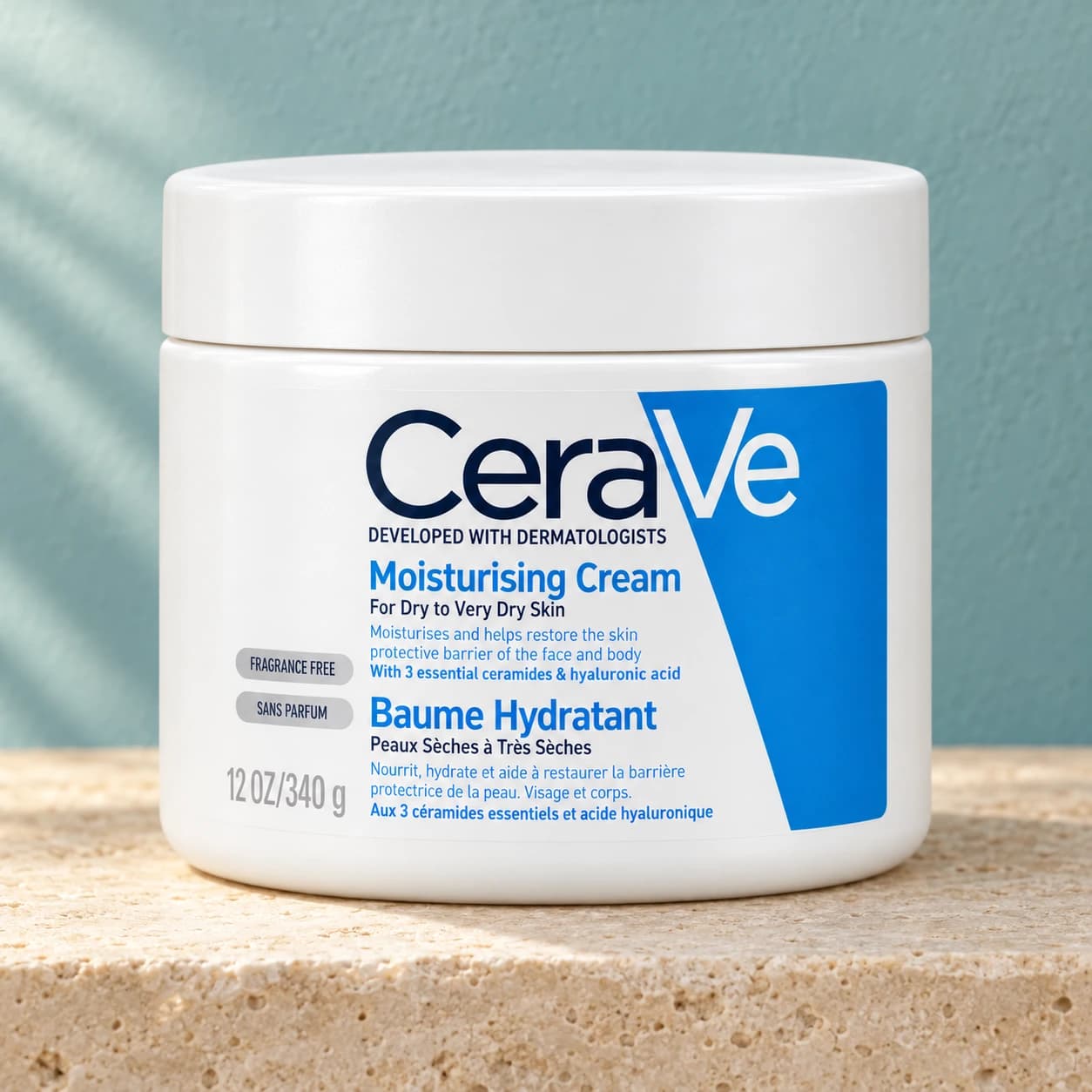
Cream
CeraVe Moisturising Cream 340 g
340 g
Fragrance-free face and body moisturiser for dry to very dry skin, with ceramides and hyaluronic acid.
₹1,500View details
10% off all products · Free Delhi NCR delivery on ₹1,499+Shop now

Stretch marks are scars in the deeper skin, so no treatment erases them. A doctor checks how old they are and what colour they are, then plans a course that aims to soften them.
Two taps, then WhatsApp. A doctor reviews your history before any treatment is suggested.
4.9 from 1,238 Google reviews(Delhi centre)Doctor-led since 2004
Updated
Stretch marks (striae) are scars in the dermis, the deeper skin layer, that form when the skin stretches faster than it can rebuild. Early red or purple marks respond better than old white ones. Fractional laser, microneedling with radiofrequency and platelet-rich plasma (PRP) can soften them over a course of sessions, but none removes them completely. A doctor checks the type of mark, your skin and any pregnancy plans first.
Stretch marks (striae distensae) form when the dermis stretches faster than its collagen and elastic fibres can keep up. Pregnancy, growth in puberty, rapid weight gain or loss and long-term steroid use are the usual triggers, and family history plays a part. Early marks, called striae rubrae, are pink, red or purple because inflamed skin lets small blood vessels show through. Later marks, called striae albae, are pale because the top layer thins, vessels shrink and pigment falls. The treatments studied try to rebuild the dermis. Fractional laser makes microscopic columns of controlled injury that the skin repairs with new collagen. Microneedling does this with fine needles, and radiofrequency adds heat in the deeper layer. PRP is a concentrate of your own platelets placed in the skin to support repair. Vessel-targeting lasers aim at the redness of early marks, and prescription tretinoin cream has most support for early marks. Chemical peels and microdermabrasion are also used, with thinner evidence. Which of these suits you is decided at consultation.
Looks like: Pink, red or purple, sometimes slightly raised or itchy, often in the first months.
In the skin: The skin is stretched and inflamed, and small blood vessels near the surface show through.
What tends to help: Responds more than old marks in most reports. Vessel-targeting lasers and early treatment are studied for the redness.
Looks like: White, silvery or lighter than the skin around, flat or slightly sunken, with a fine crinkled surface.
In the skin: A thinner top layer, fewer vessels and less pigment sit above a scar-like dermis with few, loose fibres.
What tends to help: Harder to change. Treatments aim to improve texture and colour a little, and none removes the mark.
Stretch marks are scars in the dermis, so creams on the surface cannot rebuild them. Marks fade from red to pale over months to years. This is general guidance, not a way to diagnose yourself.
The same order for everyone, so nothing is decided before the cause is clear.
Step 1
Your doctor looks at the colour, age, width and site of the marks, your skin type, medicines, any keloid scarring and any pregnancy or breastfeeding plans. Sudden, widespread marks are checked for a hormonal cause.
Step 2
Red marks and white marks are treated differently. Your doctor may suggest one method or a combination, and says plainly what change to expect and what will not change.
Step 3
Sessions are spaced a few weeks apart so the skin can repair between them. A small test area may come first on brown skin. Numbing cream is used for procedures that need it.
Step 4
Protect the area from the sun, keep it moisturised and do not pick at crusts. Report blistering, spreading redness or darkening that is not fading.
Step 5
About 3 months after the last session, your doctor reviews the marks against the photographs from the start and says whether anything more is worthwhile.
Published studies and guidelines, linked so you can read them yourself. Evidence is not a promise for any one person.
14 trials · 651 people. A network meta-analysis of 14 randomised trials with 651 people ranked topical tretinoin combined with bipolar radiofrequency first for clinical effect and patient satisfaction, and bipolar radiofrequency alone second. Fractional CO2 laser ranked highest among the lasers, and tretinoin alone ranked lowest. Side effects reported were mild, mainly redness and swelling. The trials were small, and the authors call for larger ones. (Comparative effectiveness of different therapies for treating striae distensae: a systematic review and network meta-analysis, Medicine (PMC7523784), 2020) opens in a new tab
151 studies · 4,806 outcomes. A review of 151 studies describing 4,806 treatment outcomes found no single therapy that works for every type of stretch mark. Complete response was rare: 4% of outcomes (12 of 341) for CO2 laser on white marks, and 4 of 13 for PRP injections on red marks, a very small group. (A systematic review on treatment outcomes of striae, Dermatologic Surgery (PubMed 38452322), 2024) opens in a new tab
74 studies · 2,328 patients. A review of 74 studies with 2,328 patients found that most treatments aim to build new collagen, that no treatment was completely effective, and that follow-up was often short. Tretinoin helped mainly early marks, and vessel-targeting lasers can reduce the redness of early marks by targeting the blood in them. (Therapeutic targets in the management of striae distensae: a systematic review, Journal of the American Academy of Dermatology, 2017) opens in a new tab
6 trials · no clear benefit. A review of six randomised trials found no significant difference in who developed stretch marks in pregnancy, or how severe they were, between active creams or oils and placebo or no treatment. (No evidence for topical preparations in preventing stretch marks in pregnancy, British Journal of General Practice (PMC3609465), 2013) opens in a new tab
11 studies · 6 randomised. A meta-analysis of 11 studies, 6 of them randomised, found microneedling improved stretch marks about as much as lasers and more than non-laser treatments, and microneedling with radiofrequency also showed benefit. Dark marks after treatment were less evident with microneedling than with other treatments, though it was reported as more painful than laser. (Microneedling therapy for striae distensae: systematic review and meta-analysis, Aesthetic Plastic Surgery (PubMed 38509316), 2024) opens in a new tab
40 people · 10 months. In 40 people with white stretch marks, one side was treated with microneedling and the other with fractional CO2 laser, four times at monthly intervals, with 10 months of follow-up. Both reduced the size of the largest mark and improved a visual rating, with no significant difference between them and no clinically significant side effects. (Comparison of the efficacy of microneedling versus CO2 fractional laser to treat striae alba: a randomized clinical trial, Dermatologic Therapy (PubMed 34796595), 2022) opens in a new tab
30 women · skin types III–V. In 30 women with white stretch marks, long-pulsed Nd:YAG laser on one side did better than fractional CO2 laser on the other, in 3 sessions 3 weeks apart judged at 3 months, with higher satisfaction and no severe side effects. A small comparison over a short follow-up. (Comparative study between the efficacy of long-pulsed Nd:YAG laser and fractional CO2 laser in the treatment of striae alba, Journal of Lasers in Medical Science (PMC8837835), 2021) opens in a new tab
30 people · PRP vs tretinoin. In 30 people with stretch marks on both sides, PRP injections gave more improvement than 0.05% tretinoin cream on the other side (p = 0.015), with higher satisfaction. Both were reported as safe, and biopsies showed more collagen and elastic fibres. A small trial. (Platelet-rich plasma versus tretinoin in treatment of striae distensae: a comparative study, Dermatologic Surgery (PubMed 29701622), 2018) opens in a new tab
11 women · 7 months · placebo. In a double-blind trial of 11 women with pregnancy-related stretch marks, low-dose 0.025% tretinoin cream for 7 months did not improve them compared with placebo. It is an old, very small study, and stronger preparations are studied separately. (Low-dose tretinoin does not improve striae distensae: a double-blind, placebo-controlled study, Cutis (PubMed 7956336), 1994) opens in a new tab
We will tell you if stretch marks treatment is not the right first step for you.
Typical milestones from published studies and guidelines. Your doctor sets your own schedule.
Before
Doctor checks colour, age, skin type and pregnancy plans
Session day
Numbing where needed, treatment, then redness for days
Every 2 to 4 weeks
Next session; sun protection on the treated skin
Over the course
Colour and texture change slowly, not overnight
About 3 months after
Review against photographs; maintenance only if needed
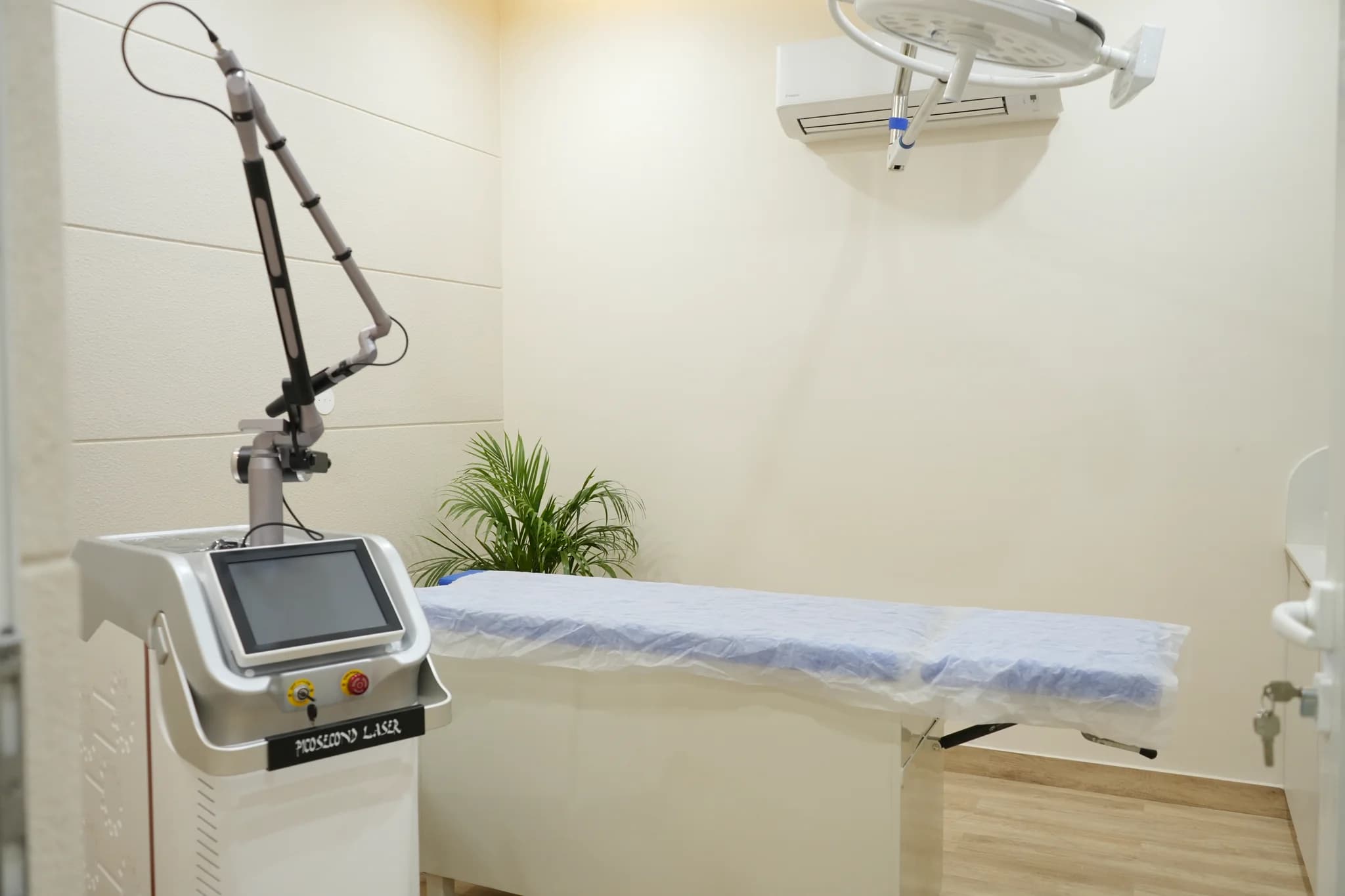
Your cost depends on the cause and the plan your doctor writes, which shows the full price before you begin.
Care to use between visits, chosen by the clinic. Confirm the right one with a doctor.
Cream
340 g
Fragrance-free face and body moisturiser for dry to very dry skin, with ceramides and hyaluronic acid.
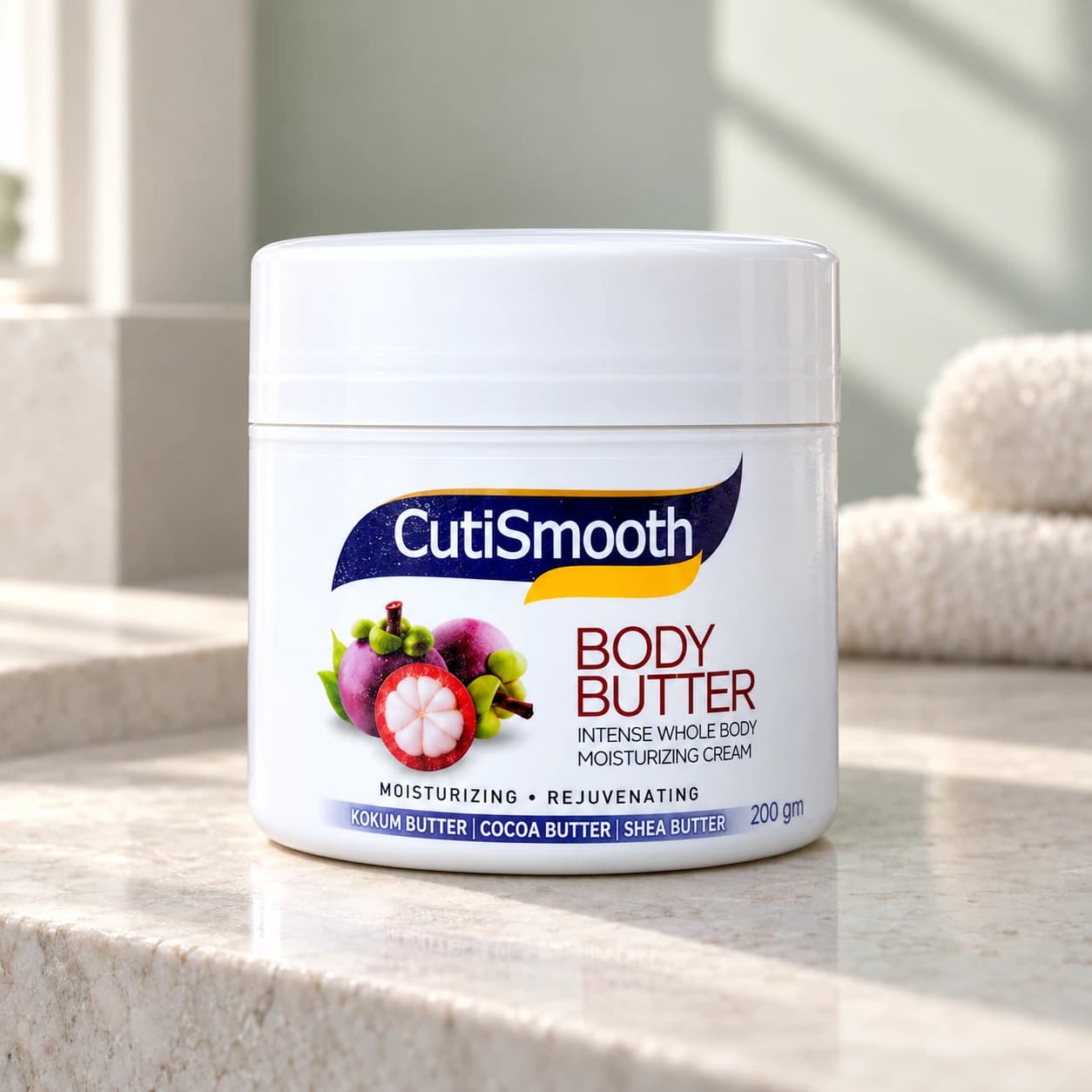
Cream
Body care product. Confirm the formulation, pack size and suitability with the clinic.
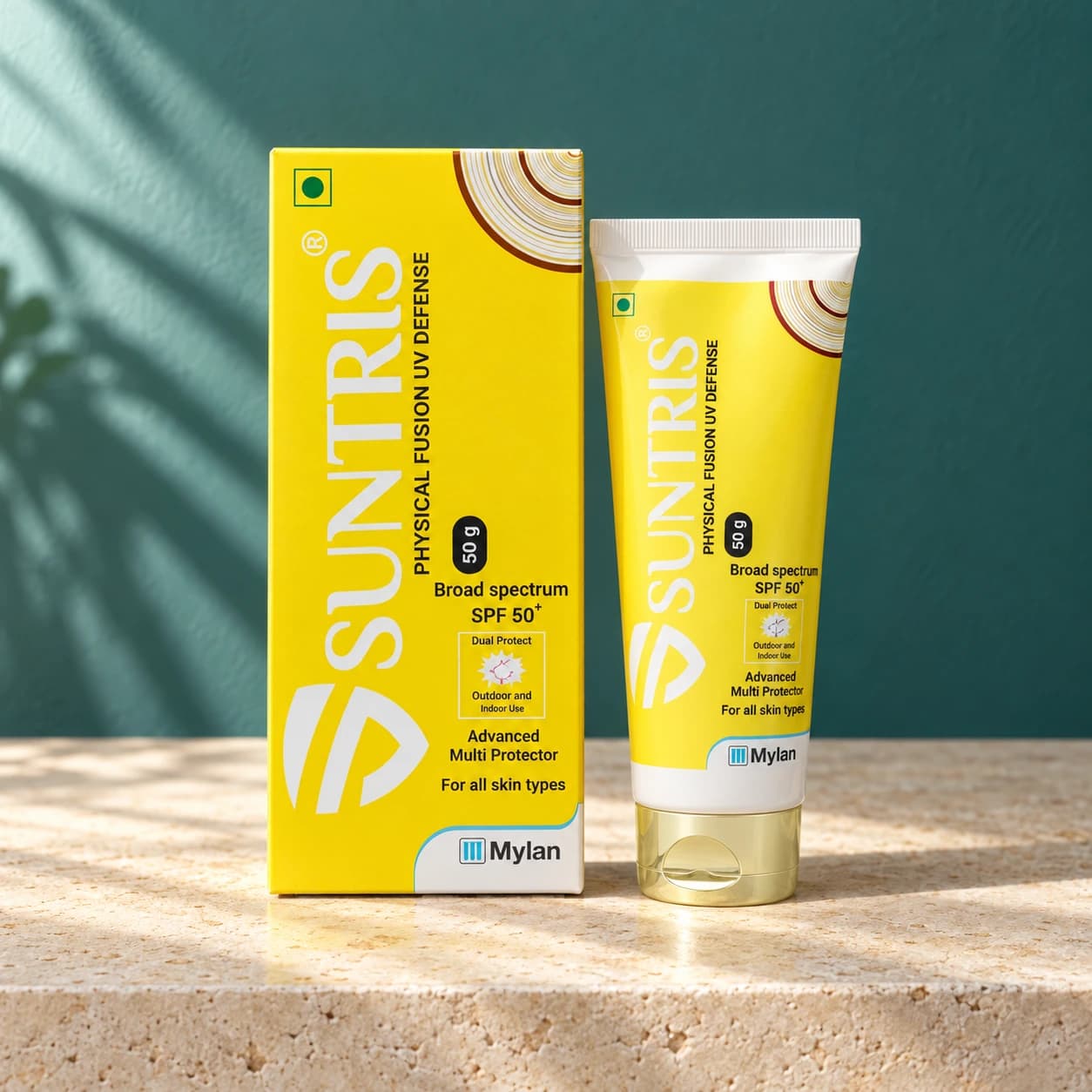
Orders are confirmed on WhatsApp. There is no online payment.
No treatment removes stretch marks completely. They are scars in the deeper skin, so treatment aims to soften their colour and texture. A review of 151 studies found complete clearance was rare, and no single therapy worked for every type of mark. Early red or purple marks tend to respond more than old white ones. Your doctor tells you what change is realistic for your marks before you start.
No single option has been shown to be better than the rest for everyone. Reviews of small trials place fractional laser, radiofrequency, microneedling and platelet-rich plasma (PRP) among the options with better results, often combined, while creams alone ranked lowest. The choice depends on the colour and age of the marks, your skin type and your pregnancy plans. Your doctor weighs these and may combine methods.
In most reports, yes. Early red or purple marks still have blood vessels and active repair, and treatments such as vessel-targeting lasers, tretinoin and early microneedling are mainly studied there. Old white marks are scar-like and respond less. Starting sooner can help, but it does not promise a result, and a doctor decides what suits the marks you have.
Most trials used about 3 to 6 sessions, spaced from 2 weeks to a month apart, and judged the result around 3 months later. Old white marks, large areas and darker skin may need more sessions or gentler ones. Your doctor gives an estimated range after examining the marks and reviews it as you go, instead of promising a fixed number.
This page shows no price range, because the cost depends on the method, the size of the area, the number of sessions and whether methods are combined. A small patch and a whole abdomen are very different plans. Your doctor confirms the plan and the full price in writing after examining the marks, before you begin. Compare the cost of the whole course, not one session.
Creams do not reliably prevent stretch marks. A review of six randomised trials found no significant difference between active creams or oils and placebo or no treatment in pregnancy. For marks that already exist, tretinoin has some support mainly for early marks, but it ranked lowest when treatments were compared. Keeping weight changes gradual is sensible. Your doctor can say whether any cream is worth using.
Doctors usually advise against topical retinoids such as tretinoin in pregnancy and when trying to conceive, and a doctor decides about breastfeeding. A small 1994 trial also found 0.025% tretinoin no better than placebo for pregnancy-related marks. Most stretch mark procedures are deferred in pregnancy as well, so tell your doctor if you are pregnant, might be pregnant or are breastfeeding.
It can be when the method and settings suit your skin. Indian skin (Fitzpatrick types III to V) is more prone to dark marks after lasers and other procedures, so doctors choose settings carefully, may test a small area and insist on sun protection. A meta-analysis found dark marks after microneedling were less evident than with other treatments, though it was reported as more painful than laser. Your doctor decides.
A doctor decides, and the answer depends on breastfeeding and how settled the marks are. Many treatments are deferred in pregnancy and while breastfeeding, and new marks keep changing for months. One trial recruited women more than six months after delivery. Book a consultation to have the marks examined, and your doctor will say what can start and when.
Stretch marks form when the skin stretches faster than its collagen can keep up. Common triggers are pregnancy, growth spurts in puberty, rapid weight gain or loss and long-term steroid use, and family history plays a part. Rarely, many sudden marks signal a hormone problem, so a doctor checks if they are widespread or come with other symptoms.
Article
What helps active acne, what does not, which medicines are a doctor's decision and how to avoid scars. For marks and dips that remain, see acne scar treatment.
Article
How to tell sun spots, marks left by acne and melasma apart, why depth in the skin matters, and what a doctor may suggest.

A doctor looks at your skin and what is behind the concern, then writes a plan with the full price before you begin.
Choose skin care, a centre and a time
Two taps. Nothing is stored on the website.
Your message opens in WhatsApp
You send it yourself and can add anything for the doctor.
The team confirms your visit
Your doctor reviews your history before suggesting anything.
4.9 from 1,238 Google reviews(Delhi centre)Doctor-led since 2004