
Sunscreen
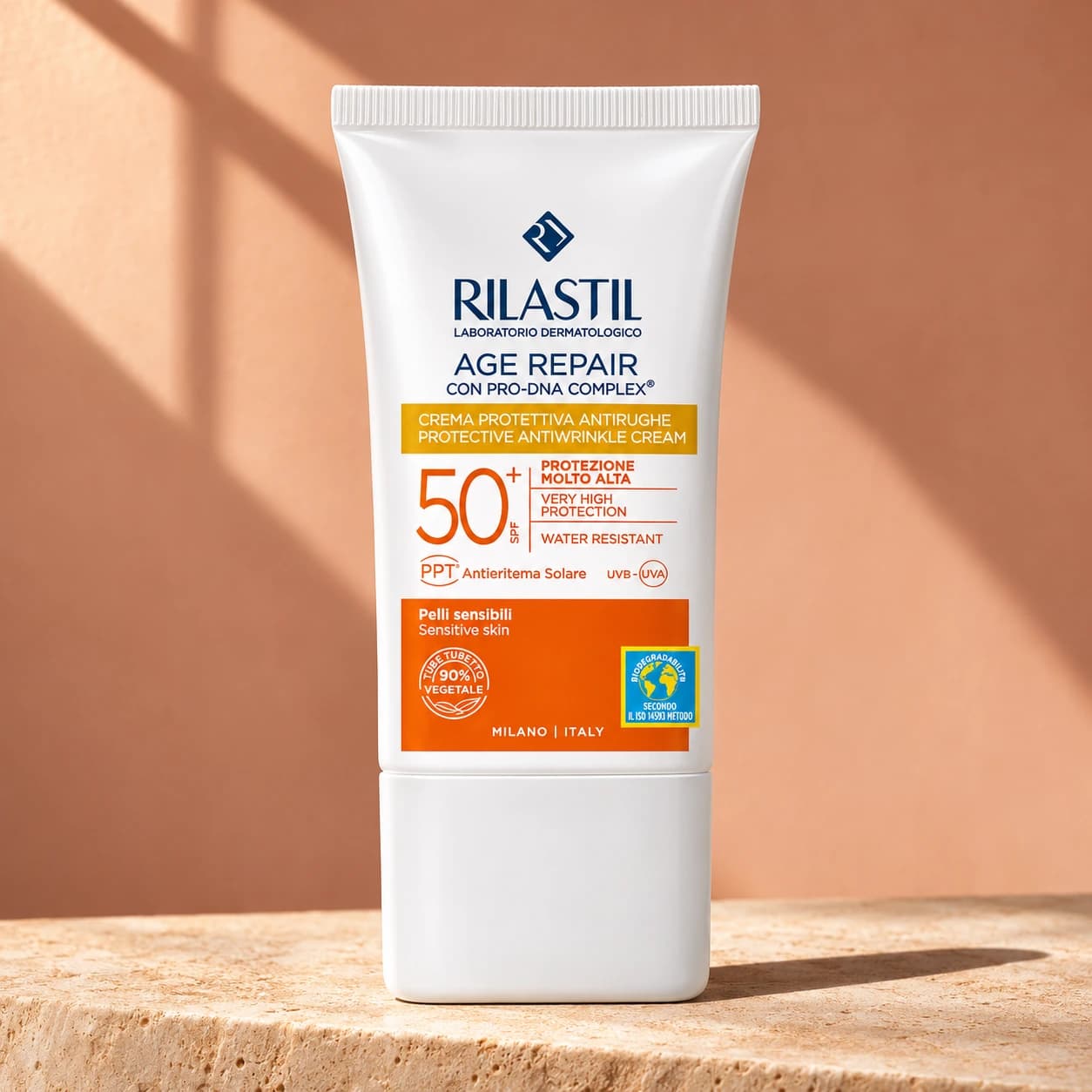
Rilastil Age Repair SPF 50+ Cream 40 ml
40 ml
40 ml SPF 50+ sun protection cream from the Rilastil Sun System range, with Pro-DNA Complex named on the pack.
₹2,299View details
10% off all products · Free Delhi NCR delivery on ₹1,499+Shop now
PDRN, Rejuran, hyaluronic acid boosters, Profhilo and exosomes are small injections or topical treatments aimed at skin quality. The evidence is modest and mostly from small studies, so a doctor explains each one plainly.
Two taps, then WhatsApp. A doctor reviews your history before any treatment is suggested.
4.9 from 1,238 Google reviews(Delhi centre)Doctor-led since 2004
Clinic Eximus price. Your doctor confirms the plan and final price at consultation.Updated
PDRN (polynucleotides) and skin boosters are tiny injections into the upper skin, aimed at skin quality such as hydration, texture and fine lines, not volume or a lift. The evidence is modest: mostly small, short studies, with few longer than six months. Exosome skin treatments are less proven still, so your doctor explains what product is used and what is known about it.
PDRN stands for polydeoxyribonucleotide, a mix of DNA fragments usually purified from salmon or trout. Polynucleotide (PN) gels, including the Rejuran type, are similar and are placed in tiny deposits in the upper dermis, often around the eyes, cheeks and neck. Laboratory work suggests they support the skin's repair signals, but whether that shows in people is what trials test. Hyaluronic acid skin boosters and Profhilo are different: water-binding gels aimed at hydration and elasticity, not volume. Exosomes are tiny packets released by cells, from human, plant or other sources. They are applied on the skin after microneedling or injected, and the product, its source and its quality vary widely.
PDRN and polynucleotides. A gel of purified DNA fragments, usually from fish, placed in tiny deposits in the upper dermis.
Laboratory work suggests it supports repair signals. Human trials are small and short.
Hyaluronic acid boosters and Profhilo. A water-binding gel, injected in small points across the dermis rather than as volume.
Aimed at hydration and elasticity. A pooled review found hydration improved, elasticity did not.
Exosomes. Tiny packets released by cells, from human, plant or other sources. Applied on the skin after microneedling, or injected.
Contents and quality differ by product. Evidence is early. See the panel below.
A schematic, not a skin image: depths and sizes are not to scale. Sources are listed under Research on this page.
The same order for everyone, so nothing is decided before the cause is clear.
Step 1
Your doctor looks at your skin, your goals, allergies (including fish), medicines, pregnancy plans and scarring history, and explains which product options exist and what the evidence is for each.
Step 2
You are told what product would be used, what it is made from and where it comes from. For exosomes, your doctor says plainly that the product is investigational. You decide, and you can say no.
Step 3
Tiny deposits are placed in the skin, often over 2 to 4 sessions a few weeks apart. Numbing cream is usually used. Exosomes may instead be applied on the skin after microneedling.
Step 4
Keep the skin clean, avoid make-up and heat for a day or as advised, and protect it from the sun. Report a lump, spreading redness or pain that is getting worse.
Step 5
Your doctor reviews what has changed after the course. Some people choose a repeat session after several months, and you can stop at any point.
Published studies and guidelines, linked so you can read them yourself. Evidence is not a promise for any one person.
9 studies · 219 patients. A systematic review of 9 studies of polynucleotide injections (219 patients, mostly Korea and Italy) found promising results for wrinkles, texture and elasticity, statistically significant in several studies. Side effects were mild and short-lived and none was severe. The studies were of low and moderate quality, and the authors say the results need to be read with caution. (The effectiveness of polynucleotides in esthetic medicine: a systematic review, Journal of Cosmetic Dermatology (PMC11845969), 2024) opens in a new tab
6 studies · 350 adults. A review of 6 studies of polynucleotides around the eyes (350 adults, mostly Korean and Thai, skin types III to V) found short-term improvement in crow's feet and dermal quality, with 40 to 70% of treated sides improving by at least one grade at 12 weeks. No serious adverse events were reported. Follow-up ran to 12 weeks, and no study followed people for longer than 6 months. (Efficacy of polynucleotides in peri-orbital rejuvenation: a systematic review, Aesthetic Surgery Journal Open Forum, 2026) opens in a new tab
20 women · placebo-controlled. In a small placebo-controlled trial of 20 women with moderate to severe acne scars, only the polynucleotide group showed a significant improvement in dermal quality and in satisfaction, at 1 and 3 months. Ten women received the product and ten received saline. It is one small, early trial. (Highly purified polynucleotide versus placebo for acne scars: a prospective randomised study, Aesthetic Surgery Journal, 2021) opens in a new tab
12 studies · hydration only. A meta-analysis of injected hyaluronic acid for skin ageing (12 studies, 6 pooled) found improved skin hydration and radiance, but no significant change in skin elasticity or in the melanin index. The authors say more research is needed to confirm the effect. (The effect of local hyaluronic acid injection on skin aging: a systematic review and meta-analysis, Journal of Cosmetic Dermatology (PMC11731322), 2025) opens in a new tab
9 studies · 278 participants. A systematic review of Profhilo (9 studies, 278 participants) reported improved hydration, elasticity, density and laxity in the face, neck and other areas. The authors call for larger randomised studies, a comparison group, longer follow-up and trials in different ethnic groups. (A systematic review of the efficacy and safety of Profhilo and Profhilo Body (PMC13038071), 2026) opens in a new tab
39 studies · products differ. Exosomes: a pooled review of 39 human studies of exosome products (26 for skin, 13 for hair) found an average 20.2% wrinkle reduction (95% CI 15.3% to 25.2%) and 14.7% to 23.4% gains in tone, elasticity and texture. The authors note that products and protocols were not standardised, which limits how far the results can be generalised. (Clinical advances in exosome-based therapies for aesthetic medicine: a systematic review and meta-analysis, Aesthetic Surgery Journal, 2025) opens in a new tab
19 studies · mostly non-randomised. Exosomes: a review of 19 human studies of exosomes for skin rejuvenation found they were mostly non-randomised, small, followed people for only 2 to 12 weeks, and mostly carried a moderate to high risk of bias. The authors say the clinical evidence has clear limits. (Efficacy of exosome-based therapies for skin rejuvenation: a systematic review of human studies, Cureus (PMC12933354), 2026) opens in a new tab
7 women · delayed lumps. Exosomes: a case series of 7 women aged 26 to 37 who received injected, cell-culture-derived exosome products reported delayed lumps (granulomas) at injection sites, from 2 weeks to 3 months later. Some needed surgery, and at 8 to 10 months several still had redness and dark marks. (Complications after exosome treatment for aesthetic skin rejuvenation, case series, Dermatological Reviews, 2024) opens in a new tab
India: investigational. Exosomes in India: a 2026 review says cell-free exosomes are not yet uniformly categorised by Indian regulators, that many products are sold as cosmeceuticals or research-grade preparations, and that exosome treatments for skin should be regarded as investigational. It notes the clinical data are small and uncontrolled, with few trials in darker skin. (Exosomes in skin of color: dermatological insights, therapeutic potential, and clinical realities in India, Cureus (PMC12925381), 2026) opens in a new tab
No exosome approval found. Exosomes in India: the CDSCO page on stem cells and cell based products lists notices on stem cell derived products as defined under the New Drugs and Clinical Trials Rules, 2019 (a 2021 direction, a 2022 amendment) and on stem cell treatment advertising (2023). It does not mention exosomes, and we found no CDSCO approval of an exosome product for cosmetic skin use. (CDSCO, Stem cells and cell based products: notices on stem cell derived products under the New Drugs and Clinical Trials Rules, 2019, 2021) opens in a new tab
We will tell you if PDRN and skin boosters is not the right first step for you.
Typical milestones from published studies and guidelines. Your doctor sets your own schedule.
Before
Skin check, allergy and pregnancy questions, product explained
Session day
Small injections, or exosomes applied after microneedling
First 1 to 3 days
Small bumps, redness or pinpoint bruises; avoid heat and make-up
Every 2 to 4 weeks
Next session in the course, for most products
About 4 to 12 weeks after
Review with your doctor; sun protection stays

₹14,999
per session for PDRN or exosome skin treatment
Clinic Eximus price. Your doctor confirms the plan and final price at consultation.
Care to use between visits, chosen by the clinic. Confirm the right one with a doctor.
Sunscreen
40 ml
40 ml SPF 50+ sun protection cream from the Rilastil Sun System range, with Pro-DNA Complex named on the pack.
Cream
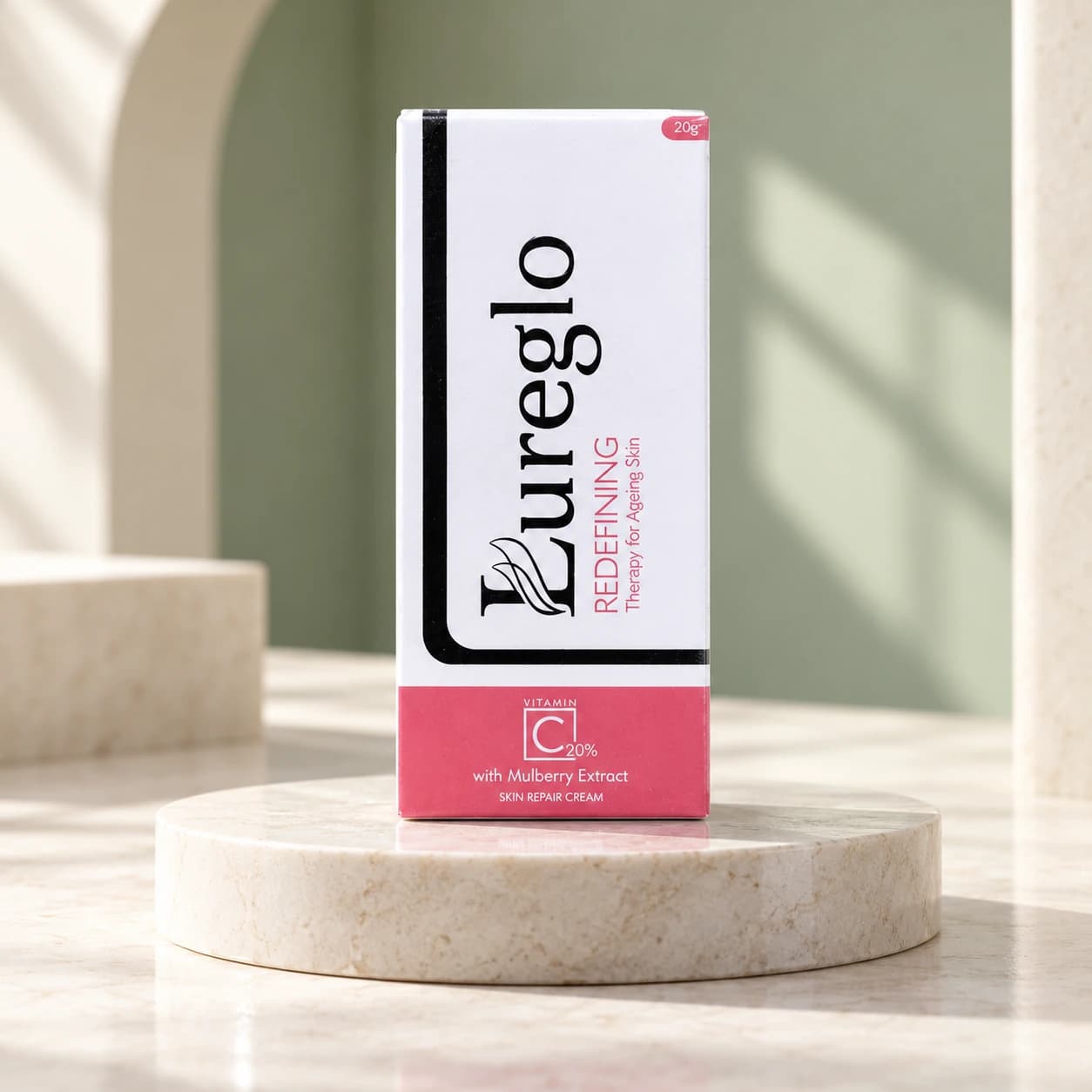
Skin care product. Confirm the formulation, pack size and suitability with the clinic.
Face wash
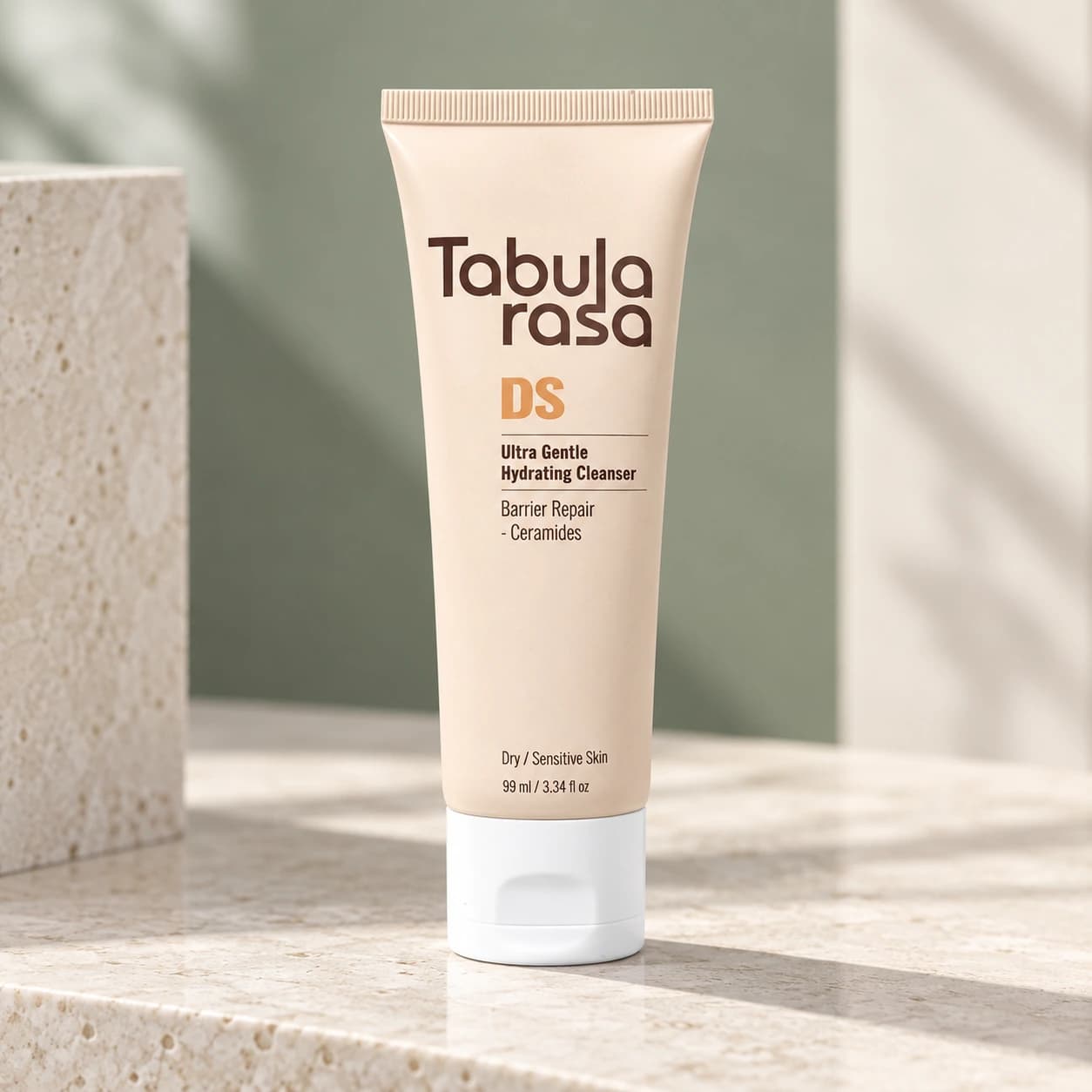
Facial cleansing product for a clinic-guided skin care routine.
Orders are confirmed on WhatsApp. There is no online payment.
PDRN (polydeoxyribonucleotide) is a mix of purified DNA fragments, usually from salmon or trout, injected in tiny amounts into the upper skin. It is used for skin quality: texture, fine lines, crepey skin around the eyes and mild scars. Laboratory work suggests it supports repair signals, but human studies are small and short, so benefit is modest and varies.
PDRN and polynucleotides, including Rejuran-type products, are DNA-based gels. Hyaluronic acid skin boosters and Profhilo are water-binding gels aimed at hydration and elasticity. They differ in what they are made of and how they are meant to act, and none gives a lift. Your doctor explains which suits your skin and what the evidence is for it.
A PDRN or exosome skin treatment at Clinic Eximus is ₹14,999 per session. Other boosters, such as hyaluronic acid boosters or Profhilo, are quoted at consultation. The product, area and number of sessions change the price, and Clinic Eximus confirms it in writing at consultation.
Studies of polynucleotides used about 3 to 4 sessions, usually 2 to 4 weeks apart, and measured results at around 12 weeks. Hyaluronic acid boosters and Profhilo are often spaced about a month apart. Your doctor sets the number for the product and your skin, and reviews it after each session. You can stop at any point.
Modestly, in small studies. A review of 6 trials of polynucleotides around the eyes found short-term improvement in crow's feet, and one small placebo-controlled trial in 20 women found better dermal quality in acne scars at 3 months. Neither followed people for long. For deeper scars or hollows, other treatments may suit better.
Most reactions are mild: bumps, redness, swelling, tenderness and pinpoint bruising, usually settling within days to a week. Allergy, infection and delayed lumps are uncommon but possible, and many PDRN products come from fish. Treatment is deferred in pregnancy and breastfeeding. Your doctor reviews your history first and tells you which signs to report.
Exosomes are tiny packets released by cells, applied after microneedling or injected. Pooled reviews of human studies report modest gains in wrinkles and texture, but the studies are small, mostly non-randomised, followed people for 2 to 12 weeks, and used different products. The evidence is early, so your doctor explains what product is used and what is not known.
We found no approval of an exosome product for cosmetic skin use. The CDSCO lists notices on stem cell derived products under the 2019 New Drugs and Clinical Trials Rules but does not mention exosomes, and a 2026 Indian review says exosomes are not uniformly categorised and should be treated as investigational. Many products are sold as cosmetics. Ask what you are being given.
An exosome skin treatment at Clinic Eximus is ₹14,999 per session. Because the product, its source and quality vary, ask what is in it before comparing prices. Your doctor confirms the product and price in writing at consultation.
Treatment is usually deferred in pregnancy and breastfeeding, with active infection, acne or eczema in the area, and with allergy to fish or any ingredient. People prone to keloid or granuloma scarring, with autoimmune disease or on blood thinners need a doctor's review first. If a clinic cannot say what a product is, wait.
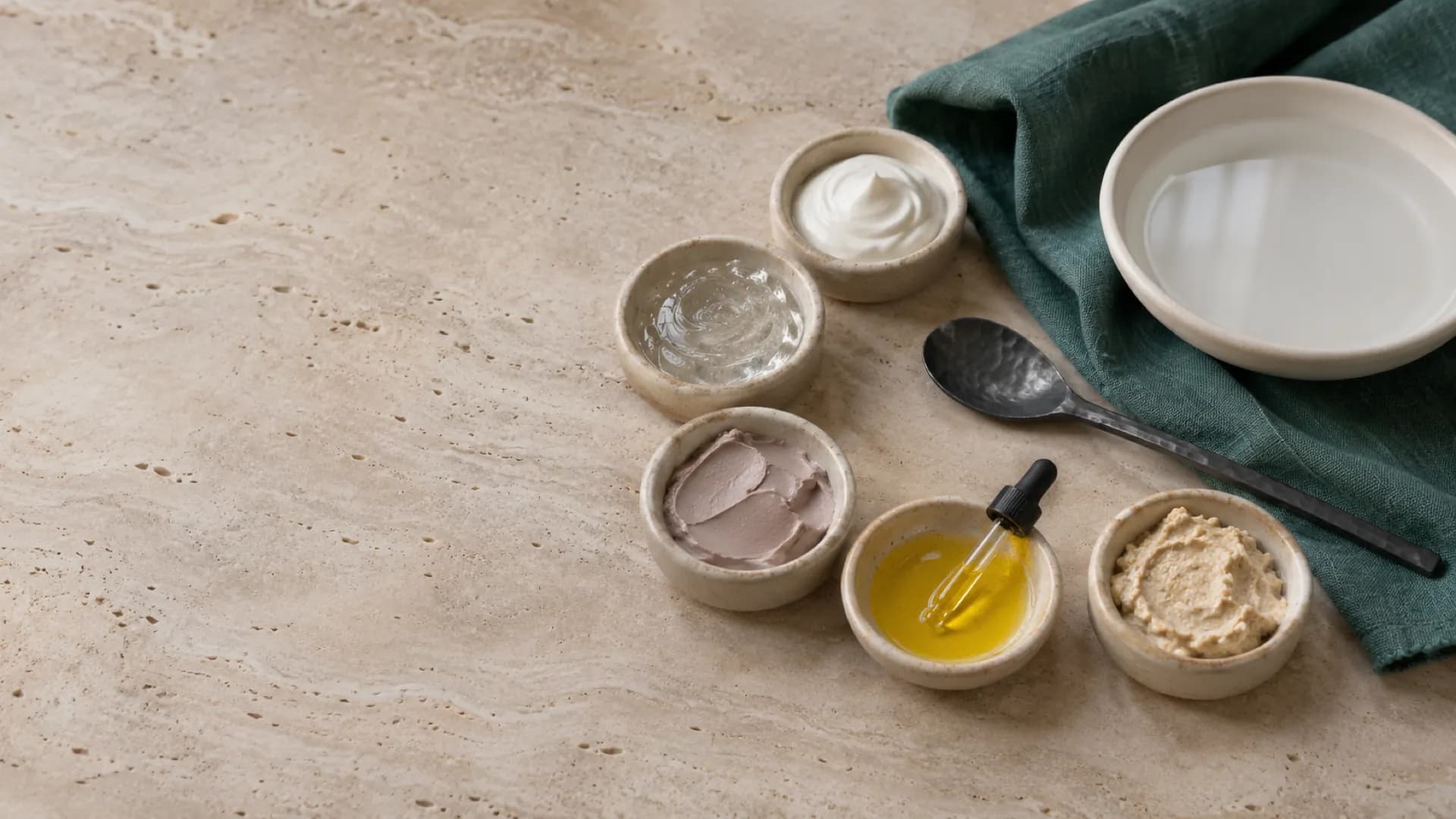
Article
Dry, oily, acne-prone, dull or sensitive: what each skin type needs from a facial, what to be careful with, and when to see a doctor first.
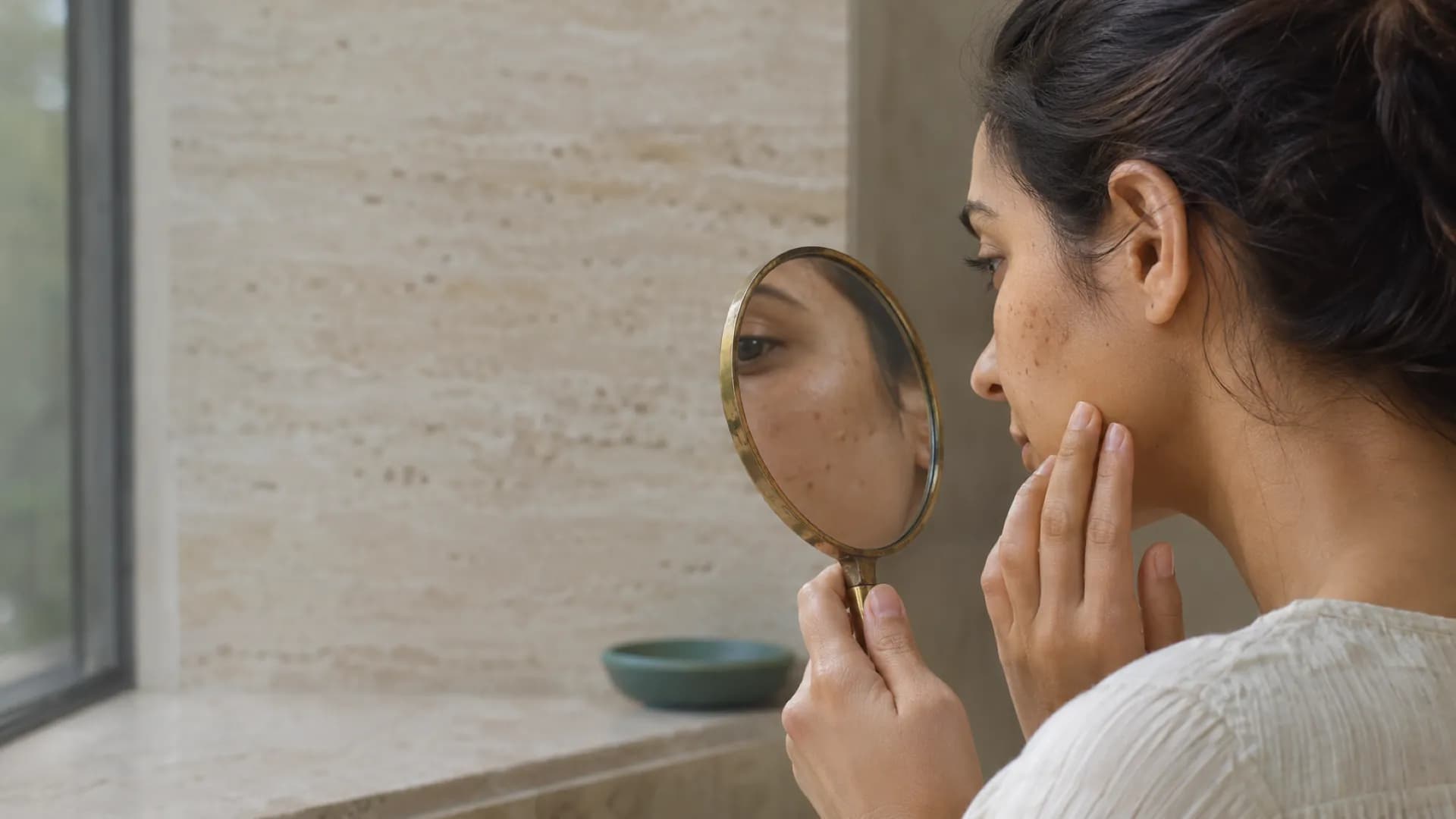
Article
How to tell sun spots, marks left by acne and melasma apart, why depth in the skin matters, and what a doctor may suggest.
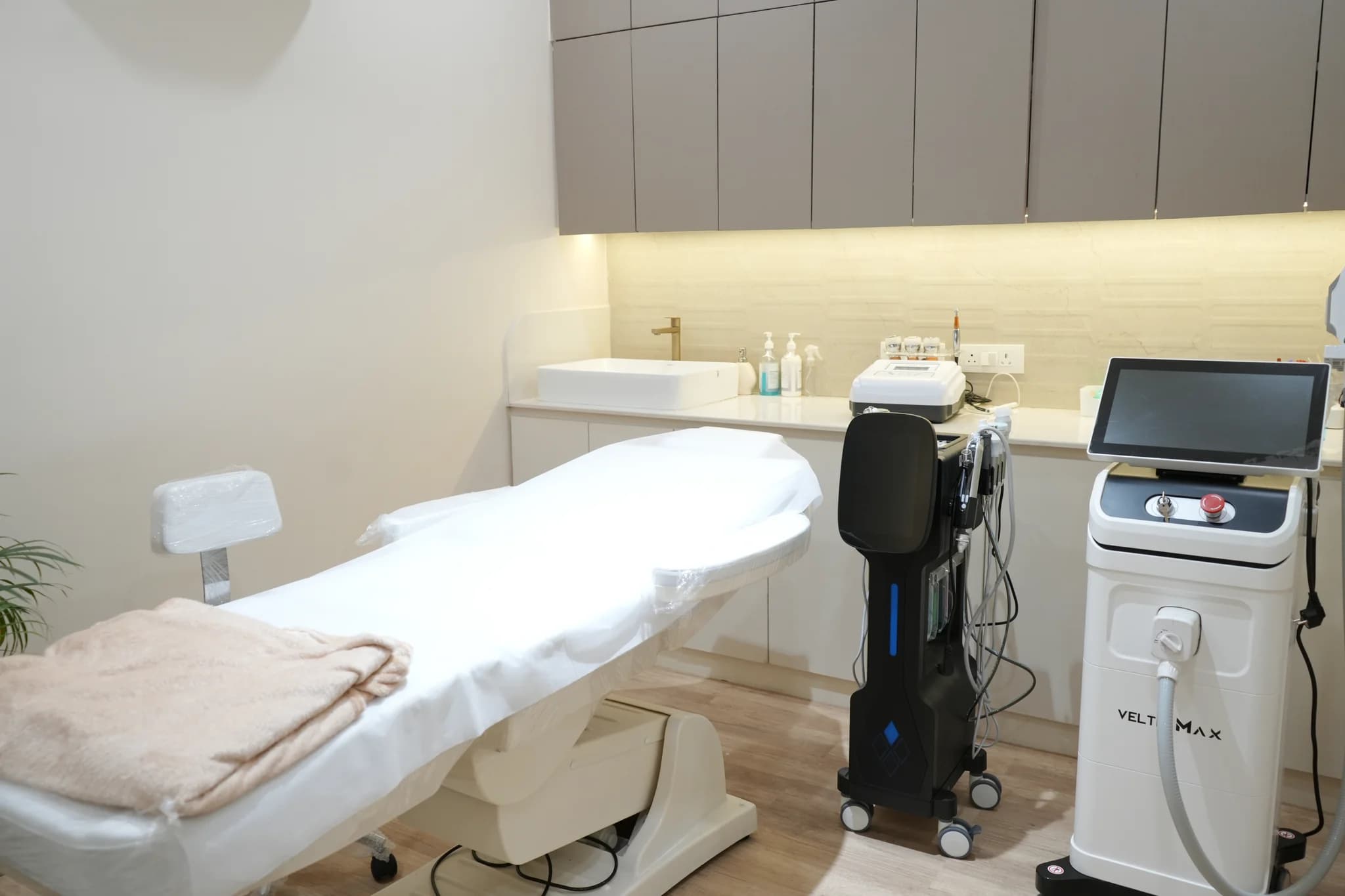
A doctor looks at your skin and what is behind the concern, then writes a plan with the full price before you begin.
Choose skin care, a centre and a time
Two taps. Nothing is stored on the website.
Your message opens in WhatsApp
You send it yourself and can add anything for the doctor.
The team confirms your visit
Your doctor reviews your history before suggesting anything.
4.9 from 1,238 Google reviews(Delhi centre)Doctor-led since 2004