Open pores and oily skin: why you cannot close a pore, and what changes how it looks
Pores do not open or close. What sets their size, which ingredients and routines make them look smaller, and which popular tricks are myths.
- Written by
- Clinic Eximus clinical team
- Updated
- Reading time
- 11 minutes
The short answer
Open pores are a normal part of skin, and nothing you apply can close them. A pore is a fixed opening, so no ice cube, steam session or toothpaste dab can shrink it. What does change is how noticeable the pore looks. Oil output, plugged contents, sun damage and age all make a pore look larger, and each can be managed. This guide explains what sets pore size and gives an honest routine for oily skin. If you want to know what a doctor can add, the open pores treatment page covers the clinic options and what a consultation looks like. This page is the explanation behind it.
In this article
- Pores do not open or close: what a pore actually is
- Oil, genetics, age and sun: what really sets how big pores look
- Ice, steam, toothpaste and other tricks to close open pores: which are myths
- Popular pore advice against what is known
- What can make open pores look smaller: ingredients and habits with evidence
- An oily skin routine for open pores that fits into five minutes
- Open pores treatment: the procedures a doctor may weigh
- Facials and congestion: what a Hydrafacial can and cannot do for pores
- Radiofrequency microneedling for pores: where it fits
- When oily skin and enlarged pores need a doctor
- How long to give a pore routine before judging it
- The takeaway
- Questions before you book
- Sources
Pores do not open or close: what a pore actually is
A pore is the mouth of a hair follicle, and an oil gland sits beside it and sends oil (sebum) up through that opening to the skin surface. DermNet NZ describes enlarged pores as depressions in the facial skin that contain openings to the ducts carrying oil and sweat. There is no muscle around the opening that could open it or shut it, which is why the phrases open pores and close pores describe an appearance, not a mechanism.
So when a pore looks wide, nothing has opened. Something has made it more visible: more oil moving through it, a plug stretching it, or skin around it that has lost some firmness and so no longer holds the rim tightly. That is useful news, because each of those causes can be worked on, even though the pore itself cannot be removed.
Pores are also helpful. The oil that comes through them keeps skin supple and protects it. The AAD points out that people with oily skin tend to have thicker skin and fewer wrinkles, so the aim is balance and not a dry, tight face.
Oil, genetics, age and sun: what really sets how big pores look
A study of 60 volunteers in the British Journal of Dermatology measured pore size and sebum output. It found that pore size was linked most strongly to how much oil the skin produced, followed by male sex and age. In women, pores were larger around ovulation, which suggests hormones play a part too. The study was small and measured one point in time, so it shows an association, not a rule for every person.
DermNet lists the factors that can lead to larger-looking pores as more sebum, the size of the hair follicle, comedogenic products (those that tend to plug pores), loss of skin elasticity with age and sun damage. It also notes that certain ethnic groups, including those of African and Indian ancestry, may have larger pores, and that pores often look larger with age. That means your pores are partly inherited, and that comparing them with a filtered face online is not a fair measure.
Acne adds to the picture. Blackheads sit inside pores, and inflammation can weaken the follicle opening so it looks wider. Treating blocked pores and acne first often does more for how pores look than any pore-specific product. Our guide to blackheads and whiteheads covers that part.
Ice, steam, toothpaste and other tricks to close open pores: which are myths
Because pores cannot close, anything claiming to close them works at most for a few hours, by swelling or tightening the skin for a short while. The table that follows sorts the most common advice. Some of it is harmless but pointless, and some of it can leave you with irritated skin and dark marks.
Popular pore advice against what is known
| Compare | The claim | What is known |
|---|---|---|
| Ice cubes close pores | The claimCold can make skin look tighter for minutes. | What is knownNothing lasting changes. Ice held on skin can injure it, so it is not worth the risk. |
| Steam opens pores so they can be cleaned | The claimWarmth softens oil on the surface. | What is knownPores have no muscle to open. Heat can flush skin and worsen redness, and it does not clear plugs. |
| Toothpaste or baking soda shrinks pores | The claimA drying, gritty feeling can seem like tightening. | What is knownBoth can irritate, and irritated skin can darken. Neither changes pore size. |
| Lemon, egg-white or curd masks tighten pores | The claimDrying masks can feel tighter for a few hours. | What is knownNo evidence of lasting change. Lemon with sun can burn skin and leave brown marks. |
| Daily sunscreen | The claimHelps prevent sun damage, one of the causes of pores looking larger. | What is knownSupported by dermatology guidance. It prevents more than it reverses. |
| Topical retinoid | The claimReduces plugging and, with long use, helps skin firmness. | What is knownNamed in reviews and by DermNet. Needs patience, and can irritate. Ask a doctor, especially in pregnancy. |
General information drawn from the sources below. Your doctor decides what suits you.
What can make open pores look smaller: ingredients and habits with evidence
Honesty first: DermNet says that treatments aimed at preventing and shrinking large pores are not very effective, and the research is limited. The options below are the ones doctors and reviews name, with modest expectations. A 2016 review in Cutis lists topical retinoids, chemical peels, oral anti-androgens, lasers and devices, and says that treating the associated factors, such as high sebum and skin ageing, is the main approach.
Topical retinoids are the most consistent. They change how skin cells shed, which reduces plugging, and with long use they help skin firmness. They also dry and peel skin at first and increase sun sensitivity, so they are started gently and sometimes need a doctor's prescription. Niacinamide, also called nicotinamide, is a vitamin B3 ingredient that DermNet lists among the topical options. Evidence is modest and it is well tolerated by most people, so it is a reasonable addition once the basics are in place. Salicylic acid and other exfoliating acids can loosen plugs and reduce oil on the surface, but the AAD cautions they may be too harsh for some skin, so use them less often if skin stings or peels.
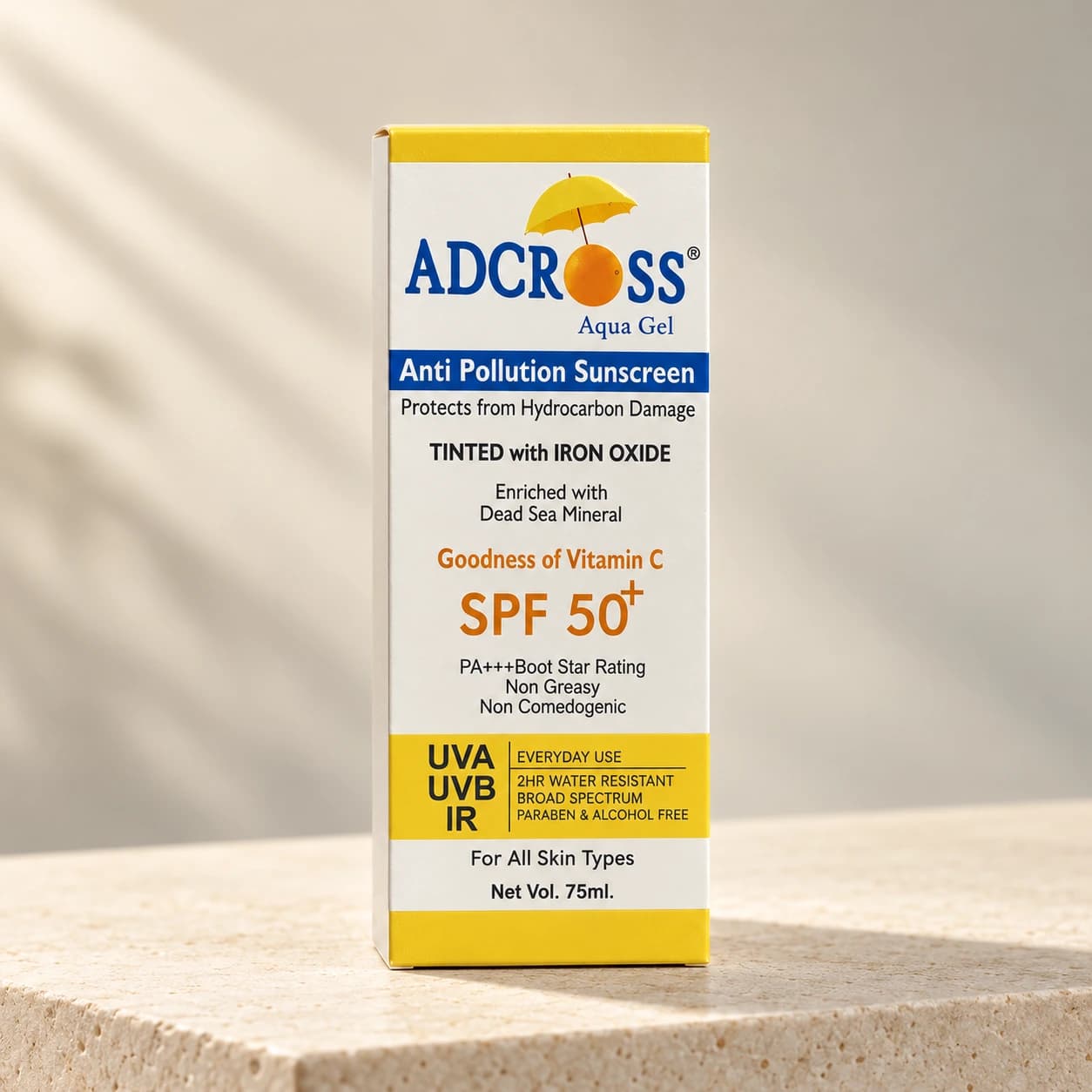
The habit with the clearest benefit is daily sunscreen. Sun damage is one of the causes DermNet lists, because it breaks down the collagen that holds the pore rim firm. The AAD recommends a broad-spectrum sunscreen with an SPF of 30 or higher and, for acne-prone skin, mineral filters and no added fragrance or oil. Sunscreen will not shrink a pore this month. It stops them from looking worse next year.
An oily skin routine for open pores that fits into five minutes
A routine for oily skin should reduce shine without stripping the skin, because the AAD notes that a face wash that is too harsh can irritate skin and trigger more oil. These are the steps dermatologists describe, in plain order.
- Morning: Rinse or use a mild, gentle cleanser. Apply an oil-free, non-comedogenic moisturiser. Finish with broad-spectrum sunscreen of SPF 30 or higher.
- Night: Cleanse gently, and remove makeup and sunscreen properly. Apply your single active (a retinoid or an exfoliating acid, if a doctor has advised it) on some nights, then moisturiser. Do not scrub.
- Through the day: Blot shine with a clean blotting paper, pressing and not rubbing, which the AAD says avoids spreading oil. Keep your hands off your face.
- Products: Choose those labelled oil-free and non-comedogenic, including makeup. Matte-finish makeup can reduce shine.
Reading about it helps. A doctor looking at your skin is what tells you which of this applies to you.
Open pores treatment: the procedures a doctor may weigh
When pores stay noticeable despite a sensible routine, a doctor may consider options in clinic. DermNet lists chemical peels, laser treatment and radiofrequency microneedling among the physical treatments that may help, and some oral medicines used for acne. Those medicines, such as hormonal tablets, spironolactone and isotretinoin, are prescription decisions made for acne or hormonal reasons, never something to start on your own.
None of these closes a pore. They aim to reduce oil, clear congestion or firm the skin around the opening, and the studies are small and short. Results usually need a course and upkeep. In Indian skin, lasers and peels can leave dark marks if the type or strength is wrong, so a doctor assesses your skin tone, active acne and recent sun first, and some options are deferred in pregnancy. The open pores treatment page sets out how the clinic approaches the diagnosis before the plan.
Facials and congestion: what a Hydrafacial can and cannot do for pores
A facial that cleanses, exfoliates and extracts can make pores look cleaner and the skin look smoother for a while, mainly by clearing what is plugging them. That is the realistic benefit, and it is temporary if oil and plugging are not managed between visits. It does not change pore size. The Hydrafacial page explains the steps, who it suits and the typical cost range, and whether a facial or a prescription routine should come first.
Radiofrequency microneedling for pores: where it fits
Radiofrequency microneedling is one of the options DermNet names for pores, because the energy is aimed at the oil glands and the skin structure around the opening. It involves needles, a recovery of a few days and a course of sessions, so it is not a first step. Evidence for pores comes from small studies, and a doctor weighs it against your skin tone, acne and healing. Its page covers how it works and what recovery looks like.
When oily skin and enlarged pores need a doctor
See a doctor if oily skin comes with regular acne, painful spots or lumps, because treating acne is the first job. Also see one if oiliness is new and sudden, or arrives with irregular periods, new facial hair or scalp thinning, which can point to a hormone condition such as PCOS. If what you think are pores are really small pits or scars after acne, those are assessed differently. A doctor can tell the difference, and the right treatment depends on it.
How long to give a pore routine before judging it
Phase 01 · Weeks 1 to 4
Basics first
Gentle cleanser, oil-free moisturiser and daily sunscreen. Add one active at a time. Expect no visible change in pore size yet.
Phase 02 · Weeks 4 to 12
Let it work
Skin may look less shiny and less congested. Take a photo in the same light each month and judge by that, not by a close-up mirror.
Phase 03 · Around week 12
Decide
If pores still bother you, a doctor can look at oil, acne, sun damage and firmness and say whether a clinic option adds anything.
The takeaway
You cannot close a pore, but oil, plugging and sun damage change how big it looks. Daily sunscreen, a gentle routine and one proven active come first, and a doctor can weigh procedures if that is not enough.
Sources
- DermNet NZ: Enlarged pores (opens in a new tab)
- Roh et al., Sebum output as a factor contributing to the size of facial pores, Br J Dermatol 2006 (opens in a new tab)
- Dong et al., Enlarged facial pores: an update on treatments, Cutis 2016 (opens in a new tab)
- American Academy of Dermatology: Oily skin tips (opens in a new tab)
- DermNet NZ: Comedo (blackheads and whiteheads) (opens in a new tab)
- Reynolds et al., Guidelines of care for the management of acne vulgaris, J Am Acad Dermatol 2024 (opens in a new tab)