
Sunscreen
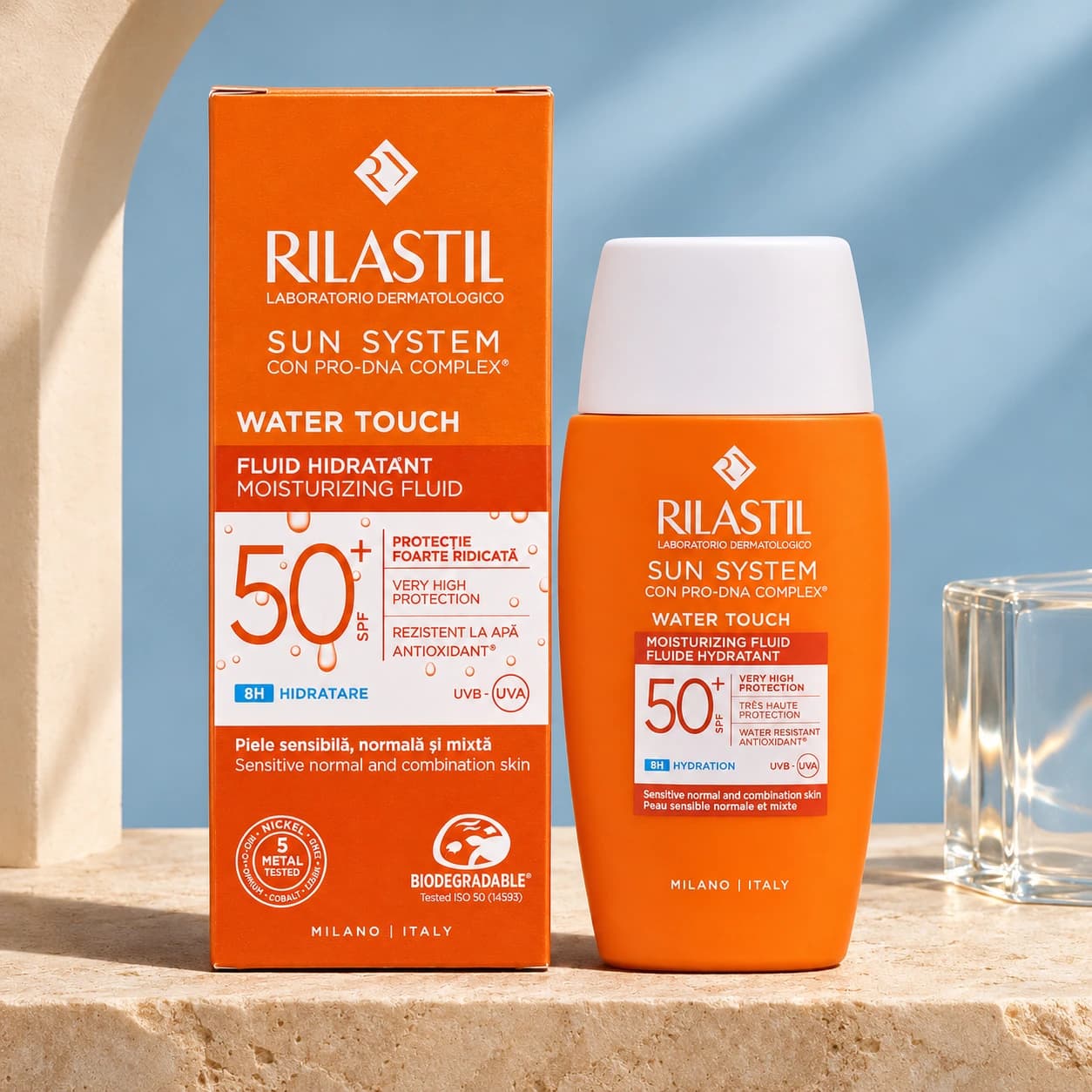
Rilastil Water Touch SPF 50+ Moisturizing Fluid 50 ml
50 ml
50 ml moisturising facial sunscreen fluid with SPF 50+, from the Rilastil Sun System range.
₹2,459View details
10% off all products · Free Delhi NCR delivery on ₹1,499+Shop now
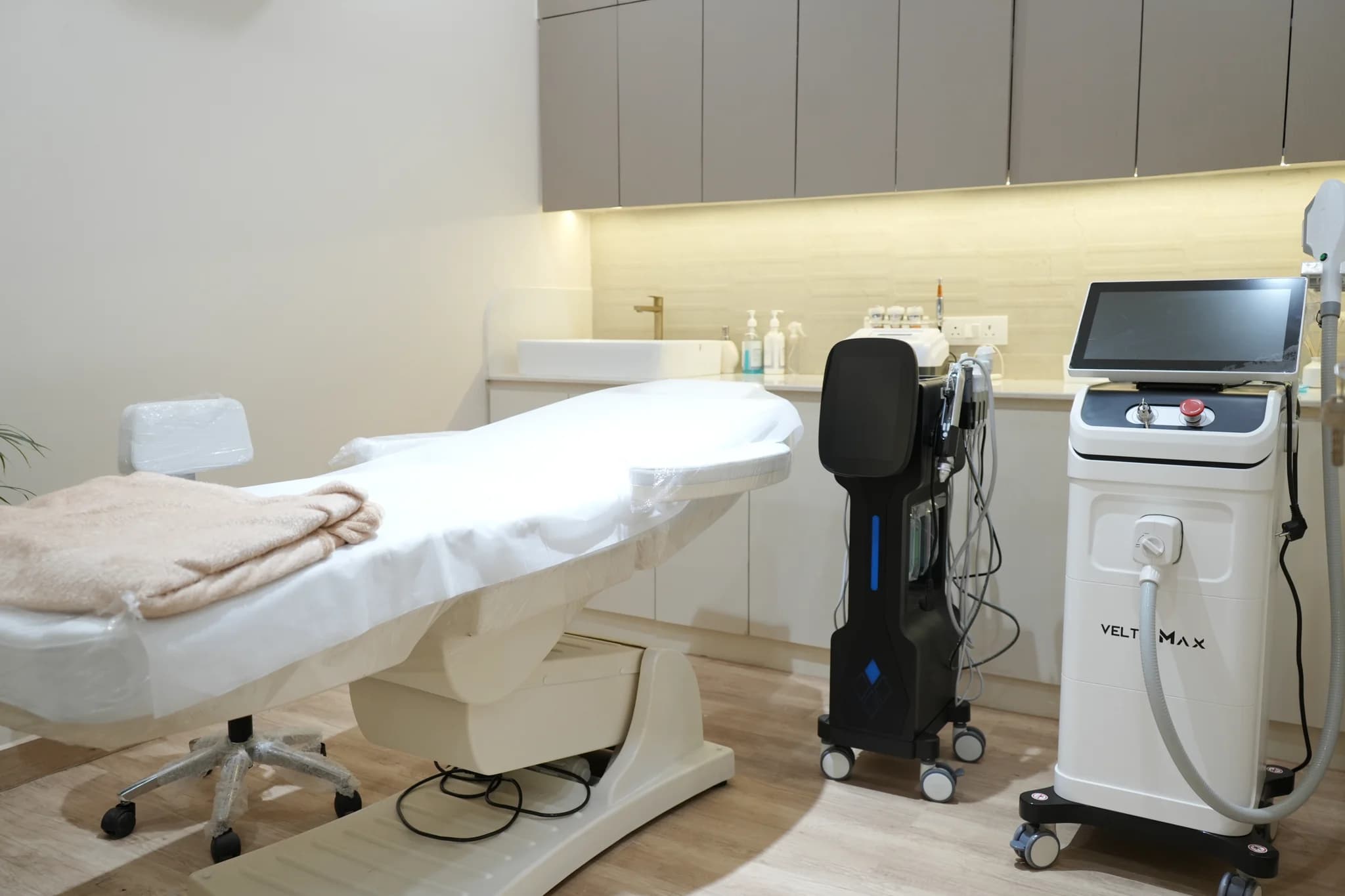
Focused ultrasound heats deep layers of the face and neck so loose skin can tighten over about three months. It suits mild to moderate looseness. Significant sagging is a surgical question, and a doctor tells you which one you have.
Two taps, then WhatsApp. A doctor reviews your history before any treatment is suggested.
4.9 from 1,238 Google reviews(Delhi centre)Doctor-led since 2004
Clinic Eximus price. Your doctor confirms the plan and final price at consultation.Updated
HIFU (high-intensity focused ultrasound) sends focused ultrasound below the skin surface to heat tiny points in the deep layers. The body repairs those points, and in studies loose skin on the jawline, neck and brow tightened gradually over about three months. It suits mild to moderate looseness and does not replace surgery for significant sagging. On Indian skin (Fitzpatrick types III to V) the doctor chooses depth and settings carefully, because dark marks after heat injury are more likely.
HIFU for the face is usually called microfocused ultrasound. A handheld applicator, coupled to the skin with gel, sends ultrasound through the surface and brings it to a focus at a set depth. The surface is not meant to heat; the focus is. Two depths are commonly used: about 3.0 mm, in the deep dermis, and about 4.5 mm, in the fibrous SMAS layer under the fat that sits under the skin and over the muscle. Each focus heats a tiny point of tissue, and the applicator is moved in lines across the area. Over the following weeks the body repairs each point, with more active fibroblasts and new collagen and elastin. In studies the change is judged at about three months. Some devices show the tissue layers on a screen while they work, which helps the doctor place the energy at the right depth. HIFU for the face treats skin looseness. It does not replace a lift that removes excess skin, and it is not the same as radiofrequency devices, which heat the tissue with electrical current instead.
General guidance, simplified. A doctor judges how much sagging you have by examining your face and neck, and which of these routes suits you.
The same order for everyone, so nothing is decided before the cause is clear.
Step 1
Your doctor examines your face and neck for how much skin looseness there is, and asks about fillers, threads, surgery, medicines and pregnancy. If the sagging is significant, you are told so and surgery is discussed.
Step 2
The doctor chooses the areas, such as the jawline, under the chin, cheeks or brow, and the depth and settings for your skin type. On Indian skin, caution on settings is part of the plan.
Step 3
Gel is applied and a handheld applicator is moved in lines across the area. Most people feel heat or sharp zaps, which are stronger over bony areas and the thin skin of the neck. Your doctor can discuss comfort options beforehand.
Step 4
Redness and swelling are common for days. Avoid heat and strong sun on the area, protect the skin with sunscreen, and report blisters, numbness or weakness early.
Step 5
This is when tightening is judged, against photographs taken at the start. Your doctor decides whether a repeat session or another option would help.
Published studies and guidelines, linked so you can read them yourself. Evidence is not a promise for any one person.
16 studies · 337 rated. A systematic review of 16 studies of microfocused ultrasound for facial tightening, all in women, found doctors rated 92% of people improved at day 90 (337 people). People rated themselves lower: 42% at day 90, rising to 53% at day 360 (81 people). The brow lift measured 0.47 to 1.7 mm, and there was no follow-up beyond about a year. The reviewers list excessive laxity and a BMI above 30 as reasons for weaker results. (A systematic review of the efficacy of microfocused ultrasound for facial skin tightening, International Journal of Environmental Research and Public Health (PMC9861614), 2023) opens in a new tab
42 studies · 411 rated. A meta-analysis of 42 studies, mostly small before-and-after designs with only 2 controlled, found doctors rated 89% of people improved (411 people) and 84% rated themselves improved (312 people). Satisfaction was 84%, but 62% if neutral answers were counted as no improvement. Average pain was 4.85 out of 10, and follow-up was mostly within 6 months. (Microfocused ultrasound with visualization (MFU-V) effectiveness and safety: a systematic review and meta-analysis, Aesthetic Surgery Journal (PMC11834976), 2025) opens in a new tab
50 Indian adults · 1 year. In 50 Indian adults with mid and lower face sagging, one session was followed for a year. At 6 months, 93% of blinded reviewers reported improvement and 85% of people were satisfied, and results held at 1 year. Swelling lasted 2 to 14 days, and pain was mild in 32%, moderate in 48% and severe in 20%. No nerve or muscle problems or scarring were seen. It was one centre without a control group. (Use of micro-focused ultrasound for skin tightening of mid and lower face in 50 Indian adults, Plastic and Reconstructive Surgery Global Open, 2019) opens in a new tab
28 women · 12 months. In 28 women aged 33 to 55, one treatment was tracked for 12 months with 3D measurements. Tightening peaked at 3 months and was still present at 12 months, and the area under the chin held its change better than the rest of the face. It was a small study without a control group. (Evaluating the long-term effects of microfocused ultrasound on facial tightening using quantitative instruments, Aesthetic Plastic Surgery (PubMed 40931143), 2026) opens in a new tab
20 adults · split face. In 20 adults with mild to moderate laxity, one side of the face was treated with microfocused ultrasound and the other with monopolar radiofrequency, the kind used in Thermage-type devices. Both sides improved from day 30 to day 180, with no significant difference between them and similar side effects. (A randomized, split-face, evaluator-blind trial comparing monopolar radiofrequency versus microfocused ultrasound with visualization for lifting and tightening, Dermatologic Surgery (PubMed 30531187), 2019) opens in a new tab
Pig skin · day 90. In skin taken from pigs, microfocused ultrasound at 1.5, 3.0 and 4.5 mm depths created small heated zones, followed by more active fibroblasts, new collagen and elastin over 14 and 90 days. This is animal tissue, not people, and shows the mechanism rather than the size of any benefit. (Microfocused ultrasound with visualization induces remodeling of collagen and elastin within the skin, Journal of Cosmetic Dermatology (PMC11743342), 2025) opens in a new tab
Expert consensus · 2022. An expert consensus lists the injuries reported with ultrasound devices: burns, welts and scabbing in the skin, bruising, loss of fat, and nerve effects such as numbness or weakness. It says real-time imaging of the tissue layers helps prevent them, and describes side effects in about 50 published studies as usually mild and brief. (Microfocused ultrasound with visualization: consensus on safety and review of energy-based devices, Journal of Cosmetic Dermatology (PMC9305832), 2022) opens in a new tab
19 studies · 506 people. A review of 19 studies and 506 people found the commonest effects were brief swelling, redness and pain, with one case of loss of fat under the skin. A device-safety database (106 reports) lists fat loss, nerve damage or numbness, drooping eyelid and scarring. Such reports cannot give a rate, and there is little evidence that treatment harms a later facelift. (Microfocused ultrasound with visualization: a systematic review of adverse events and risk of subsequent facelift compromise, Dermatologic Surgery (PubMed 39625163), 2025) opens in a new tab
2 of 49 · dark marks. A consensus on managing complications reports that darker marks after microfocused ultrasound are more likely in skin types IV to VI and at the shallowest depth. In one group, 2 of 49 people had moderate dark marks after full-face treatment, and none after the forehead settings were changed. Nerve weakness, when it occurred, took 4 to 6 weeks to settle. (Evidence-based management recommendations for microfocused ultrasound with visualization (MFU-V) complications: a multidisciplinary consensus, Journal of Cosmetic Dermatology (PMC13376685), 2026) opens in a new tab
26 studies · threads. A meta-analysis of 26 studies of facial thread lifts found swelling in 35%, skin dimpling in 10%, numbness or altered feeling in 6%, visible or palpable threads in 4%, infection in 2% and thread extrusion in 2%. Long-term satisfaction was 88%, against 98% right after the procedure, so the benefit fades. (A meta-analysis and systematic review of the incidences of complications following facial thread-lifting, Aesthetic Plastic Surgery (PubMed 33821308), 2021) opens in a new tab
We will tell you if HIFU skin tightening is not the right first step for you.
Typical milestones from published studies and guidelines. Your doctor sets your own schedule.
Before
Face and neck examined; fillers, threads and surgery history checked
Treatment day
Heat or sharp zaps; redness for about 2 days
Days to 2 weeks
Swelling and tenderness settle; sun protection
About 3 months
Collagen rebuilt; tightening judged against photographs
6 to 12 months
Effect fades slowly in studies; a repeat can be discussed
₹3,999
per session for the chin
Clinic Eximus price. Your doctor confirms the plan and final price at consultation.
Care to use between visits, chosen by the clinic. Confirm the right one with a doctor.
Sunscreen
50 ml
50 ml moisturising facial sunscreen fluid with SPF 50+, from the Rilastil Sun System range.
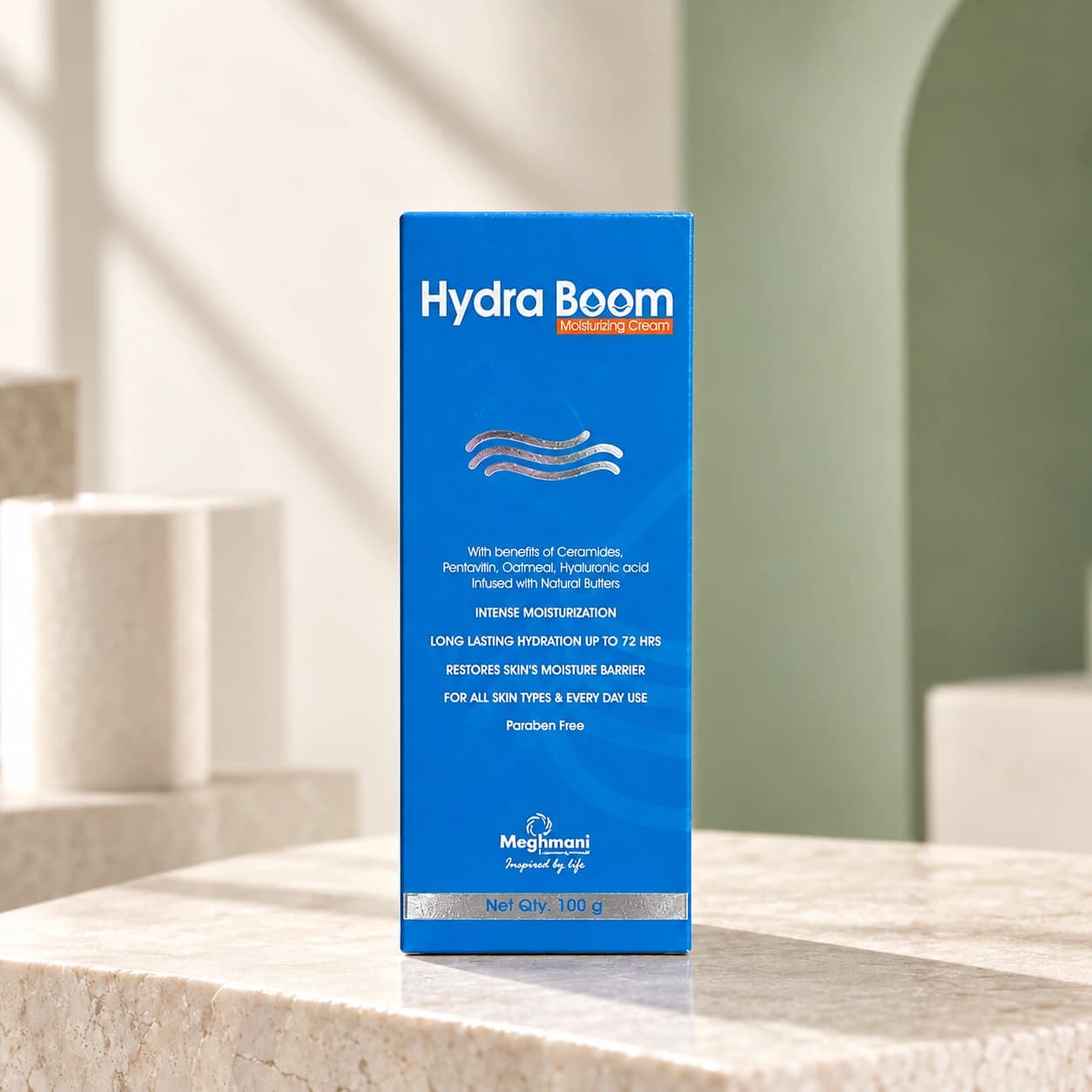
Cream
Skin care product. Confirm the formulation, pack size and suitability with the clinic.
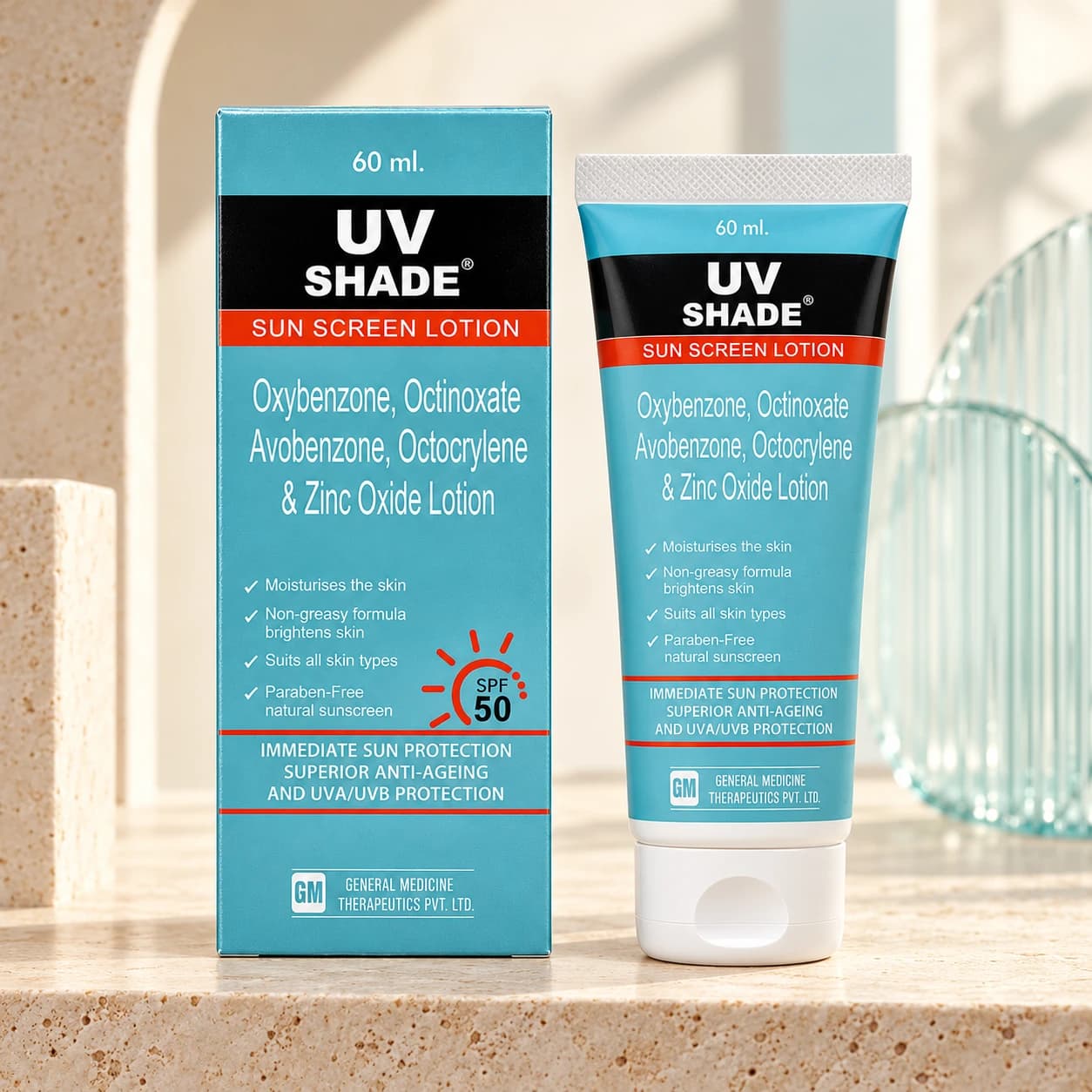
Orders are confirmed on WhatsApp. There is no online payment.
A HIFU chin lift at Clinic Eximus costs ₹3,999 per session. Other areas, such as the full face or neck, are quoted at consultation because the price follows the area treated, so ask what any figure covers. Clinic Eximus confirms the areas, number of sessions and price in writing after your consultation.
A handheld applicator sends focused ultrasound through the skin and brings it to a point at a chosen depth, usually about 3.0 mm or 4.5 mm. The point heats and the surface above is not meant to. The body repairs each point with new collagen and elastin over weeks, which is why tightening is judged at about three months rather than straight away.
HIFU suits mild to moderate looseness, such as softer jowls, a less defined jawline or loose skin under the chin. Significant sagging, with heavy jowls, deep folds or a lot of loose neck skin, usually needs surgery, because a device cannot remove excess skin. A doctor examines your face and neck and tells you which applies. Reviews also list a BMI above 30 as a reason for weaker results.
Those are the areas studied most, including loose skin under the chin and along the jaw, and the clinic's bridal packages include HIFU sessions for the chin. HIFU targets skin looseness. A double chin made mostly of fat is a different problem, so a doctor checks whether fat or skin is the cause before recommending anything.
Most studies used one session and judged the result at about three months. The change lasted months, and one 12-month study found it still present, though few studies follow people beyond a year. It is not permanent, because ageing continues. Your doctor decides whether a repeat session later would help, and does not promise a particular result.
Redness, swelling, tenderness and sometimes bruising are common and settle in days to two weeks. Less often there are burns, welts, temporary numbness or nerve weakness, and uneven results. Loss of fat under the skin and scarring appear in device-safety reports, though rates are unknown. Risk rises when settings or depth are wrong, so a doctor-led plan and a trained operator matter.
It can be when depth and settings are chosen for your skin. A study of 50 Indian adults found no nerve problems or scarring after one session. Darker marks after heat injury are more likely in skin types IV to VI and at the shallowest depth, so the doctor adjusts settings and advises sun protection. Tell your doctor about earlier dark marks.
It depends on how much sagging you have. HIFU is non-invasive and suits mild to moderate looseness. Threads lift tissue, but a review found swelling in 35%, dimpling in 10% and satisfaction falling from 98% to 88% over time. A facelift removes excess tissue and is the route for significant sagging, with surgical risks and recovery. A doctor compares them for your face.
Ultherapy is a branded microfocused ultrasound device, and Thermage a branded radiofrequency device, so the real choice is ultrasound or radiofrequency. In a split-face trial of 20 adults, both improved laxity from day 30 to day 180 with no significant difference. Ultrasound reaches the deeper fibrous layer, and the right choice depends on your skin and the device used.
Most people feel heat or sharp zaps. Pooled pain scores were about 4 to 5 out of 10, stronger over bone and thin neck skin, and your doctor can discuss comfort options. HIFU and Botox do different jobs: Botox relaxes muscles that cause lines, while HIFU tightens loose skin, and a doctor may suggest them together.
Article
Dry, oily, acne-prone, dull or sensitive: what each skin type needs from a facial, what to be careful with, and when to see a doctor first.
Article
What a Hydrafacial can and cannot do, how strong the evidence is, the side effects to expect and who should be cautious or wait.

A doctor looks at your skin and what is behind the concern, then writes a plan with the full price before you begin.
Choose skin care, a centre and a time
Two taps. Nothing is stored on the website.
Your message opens in WhatsApp
You send it yourself and can add anything for the doctor.
The team confirms your visit
Your doctor reviews your history before suggesting anything.
4.9 from 1,238 Google reviews(Delhi centre)Doctor-led since 2004